— Ideas & inspiration
Building in the desert
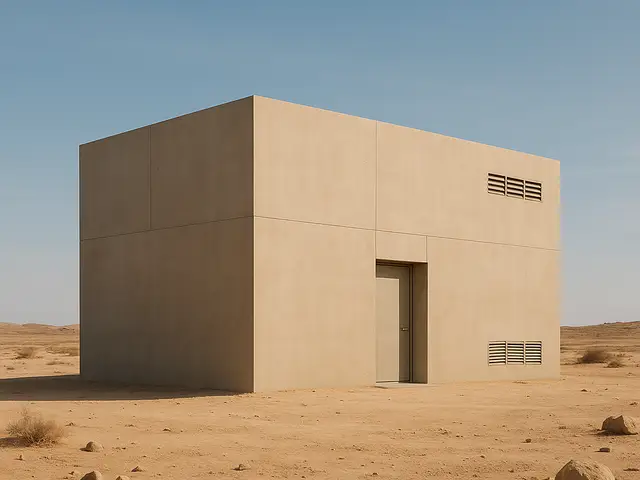
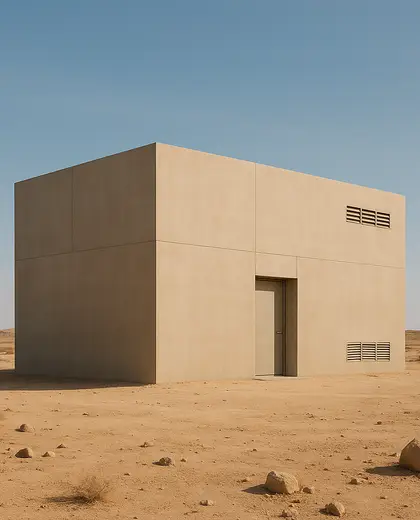
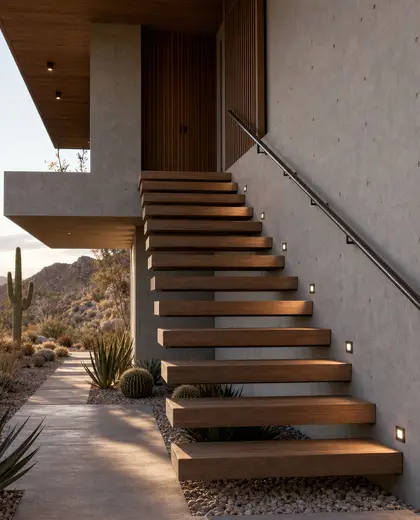
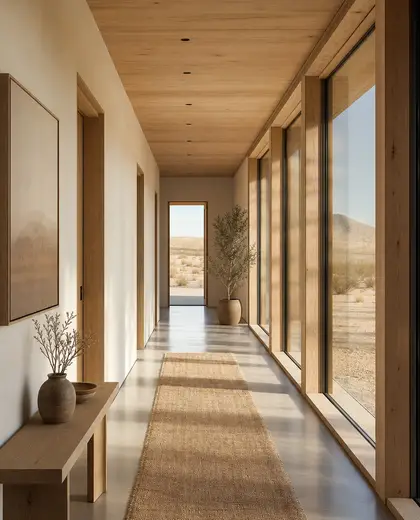
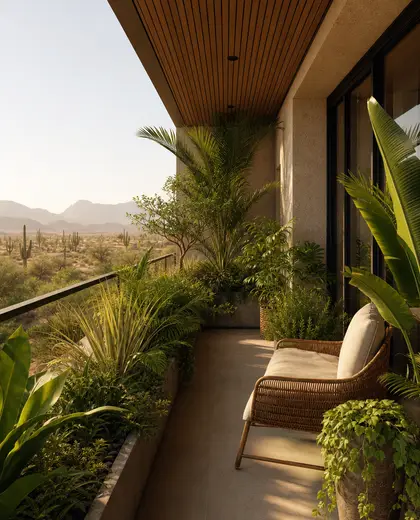
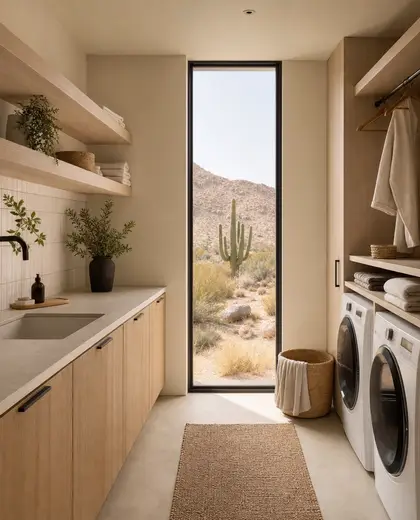
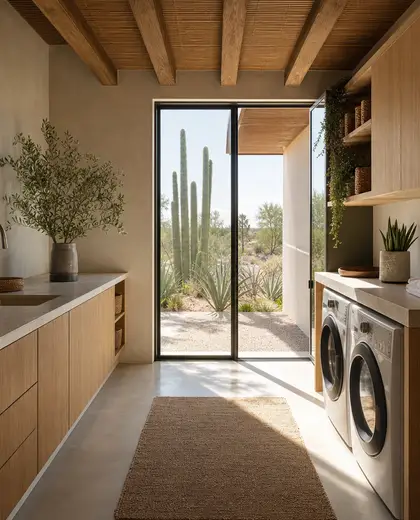
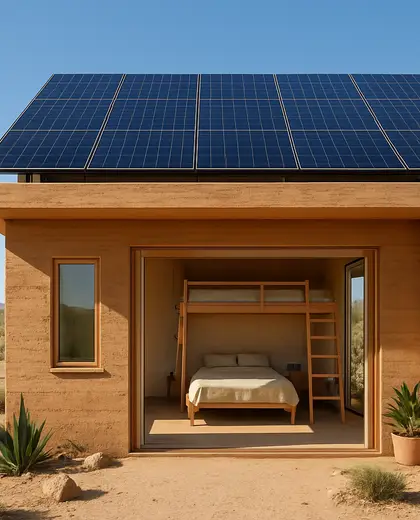
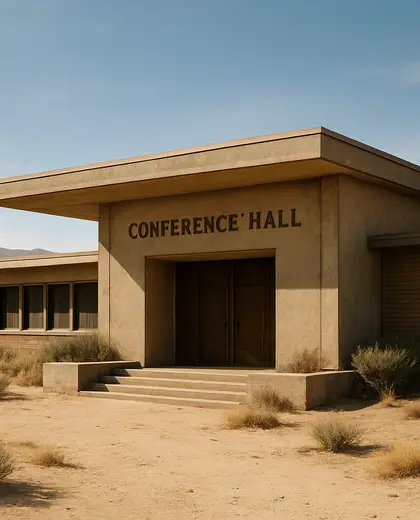
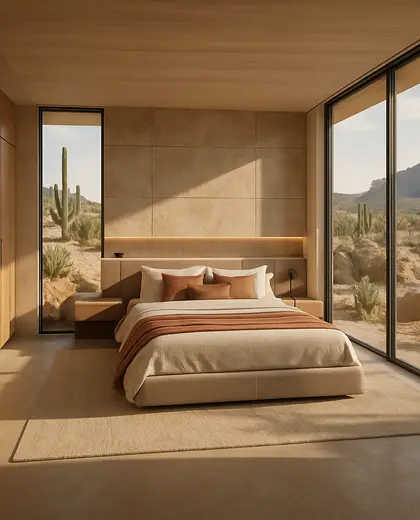
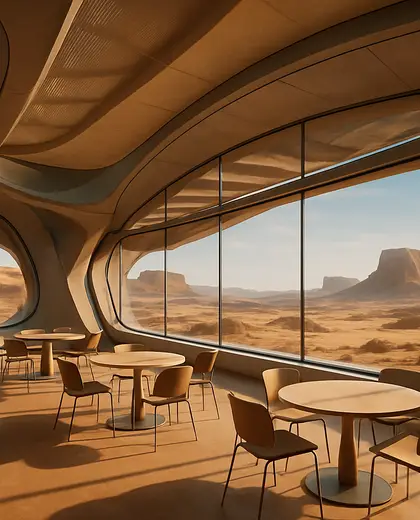
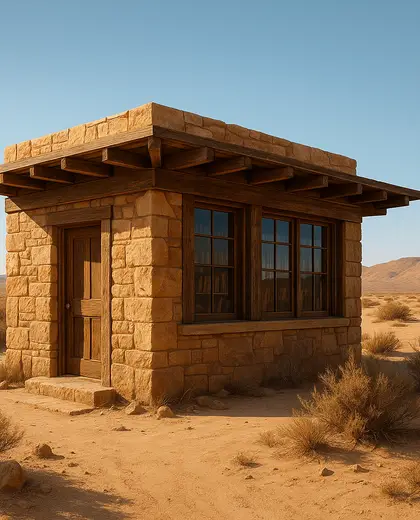
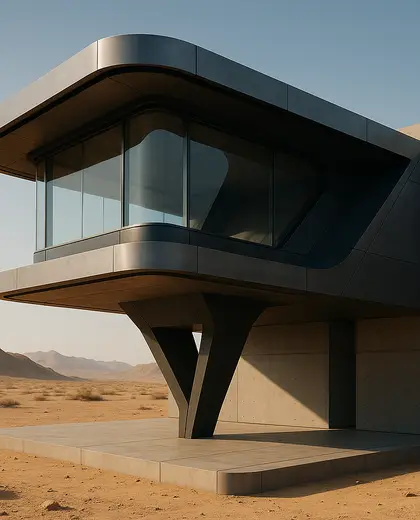
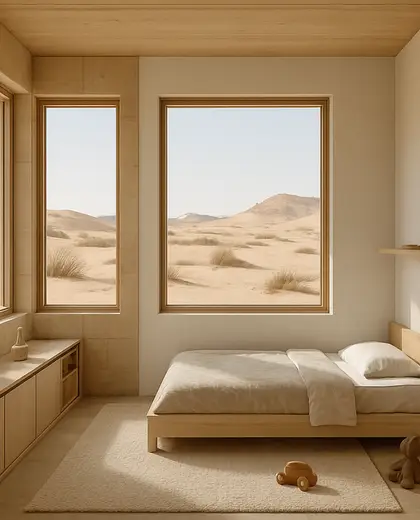
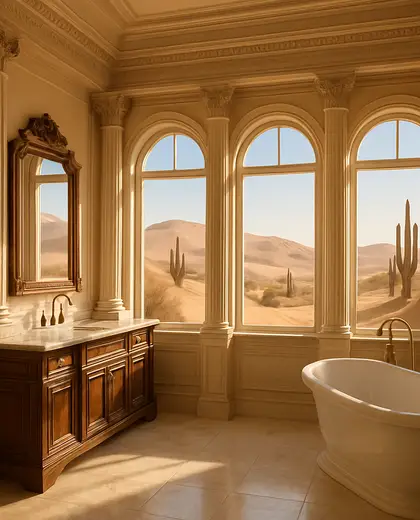
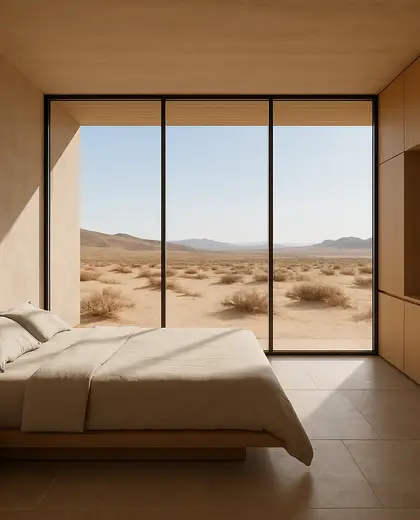
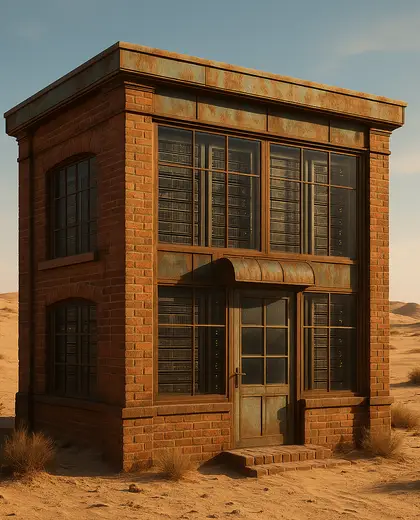
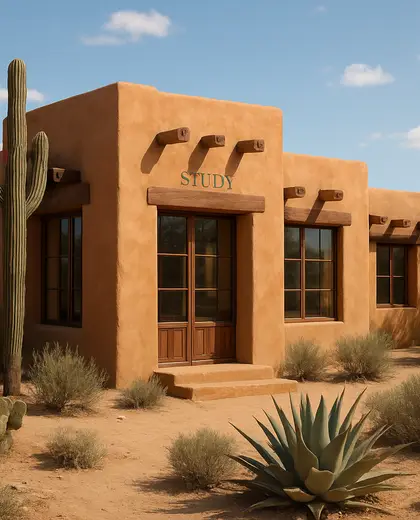
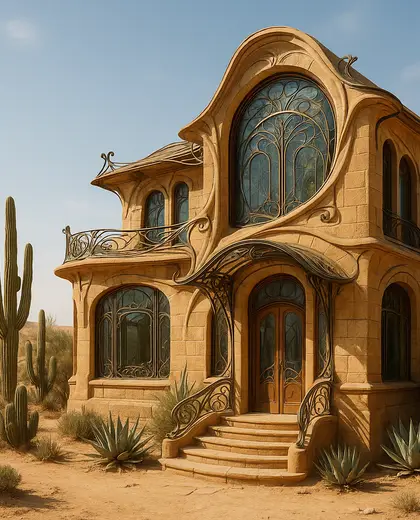
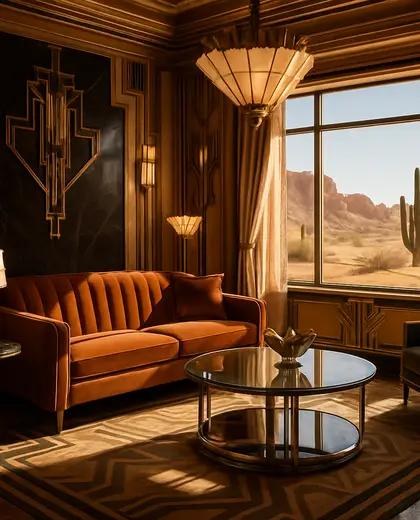
This composition is defined by massing that responds to heat, glare, and wind, with thick walls, deep overhangs, shaded courtyards, and controlled openings. Materials are typically mineral and durable—stone, stucco, rammed earth, concrete, weathering steel, and timber used sparingly for shade and texture. The palette stays close to the landscape: sand, clay, ochre, sun-bleached beige, muted brown, and dark accents for shadow lines and frames.
- building
- desert
— References
References to explore
How do you keep a desert house comfortable without relying only on air conditioning?
The usual approach is to reduce heat gain first: orient openings carefully, add deep shade, use thermal mass, and create cross-ventilation through courtyards or breezeways.
What exterior finishes hold up best in desert conditions?
Mineral finishes and durable claddings tend to age better, such as stucco, stone, rammed earth, precast concrete, and metal systems designed for high sun and dust exposure.
Does a desert-inspired house have to look rustic?
No. It can be rustic, but it can also be very minimal and refined, as long as the form, shading, and material choices respond to the climate.
— The style
What defines it
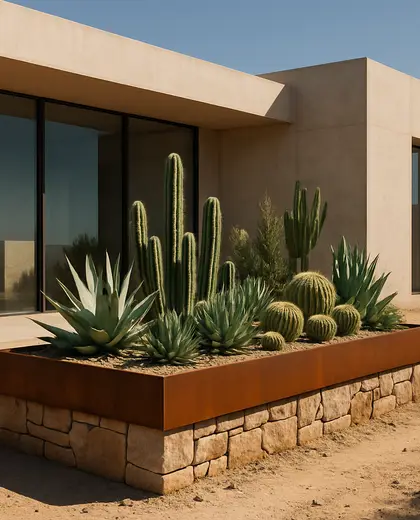
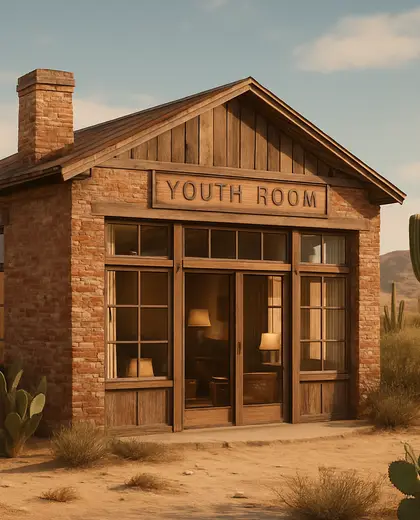
Rammed earth, stone, plaster, concrete, and weathering steel are common, often paired with limited timber for screens and ceilings.
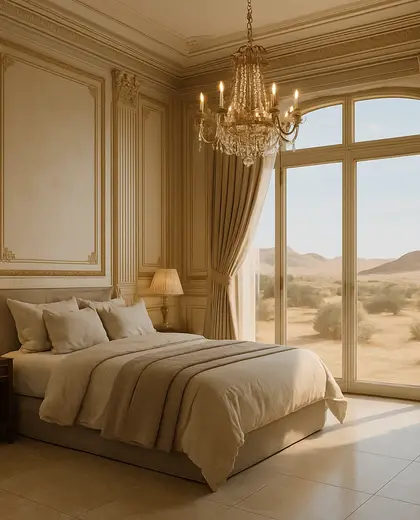
Warm neutrals dominate: beige, sand, clay, ochre, taupe, and charcoal details that sharpen the edges in bright light.
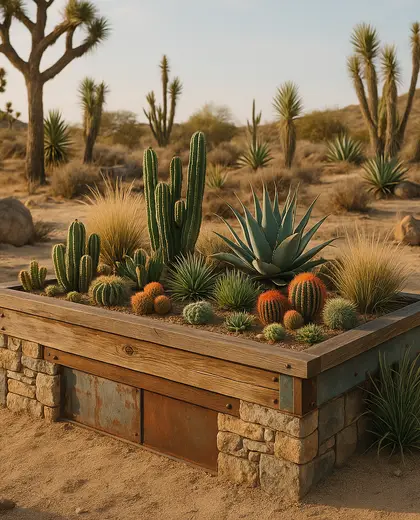
It works with courtyards, shaded terraces, screened facades, low-slung volumes, and landscape elements like gravel, native plants, and water basins.
— Professionals
Who has already built it
- gaurav chawlaarchitects · 19 projectsView profile →
- pavit ceramics pvt ltdceramic manufacturers · Ahmedabad · 2 projectsView profile →
- nikitha kumananinterior designers · 6 projectsView profile →
- Bristolfurniture sellers · Bangalore · 6 projectsView profile →
— Explore
Keep exploring
— Questions
Frequently asked questions
How do you keep a desert house comfortable without relying only on air conditioning?
The usual approach is to reduce heat gain first: orient openings carefully, add deep shade, use thermal mass, and create cross-ventilation through courtyards or breezeways.
What exterior finishes hold up best in desert conditions?
Mineral finishes and durable claddings tend to age better, such as stucco, stone, rammed earth, precast concrete, and metal systems designed for high sun and dust exposure.
Does a desert-inspired house have to look rustic?
No. It can be rustic, but it can also be very minimal and refined, as long as the form, shading, and material choices respond to the climate.