— Ideas & inspiration
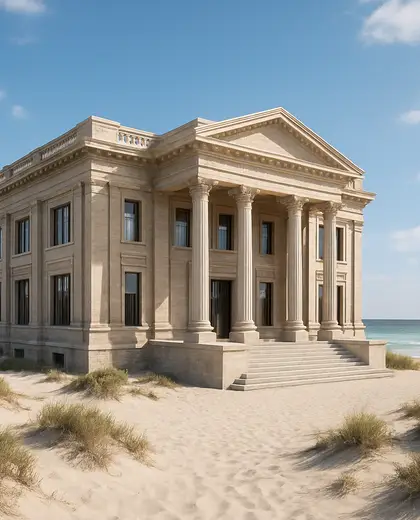
Neoclassical building with timeless proportions
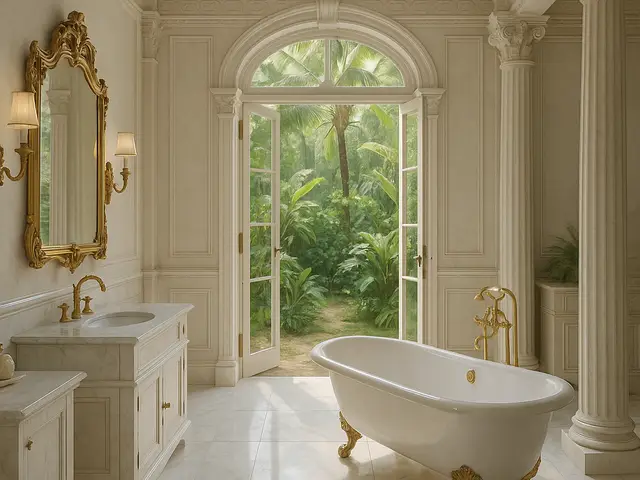
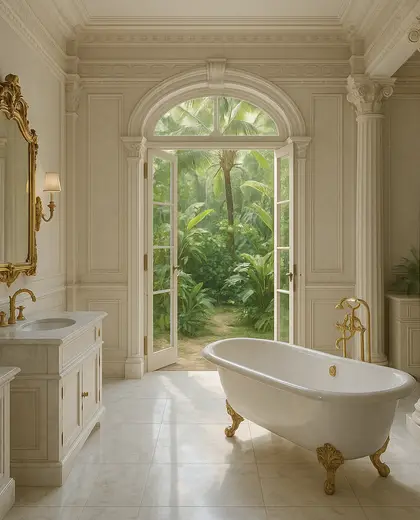
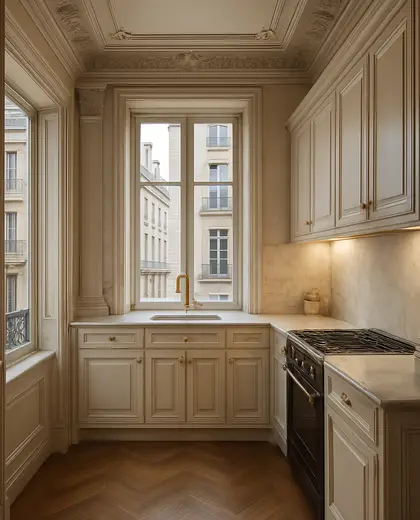
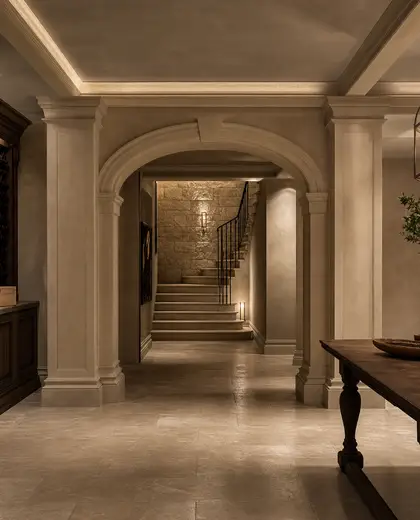
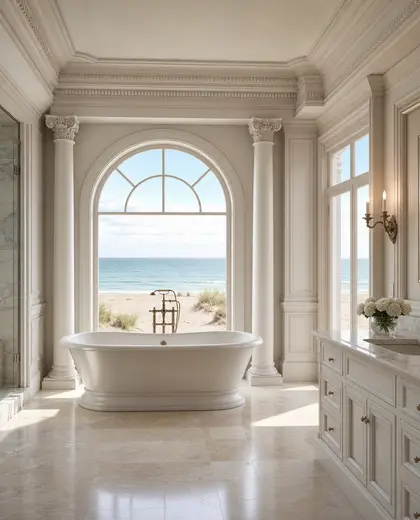
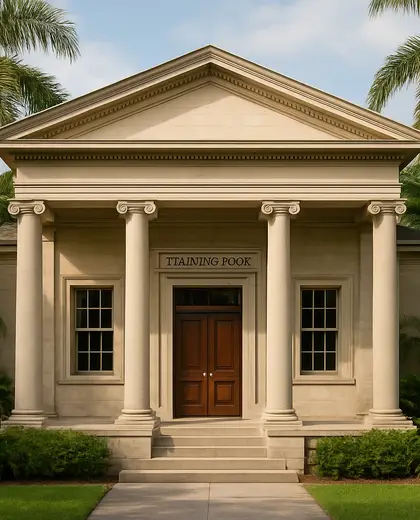
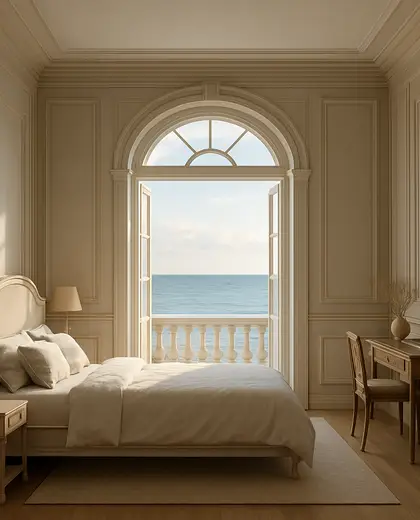
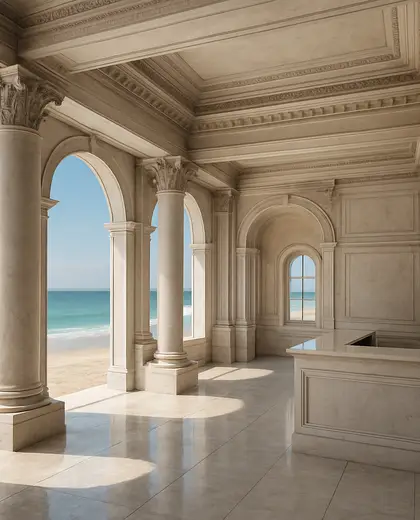
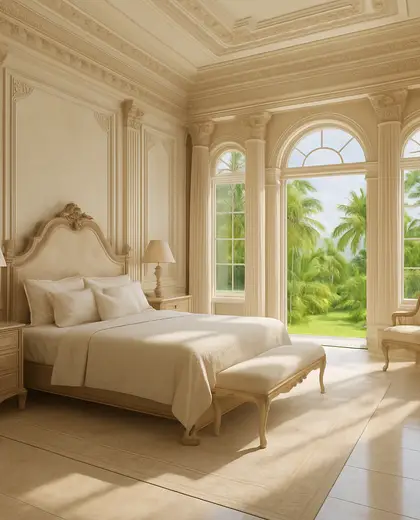
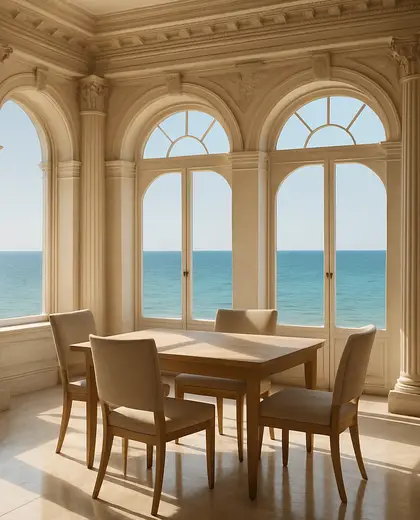
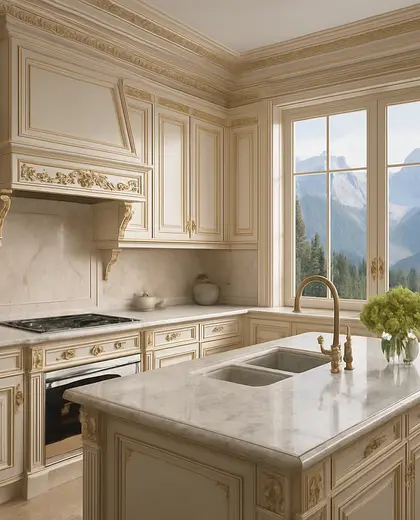
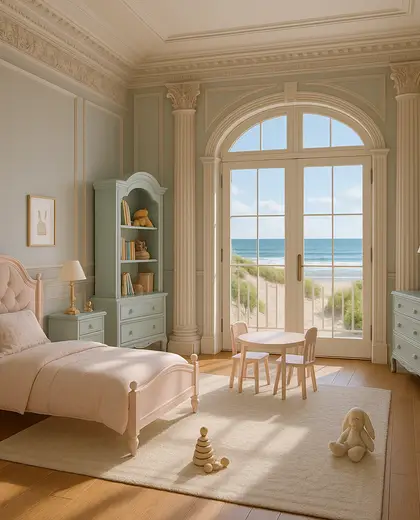
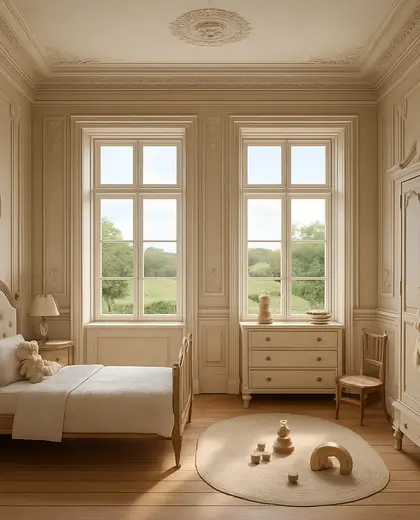
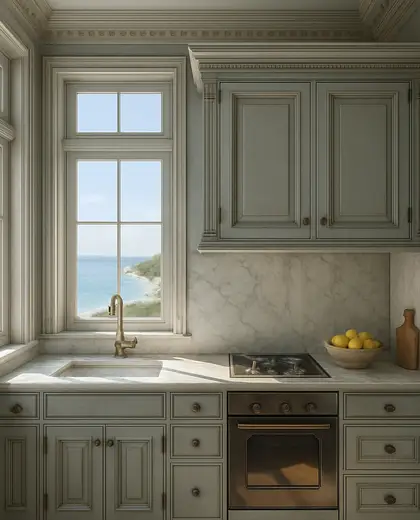
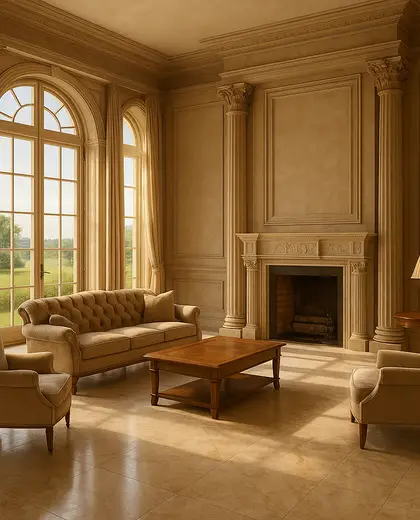
A neoclassical building is defined by symmetrical massing, classical proportions, and restrained ornament drawn from Greek and Roman precedents. Common materials include stone, stucco, plaster, and painted woodwork, often paired with tall windows, columns or pilasters, cornices, pediments, and formal entryways. The look is usually crisp and balanced rather than ornate, with details used to emphasize order and elegance.
- building
- neoclassical
— References
References to explore

Is neoclassical style only for large buildings?
No. It can be adapted to houses, apartment buildings, and civic spaces as long as the proportions and classical details stay balanced.


What features make a building read as neoclassical?
Symmetry, a formal central entrance, columns or pilasters, a strong cornice, and simple but classical ornament are the main signals.

Does neoclassical architecture need a very ornate finish?
Not necessarily. Many neoclassical buildings are relatively restrained, relying more on proportion, alignment, and clean detailing than on heavy decoration.




— The style
What defines it
Stone, stucco, plaster, painted wood, and sometimes cast metal details are common.
Soft whites, creams, warm grays, and muted earth tones are typical, often with dark accent trim.
This composition pairs well with symmetrical facades, columned porches, formal stairways, and classical moldings.
— Professionals
Who has already built it






- megha sharmaarchitects · Chandigarh · 5 projectsView profile →
- home interior decoratorscarpenters · Rampur · 3 projectsView profile →
- pavit ceramics pvt ltdceramic manufacturers · Ahmedabad · 2 projectsView profile →
- Bristolfurniture sellers · Bangalore · 6 projectsView profile →
— Explore
Keep exploring
— Questions
Frequently asked questions
Is neoclassical style only for large buildings?
No. It can be adapted to houses, apartment buildings, and civic spaces as long as the proportions and classical details stay balanced.
What features make a building read as neoclassical?
Symmetry, a formal central entrance, columns or pilasters, a strong cornice, and simple but classical ornament are the main signals.
Does neoclassical architecture need a very ornate finish?
Not necessarily. Many neoclassical buildings are relatively restrained, relying more on proportion, alignment, and clean detailing than on heavy decoration.