— Ideas & inspiration
Reception design
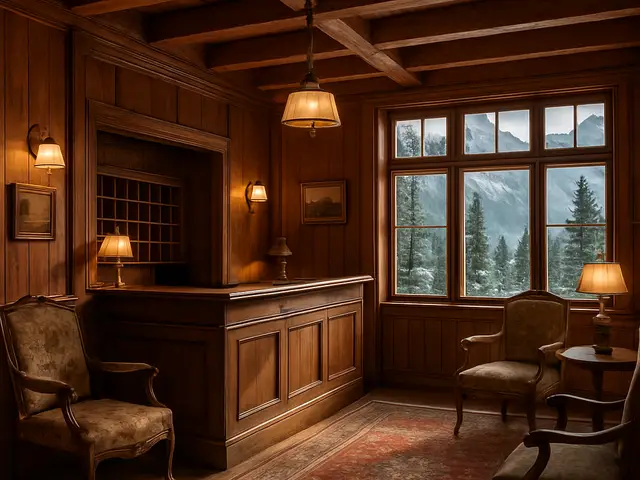
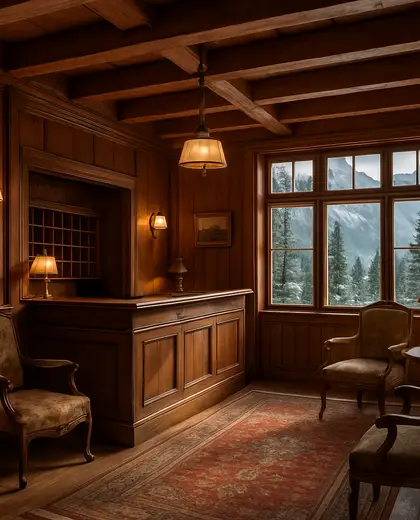
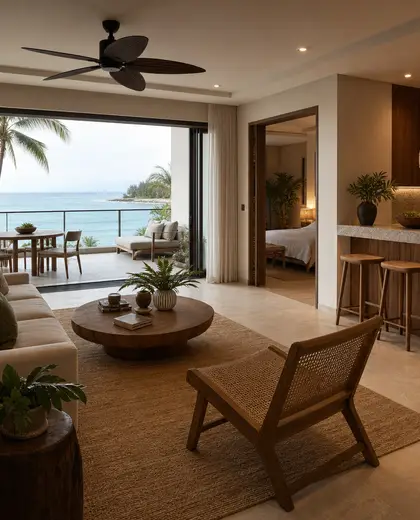
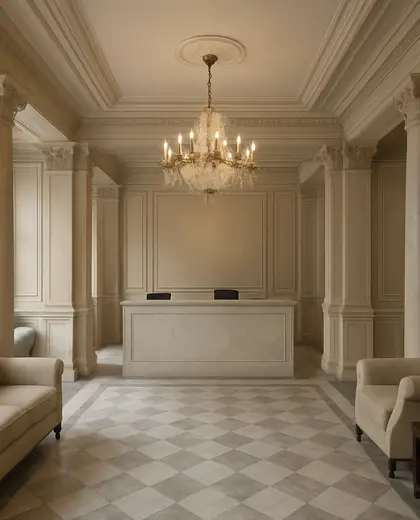
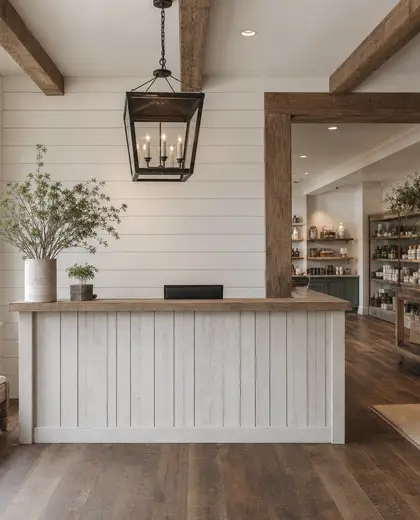
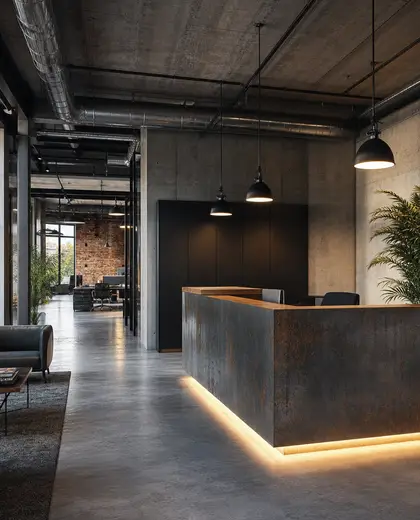
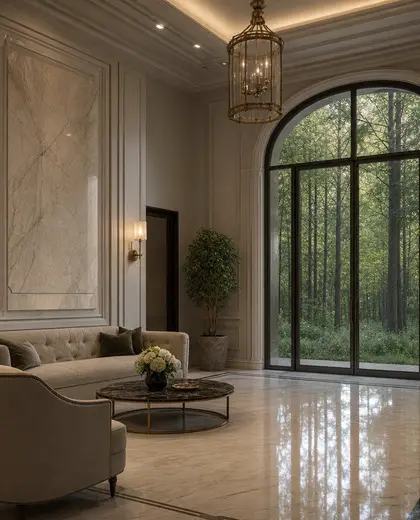
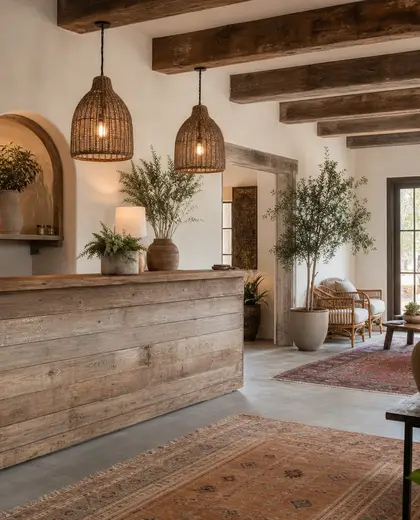
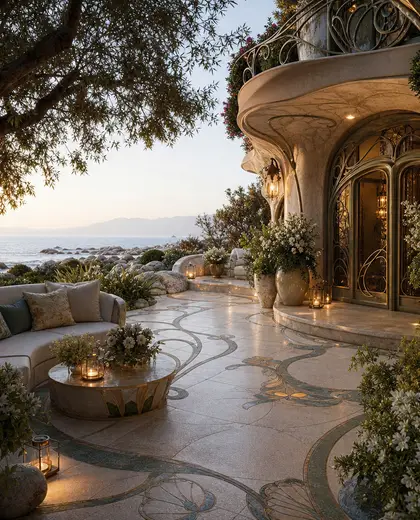
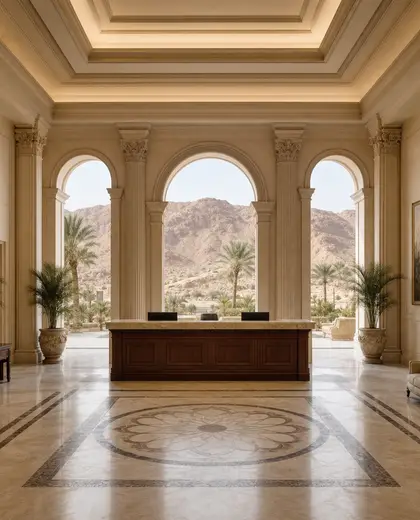
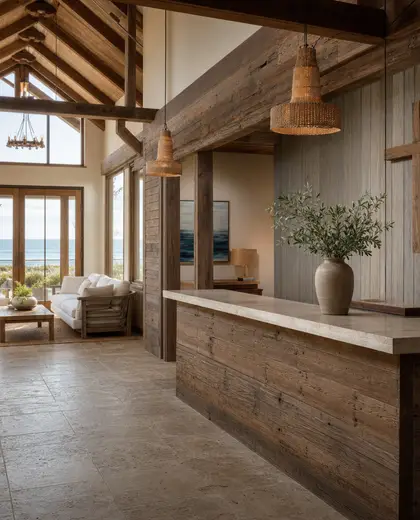
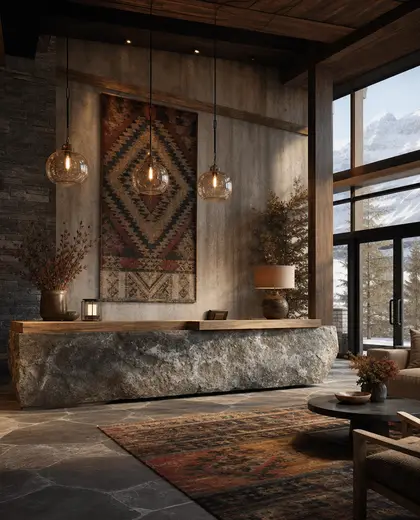
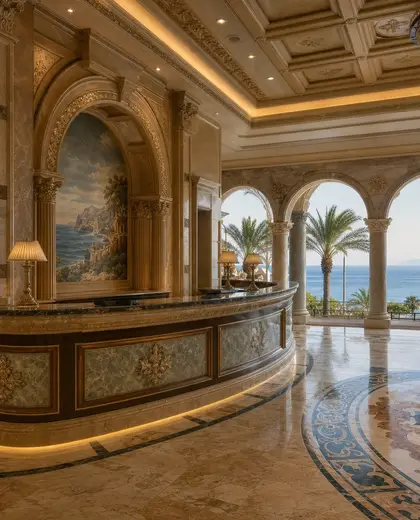
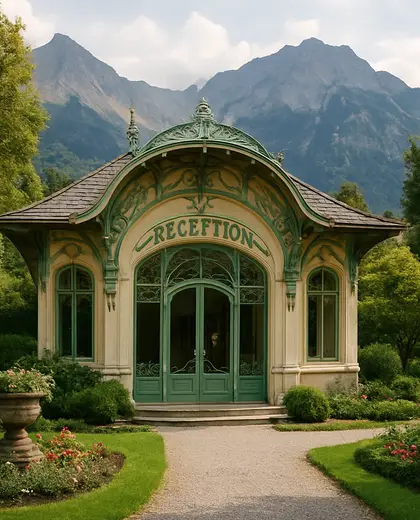
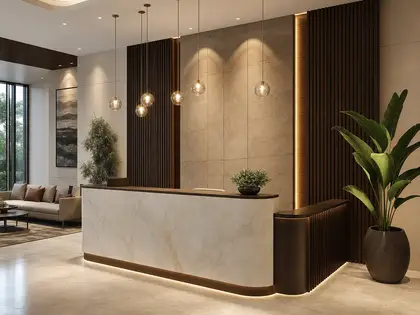
Reception design is typically built around a clear focal point such as a desk, wall paneling, or a feature backdrop, with durable finishes that handle daily use. Common materials include wood veneer, stone, metal, glass, and upholstered seating, often balanced with integrated lighting and storage. The palette usually stays restrained: neutrals, warm timber tones, black accents, and occasional brand color accents.
- reception
— References
References to explore
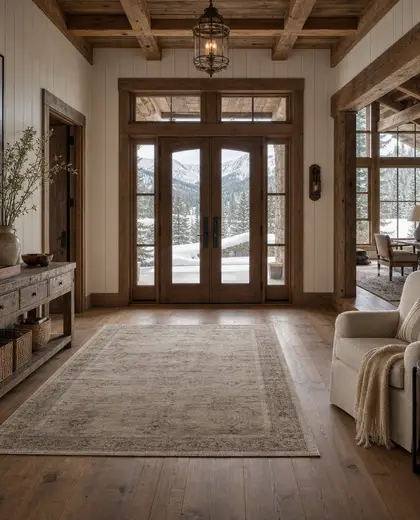
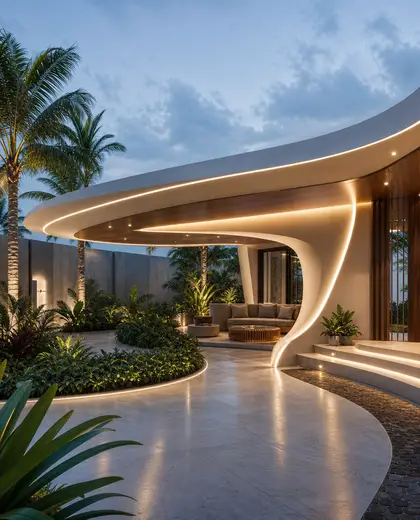
What makes a reception area different from a regular lobby?
A reception area usually has a defined check-in point, stronger wayfinding, and a more intentional front-of-house composition than a simple circulation space.
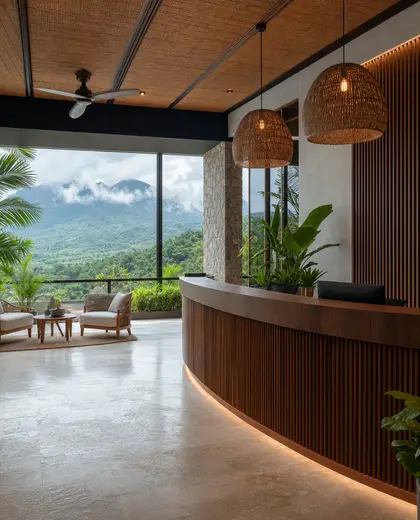
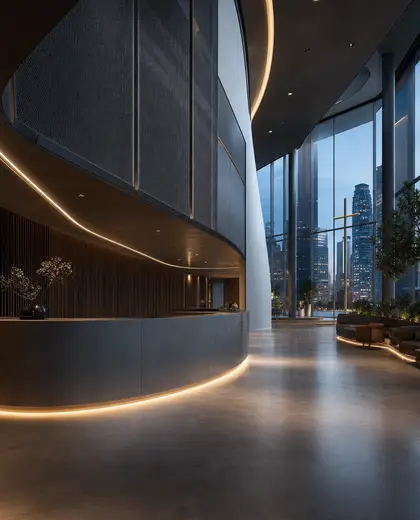
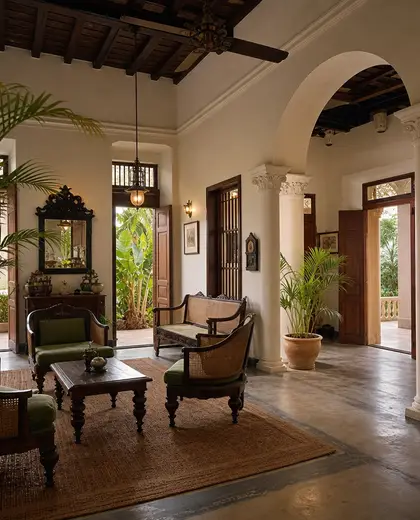
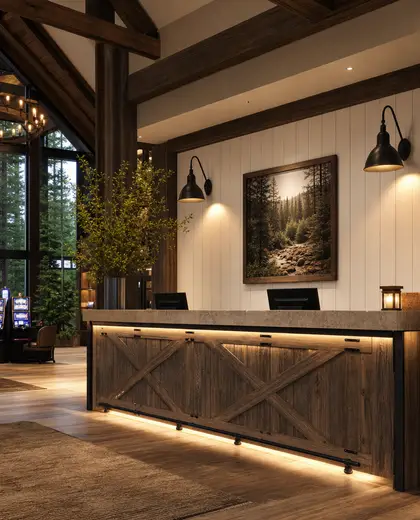
Which materials work best for a reception desk and backdrop?
Hardwearing materials like stone, laminate, wood veneer, metal, and compact panels are common because they combine visual clarity with daily durability.
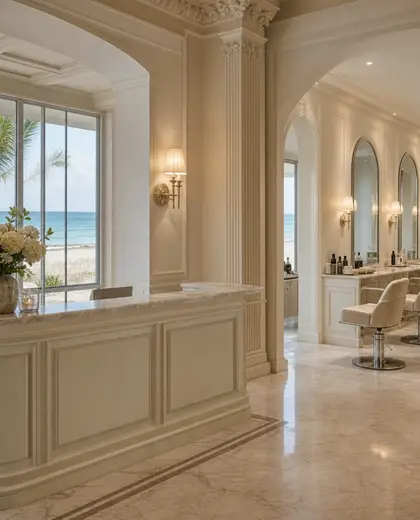
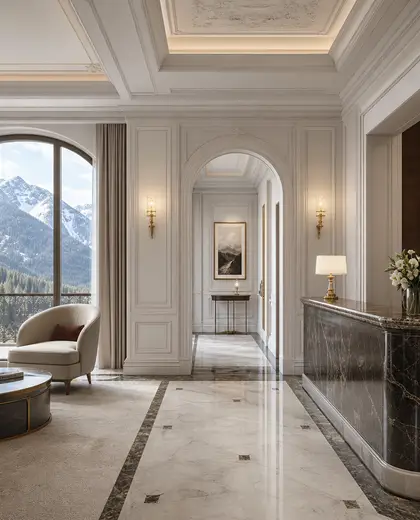
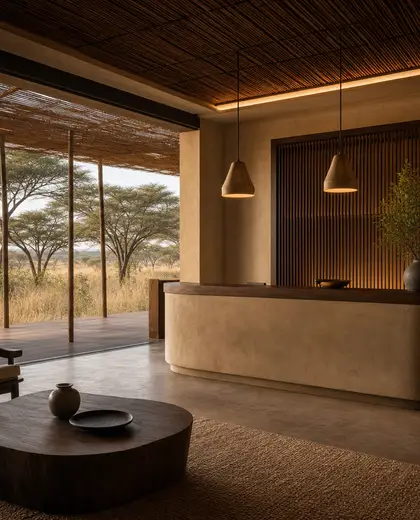
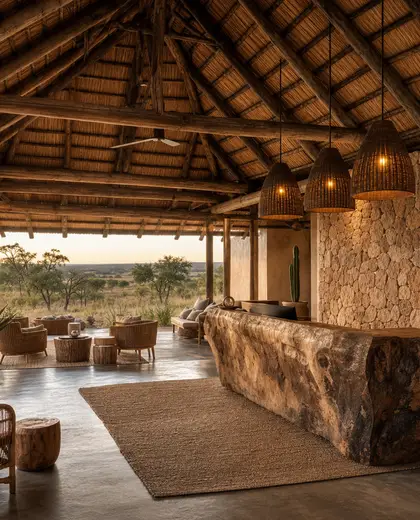
Can reception design feel warm without looking busy?
Yes. Warmth usually comes from timber, soft seating, textured finishes, and layered lighting, while the layout stays simple and visually controlled.
— The style
What defines it
Wood veneer, stone, metal framing, glass partitions, and easy-clean upholstery are common choices for reception areas.
Most receptions use neutral bases such as white, beige, grey, and timber tones, with darker details or a small accent color.
Reception design often pairs with signage, feature lighting, waiting seating, planters, acoustic panels, and concealed storage.
— Professionals
Who has already built it

- Bristolfurniture sellers · Bangalore · 6 projectsView profile →
- FurnitureRootsfurniture makers · Jodhpur · 6 projectsView profile →
- Bakajoiners · Chennai · 5 projectsView profile →
- Natural Veneersbuilding material distributors · Mumbai · 4 projectsView profile →
— Questions
Frequently asked questions
What makes a reception area different from a regular lobby?
A reception area usually has a defined check-in point, stronger wayfinding, and a more intentional front-of-house composition than a simple circulation space.
Which materials work best for a reception desk and backdrop?
Hardwearing materials like stone, laminate, wood veneer, metal, and compact panels are common because they combine visual clarity with daily durability.
Can reception design feel warm without looking busy?
Yes. Warmth usually comes from timber, soft seating, textured finishes, and layered lighting, while the layout stays simple and visually controlled.