— Ideas & inspiration
Raised Garden Bed
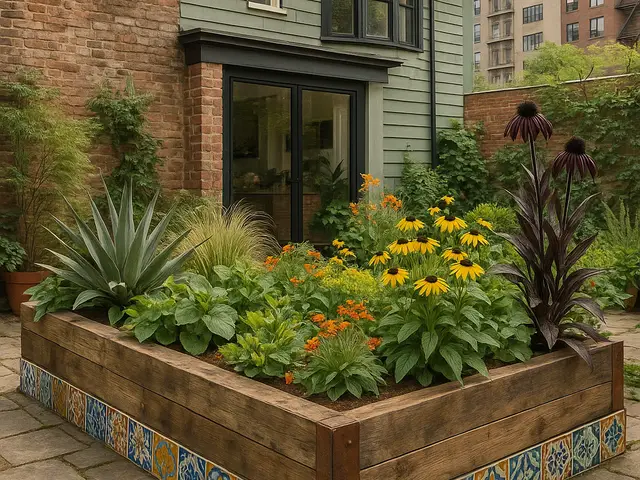
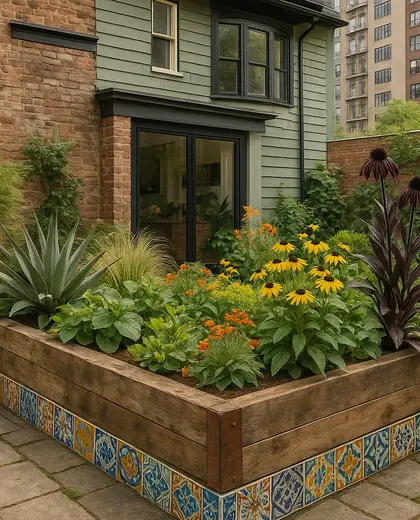
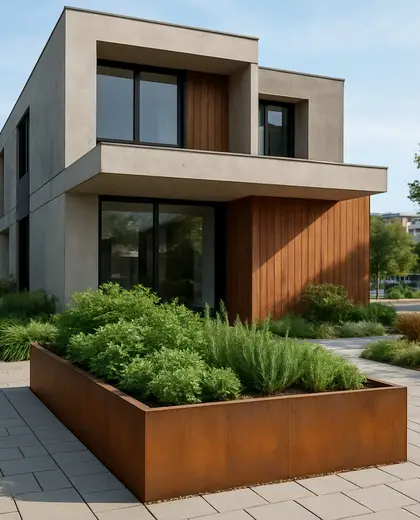
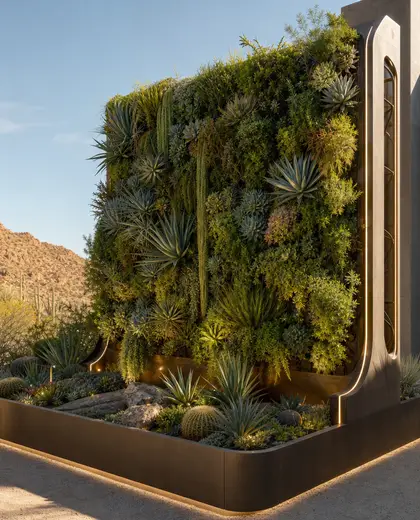
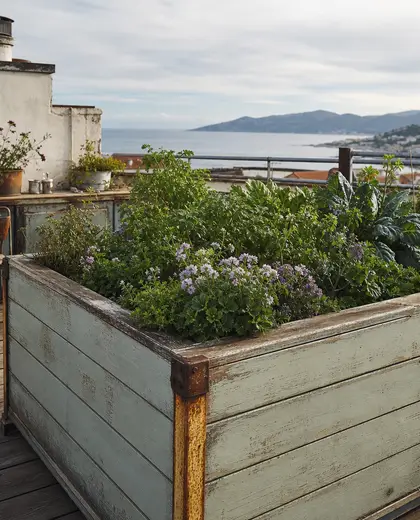
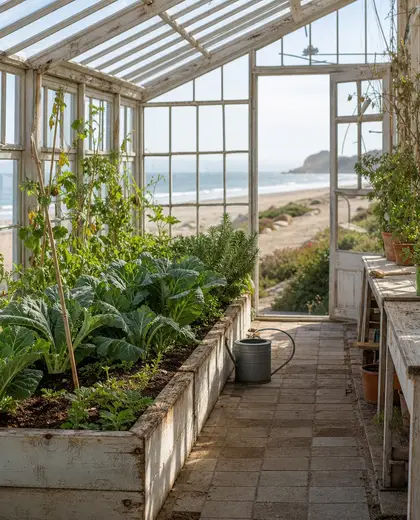
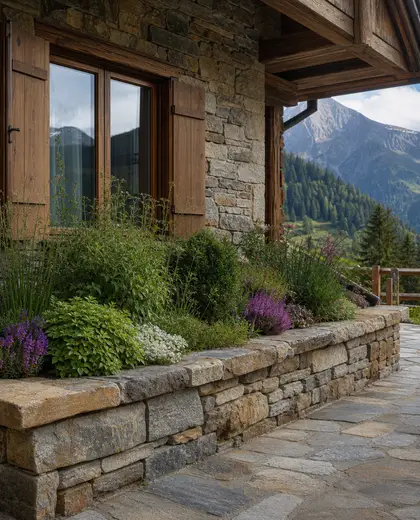
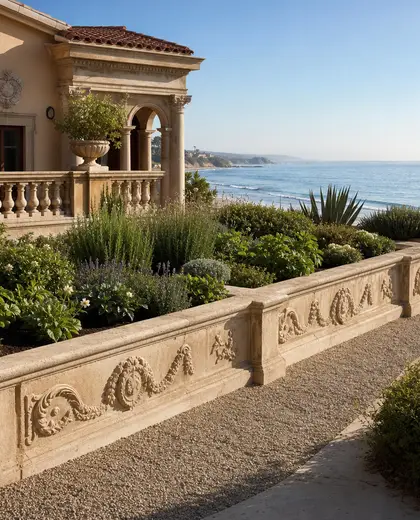
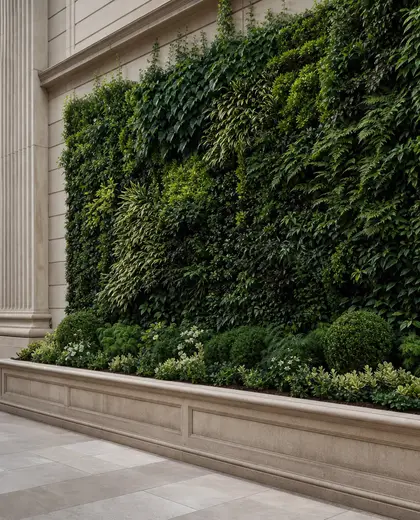
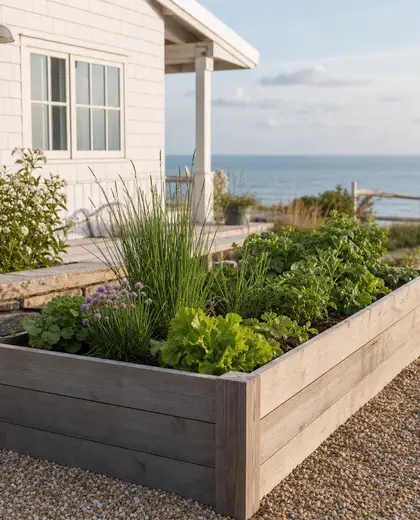
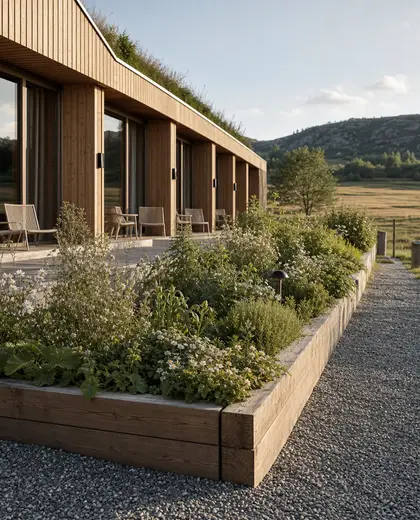
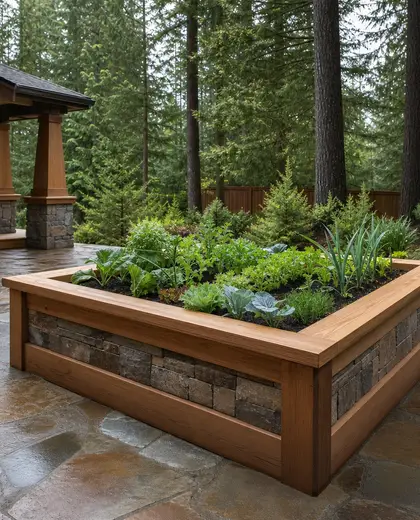
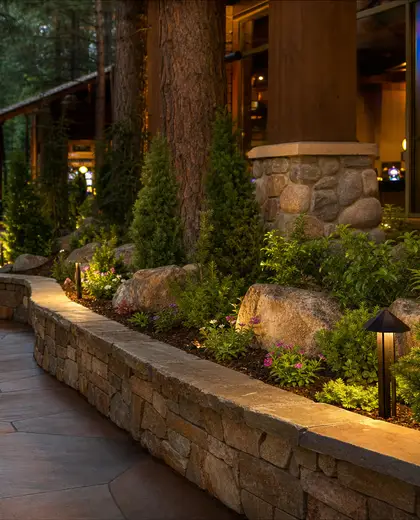
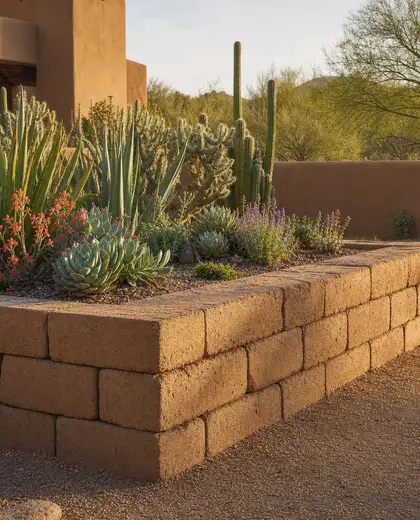
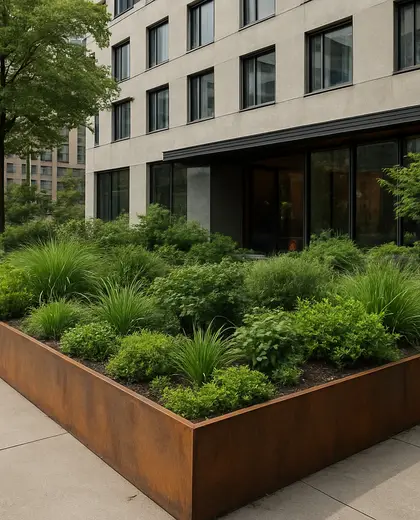
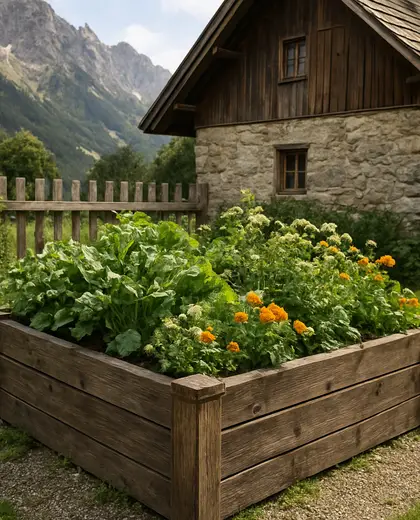
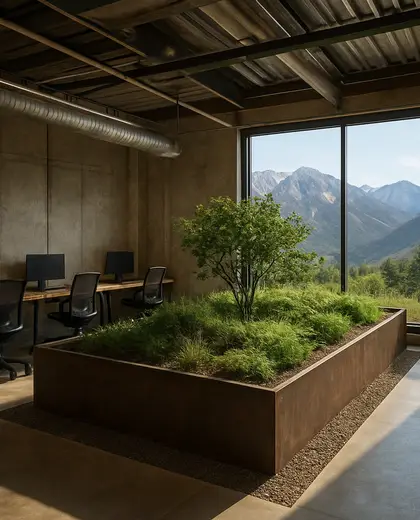
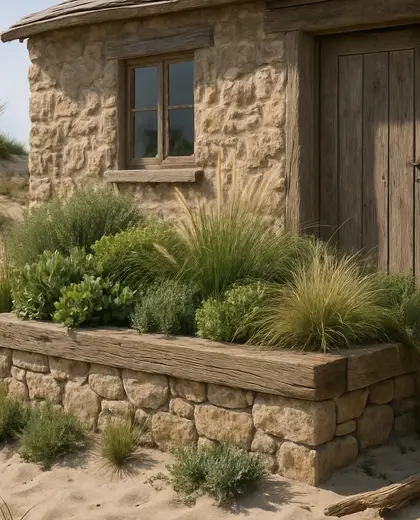
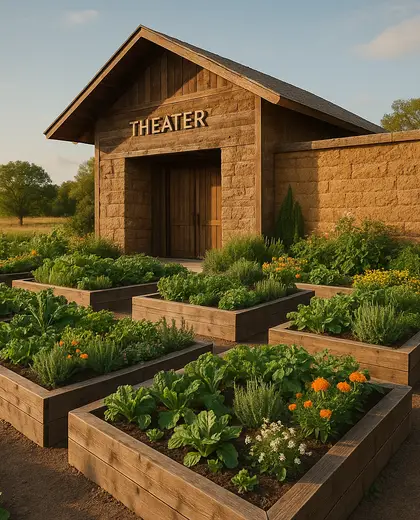
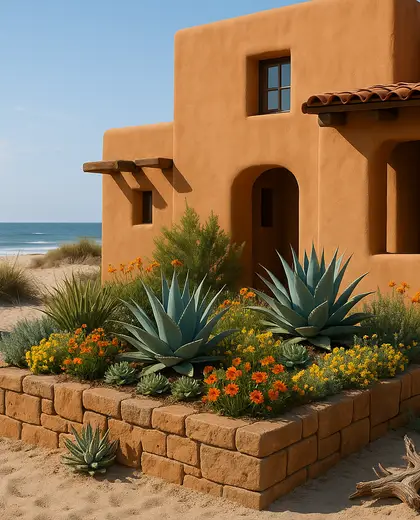
A raised garden bed is defined by a contained planting structure lifted above grade, usually framed in wood, stone, concrete, brick, or metal. It holds soil in a clear rectangular or curved form and often includes visible edges, cap pieces, or corner joints. The composition is usually simple and earthy, with the planting surface and retaining border doing most of the visual work.
- raised garden bed
— References
References to explore

What makes a raised garden bed different from an in-ground garden?
It sits above the surrounding grade and is held by a border, so the soil level is raised and clearly contained.
Which material is best for a raised garden bed?
Wood is common for a warm, casual look, while stone, brick, or metal give a more durable and structured appearance. The best choice depends on the style of the yard and how long you want the bed to last.


Can raised garden beds work in small yards?
Yes. Narrow or modular beds can fit along fences, patios, or side yards, and they help organize planting without using much ground area.


— The style
What defines it
Common choices include cedar, pressure-treated timber, corten steel, galvanized steel, brick, concrete block, and natural stone.
The look is typically grounded and natural: weathered browns, gray stone tones, muted greens, and dark metal finishes.
Raised beds pair well with gravel paths, pavers, patio edges, lawn borders, fences, and outdoor seating areas.
— Professionals
Who has already built it
- megha sharmaarchitects · Chandigarh · 8 projectsView profile →
- home interior decoratorscarpenters · Rampur · 3 projectsView profile →
- pavit ceramics pvt ltdceramic manufacturers · Ahmedabad · 2 projectsView profile →
- nikitha kumananinterior designers · 6 projectsView profile →
— Questions
Frequently asked questions
What makes a raised garden bed different from an in-ground garden?
It sits above the surrounding grade and is held by a border, so the soil level is raised and clearly contained.
Which material is best for a raised garden bed?
Wood is common for a warm, casual look, while stone, brick, or metal give a more durable and structured appearance. The best choice depends on the style of the yard and how long you want the bed to last.
Can raised garden beds work in small yards?
Yes. Narrow or modular beds can fit along fences, patios, or side yards, and they help organize planting without using much ground area.