— Ideas & inspiration
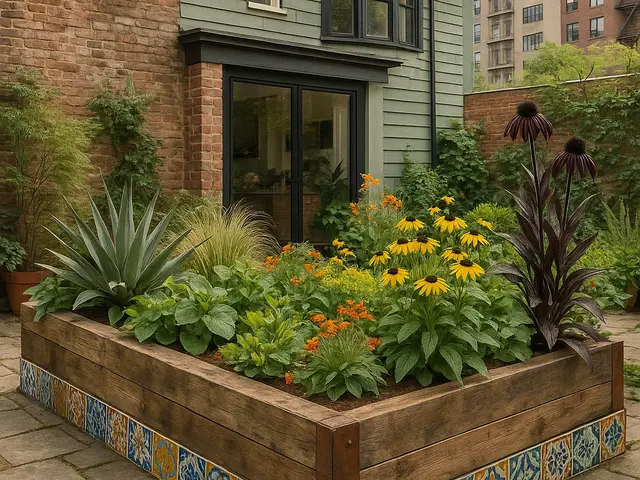
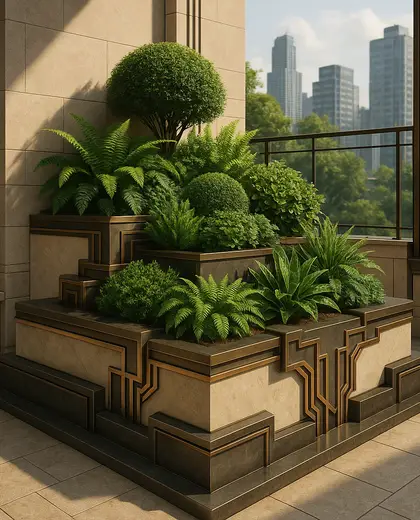
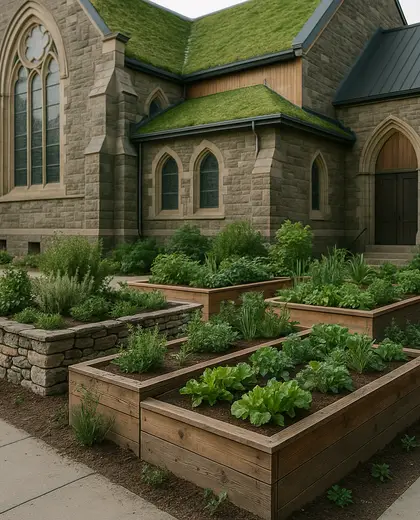
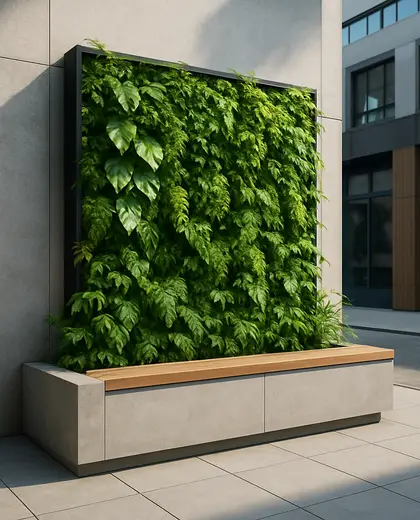
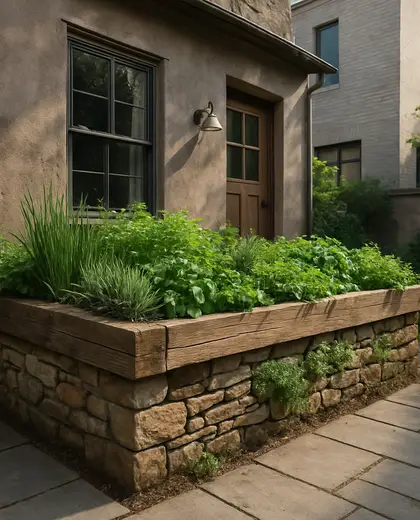
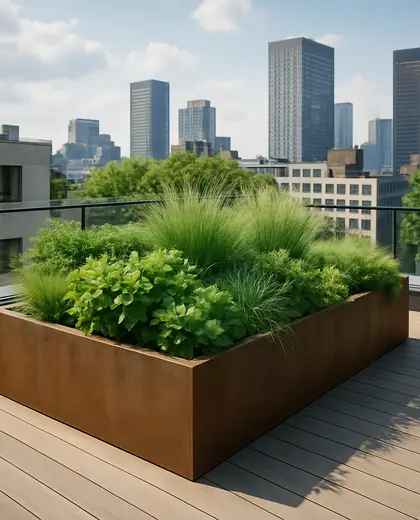
Urban calm in a raised garden bed
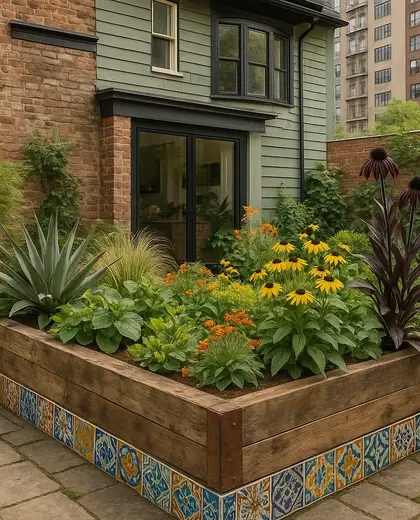
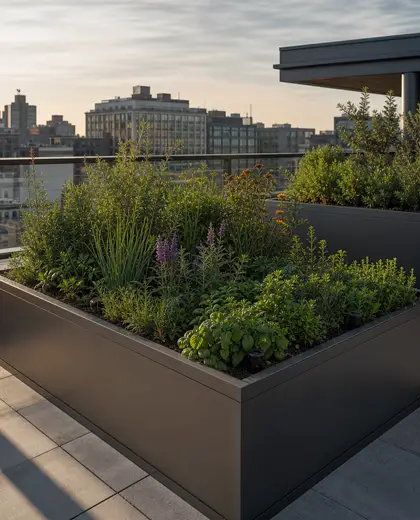
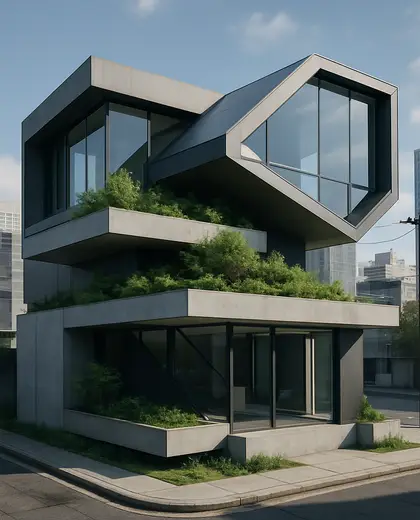
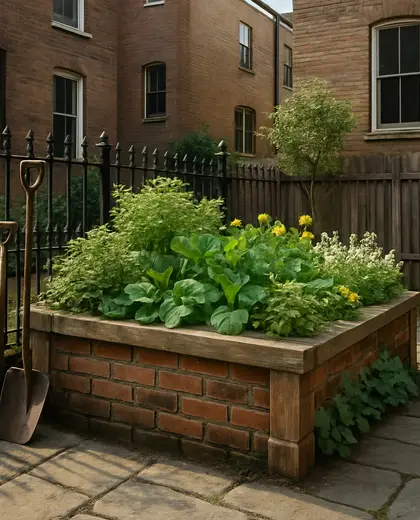
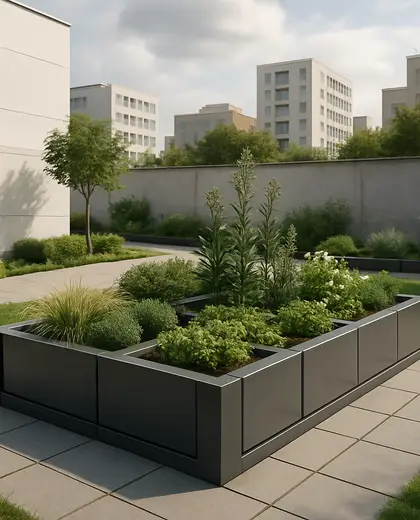
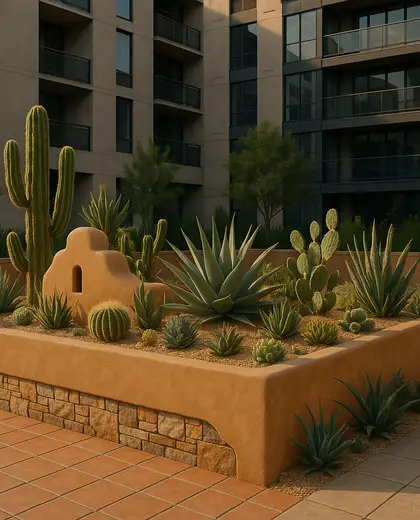
This composition is defined by a raised planting structure adapted to compact city spaces, usually built in timber, corten steel, brick, or concrete. It often uses a restrained palette of greens, grays, weathered metal, and natural wood tones, with clean edges, organized planting, and paths or hardscape that fit terraces, courtyards, rooftops, or narrow yards.
- raised garden bed
- urban
— References
References to explore
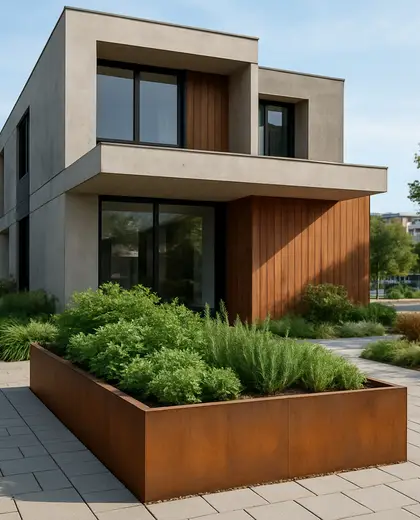
Is a raised garden bed suitable for a small urban yard or rooftop?
Yes. Raised beds are often used where ground soil is limited or poor, and they help organize planting in compact spaces. On rooftops or terraces, structural support and waterproofing need to be checked first.
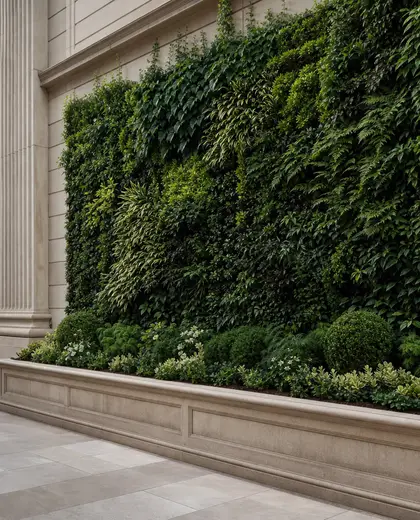
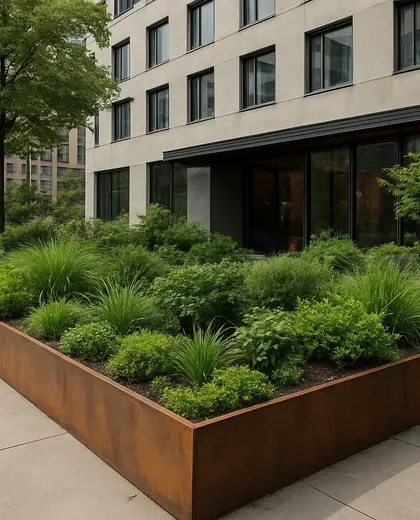
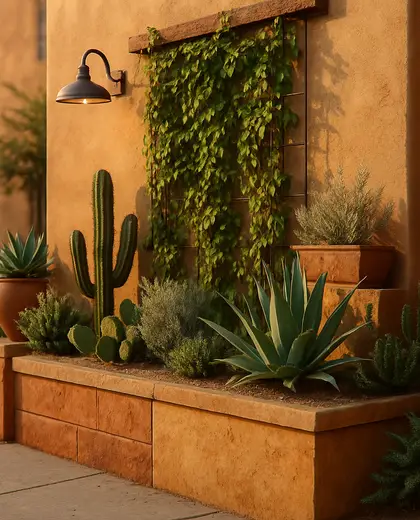

What plants work best in an urban raised garden bed?
Herbs, salad greens, compact vegetables, grasses, and resilient perennials are common choices. In brighter city spaces, you can also use small shrubs or flowering plants if depth and drainage are adequate.
How do you keep the look from feeling too utilitarian?
Use consistent materials, repeated planting shapes, and a limited color palette. Adding timber seating, integrated lighting, and a few softer plant textures helps the bed feel designed rather than purely functional.
— The style
What defines it
Timber, corten steel, brick, concrete, stone, and metal edging are common, chosen for durability and a crisp built form.
Muted greens, earthy browns, charcoal, terracotta, and soft grays keep the look grounded and urban.
Often paired with paving, seating, privacy screens, planters, lighting, and compact outdoor dining or lounge areas.
— Professionals
Who has already built it
- the achievers archsmart home professionals · Delhi · 1 projectsView profile →
- ar prerna modiarchitects · 6 projectsView profile →
- home interior decoratorscarpenters · Rampur · 3 projectsView profile →
- swayam eppakayalainterior designers · Mumbai · 6 projectsView profile →
— Explore
Keep exploring
— Questions
Frequently asked questions
Is a raised garden bed suitable for a small urban yard or rooftop?
Yes. Raised beds are often used where ground soil is limited or poor, and they help organize planting in compact spaces. On rooftops or terraces, structural support and waterproofing need to be checked first.
What plants work best in an urban raised garden bed?
Herbs, salad greens, compact vegetables, grasses, and resilient perennials are common choices. In brighter city spaces, you can also use small shrubs or flowering plants if depth and drainage are adequate.
How do you keep the look from feeling too utilitarian?
Use consistent materials, repeated planting shapes, and a limited color palette. Adding timber seating, integrated lighting, and a few softer plant textures helps the bed feel designed rather than purely functional.