— Ideas & inspiration
Ocean light on the facade
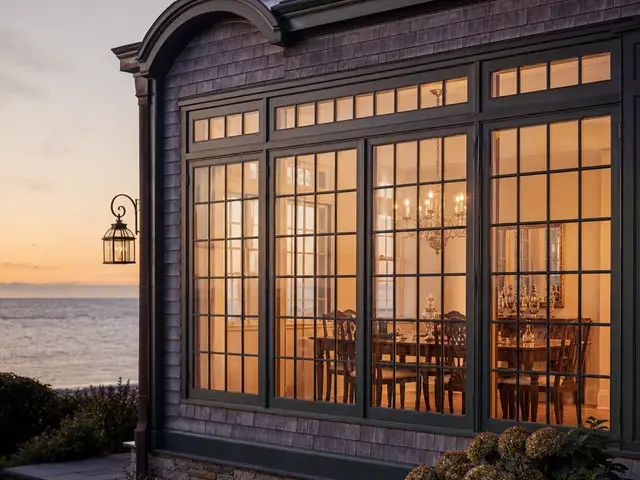
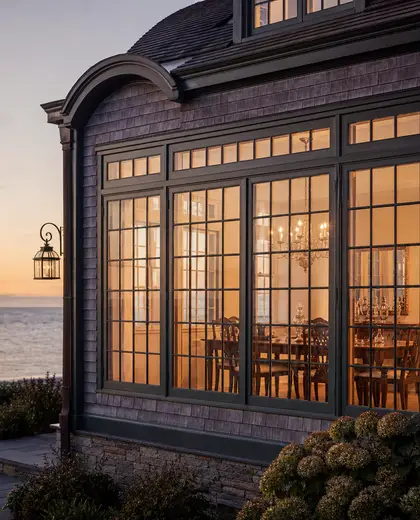
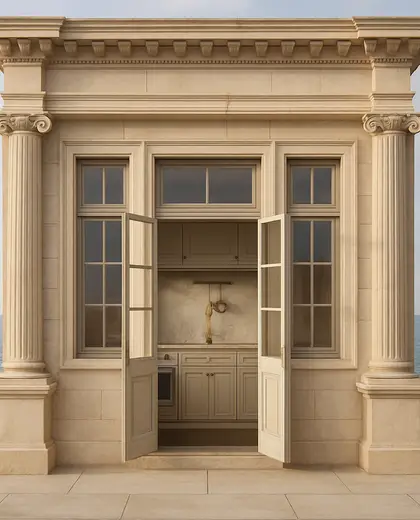
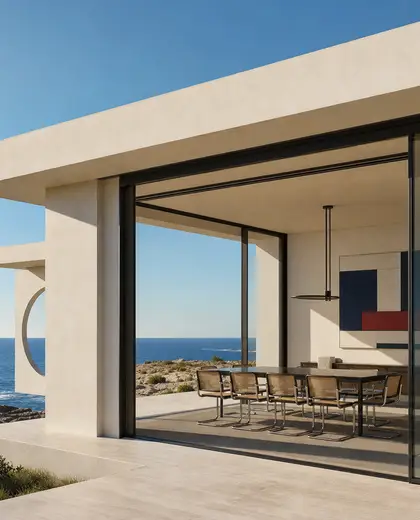
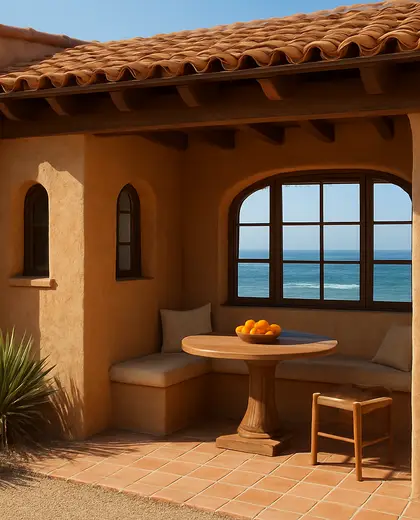
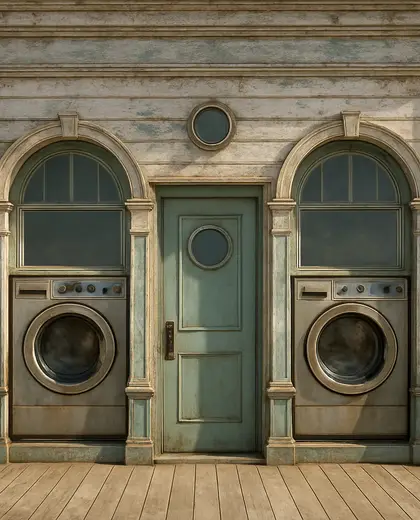
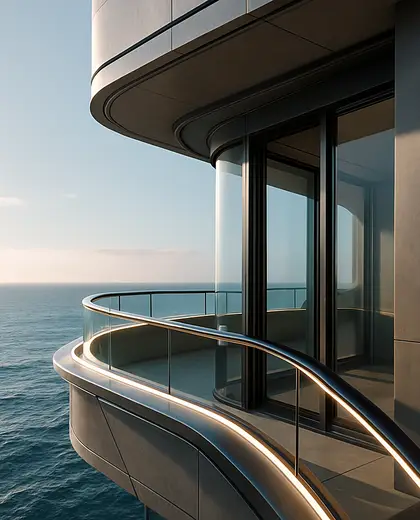
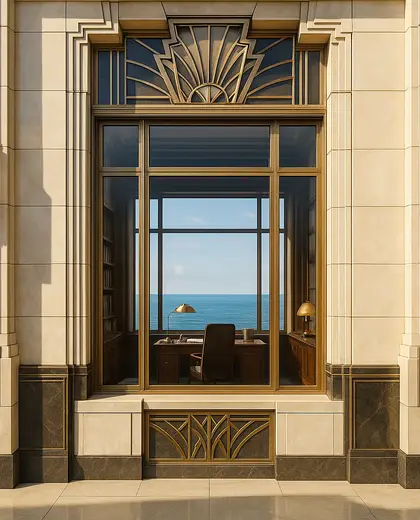
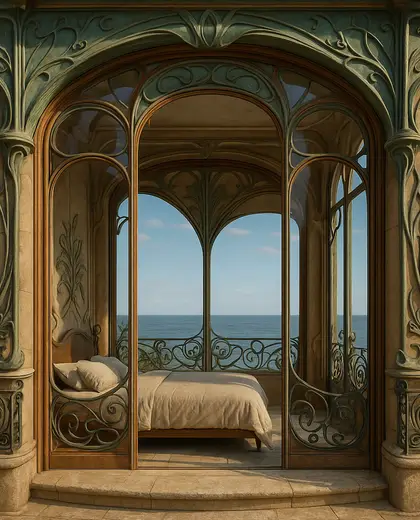
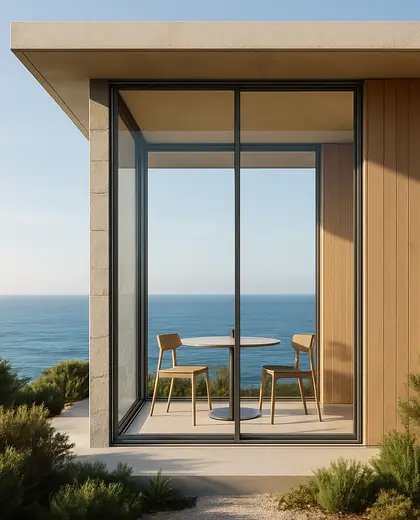
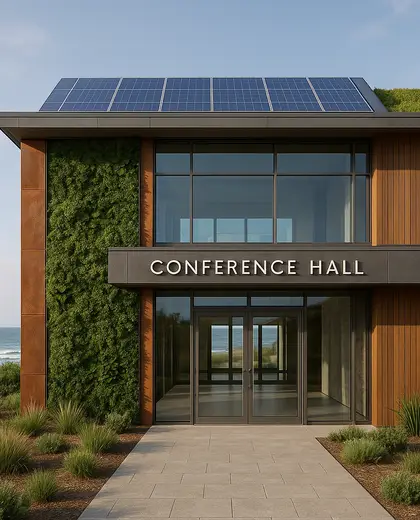
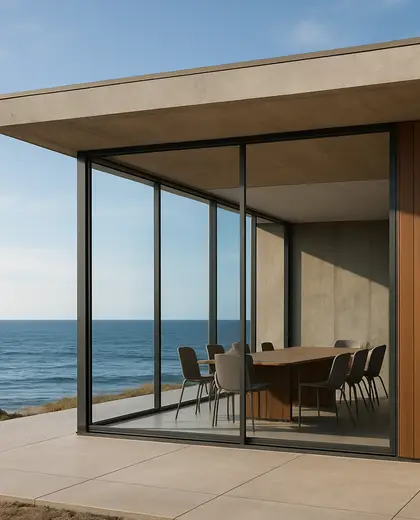
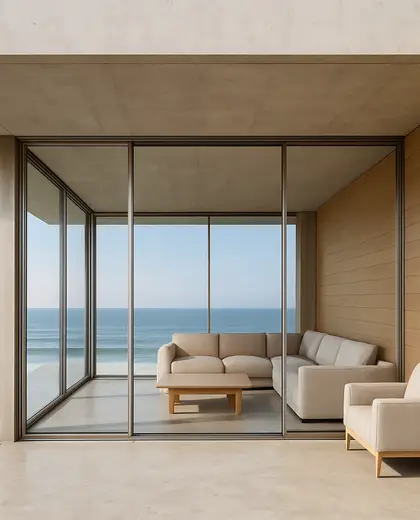
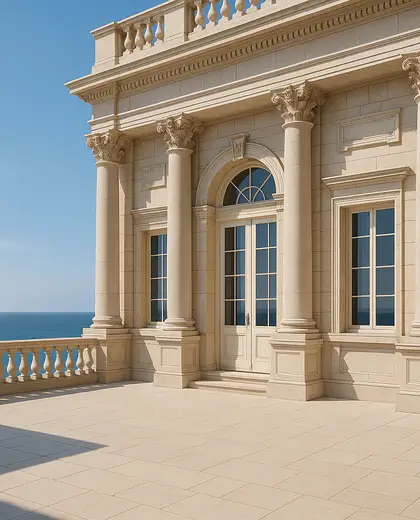
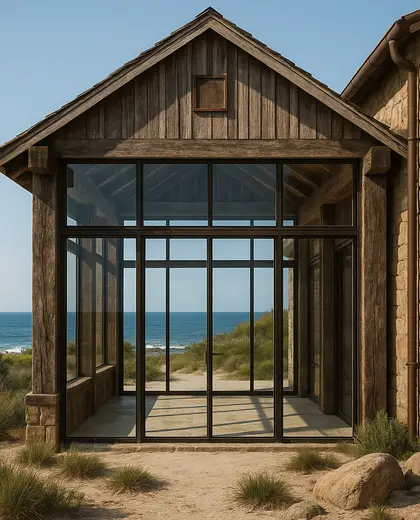
This composition is defined by a facade shaped by marine influence: pale stone, weathered timber, glass, and metal details that reflect the coastal setting. The palette usually leans into white, sand, blue-gray, and sun-faded neutrals, with openings, overhangs, and textured surfaces that soften the building mass. It combines architecture with the atmosphere of the sea, bringing light, breeze, and horizon lines into the exterior expression.
- facade
- ocean
— References
References to explore
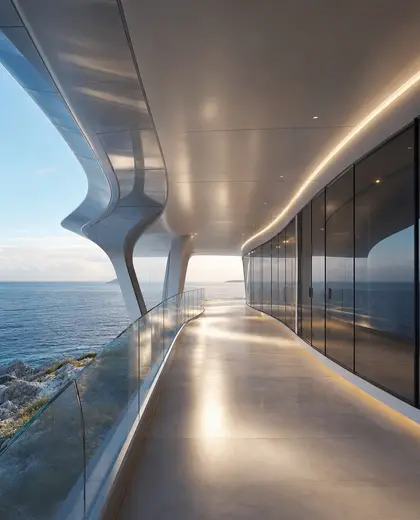
How do you make a facade feel ocean-inspired without being too literal?
Use coastal materials, bright natural light, and a restrained palette rather than obvious nautical symbols. Subtle references like horizontal lines, soft textures, and breezy openings usually feel more architectural.
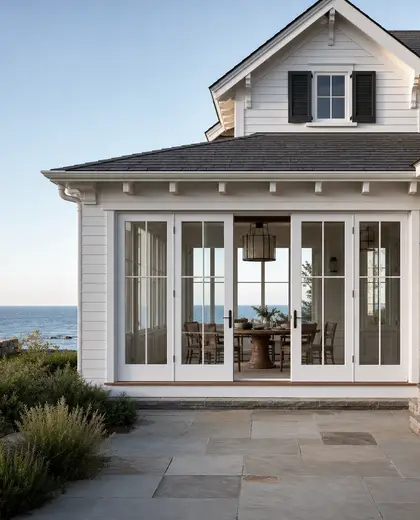
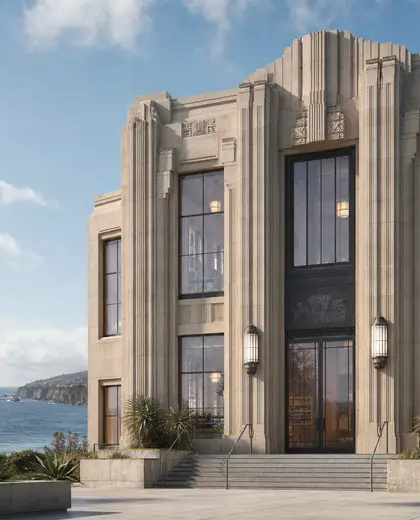
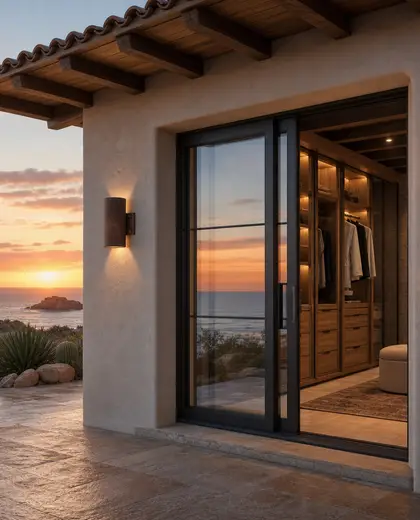
What materials hold up best on a ocean-facing facade?
Choose finishes that resist moisture, salt, and UV exposure, such as treated timber, stone, high-performance glass, and marine-grade metal. Details and maintenance matter as much as the material selection.
Will an ocean-inspired facade work on a home far from the coast?
Yes, if you focus on the feeling rather than the location. Pale colors, airy proportions, and natural textures can bring the same calm, light-filled character inland.
— The style
What defines it
Stone, timber, glass, plaster, and corrosion-resistant metal finishes work well for a coastal facade.
White, sand, sea blue, gray, and muted natural tones echo water, sky, and shoreline textures.
This look pairs a facade with ocean views, coastal light, and relaxed, wind-shaped exterior forms.
— Professionals
Who has already built it
- mohammed ajmal briskhanarchitects · Chennai · 6 projectsView profile →
- the achievers archsmart home professionals · Delhi · 1 projectsView profile →
- home interior decoratorscarpenters · Rampur · 3 projectsView profile →
- pavit ceramics pvt ltdceramic manufacturers · Ahmedabad · 2 projectsView profile →
— Explore
Keep exploring
— Questions
Frequently asked questions
How do you make a facade feel ocean-inspired without being too literal?
Use coastal materials, bright natural light, and a restrained palette rather than obvious nautical symbols. Subtle references like horizontal lines, soft textures, and breezy openings usually feel more architectural.
What materials hold up best on a ocean-facing facade?
Choose finishes that resist moisture, salt, and UV exposure, such as treated timber, stone, high-performance glass, and marine-grade metal. Details and maintenance matter as much as the material selection.
Will an ocean-inspired facade work on a home far from the coast?
Yes, if you focus on the feeling rather than the location. Pale colors, airy proportions, and natural textures can bring the same calm, light-filled character inland.