— Ideas & inspiration
Quiet lines in the desert light
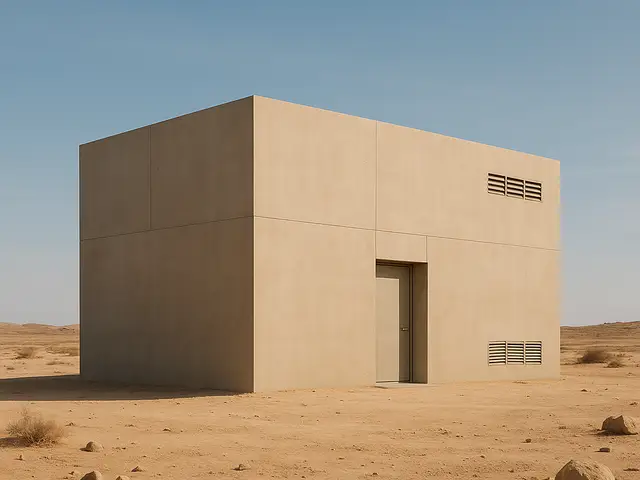
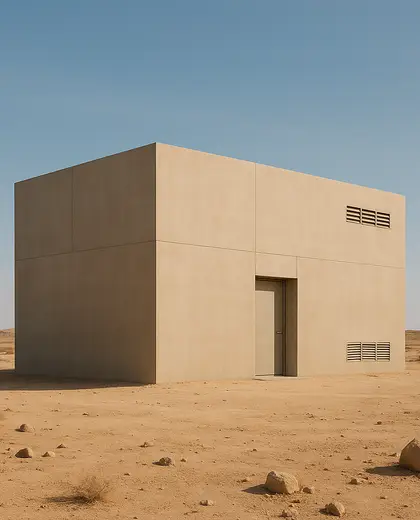
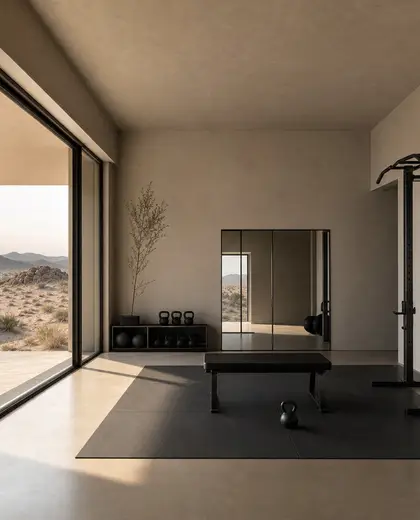
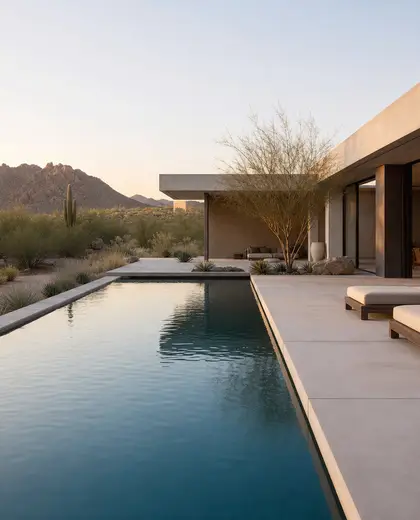
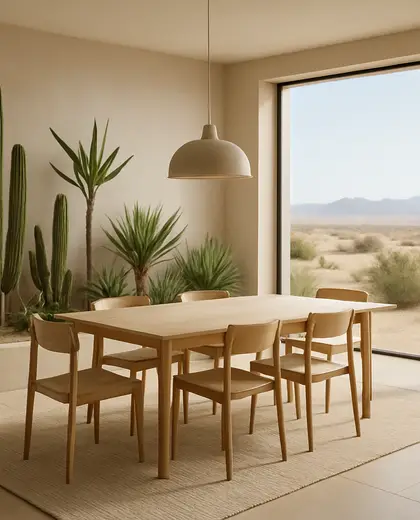
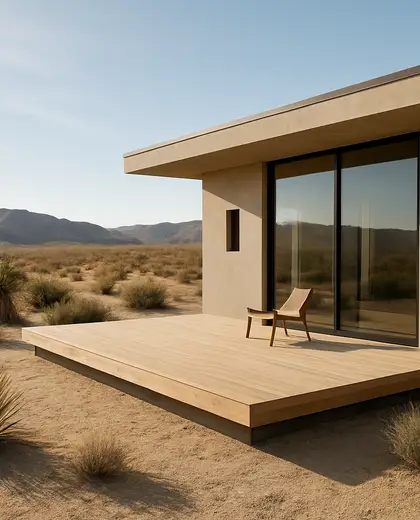
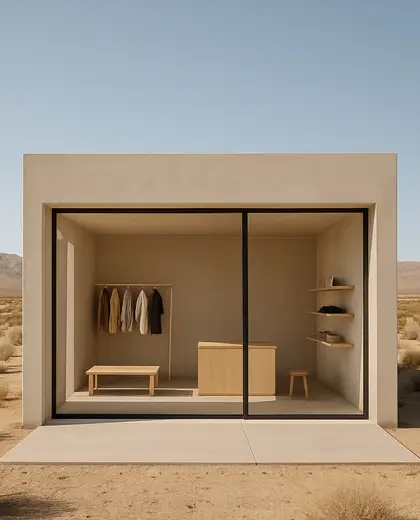
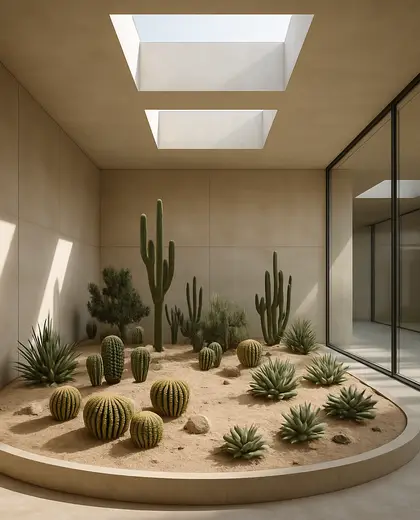
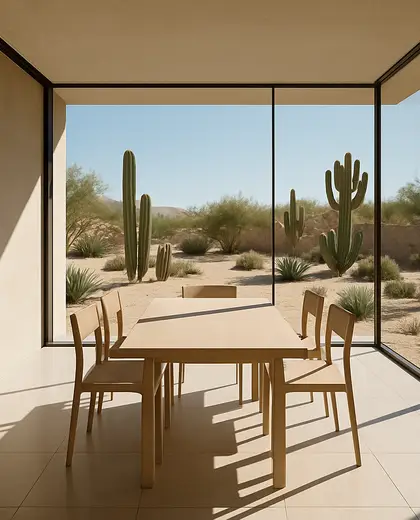
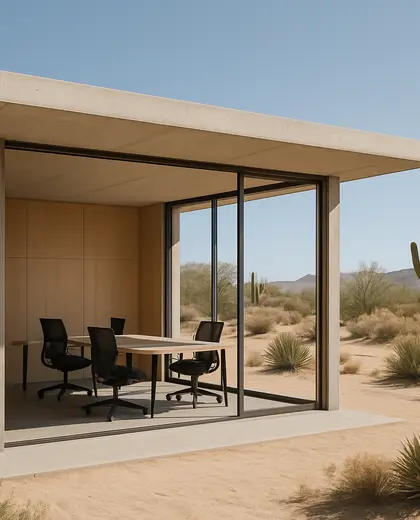
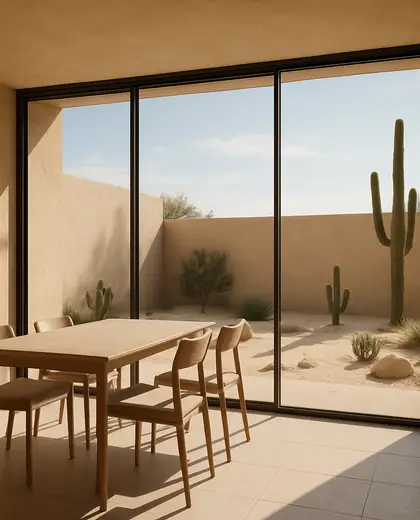
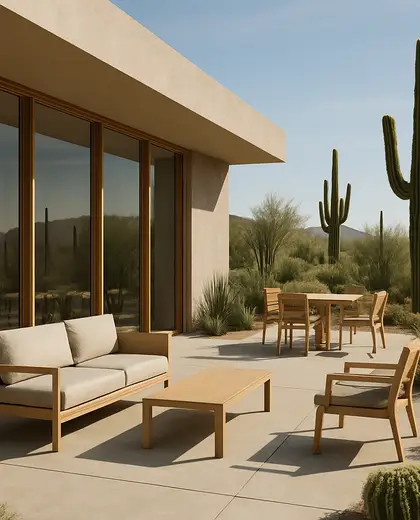
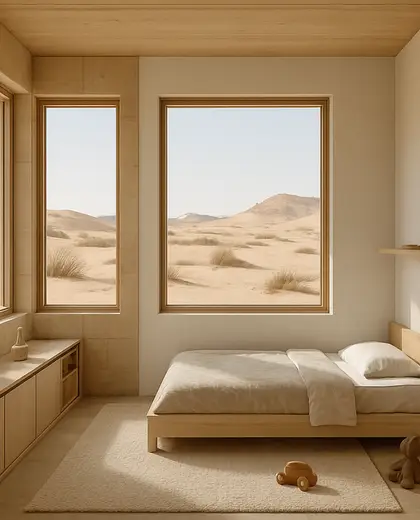
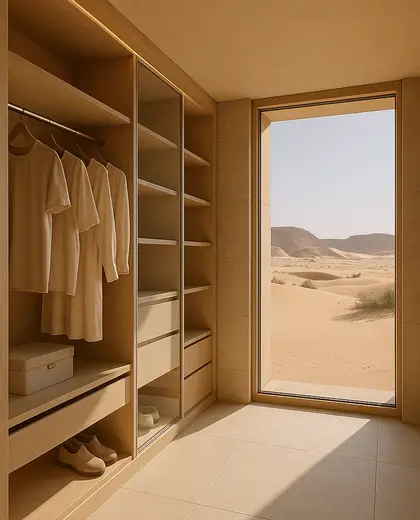
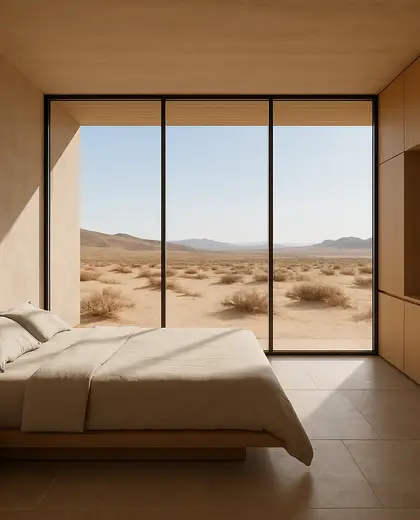
Minimalist desert architecture is defined by simple volumes, low profiles, and a restrained use of materials that age well in dry climates. Common choices include stucco, concrete, rammed earth, stone, steel, and warm wood, paired with deep shade, courtyards, and large openings to frame the landscape. The palette stays sandy, earthy, and sun-washed, with very few decorative details.
- minimalist
- desert
— References
References to explore
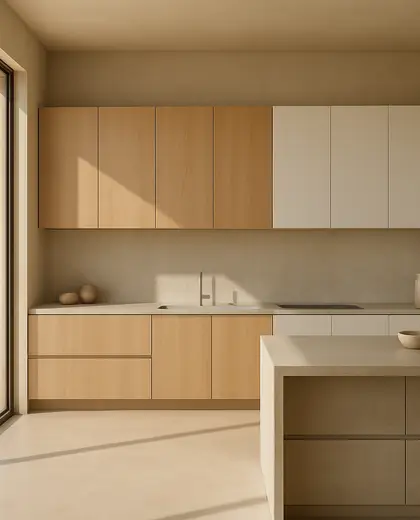
Will this style feel too stark in a home?
It can if the finishes are too cold, but desert minimalism usually feels softer when earthy materials, textured plaster, and wood are included.
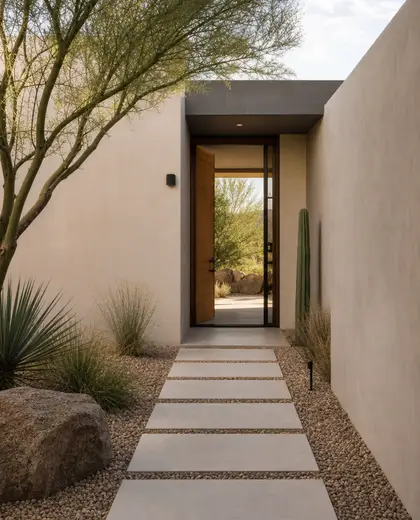
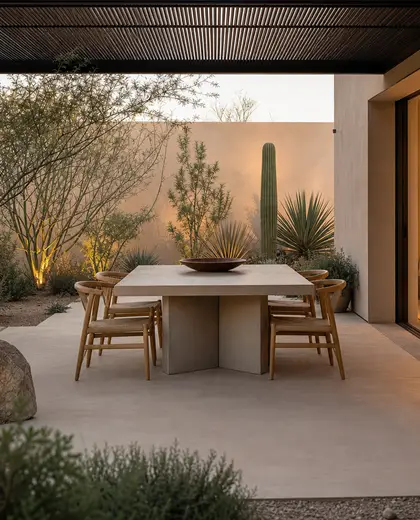
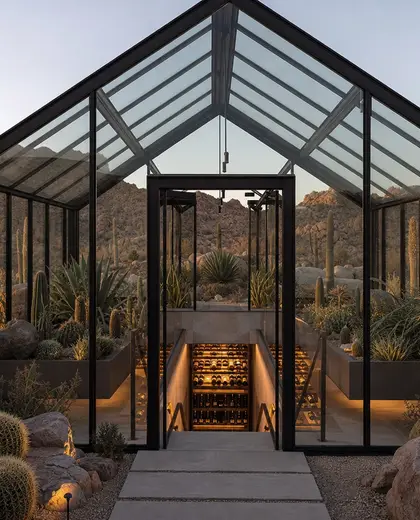
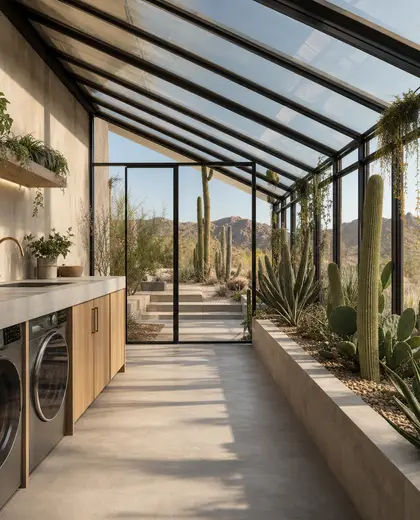
What kind of landscaping fits this look?
Low-water planting, gravel, native grasses, succulents, and sculptural cacti suit it best because they match the dry setting and simple lines.
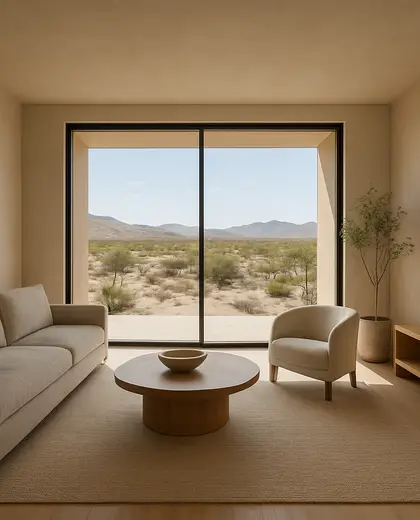
Does this style work only in hot, arid places?
No, but it reads most naturally in dry or sun-filled environments. In other climates, it still works if you keep the palette warm and the details minimal.
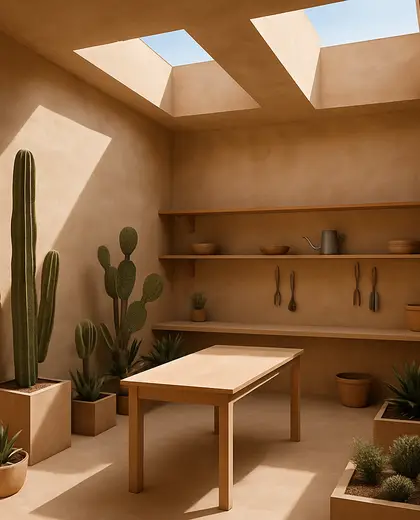
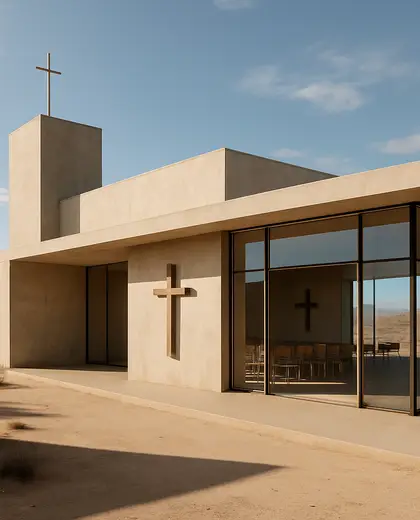
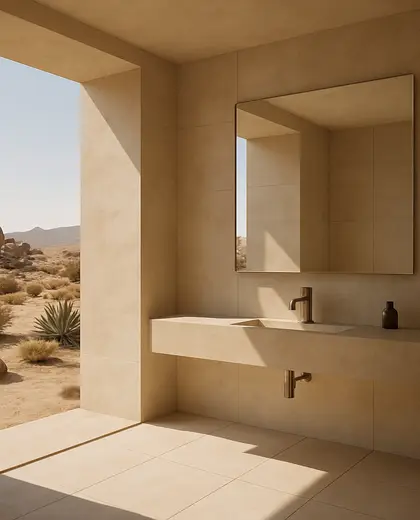
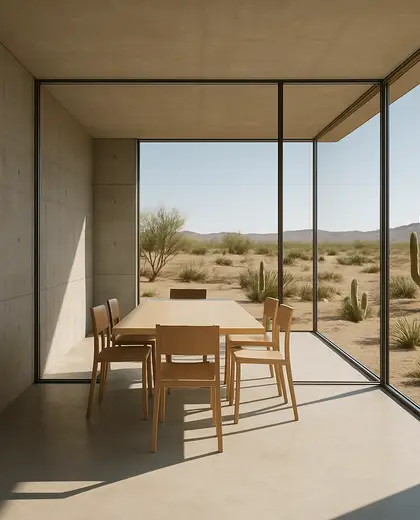
— The style
What defines it
Stucco, concrete, rammed earth, stone, steel, and weathered wood are the most typical choices.
Think sand, clay, ochre, beige, warm gray, and muted brown, often softened by white or black accents.
Works well with flat roofs, shaded patios, courtyards, indoor-outdoor living, and clean-lined furnishings.
— Professionals
Who has already built it



- sunal groverarchitects · 2 projectsView profile →
- the achievers archsmart home professionals · Delhi · 1 projectsView profile →
- home interior decoratorscarpenters · Rampur · 3 projectsView profile →
- pavit ceramics pvt ltdceramic manufacturers · Ahmedabad · 2 projectsView profile →
— Questions
Frequently asked questions
Will this style feel too stark in a home?
It can if the finishes are too cold, but desert minimalism usually feels softer when earthy materials, textured plaster, and wood are included.
What kind of landscaping fits this look?
Low-water planting, gravel, native grasses, succulents, and sculptural cacti suit it best because they match the dry setting and simple lines.
Does this style work only in hot, arid places?
No, but it reads most naturally in dry or sun-filled environments. In other climates, it still works if you keep the palette warm and the details minimal.