— Ideas & inspiration
Entryway design ideas for a welcoming first impression
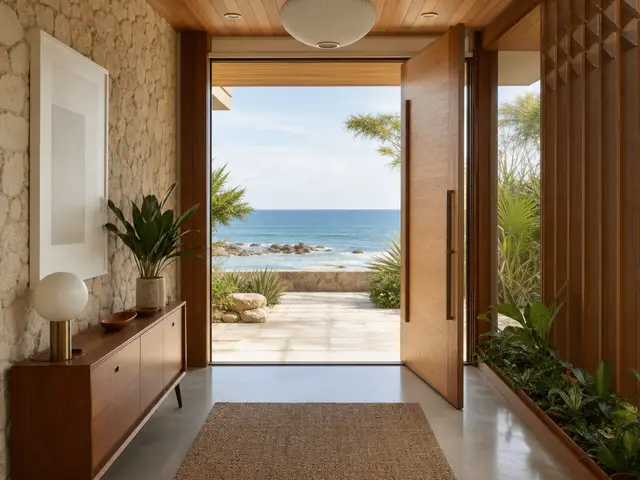
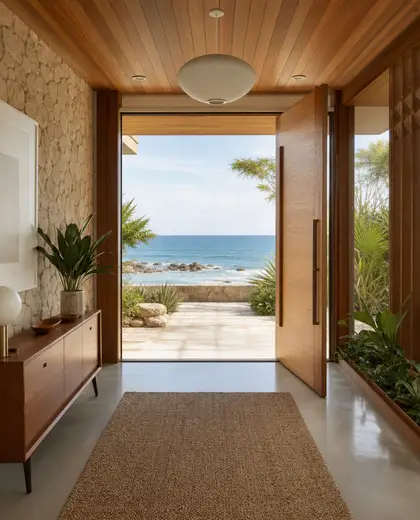
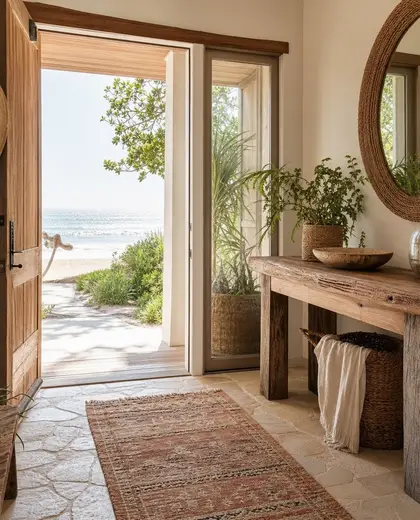
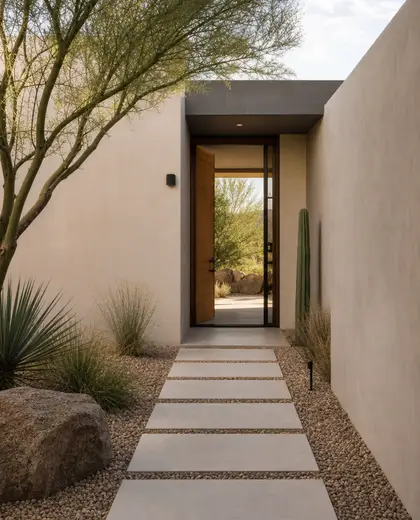
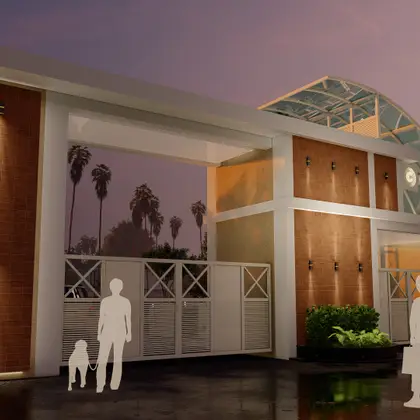
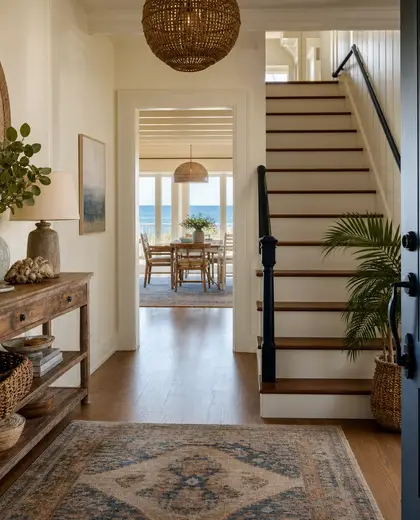
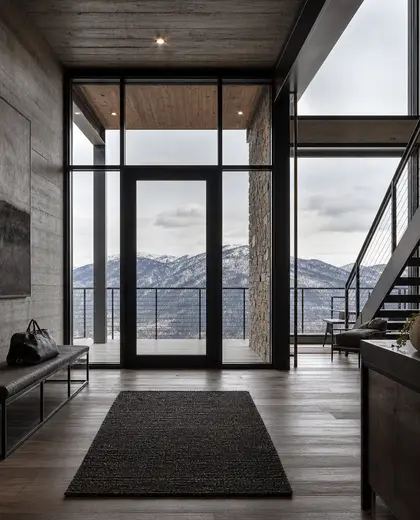
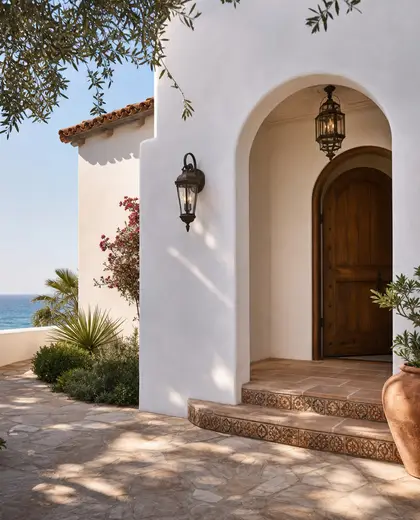
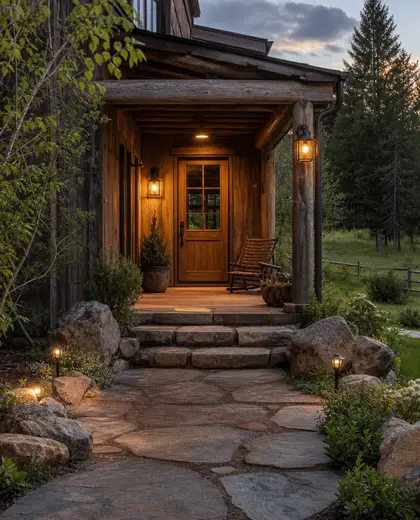
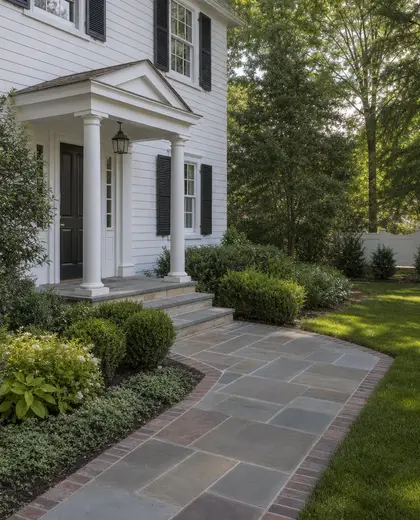
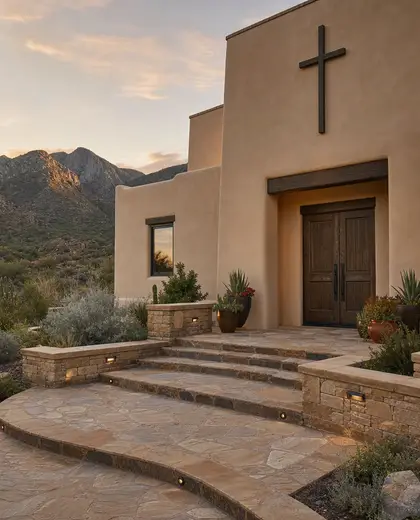
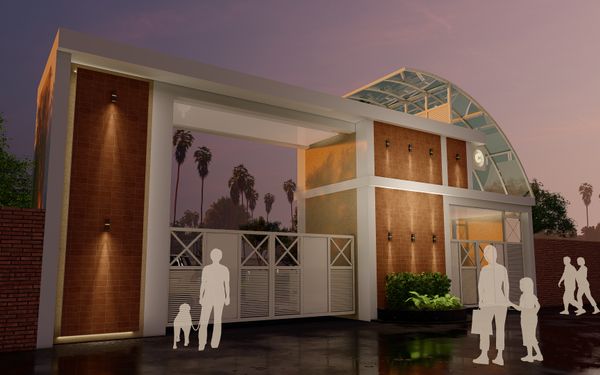
An entryway composition is defined by durable flooring, clear circulation, and a focal element such as a console, bench, mirror, or statement light. Materials often include stone, timber, plaster, metal, and glass, with finishes chosen to handle daily traffic while keeping the space visually calm. The palette is usually restrained: warm neutrals, soft greys, natural wood tones, and occasional darker accents for contrast.
- entryway
— References
References to explore
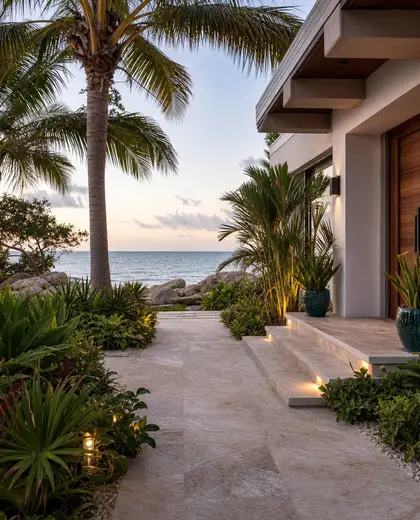
What makes an entryway different from a hallway?
An entryway is the first arrival zone, so it usually includes a stronger point of focus and more functional storage. A hallway is more often a circulation space with fewer built-in elements.

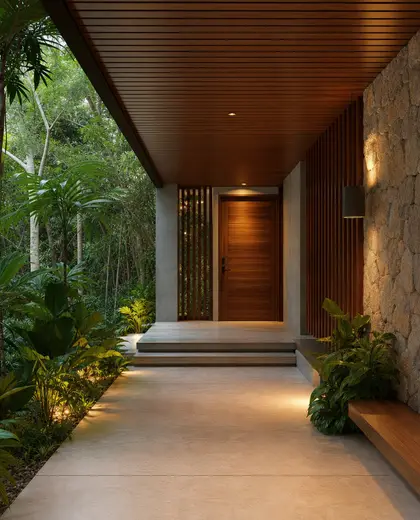
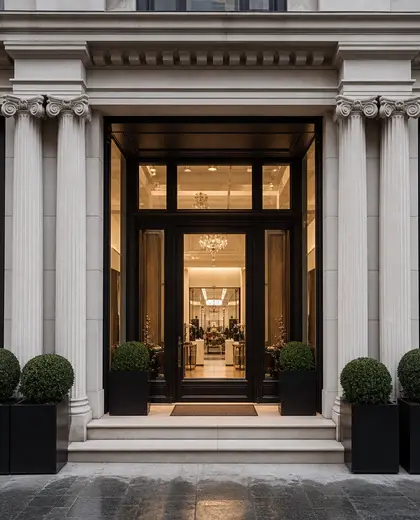
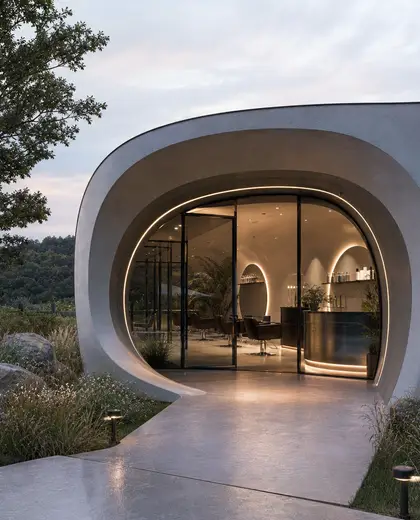
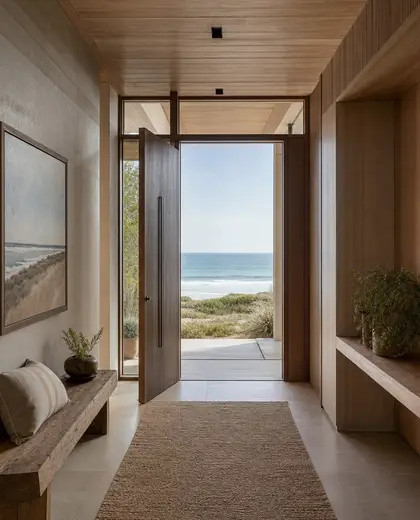
Which materials work best in a busy entryway?
Hard-wearing surfaces such as stone, tile, sealed timber, and powder-coated metal are practical because they handle moisture, dirt, and repeated use better than delicate finishes.
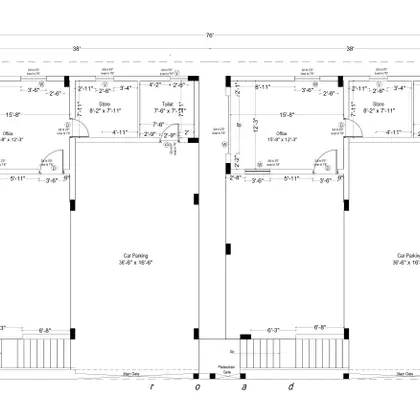

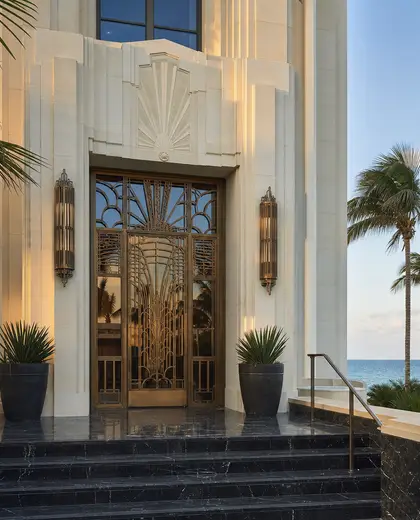

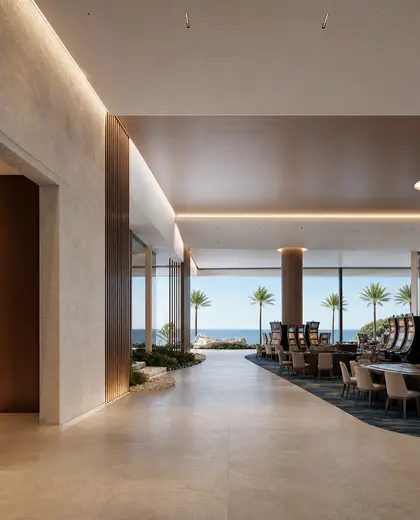
How do I keep an entryway from feeling cramped?
Use a limited palette, slim furniture, wall-mounted storage, and one mirror or light feature instead of several bulky pieces. Keeping the floor visible helps the space feel more open.
— The style
What defines it
Stone, porcelain tile, timber, painted plaster, metal hardware, and glass are the most common choices because they balance durability and texture.
Neutral and earthy tones usually work best: off-white, beige, taupe, greige, oak, charcoal, and muted black accents.
Entryway design often pairs with storage, coat hooks, benches, mirrors, lighting, stair details, and transitions into the living room or hallway.
— Professionals
Who has already built it



- the achievers archsmart home professionals · Delhi · 1 projectsView profile →
- home interior decoratorscarpenters · Rampur · 3 projectsView profile →
- pavit ceramics pvt ltdceramic manufacturers · Ahmedabad · 2 projectsView profile →
- Bristolfurniture sellers · Bangalore · 6 projectsView profile →
— Questions
Frequently asked questions
What makes an entryway different from a hallway?
An entryway is the first arrival zone, so it usually includes a stronger point of focus and more functional storage. A hallway is more often a circulation space with fewer built-in elements.
Which materials work best in a busy entryway?
Hard-wearing surfaces such as stone, tile, sealed timber, and powder-coated metal are practical because they handle moisture, dirt, and repeated use better than delicate finishes.
How do I keep an entryway from feeling cramped?
Use a limited palette, slim furniture, wall-mounted storage, and one mirror or light feature instead of several bulky pieces. Keeping the floor visible helps the space feel more open.