— Ideas & inspiration
Bauhaus composition
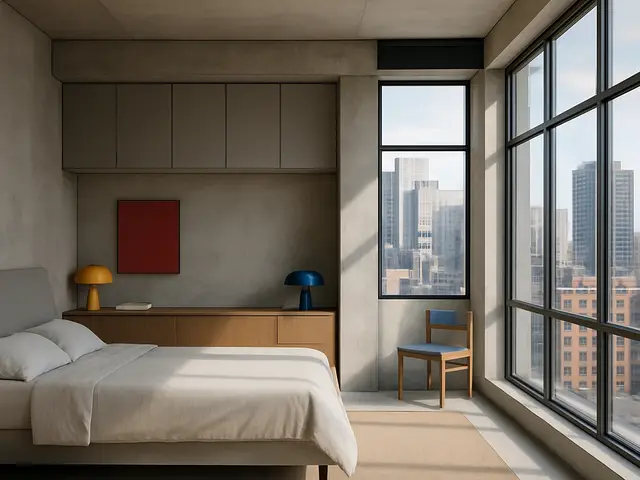
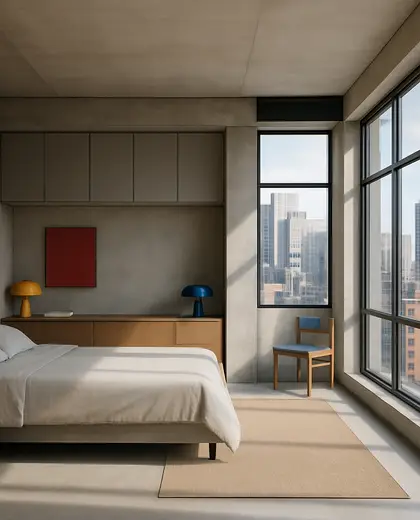
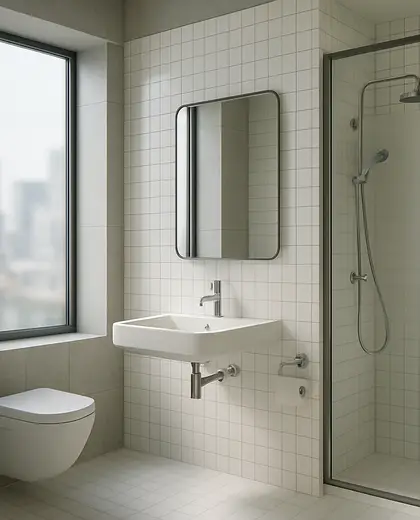
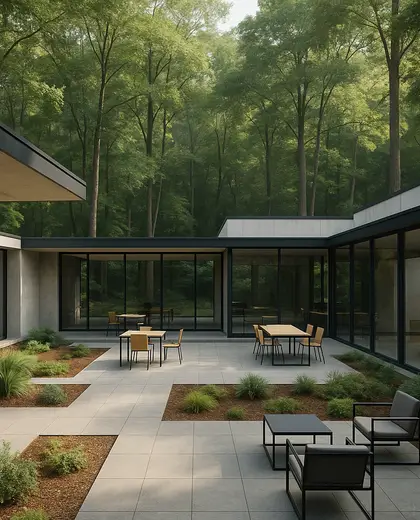
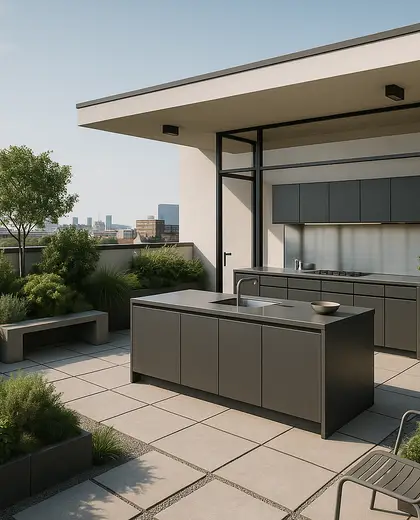
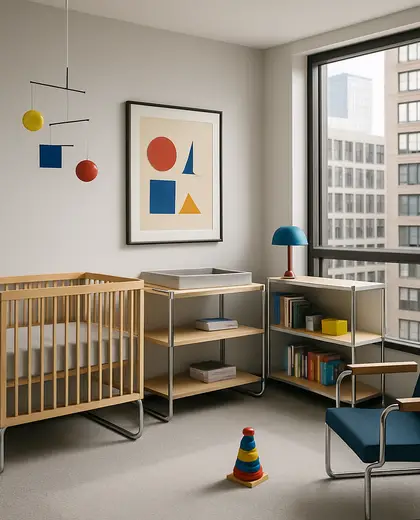
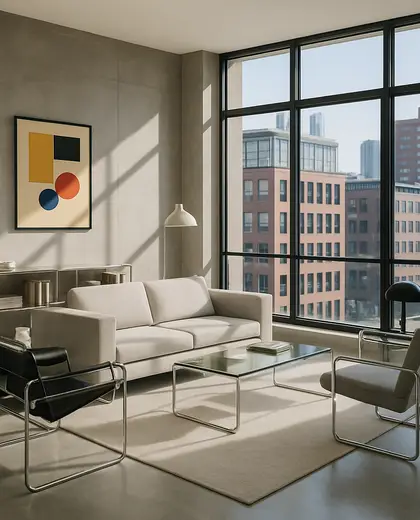
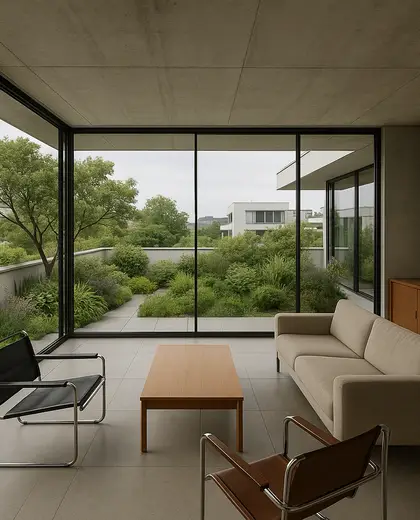
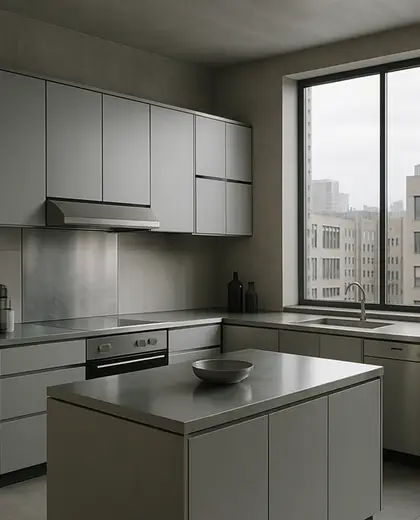
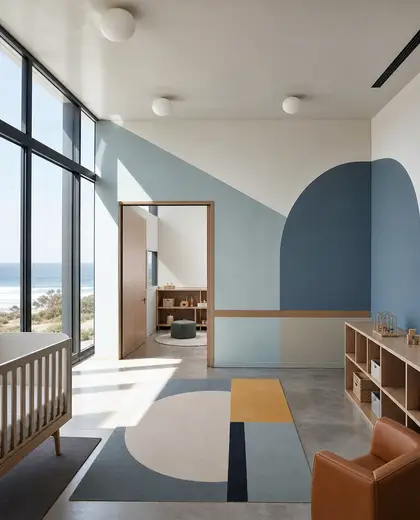
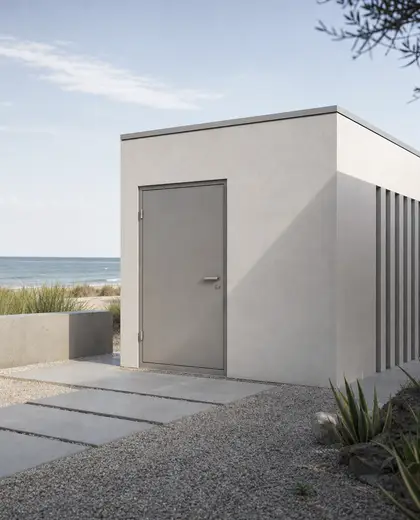
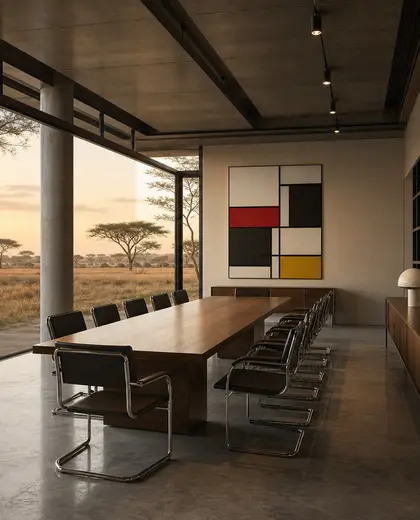
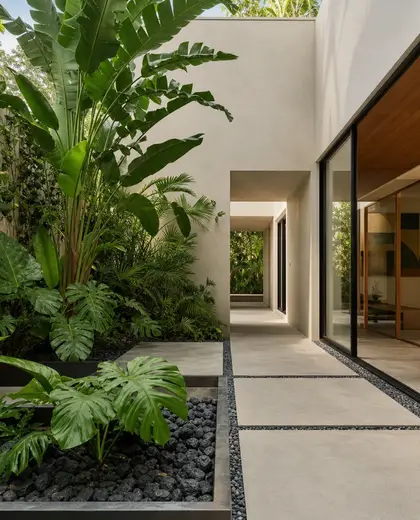
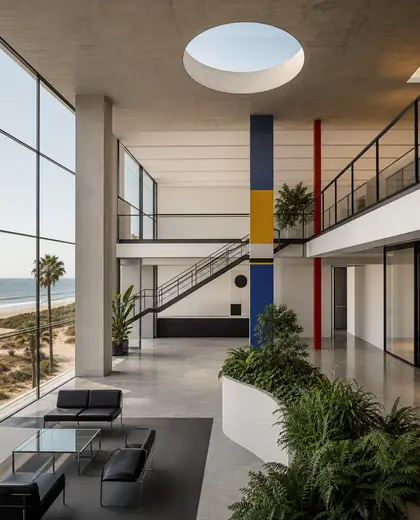
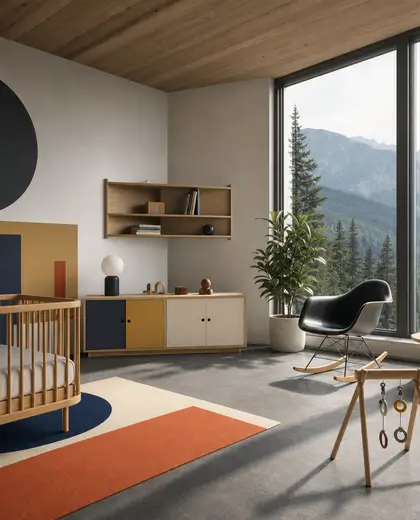
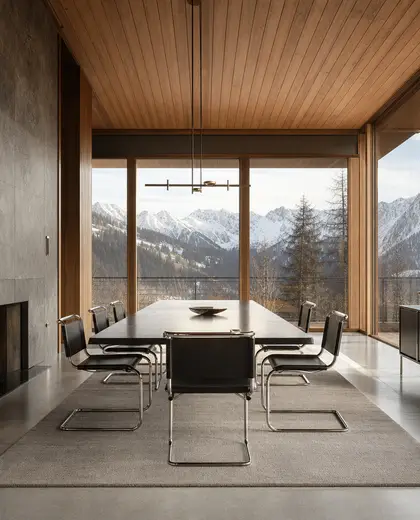
Bauhaus is defined by simple geometric forms, flat planes, and a strict focus on function. It typically uses industrial materials such as steel, glass, concrete, and smooth plaster, with built-in storage and reduced ornament. The palette is usually restrained: white, black, gray, and occasional primary-color accents.
- bauhaus
— References
References to explore
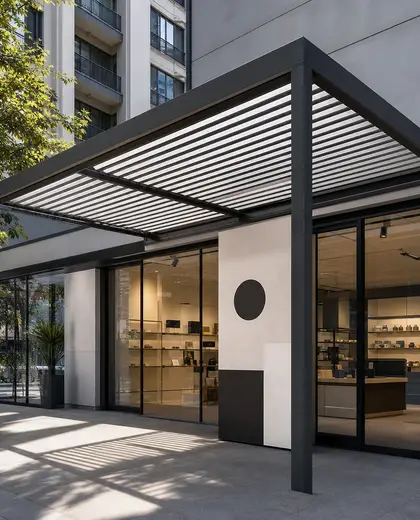
What makes a room feel Bauhaus rather than just modern?
Bauhaus usually feels more disciplined and graphic: geometric shapes, visible structure, and very little decoration. It also leans on industrial materials and a more limited color palette than many general modern interiors.
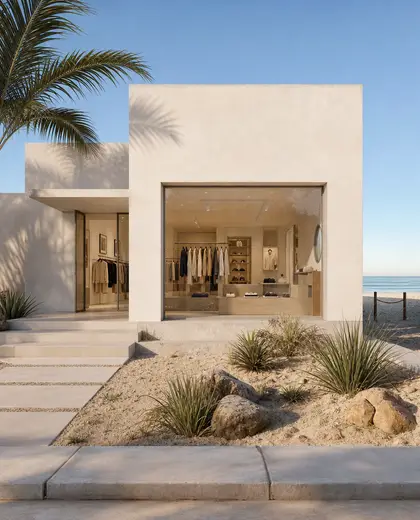
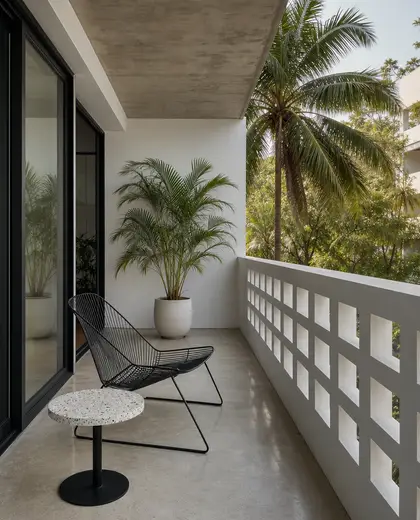
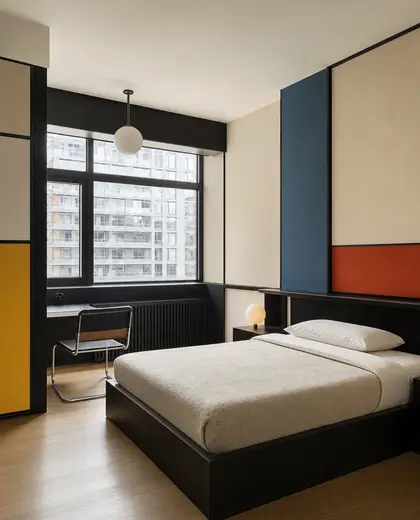
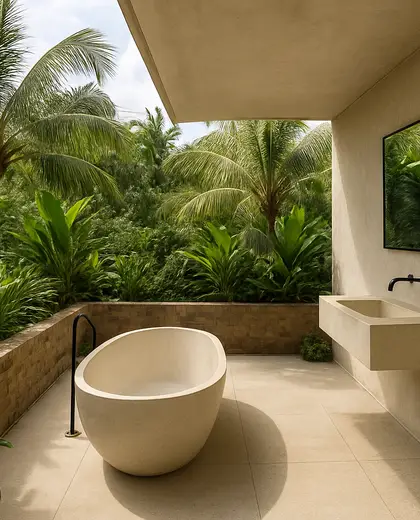
Can Bauhaus work in a home that still needs warmth?
Yes, but warmth usually comes from proportion, natural light, and a few carefully chosen materials like wood or textured textiles. The composition should stay visually simple so the added softness does not overwhelm it.
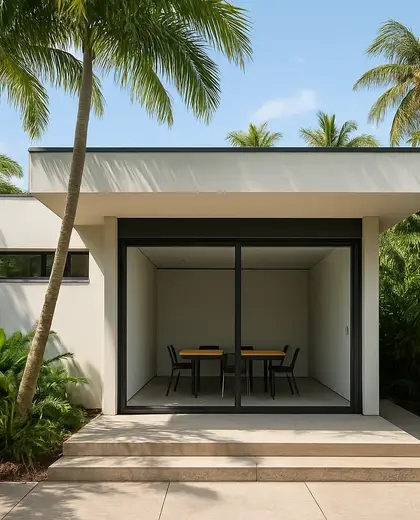
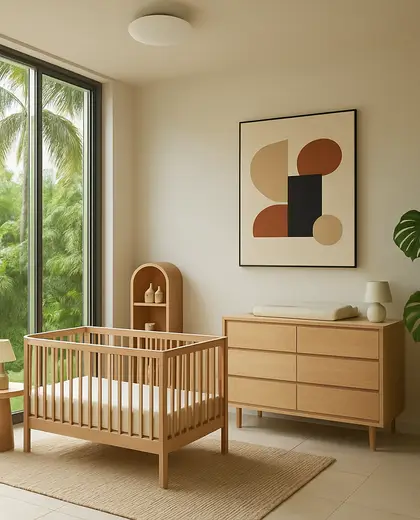
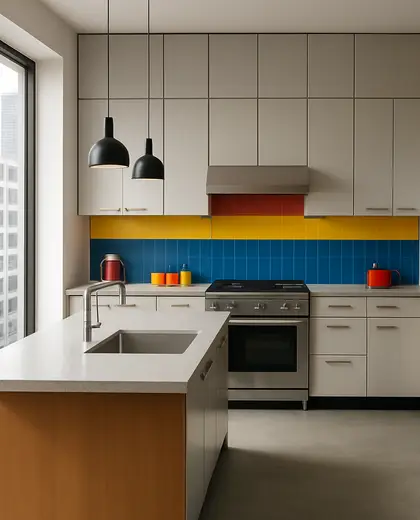
What should I avoid if I want a Bauhaus look?
Avoid ornate moldings, busy patterns, excessive decor, and overly rustic finishes. Heavy visual layering tends to weaken the clear, functional character of the style.

— The style
What defines it
Steel, glass, concrete, chrome, smooth plaster, and wood with a plain finish.
White, black, gray, and muted neutrals, often accented with red, blue, or yellow.
Works well with minimal modern furniture, open layouts, and other functionalist or modernist elements.
— Professionals
Who has already built it
- fenixinterior designers · 6 projectsView profile →
- wanderlust architectsarchitects · Jaipur · 8 projectsView profile →
- Bristolfurniture sellers · Bangalore · 6 projectsView profile →
- FurnitureRootsfurniture makers · Jodhpur · 6 projectsView profile →
— Questions
Frequently asked questions
What makes a room feel Bauhaus rather than just modern?
Bauhaus usually feels more disciplined and graphic: geometric shapes, visible structure, and very little decoration. It also leans on industrial materials and a more limited color palette than many general modern interiors.
Can Bauhaus work in a home that still needs warmth?
Yes, but warmth usually comes from proportion, natural light, and a few carefully chosen materials like wood or textured textiles. The composition should stay visually simple so the added softness does not overwhelm it.
What should I avoid if I want a Bauhaus look?
Avoid ornate moldings, busy patterns, excessive decor, and overly rustic finishes. Heavy visual layering tends to weaken the clear, functional character of the style.