— Ideas & inspiration
Bauhaus lines meet urban edge
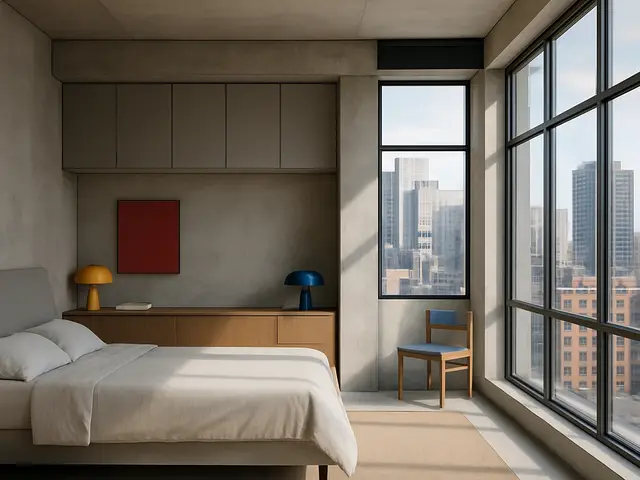
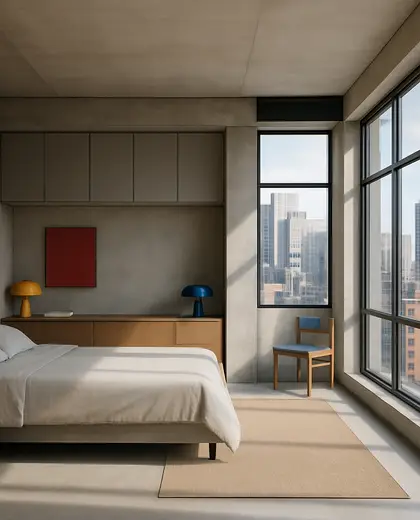
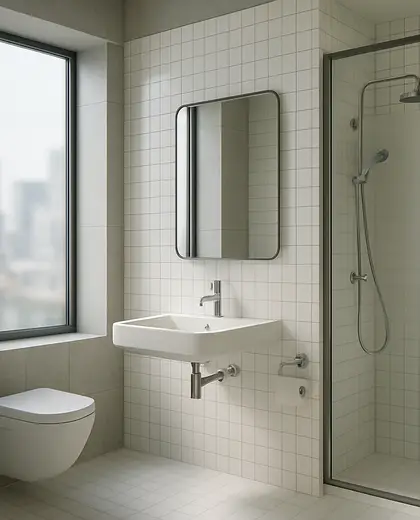
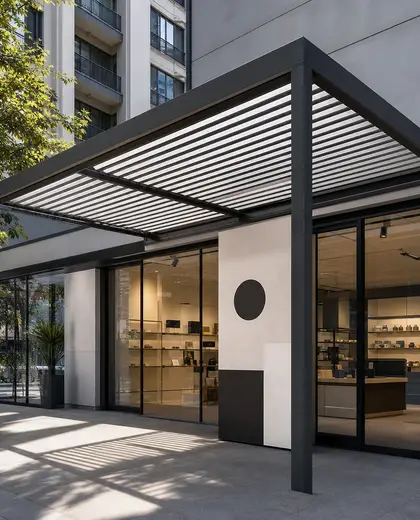
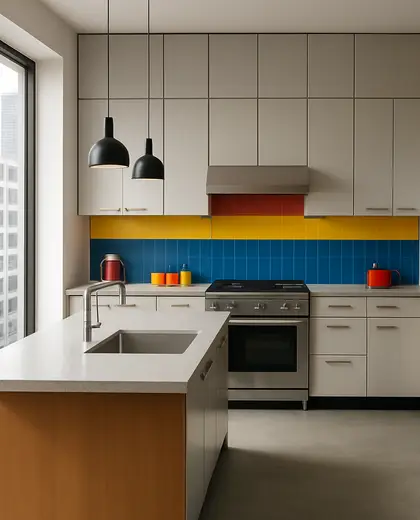
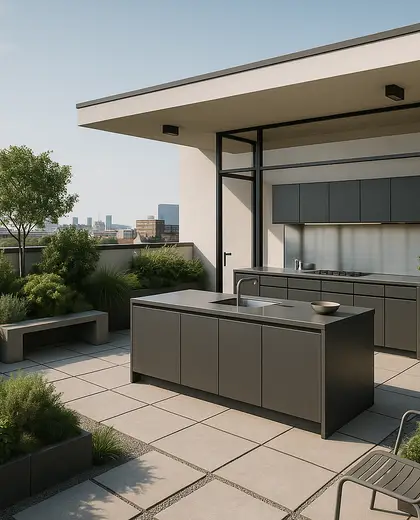
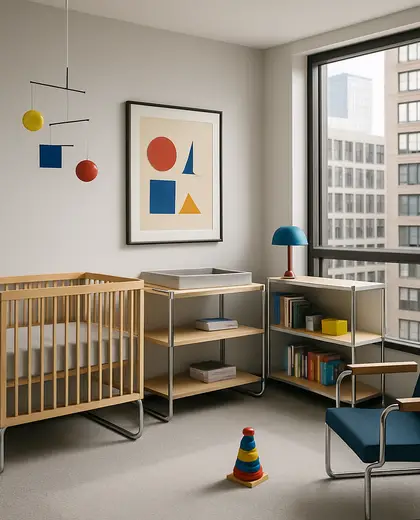
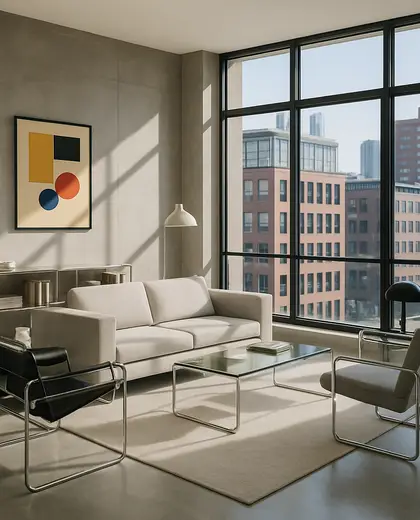
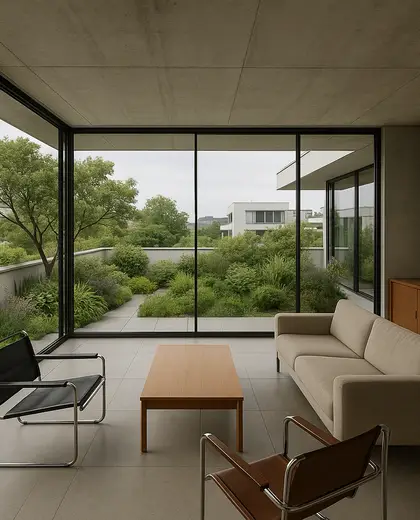
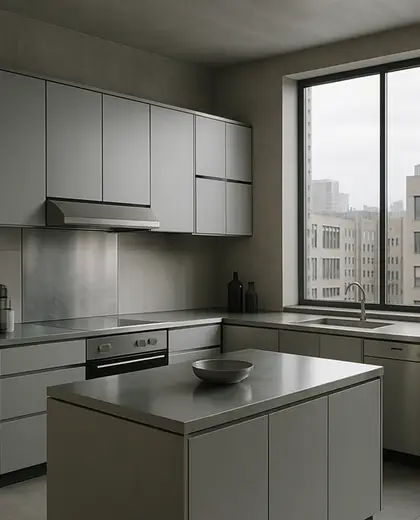
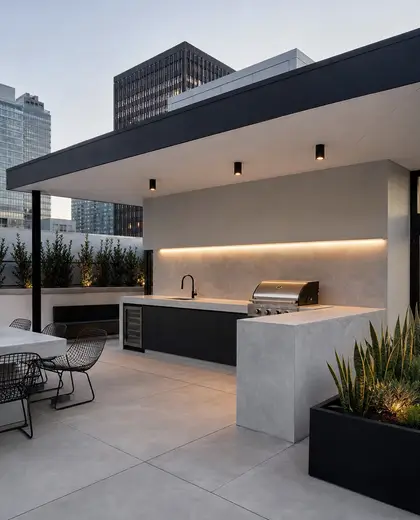
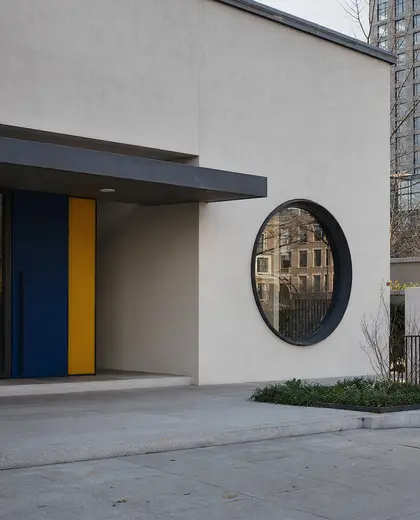
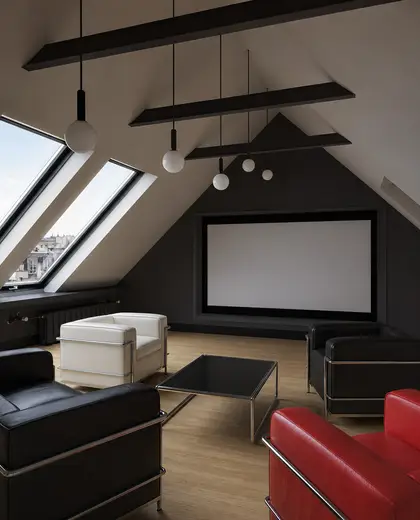
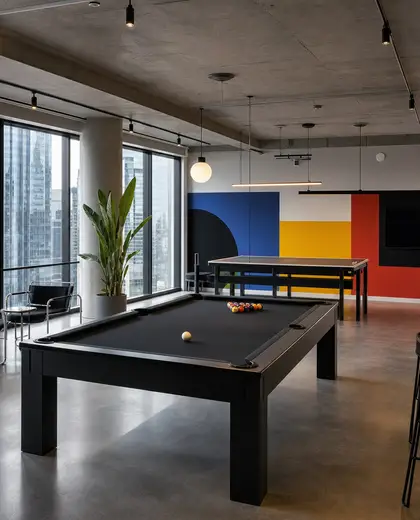
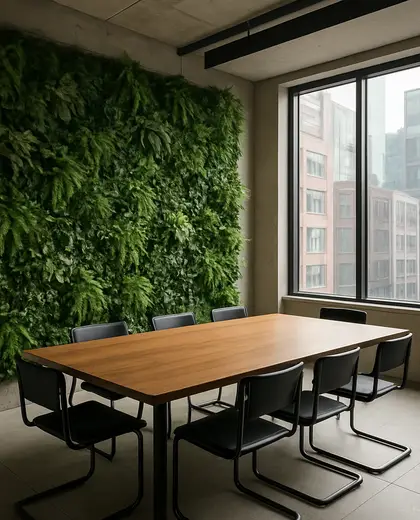
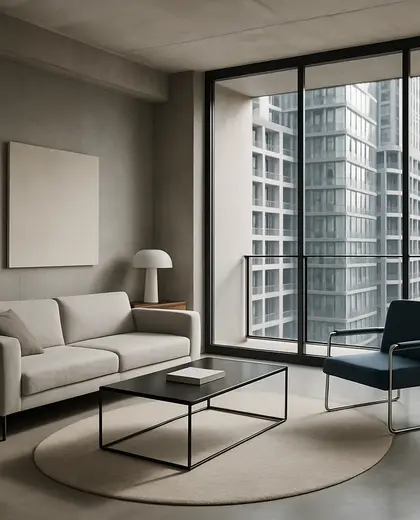
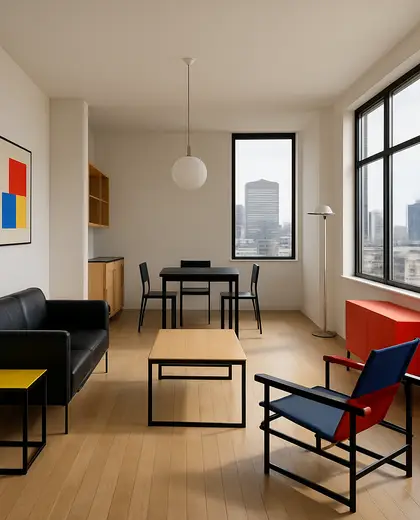
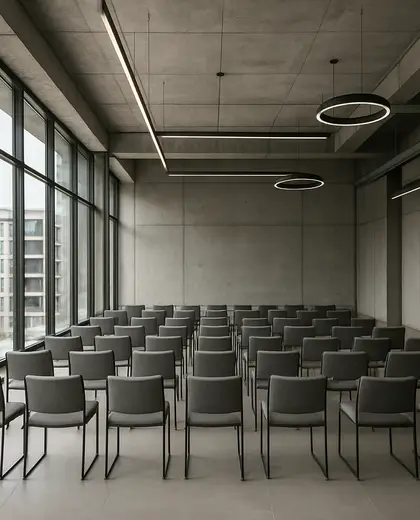
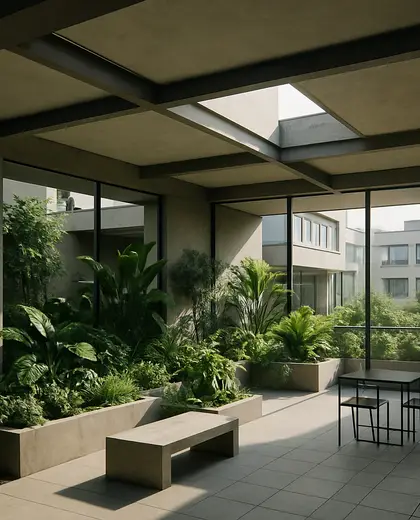
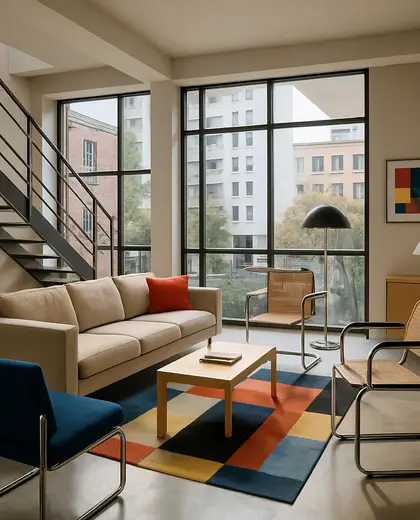
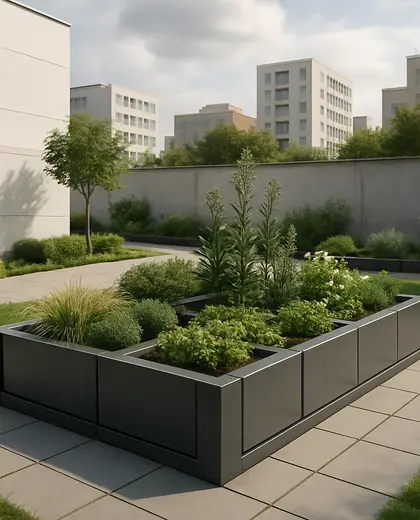
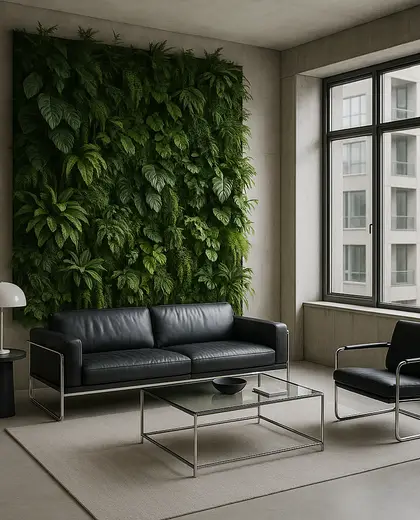
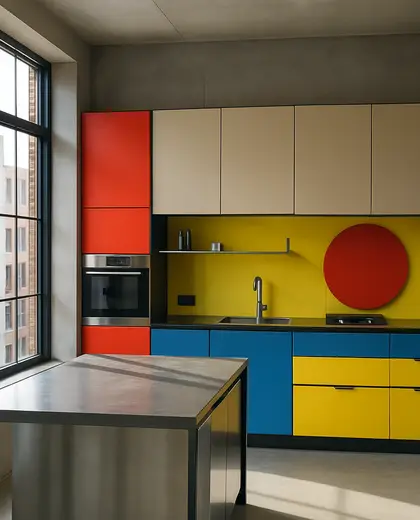
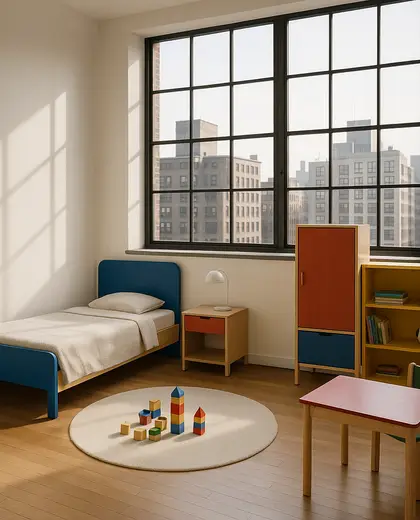
This composition pairs Bauhaus geometry with the raw, layered character of city living. Expect clean volumes, flat planes, tubular or metal details, and materials such as concrete, steel, glass, and warm wood used in a restrained, functional way. The palette usually stays neutral with black, white, gray, and muted earthy accents.
- bauhaus
- urban
— References
References to explore
How do I make a home feel Bauhaus and urban without looking cold?
Keep the geometry simple, but add warmth through wood, textured fabrics, softer lighting, and a few tactile finishes. The urban side can come from visible structure or raw surfaces, while the Bauhaus side stays disciplined and uncluttered.
What materials best fit this style at home?
Concrete, steel, glass, and matte painted surfaces are the clearest fit, usually balanced with oak, walnut, or other simple woods. Upholstery in leather, wool, or tightly woven fabric can soften the harder architectural elements.
Does this style work in a small apartment?
Yes, because Bauhaus planning favors clarity and efficient use of space, which can make compact interiors feel ordered. Using a limited palette, built-in storage, and a few strong structural details helps the urban character read without overcrowding the room.

— The style
What defines it
Concrete, steel, glass, lacquered surfaces, and light wood are common, often left visibly honest and minimally finished.
Mostly black, white, and gray, with occasional beige, rust, olive, or muted primary accents for contrast.
Urban loft character, exposed structure, large windows, brick, metal frames, and a more lived-in city texture.
— Professionals
Who has already built it
- chaitanya anvekarinterior designers · Mumbai · 20 projectsView profile →
- urban arch studioarchitects · 19 projectsView profile →
- Bristolfurniture sellers · Bangalore · 6 projectsView profile →
- FurnitureRootsfurniture makers · Jodhpur · 6 projectsView profile →
— Questions
Frequently asked questions
How do I make a home feel Bauhaus and urban without looking cold?
Keep the geometry simple, but add warmth through wood, textured fabrics, softer lighting, and a few tactile finishes. The urban side can come from visible structure or raw surfaces, while the Bauhaus side stays disciplined and uncluttered.
What materials best fit this style at home?
Concrete, steel, glass, and matte painted surfaces are the clearest fit, usually balanced with oak, walnut, or other simple woods. Upholstery in leather, wool, or tightly woven fabric can soften the harder architectural elements.
Does this style work in a small apartment?
Yes, because Bauhaus planning favors clarity and efficient use of space, which can make compact interiors feel ordered. Using a limited palette, built-in storage, and a few strong structural details helps the urban character read without overcrowding the room.