— Ideas & inspiration
Youth Room
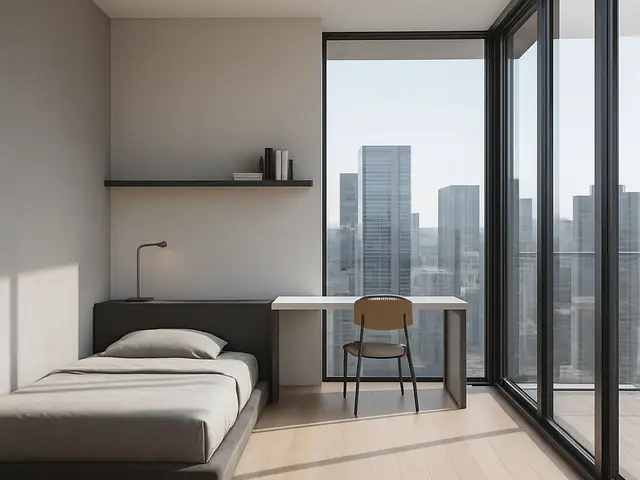
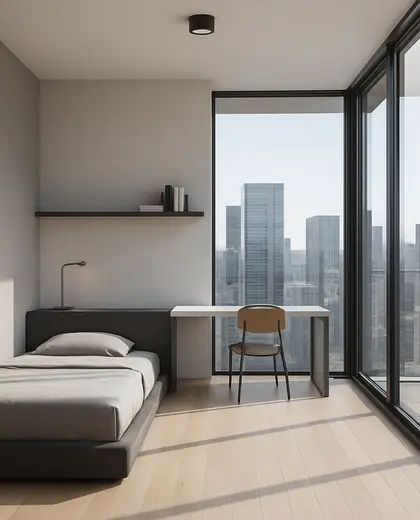
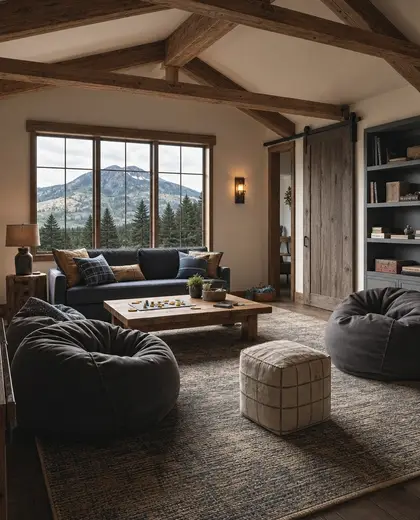
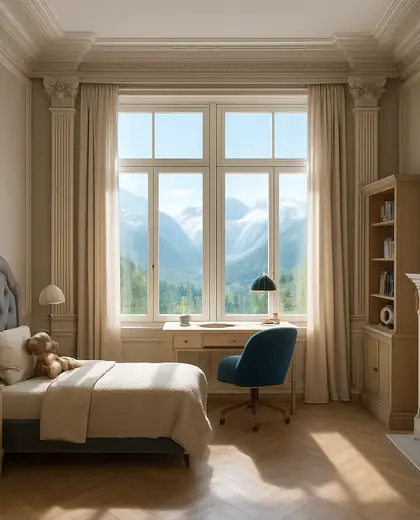
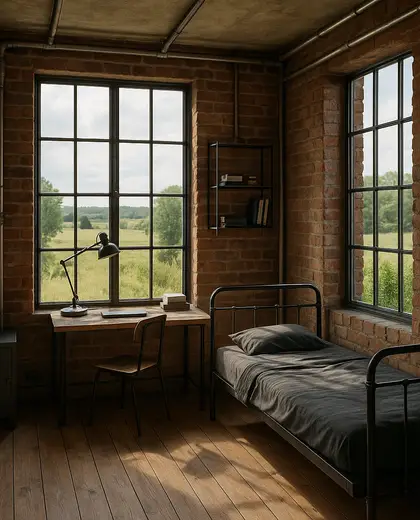
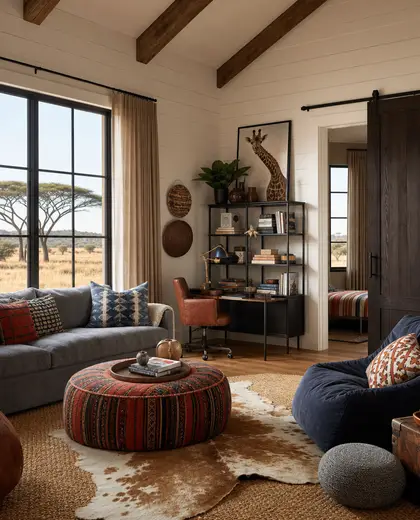
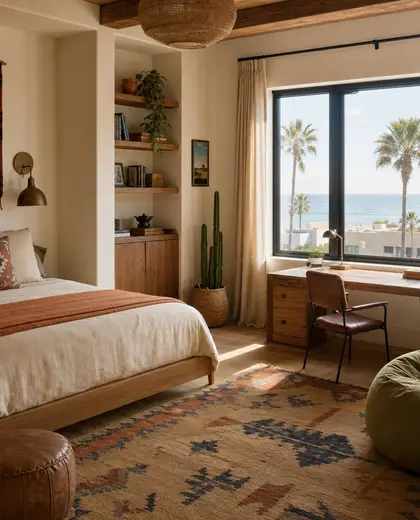
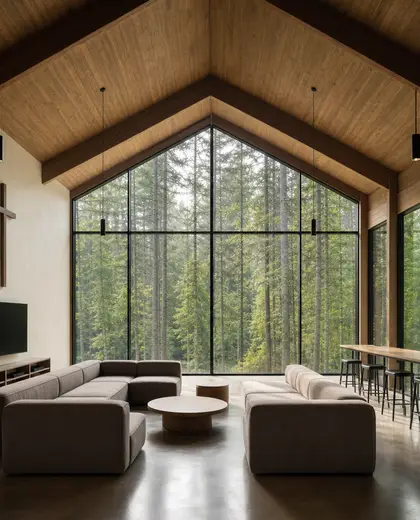
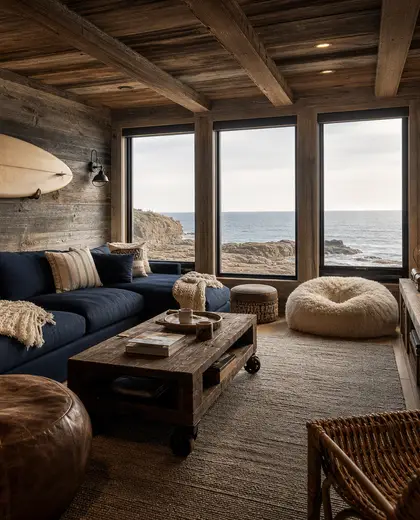
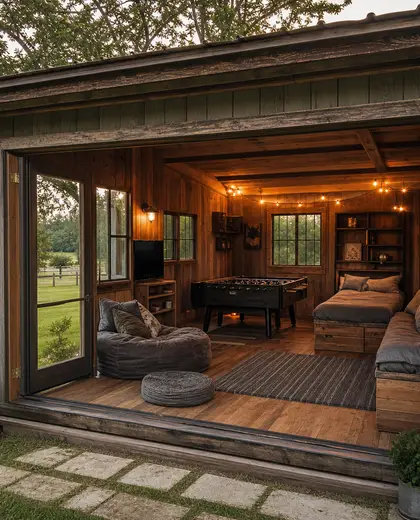
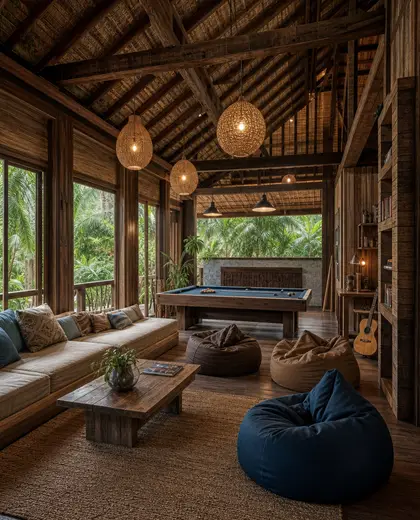
A youth room is typically defined by durable, easy-to-clean finishes, compact storage, and furniture that can adapt as a child grows. The palette is often light and balanced with brighter accents, while the main elements include a bed, desk, shelving, and soft textiles. Materials commonly include painted wood, laminate, metal, and washable fabrics to handle daily use.
- youth room
— References
References to explore

How is a youth room different from a nursery?
A youth room usually shifts toward study, storage, and personal identity. It uses more adaptable furniture and less nursery-specific decor.
What materials hold up best in a youth room?
Surfaces that resist wear and are easy to clean work best, such as laminate, painted wood, metal frames, and durable fabrics. Rounded edges and sturdy hardware also help with everyday use.
What colors work best for a youth room?
Neutral walls with one or two accent colors are a safe starting point. You can adjust the palette over time with bedding, curtains, rugs, and wall art as preferences change.


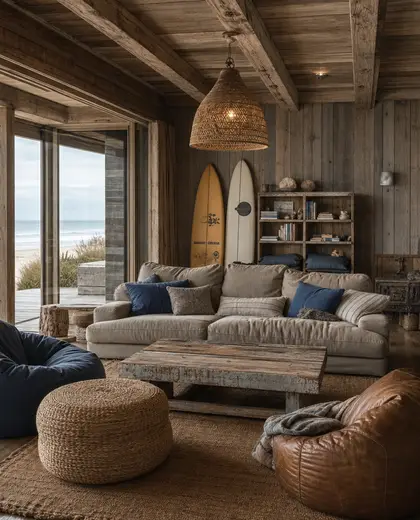
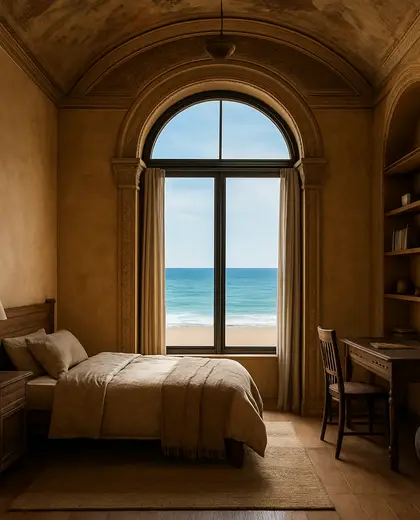
— The style
What defines it
Painted MDF or wood, laminate surfaces, powder-coated metal, and washable textiles are the most practical choices.
Neutral bases like white, beige, gray, or soft pastels are often paired with stronger accent colors for energy.
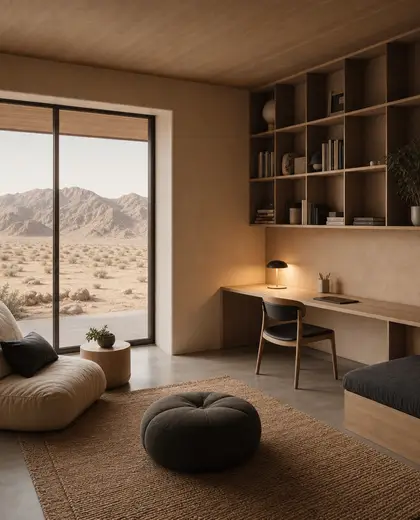
Built-in storage, study desks, modular wardrobes, pinned boards, rugs, and layered lighting work well in this composition.
— Professionals
Who has already built it
- the achievers archsmart home professionals · Delhi · 1 projectsView profile →
- ar prerna modiarchitects · 6 projectsView profile →
- home interior decoratorscarpenters · Rampur · 3 projectsView profile →
- pavit ceramics pvt ltdceramic manufacturers · Ahmedabad · 2 projectsView profile →
— Questions
Frequently asked questions
How is a youth room different from a nursery?
A youth room usually shifts toward study, storage, and personal identity. It uses more adaptable furniture and less nursery-specific decor.
What materials hold up best in a youth room?
Surfaces that resist wear and are easy to clean work best, such as laminate, painted wood, metal frames, and durable fabrics. Rounded edges and sturdy hardware also help with everyday use.
What colors work best for a youth room?
Neutral walls with one or two accent colors are a safe starting point. You can adjust the palette over time with bedding, curtains, rugs, and wall art as preferences change.