— Ideas & inspiration
Vintage composition
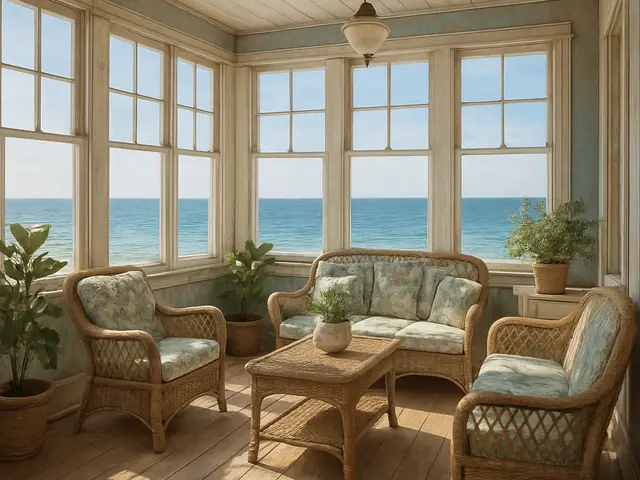
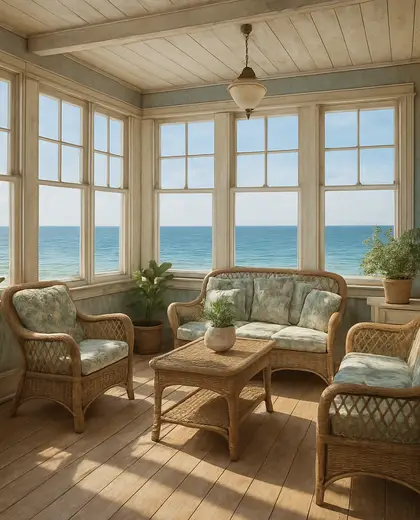
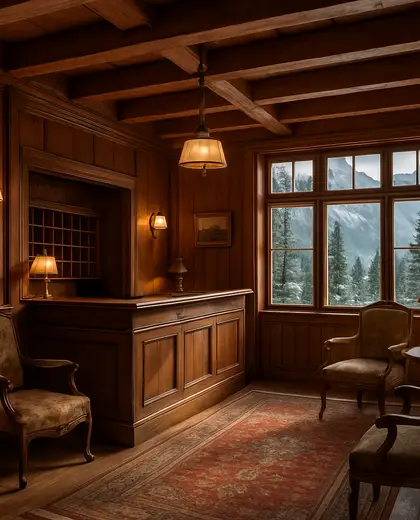
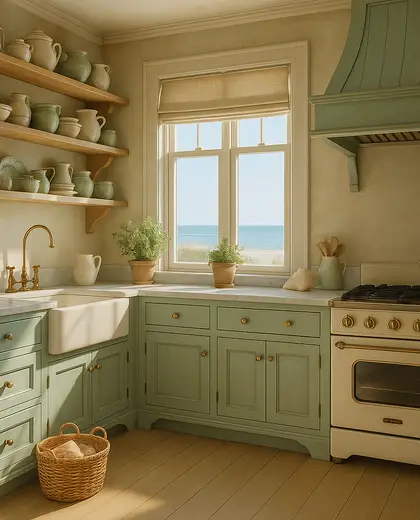
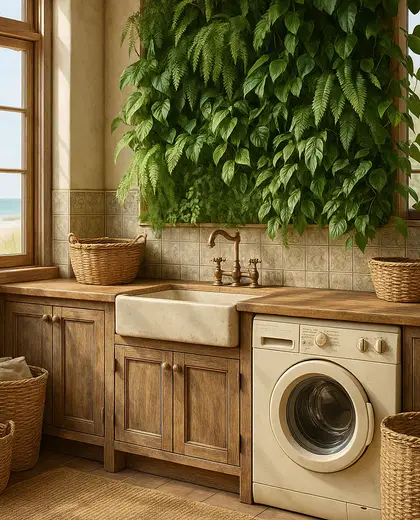
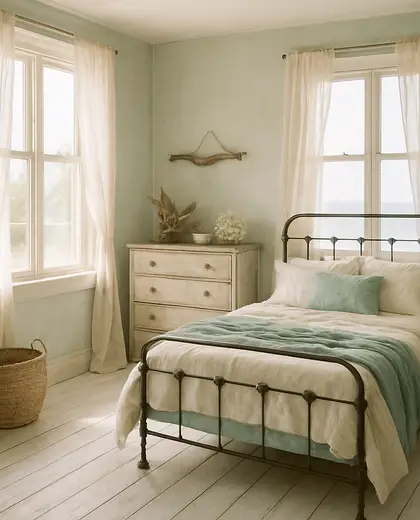
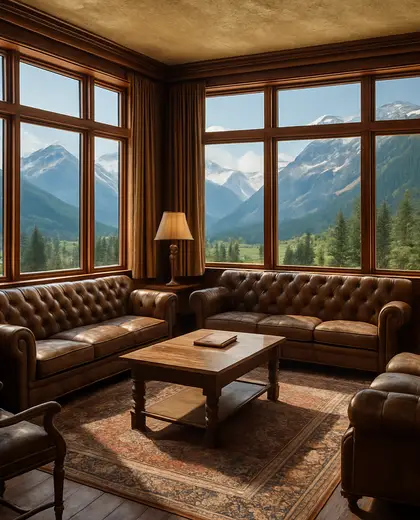
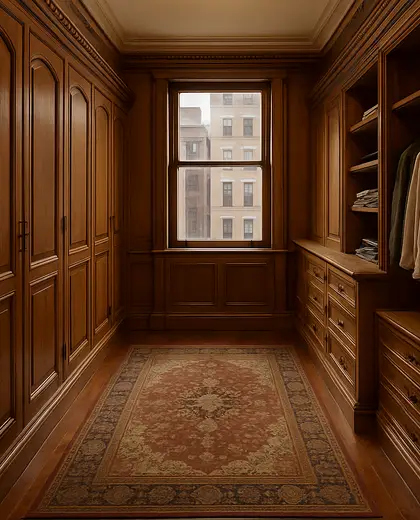
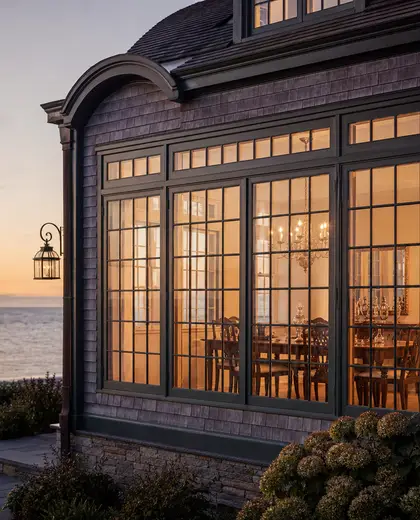
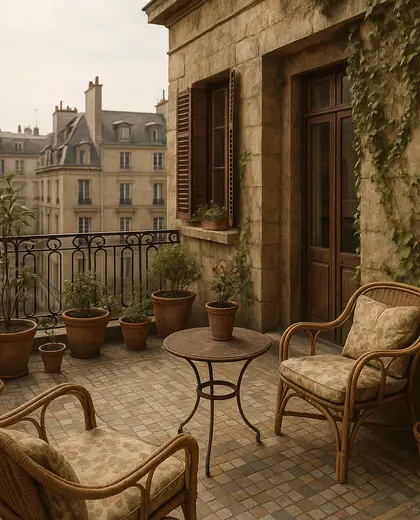
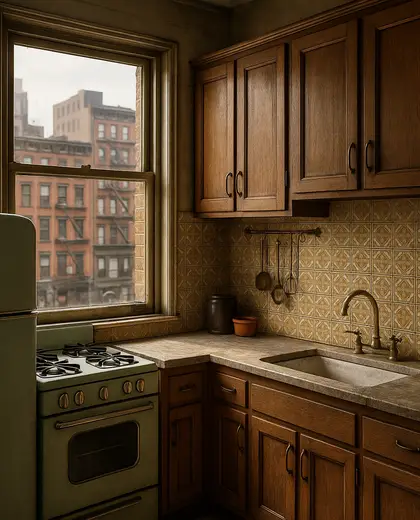
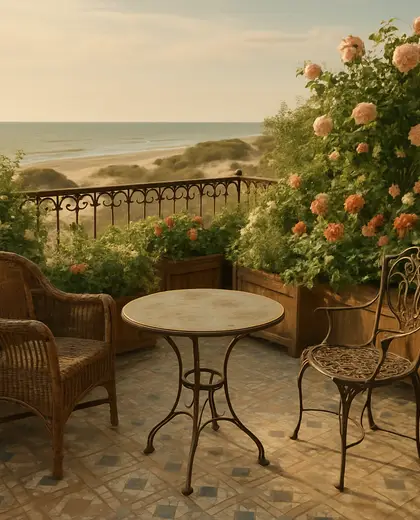
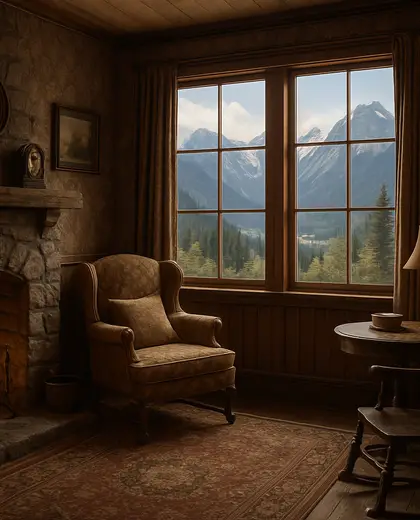
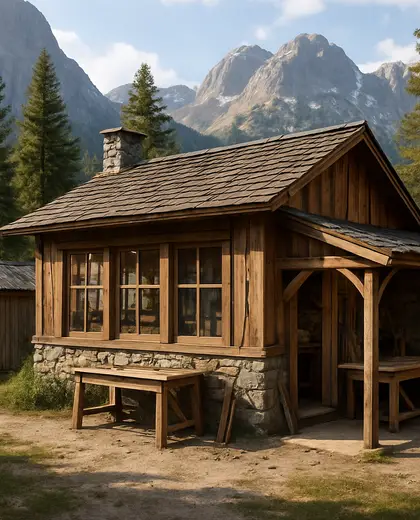
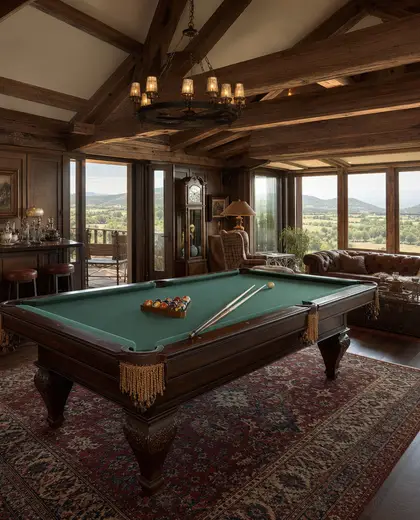
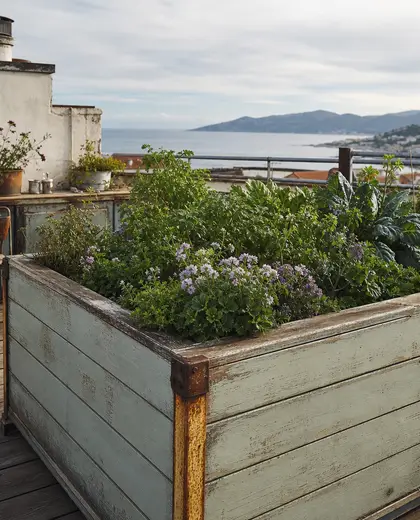
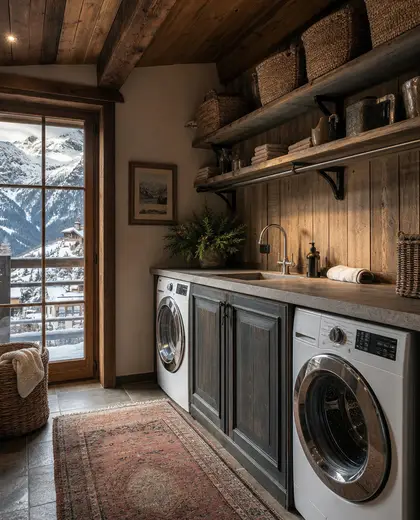
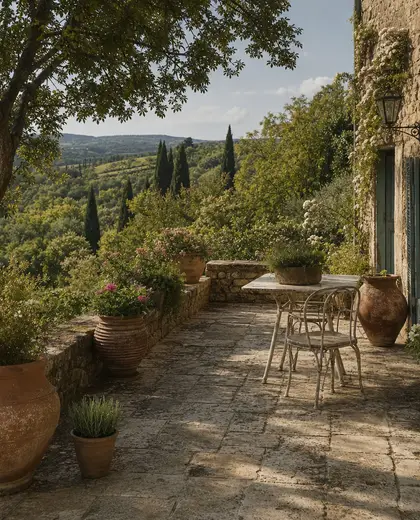
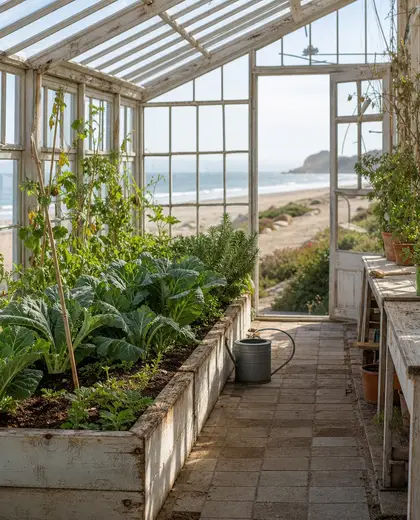
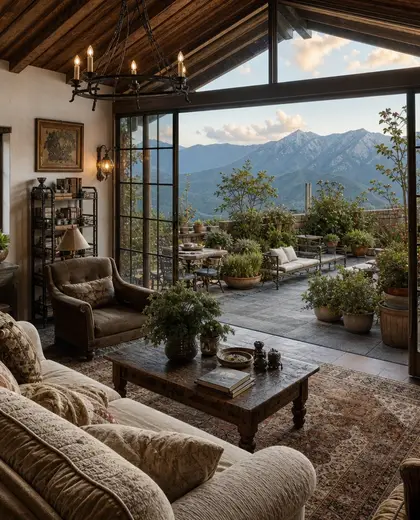
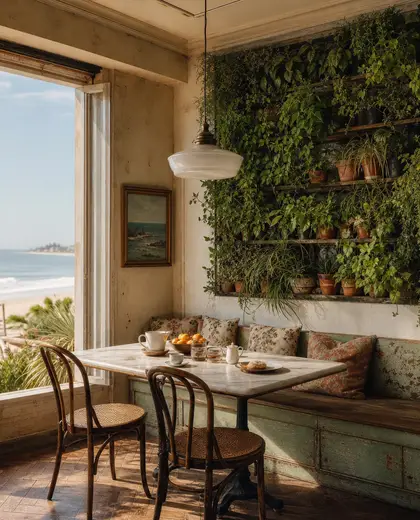
Vintage composition is defined by timeworn materials, softened finishes, and furniture or details that reference earlier eras. Common choices include worn wood, aged brass, patinated metal, patterned textiles, and glass with a handcrafted feel. The palette usually leans warm and muted, with cream, tobacco, olive, burgundy, navy, and faded pastels.
- vintage
— References
References to explore
How do I make a room feel vintage without looking like a set piece?
Mix a few authentic older items with simpler modern furniture, and avoid repeating the same era too strictly. Let wear, patina, and texture do most of the visual work.
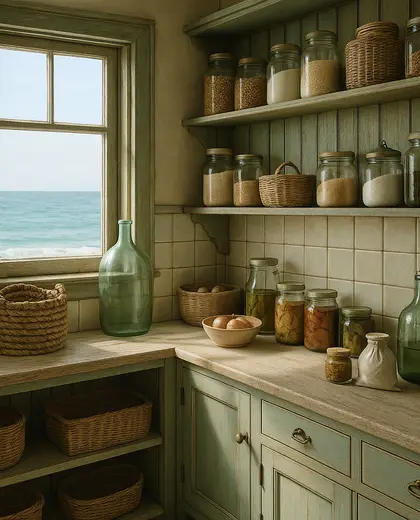
What materials are most typical in a vintage composition?
Wood with visible grain, aged metals, upholstered fabrics like linen or velvet, and decorative glass or ceramic pieces are common. Salvaged and secondhand materials also fit naturally.
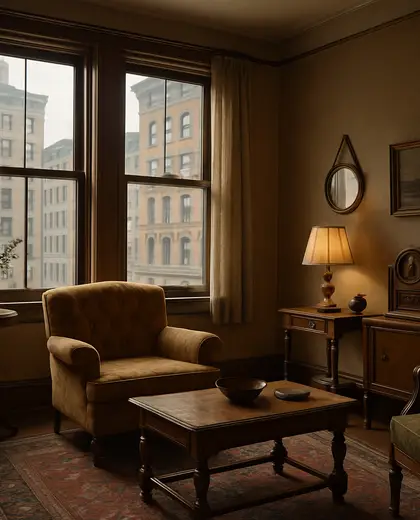
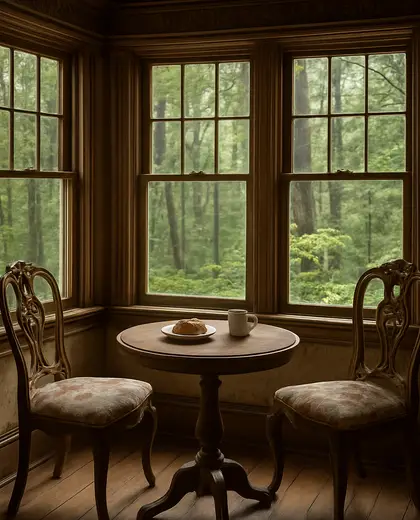
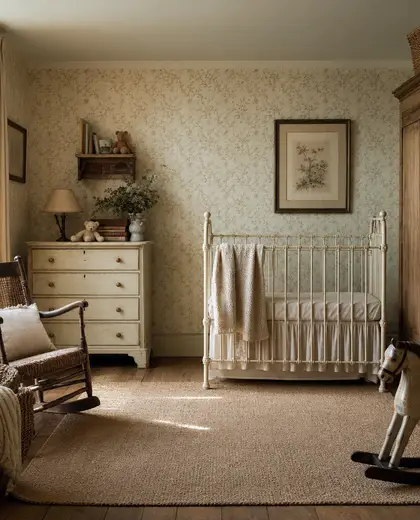
Can vintage work in a small home?
Yes, if you keep the palette restrained and limit bulky pieces. A few well-chosen objects, a patterned rug, and one or two statement furnishings are usually enough.
— The style
What defines it
Aged wood, brass, patinated metal, leather, linen, velvet, and antique or recycled pieces.
Warm neutrals, muted jewel tones, faded pastels, and finishes that look softened by age.
Works well with classic, rustic, eclectic, and transitional interiors, especially when balanced with clean contemporary surfaces.
— Professionals
Who has already built it
- origin architectsarchitects · 6 projectsView profile →
- mawar electrical serviceselectricians · Bengaluru · 1 projectsView profile →
- anurag vermainterior designers · 6 projectsView profile →
- the achievers archsmart home professionals · Delhi · 1 projectsView profile →
— Questions
Frequently asked questions
How do I make a room feel vintage without looking like a set piece?
Mix a few authentic older items with simpler modern furniture, and avoid repeating the same era too strictly. Let wear, patina, and texture do most of the visual work.
What materials are most typical in a vintage composition?
Wood with visible grain, aged metals, upholstered fabrics like linen or velvet, and decorative glass or ceramic pieces are common. Salvaged and secondhand materials also fit naturally.
Can vintage work in a small home?
Yes, if you keep the palette restrained and limit bulky pieces. A few well-chosen objects, a patterned rug, and one or two statement furnishings are usually enough.