— Ideas & inspiration
Sustainable facades with a refined architectural edge
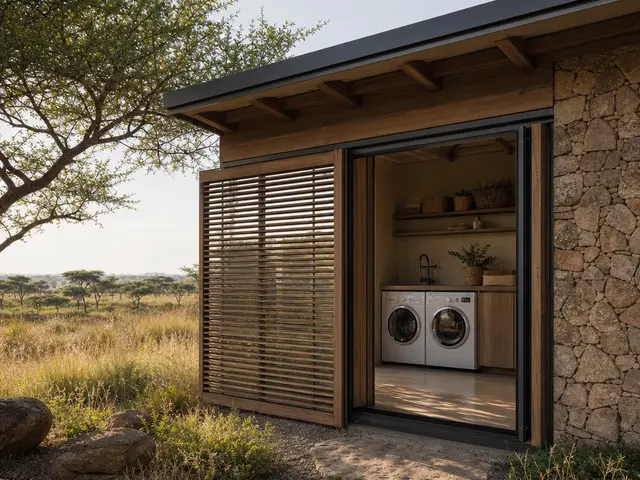
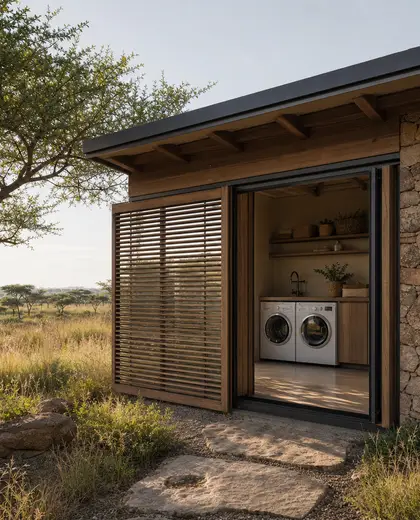
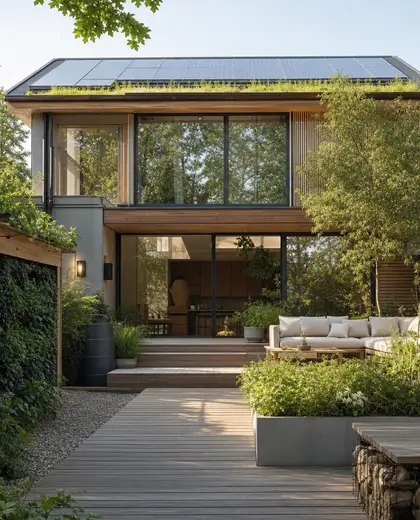
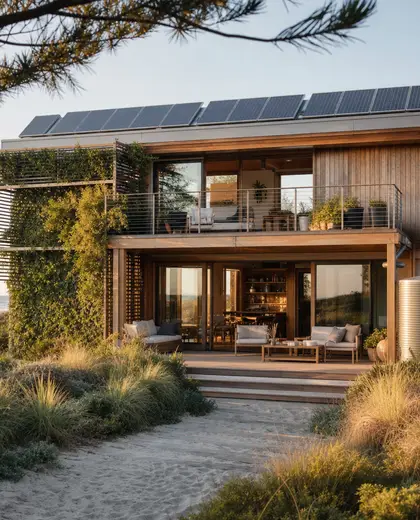
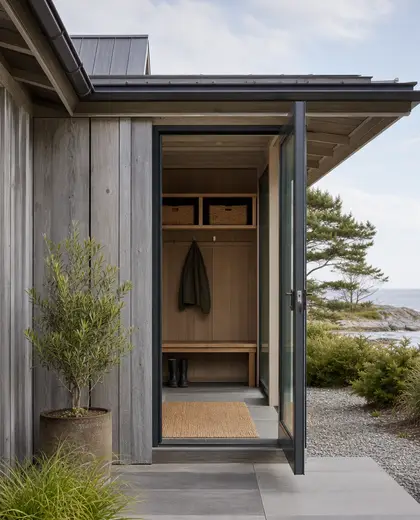
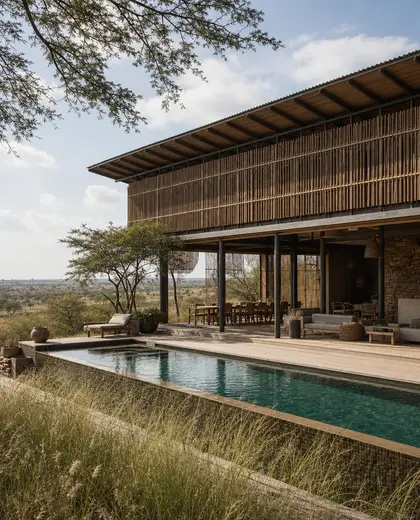
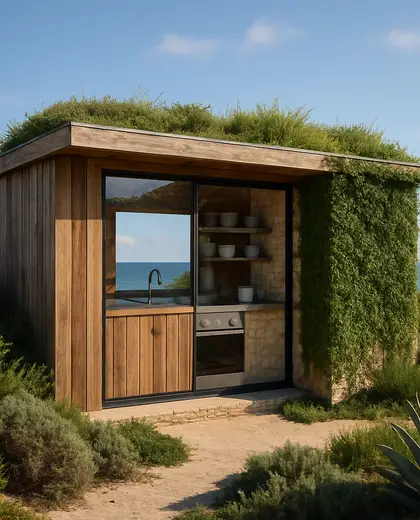
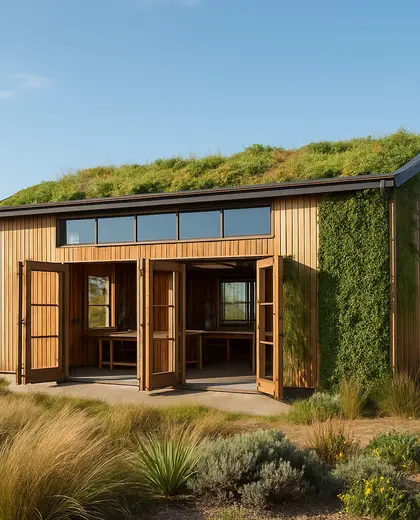
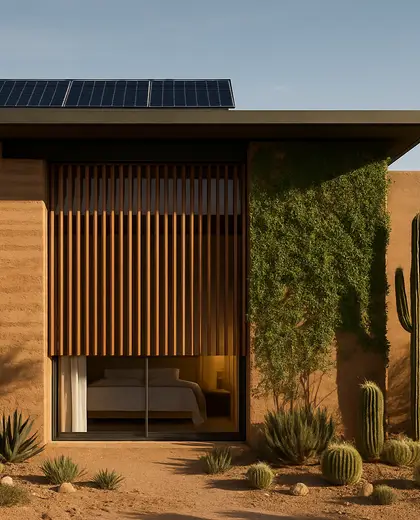
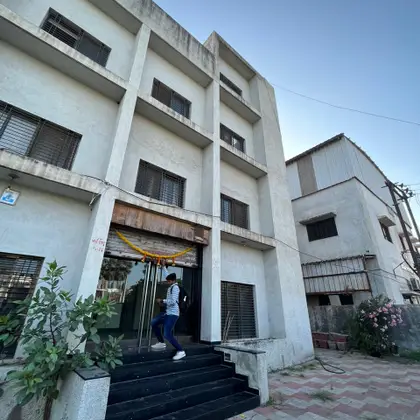
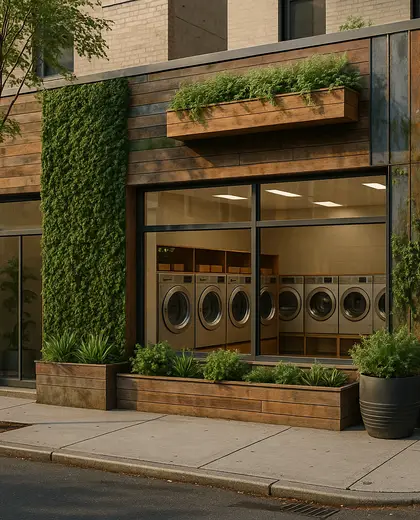
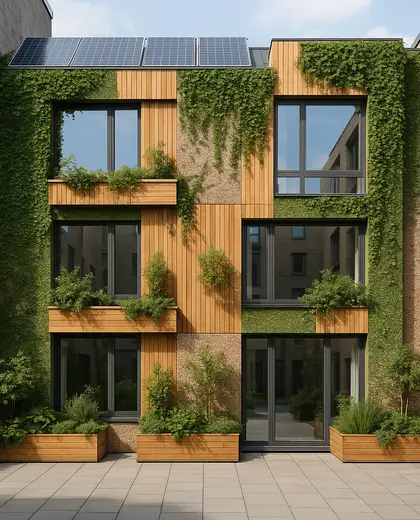
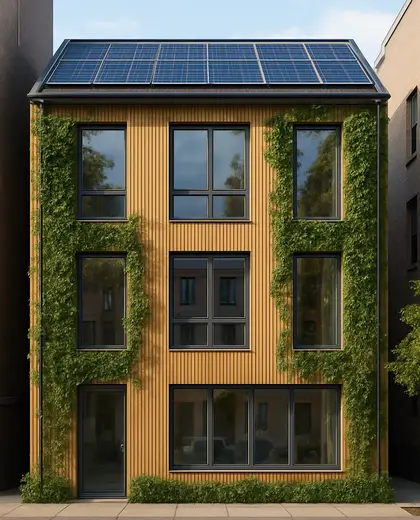
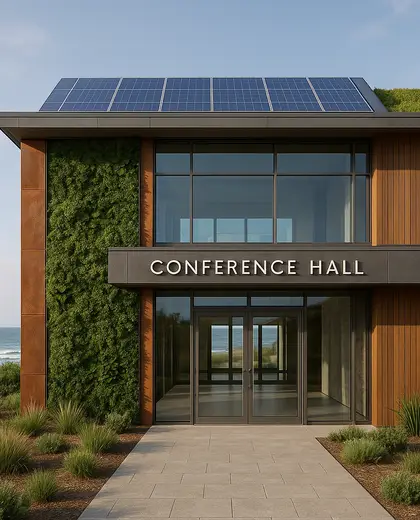
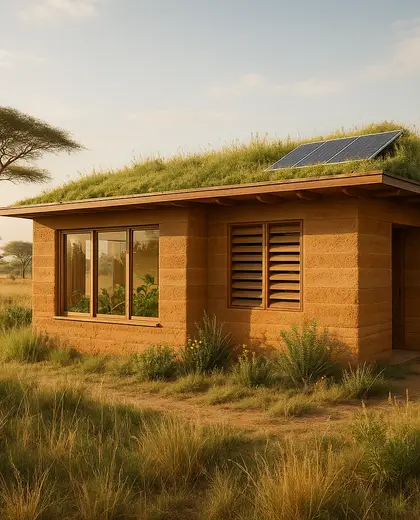
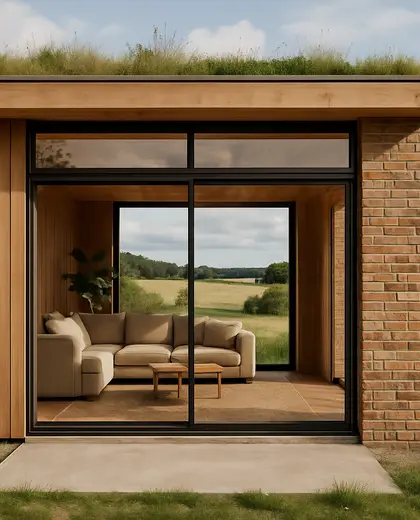
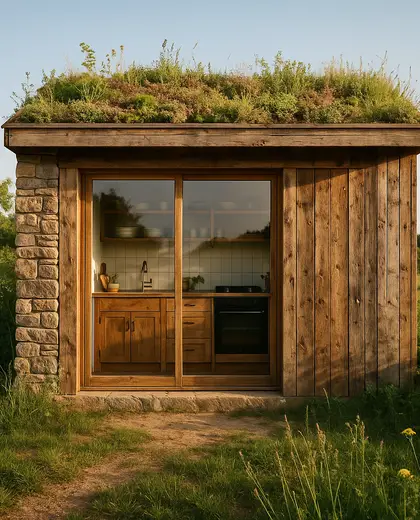
This composition is defined by a facade that reduces environmental impact through passive design, durable low-impact materials, and careful detailing. Common choices include timber, recycled brick, fiber-cement panels, metal screens, low-carbon concrete, and high-performance glazing. The palette usually stays grounded in natural tones such as earth, sand, charcoal, muted green, and weathered gray.
- facade
- sustainable
— References
References to explore

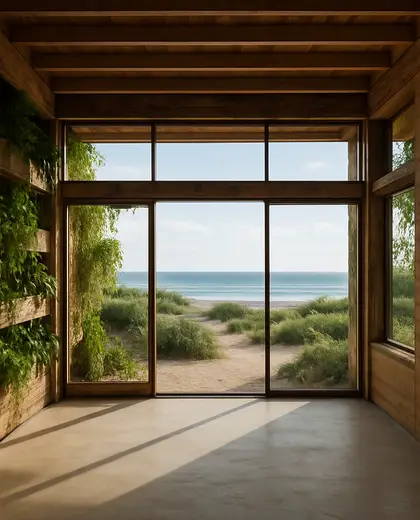
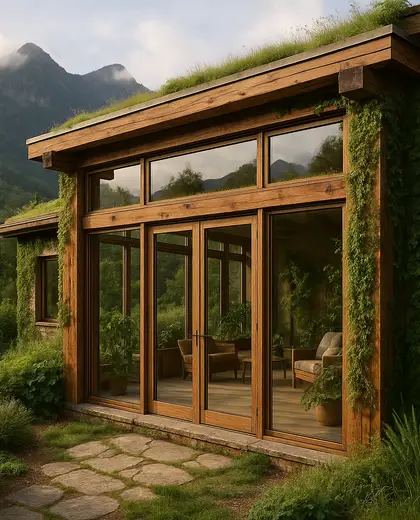
What makes a facade sustainable?
It uses durable, lower-impact materials and design choices that cut energy use, like shading, insulation, and efficient glazing.
— The style
What defines it
Timber, recycled brick, fiber-cement, perforated metal, low-carbon concrete, and energy-efficient glass.
Natural and restrained: warm browns, soft grays, blackened metal, muted greens, and weathered neutrals.
Shading devices, planting, insulation, rainwater strategies, and simple massing that improves energy performance.
— Professionals
Who has already built it

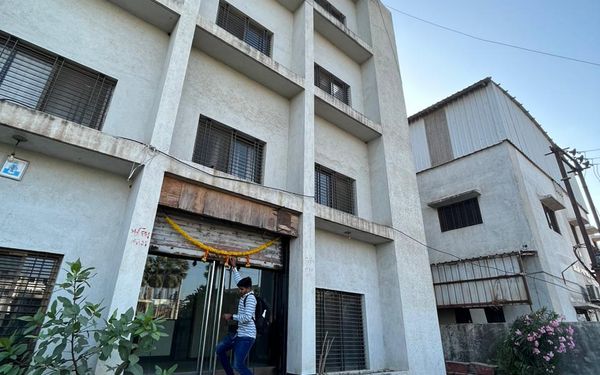

- the achievers archsmart home professionals · Delhi · 1 projectsView profile →
- home interior decoratorscarpenters · Rampur · 3 projectsView profile →
- pavit ceramics pvt ltdceramic manufacturers · Ahmedabad · 2 projectsView profile →
- Bristolfurniture sellers · Bangalore · 6 projectsView profile →
— Explore
Keep exploring
— ARTICLES
Related reading
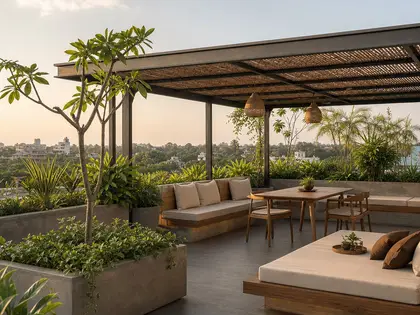
roof planning in India: where to begin before you build
A practical, India-focused starting guide for planning a roof project—covering priorities, timelines, professional input, and the key decisions to fix before work begins.
Read article →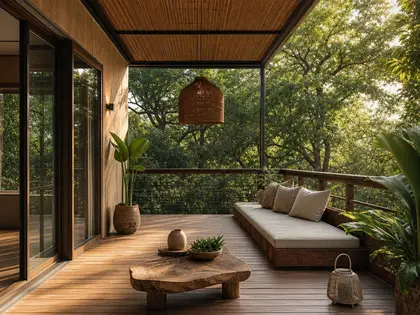
deck trends to know for a smarter, cleaner outdoor upgrade
A practical look at the latest deck trends in materials, colours, layout and tech, plus what is fading and easy ways to refresh without a full rebuild.
Read article →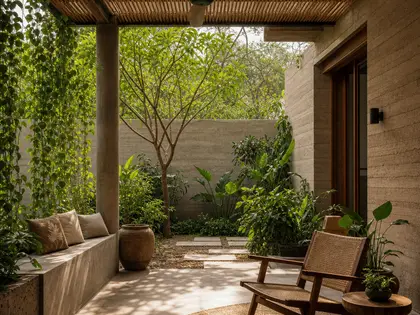
5 practical patio tips for a cooler, easier outdoor space
Simple, India-friendly patio ideas to make your outdoor area cooler, cleaner and more usable through the year.
Read article →— Questions
Frequently asked questions
What makes a facade sustainable?
It uses durable, lower-impact materials and design choices that cut energy use, like shading, insulation, and efficient glazing.
Can a sustainable facade still look contemporary?
Yes. Clean lines, textured natural materials, and a limited palette often make the facade feel more contemporary, not less.
Does this composition work on small homes?
Yes. It can be scaled to compact houses by using a few well-chosen materials, limited openings, and passive shading elements.