— Ideas & inspiration
Study composition
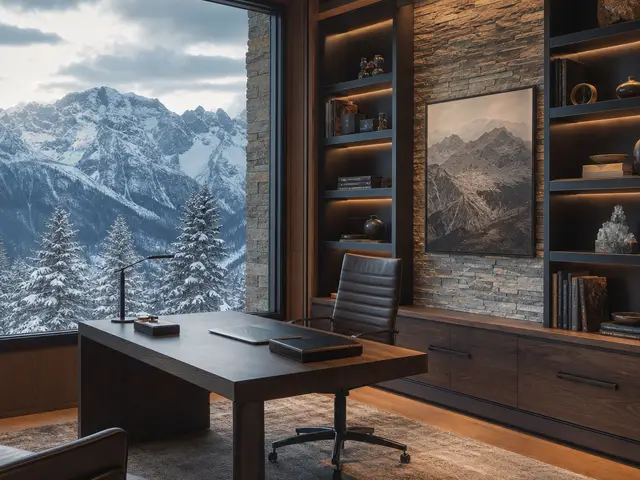
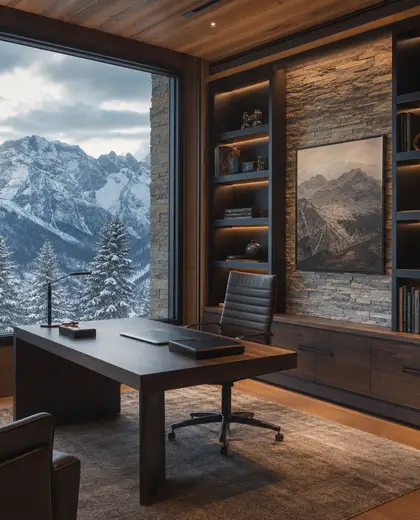
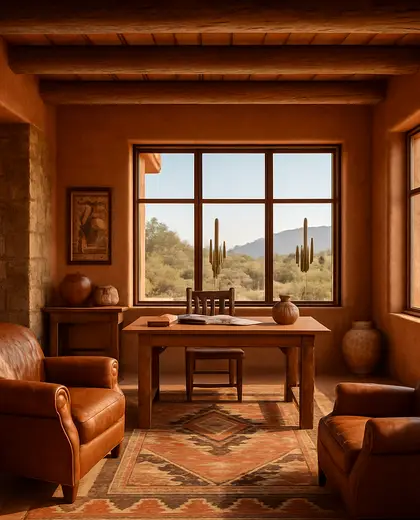
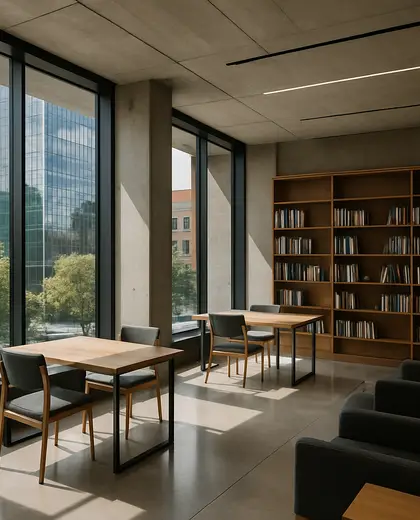
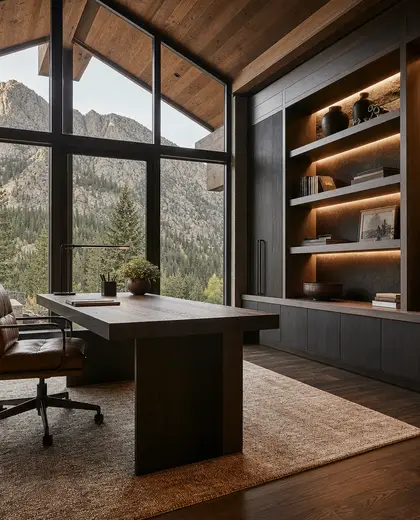
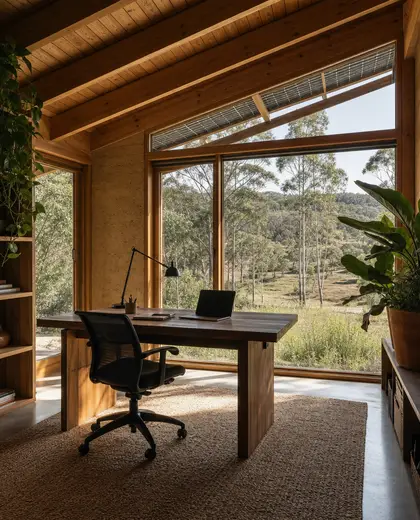
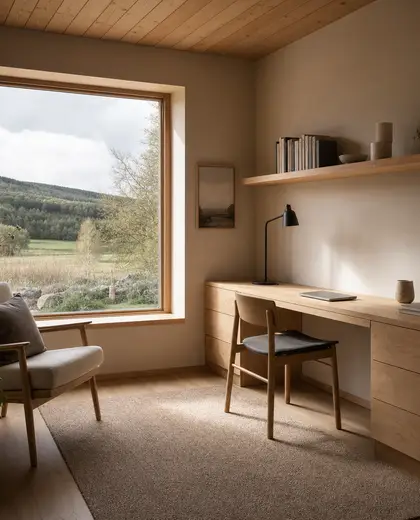
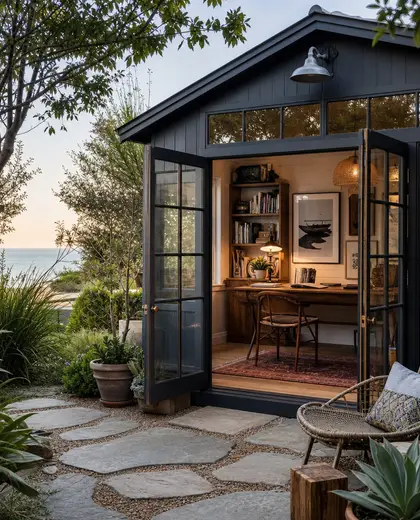
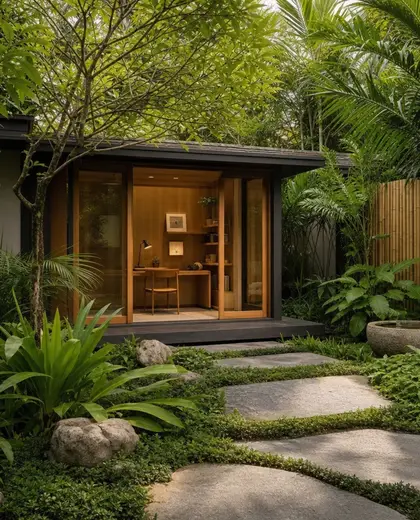
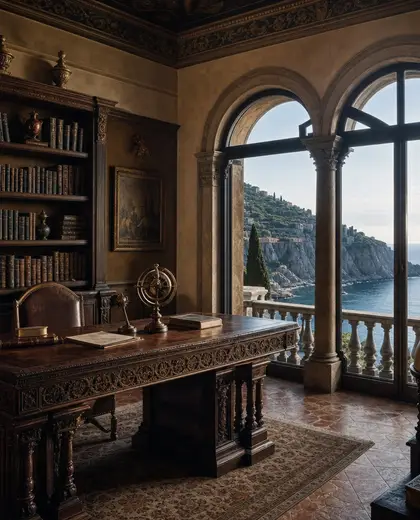
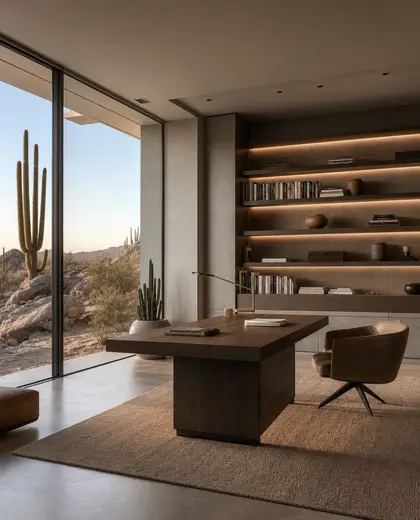
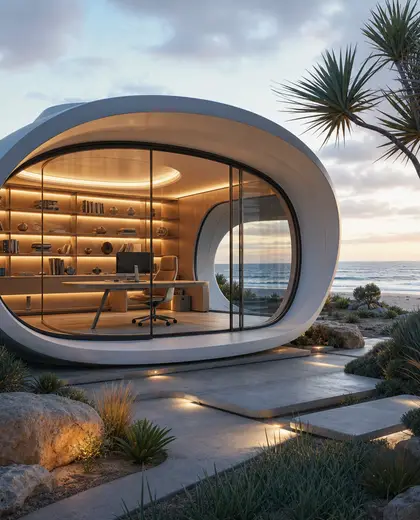
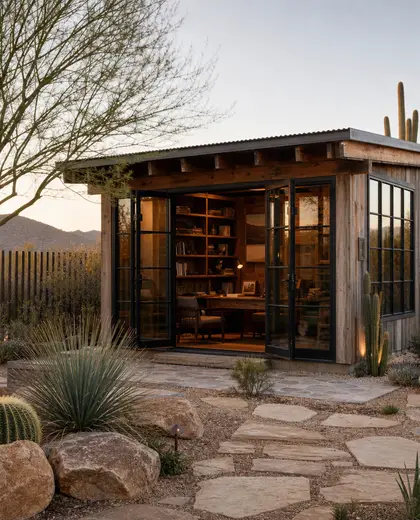
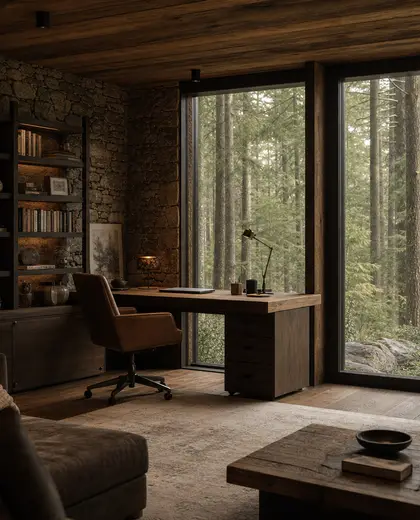
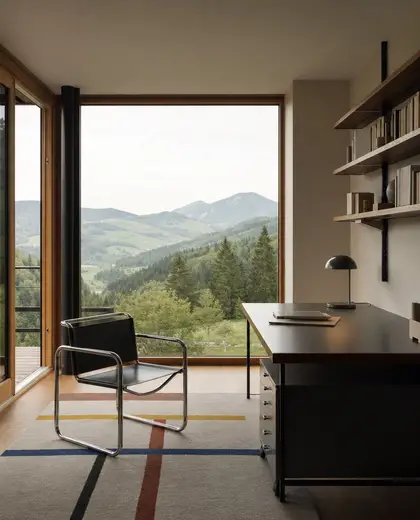
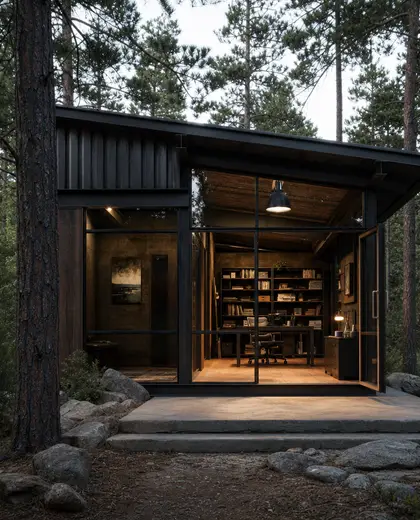
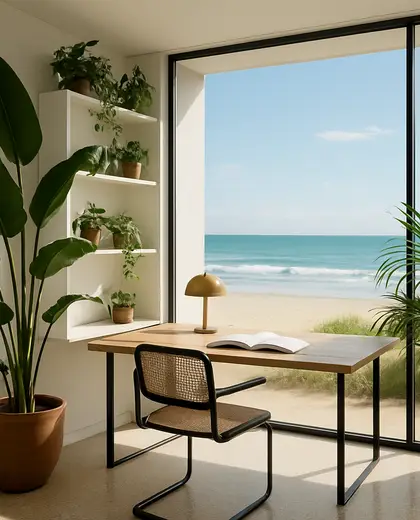
A study composition is typically built around quiet, functional finishes: timber veneer or painted joinery, matte plaster walls, and a desk surface in wood, stone, or laminate. The palette usually stays restrained, with warm neutrals, deep greens, charcoals, and soft off-whites to support focus. Shelving, concealed storage, task lighting, and a comfortable chair are the defining elements.
- study
— References
References to explore
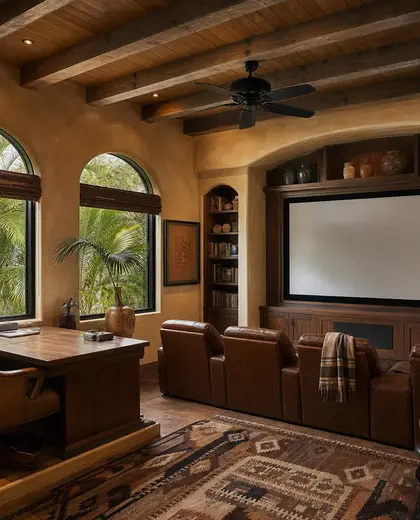
What makes a study composition different from a regular room finish?
It prioritizes concentration and storage, so the finishes usually support a desk zone, books, and lighting rather than decorative display alone.
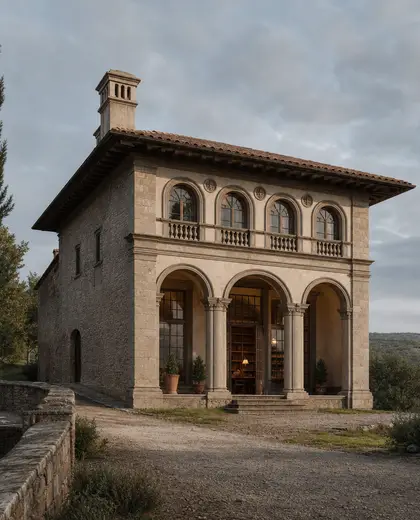
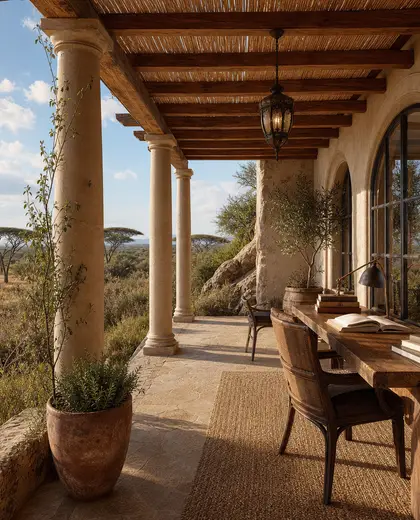
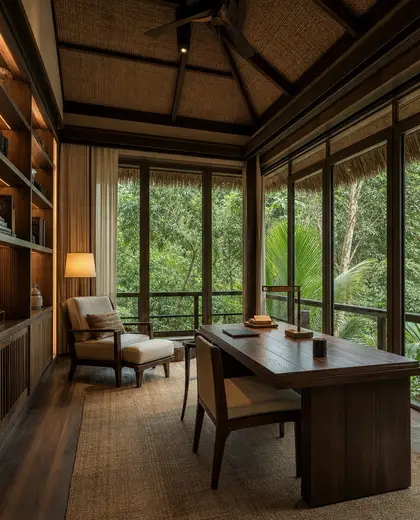
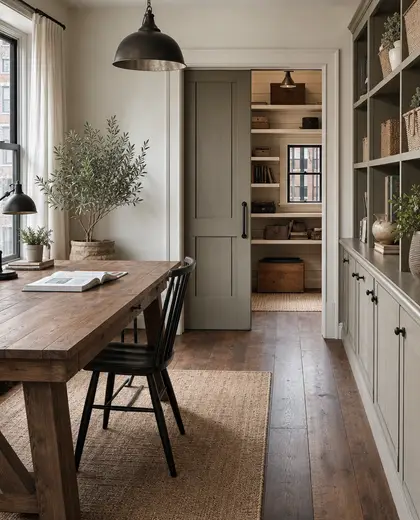
Is this composition suitable for small rooms?
Yes, especially when it uses wall-mounted shelving, integrated desks, and lighter wall colors to keep the room from feeling crowded.
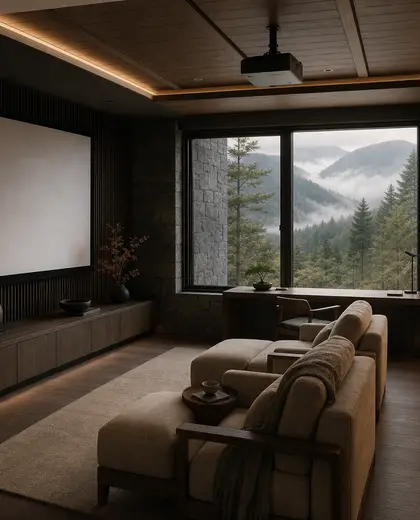
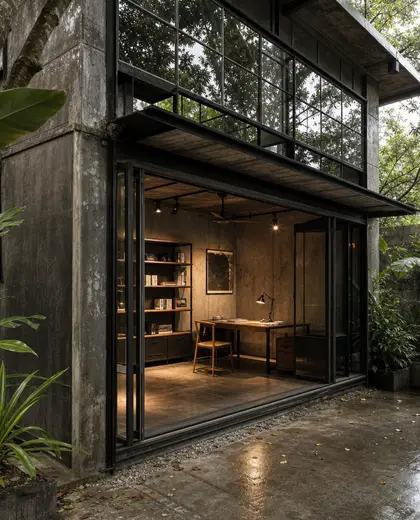
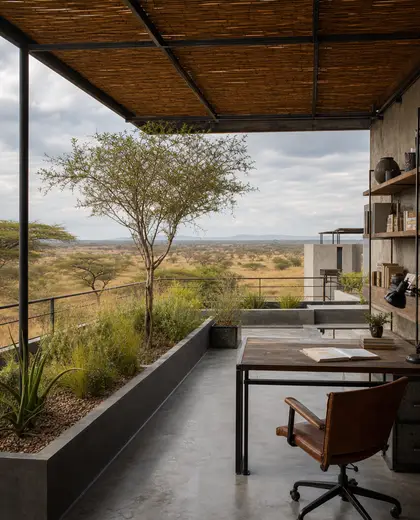
What should I choose if I want the study to feel warmer?
Use wood-based surfaces, softer off-white walls, fabric upholstery, and low-gloss finishes instead of high-shine materials.
— The style
What defines it
Timber veneer, painted MDF, plaster, stone, laminate, glass, and metal details are common.
Muted neutrals, walnut and oak tones, ink blue, forest green, charcoal, and warm white.
Works well with built-in shelving, acoustic panels, task lighting, and compact seating or a reading nook.
— Professionals
Who has already built it
- praveen kumar singh3d renderers · Ranchi · 6 projectsView profile →
- origin architectsarchitects · 6 projectsView profile →
- mawar electrical serviceselectricians · Bengaluru · 1 projectsView profile →
- anurag vermainterior designers · 6 projectsView profile →
— Questions
Frequently asked questions
What makes a study composition different from a regular room finish?
It prioritizes concentration and storage, so the finishes usually support a desk zone, books, and lighting rather than decorative display alone.
Is this composition suitable for small rooms?
Yes, especially when it uses wall-mounted shelving, integrated desks, and lighter wall colors to keep the room from feeling crowded.
What should I choose if I want the study to feel warmer?
Use wood-based surfaces, softer off-white walls, fabric upholstery, and low-gloss finishes instead of high-shine materials.