— Ideas & inspiration
Server room
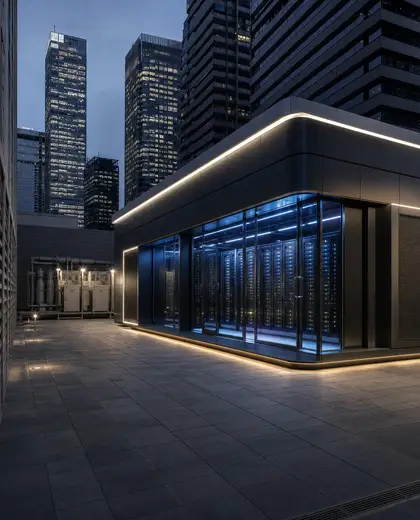
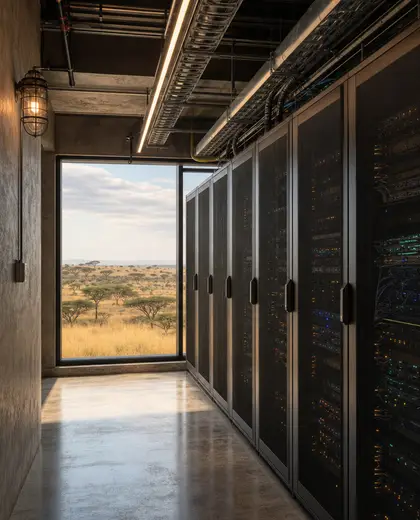
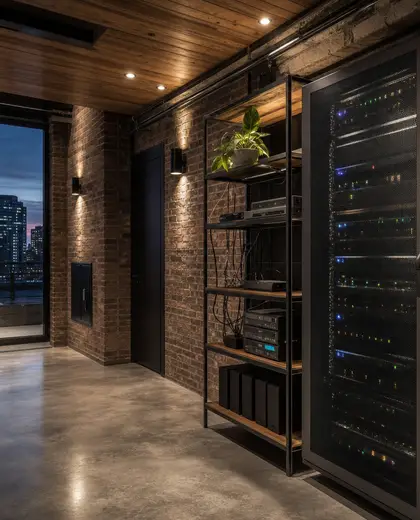
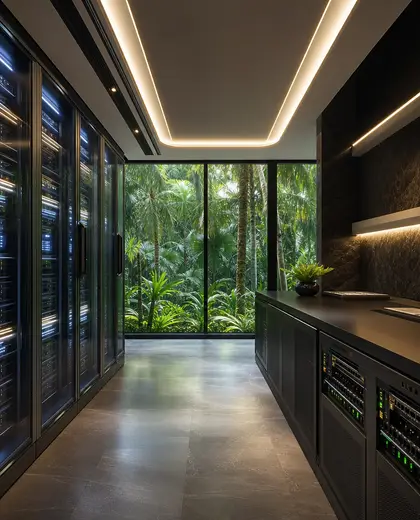
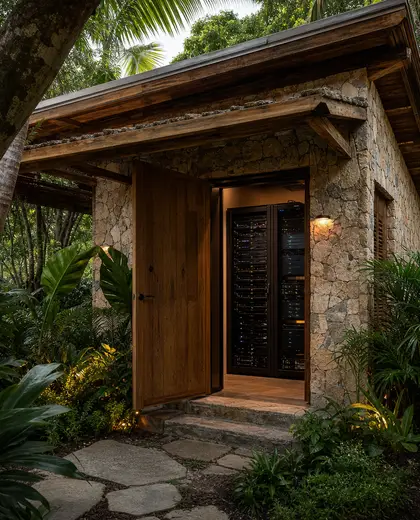
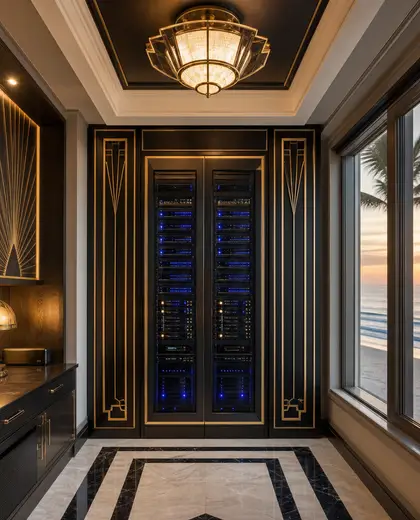
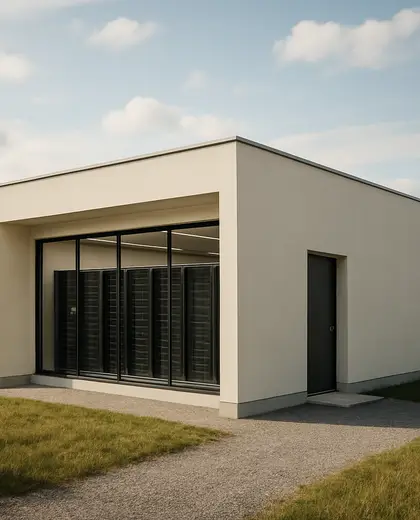
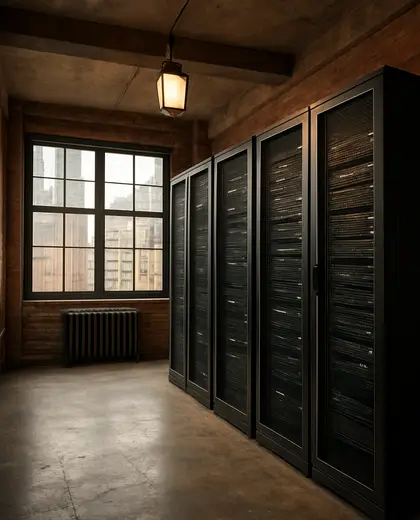
A server room is defined by high-performance infrastructure arranged in a controlled, highly organized enclosure. It typically uses anti-static raised flooring or sealed concrete, cable management systems, metal racks, and durable wall and ceiling finishes in a restrained industrial palette. Visual clarity comes from exposed technical elements, efficient cooling equipment, and disciplined lighting rather than decorative surfaces.
- server room

— References
References to explore



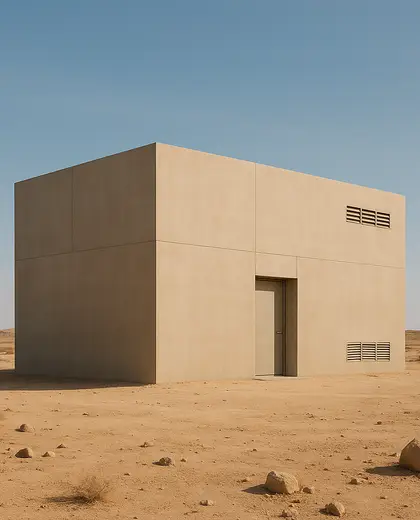
Do I need a dedicated room for servers in a home or small office?
Not always, but a dedicated room helps with cooling, noise control, security, and cable organization. Smaller setups can sometimes work in a ventilated utility closet or equipment cabinet if the load is modest.
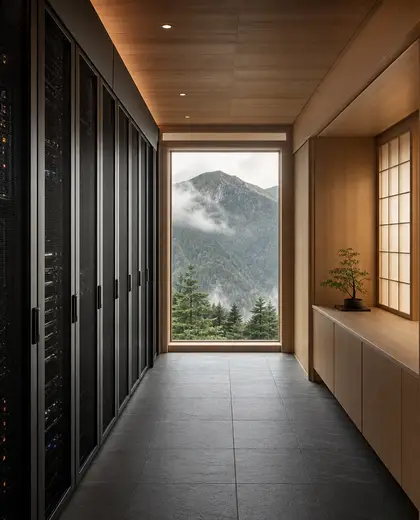
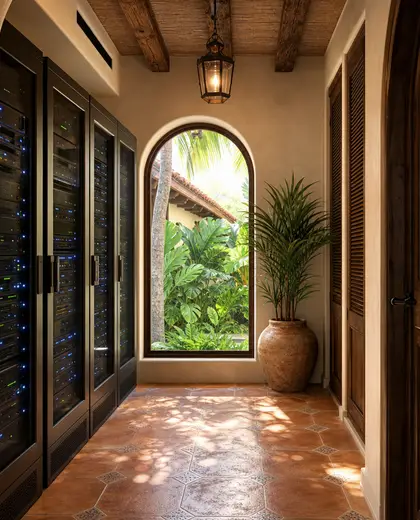
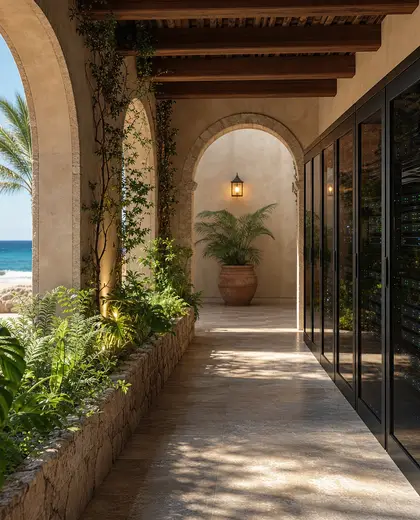
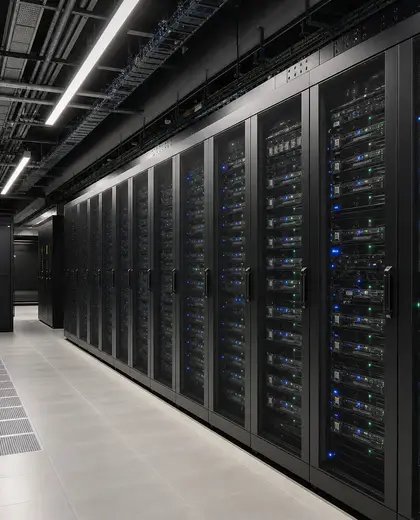
What finishes work best in a server room?
Choose durable, low-dust, non-reflective finishes that can handle heat and maintenance. Common choices are sealed concrete or raised access flooring, washable walls, and metal shelving or racks.
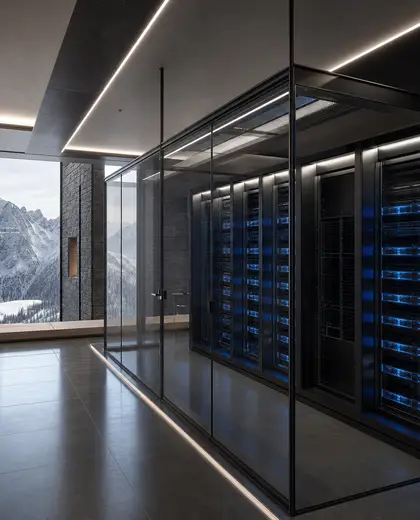
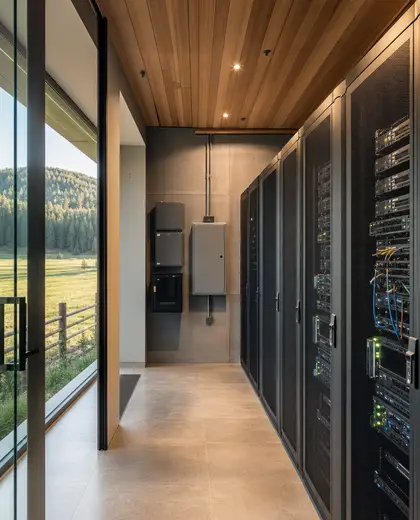
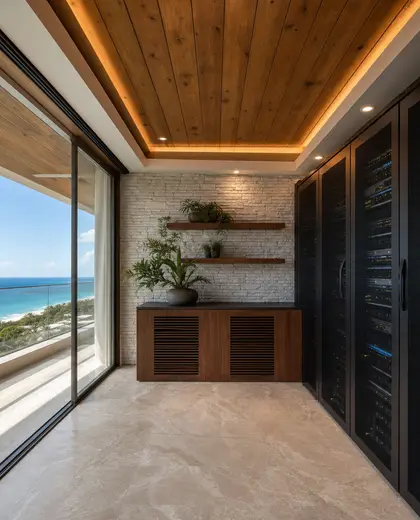
How can a server room stay quiet and cool?
Use proper ventilation or dedicated cooling, avoid overcrowding equipment, and leave clear airflow paths around racks. Acoustic treatment can reduce noise, but heat management should always come first.
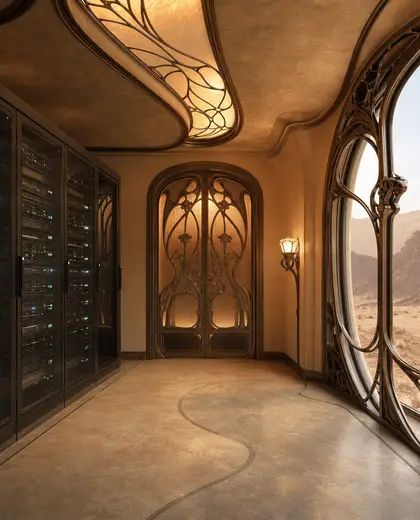
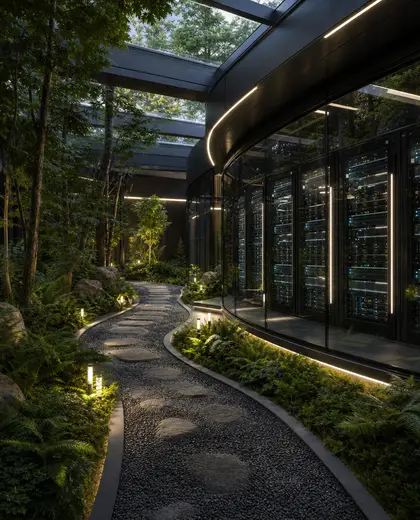
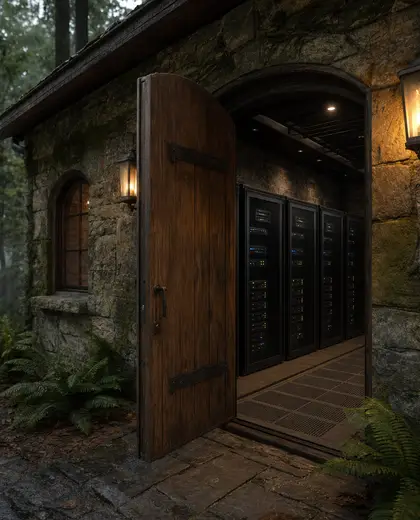
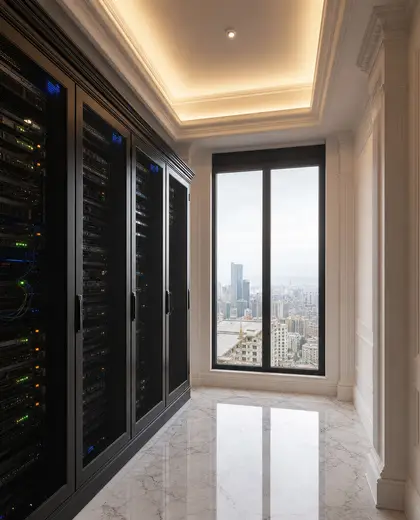

— The style
What defines it
Anti-static flooring, painted drywall or concrete, steel rack systems, cable trays, acoustically treated panels, and fire-resistant finishes.
Mostly neutral and technical: white, gray, black, dark metal, and occasional signal colors used for labeling or equipment.
Best paired with secure access controls, cooling and ventilation systems, backup power, monitoring equipment, and a clean utility-oriented envelope.
— Professionals
Who has already built it
- origin architectsarchitects · 6 projectsView profile →
- mawar electrical serviceselectricians · Bengaluru · 1 projectsView profile →
- anurag vermainterior designers · 6 projectsView profile →
- the achievers archsmart home professionals · Delhi · 1 projectsView profile →
— Questions
Frequently asked questions
Do I need a dedicated room for servers in a home or small office?
Not always, but a dedicated room helps with cooling, noise control, security, and cable organization. Smaller setups can sometimes work in a ventilated utility closet or equipment cabinet if the load is modest.
What finishes work best in a server room?
Choose durable, low-dust, non-reflective finishes that can handle heat and maintenance. Common choices are sealed concrete or raised access flooring, washable walls, and metal shelving or racks.
How can a server room stay quiet and cool?
Use proper ventilation or dedicated cooling, avoid overcrowding equipment, and leave clear airflow paths around racks. Acoustic treatment can reduce noise, but heat management should always come first.