— Ideas & inspiration
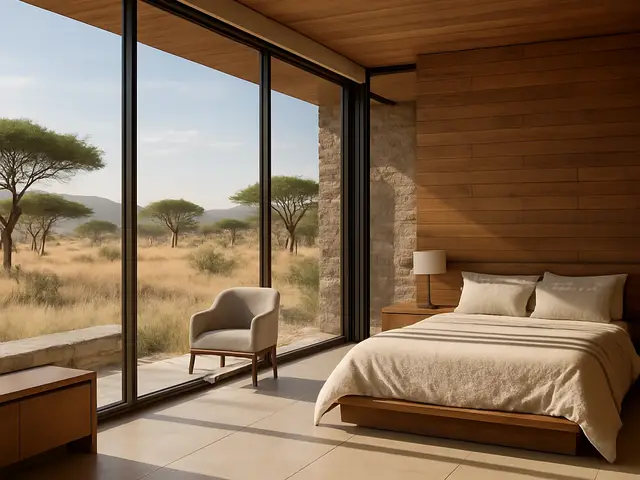
Savanna composition
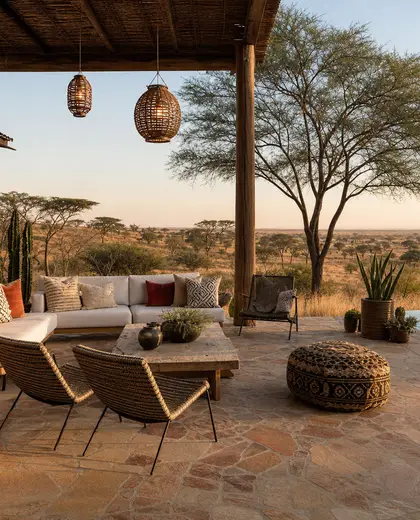
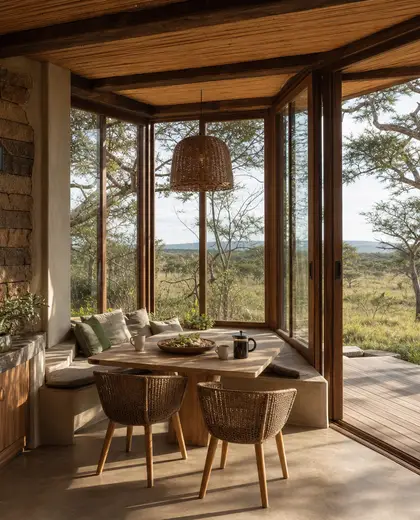
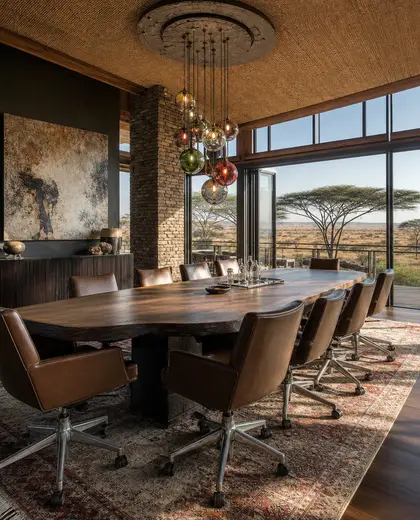
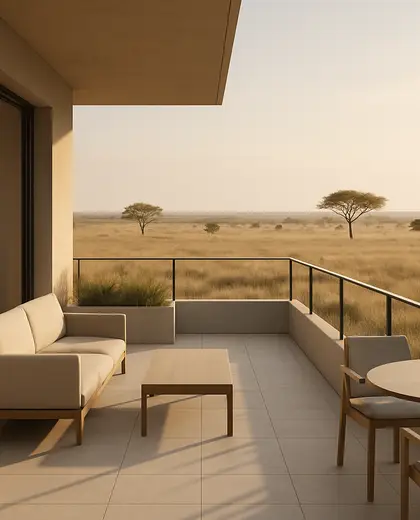
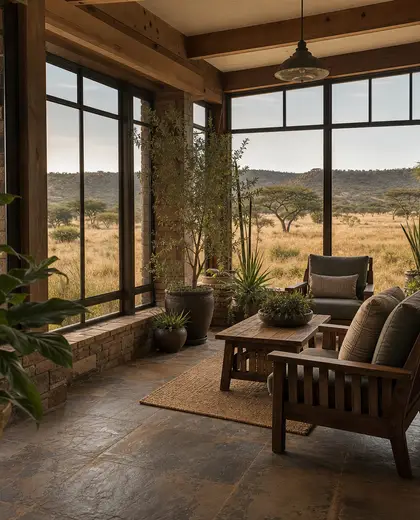
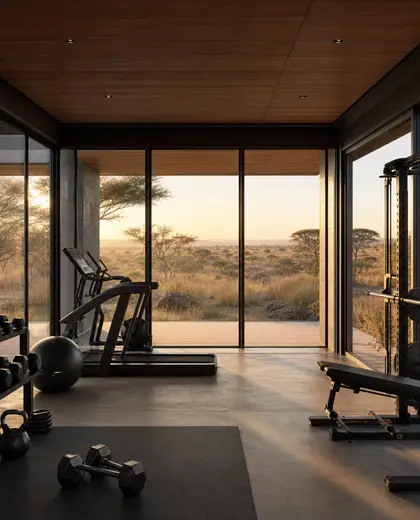
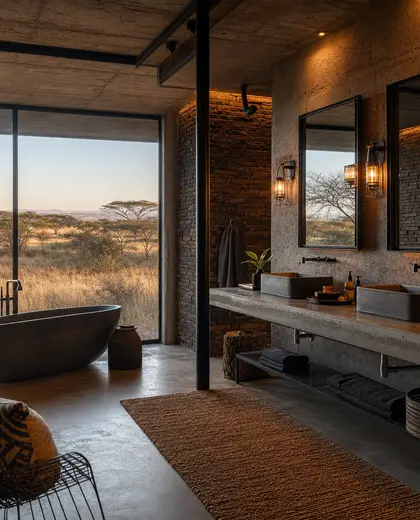
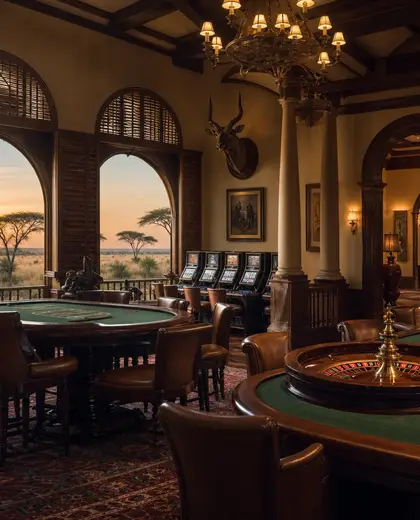
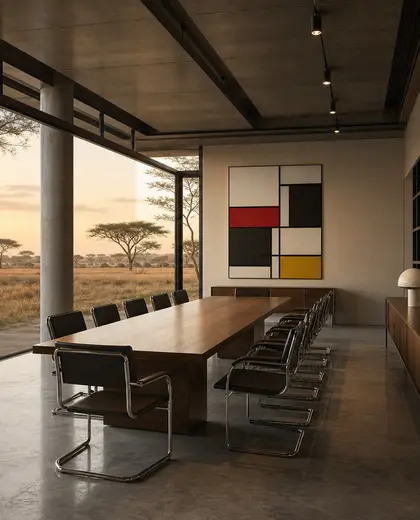
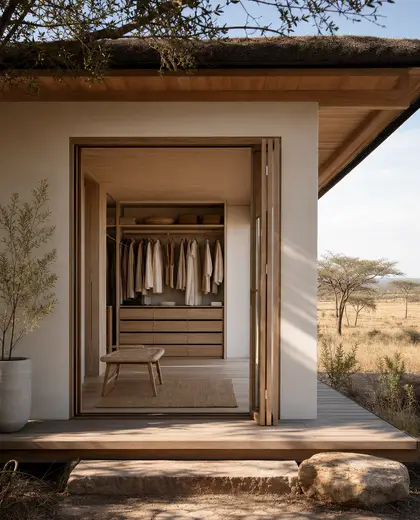
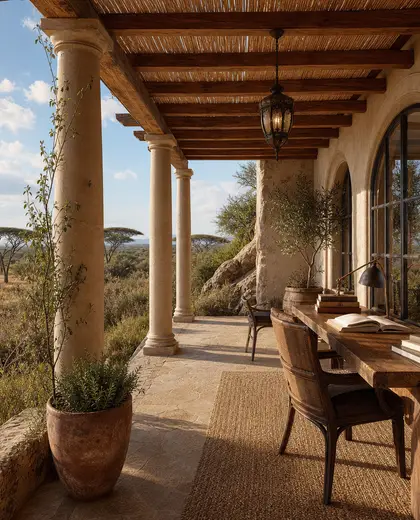
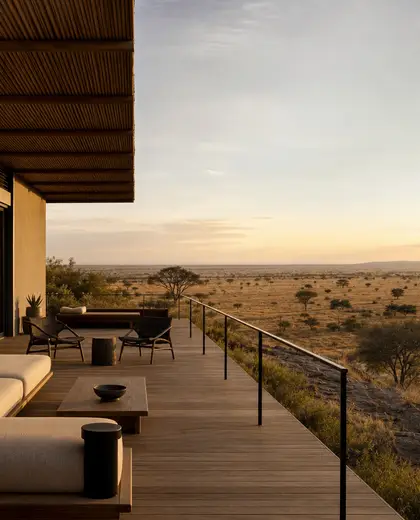
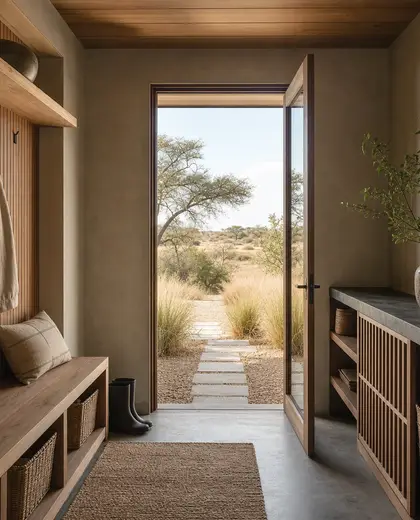
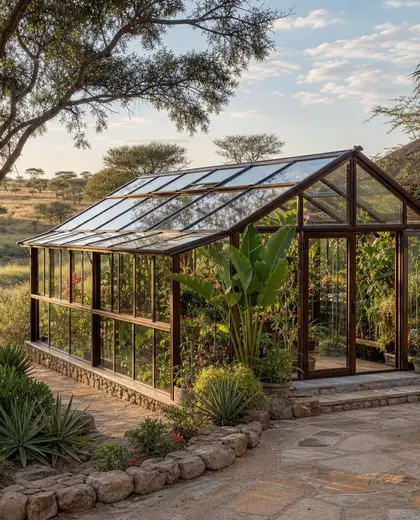
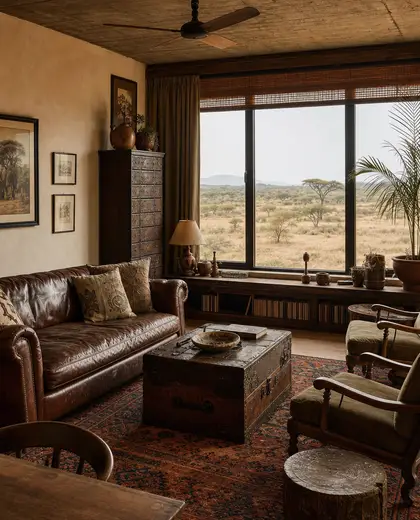
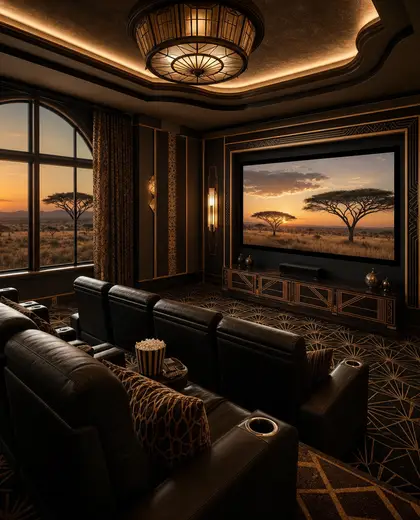
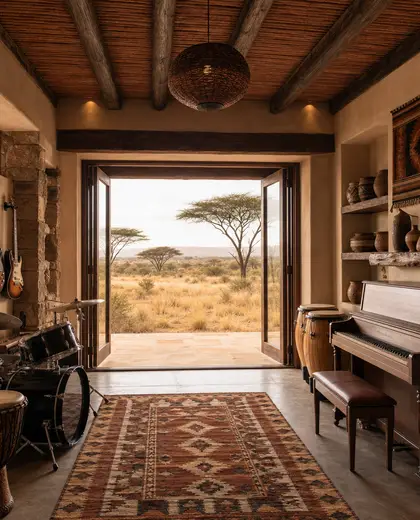
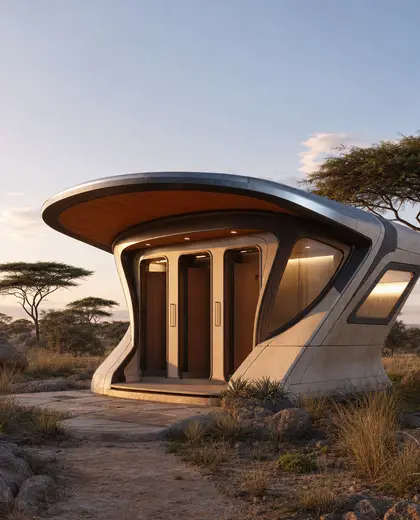
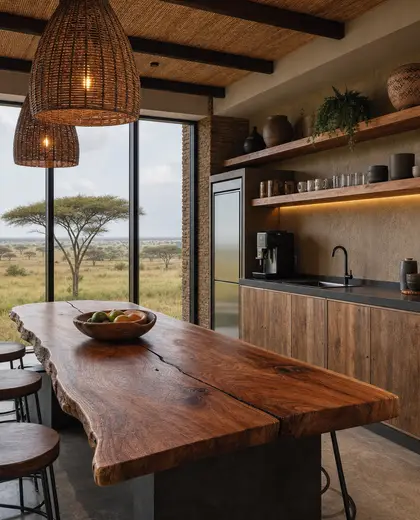
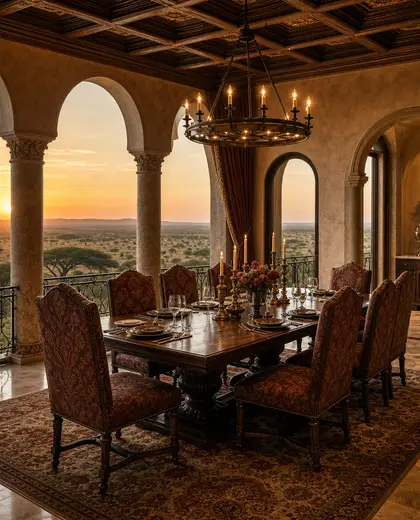
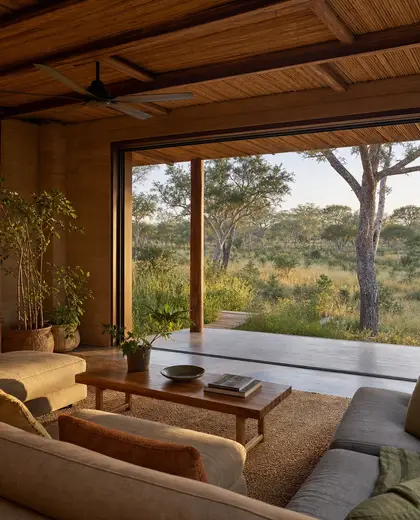
Savanna is defined by warm earth-toned finishes, tactile natural materials, and a grounded, organic feel. It typically pairs clay, timber, stone, linen, and woven fibers with soft curves, low-profile furniture, and sparse but intentional decor. The composition reads calm and sun-washed, with an emphasis on texture over ornament.
- savanna
— References
References to explore
Is savanna a warm or cool style?
It is a warm style, built around sun-baked neutrals, earthy reds, and natural browns rather than cool greys or stark whites.
What kind of materials should I use for a savanna look?
Use materials that feel natural and tactile, such as wood, stone, plaster, linen, and woven accessories, with matte rather than glossy finishes.
Can savanna work in a small home?
Yes, if the palette stays light and the texture is edited carefully. Too many dark earth tones can make a small room feel heavier, so keep the base tones soft and balanced.
— The style
What defines it
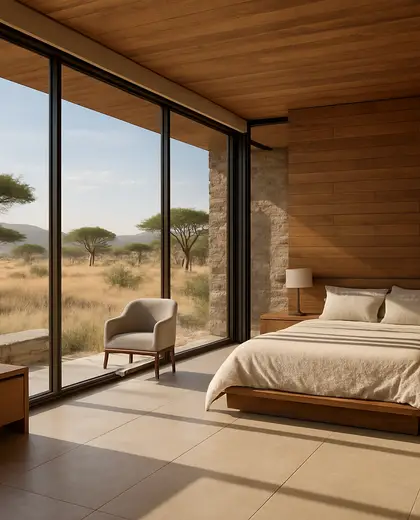
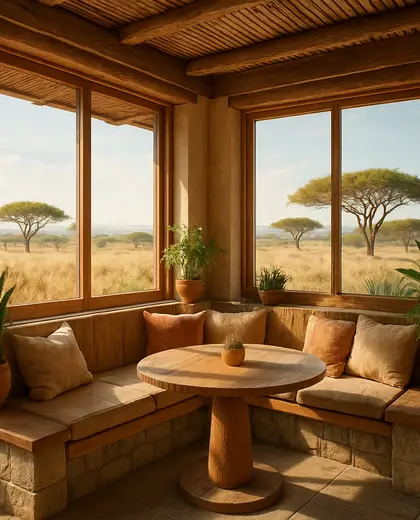
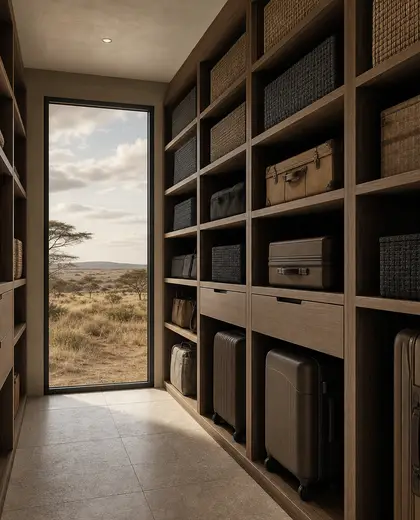
Clay plaster, timber, natural stone, linen, rattan, jute, and matte metals are common.
Sand, ochre, terracotta, warm brown, muted olive, and faded beige form the base, often lifted by off-white.
Works well with rustic, wabi-sabi, contemporary organic, and minimalist interiors that need warmth and texture.
— Professionals
Who has already built it
- the achievers archsmart home professionals · Delhi · 1 projectsView profile →
- ar prerna modiarchitects · 6 projectsView profile →
- home interior decoratorscarpenters · Rampur · 3 projectsView profile →
- pavit ceramics pvt ltdceramic manufacturers · Ahmedabad · 2 projectsView profile →
— Questions
Frequently asked questions
Is savanna a warm or cool style?
It is a warm style, built around sun-baked neutrals, earthy reds, and natural browns rather than cool greys or stark whites.
What kind of materials should I use for a savanna look?
Use materials that feel natural and tactile, such as wood, stone, plaster, linen, and woven accessories, with matte rather than glossy finishes.
Can savanna work in a small home?
Yes, if the palette stays light and the texture is edited carefully. Too many dark earth tones can make a small room feel heavier, so keep the base tones soft and balanced.