— Ideas & inspiration
Rural composition
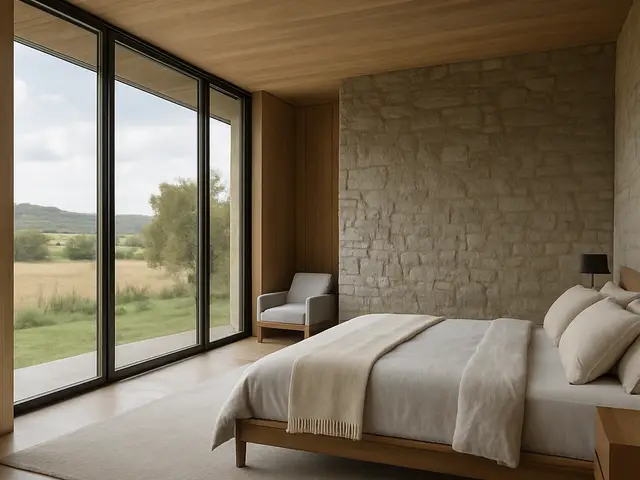
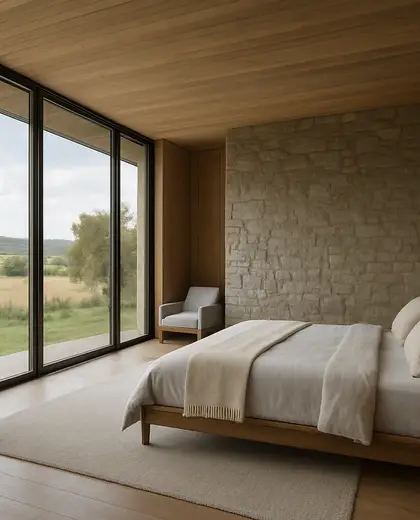
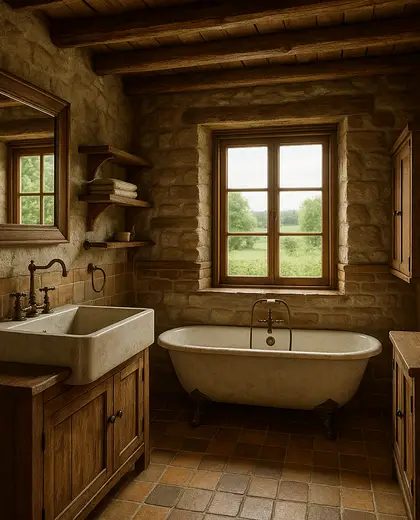
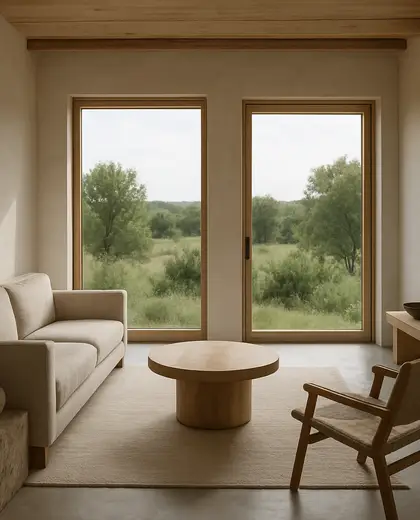
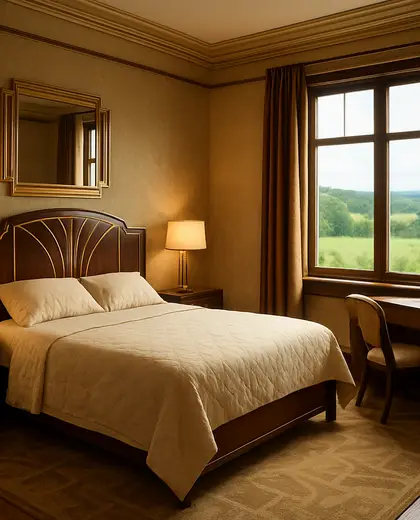
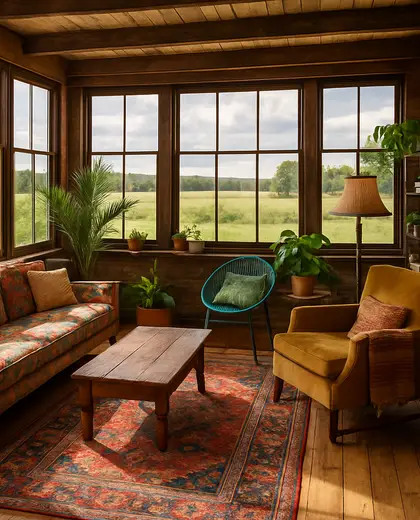
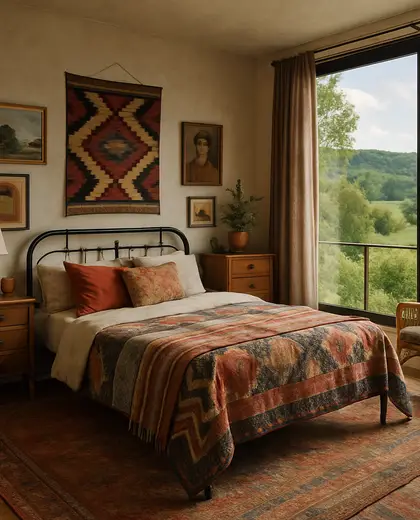
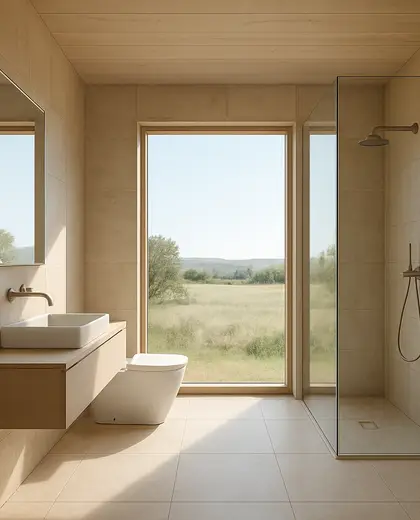
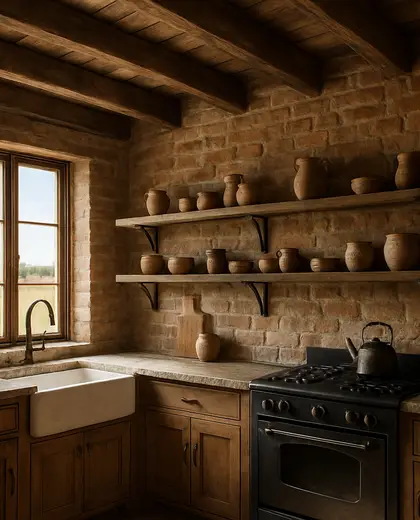
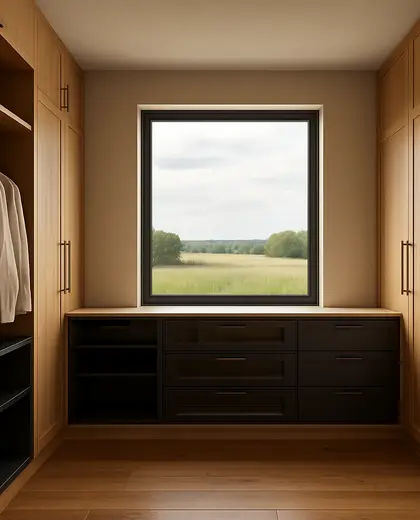
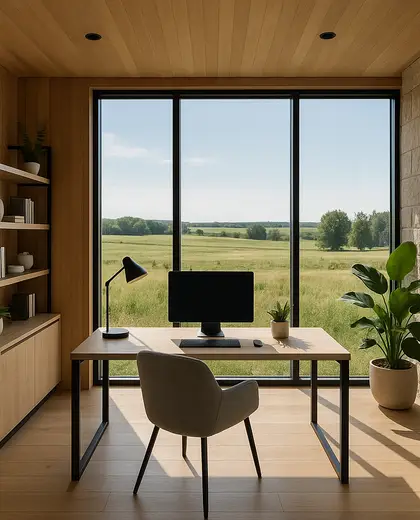
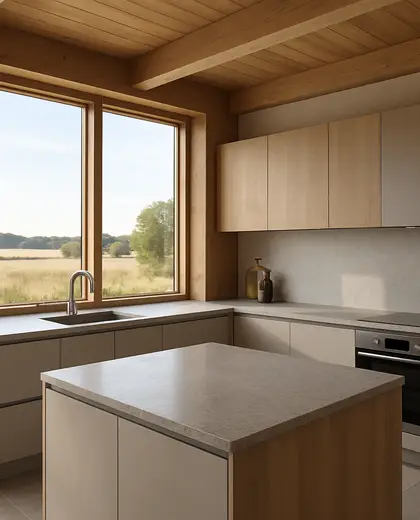
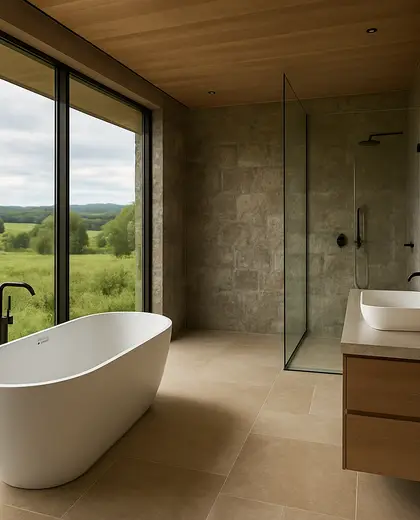
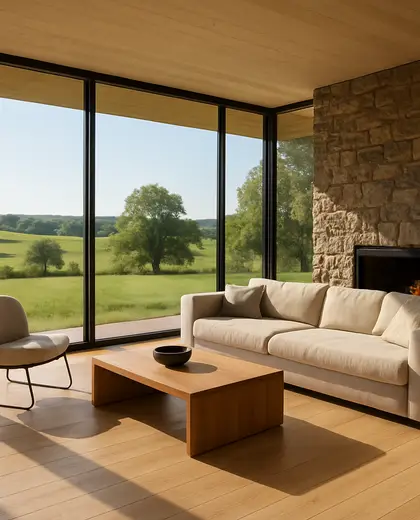
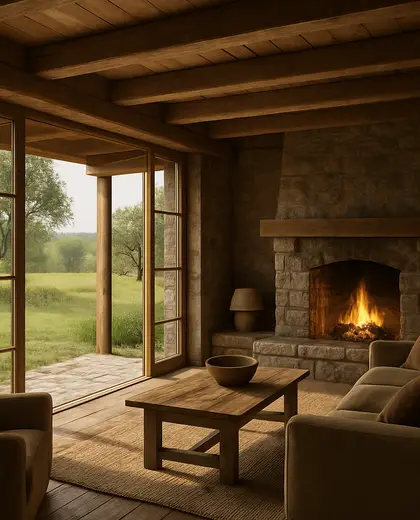
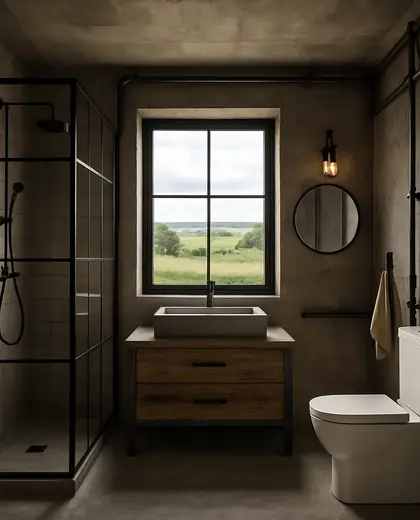
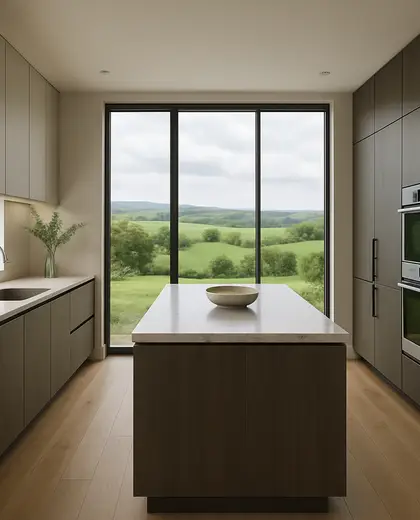
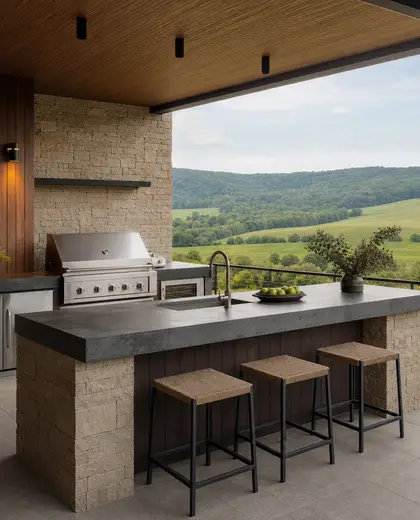
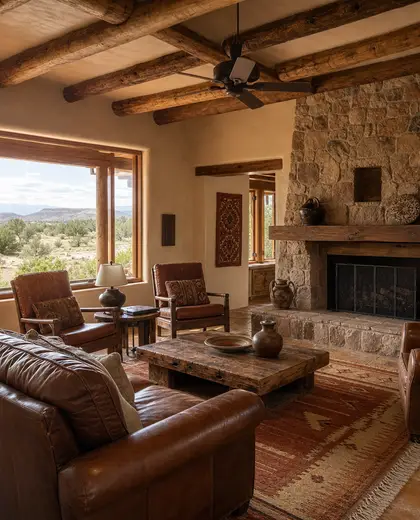
A rural composition is defined by natural materials such as timber, stone, lime plaster, clay, linen, and wicker. The palette is typically warm and muted, with earthy browns, soft whites, moss greens, and weathered greys. It often includes exposed beams, simple joinery, textured walls, and handcrafted details that feel tied to the landscape.
- rural
— References
References to explore
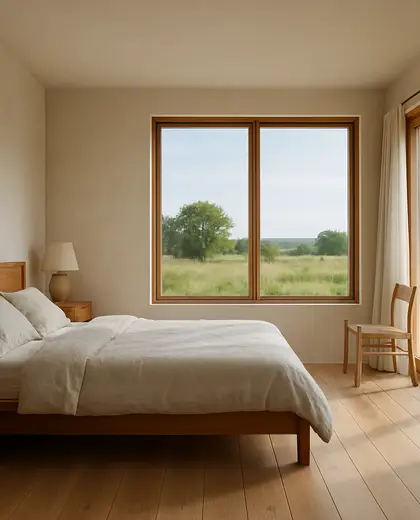
What makes a space feel rural rather than just rustic?
Rural spaces usually feel more tied to the surrounding landscape and local building traditions. They rely on natural textures, restrained colors, and honest materials rather than decorative or heavily distressed finishes.
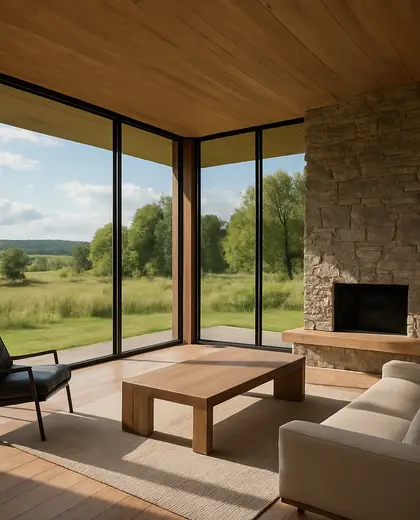
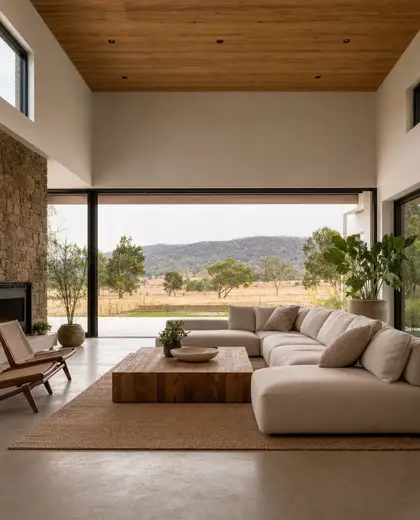
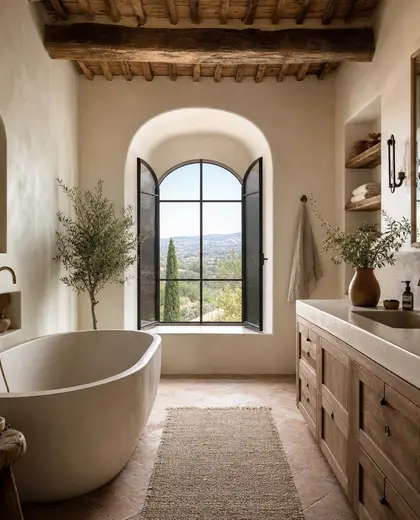
Can a rural composition work in a modern home?
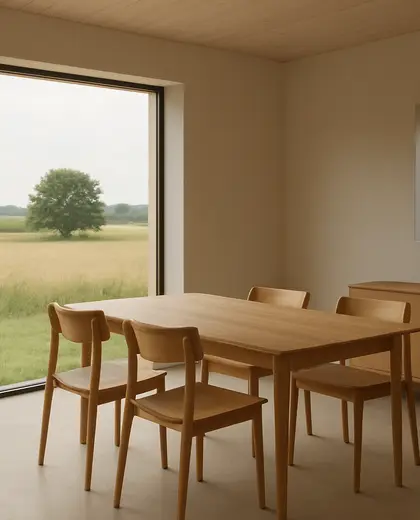
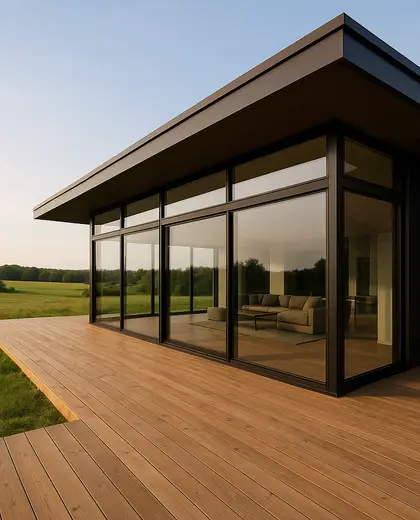
Yes. It can be translated through clean-lined furniture, timber accents, stone or plaster surfaces, and a muted palette. The key is keeping the materials tactile and the details simple.
What should I avoid if I want this look?
Avoid glossy finishes, overly ornate trim, and high-contrast color schemes. Very polished surfaces and synthetic-looking materials can weaken the calm, grounded character of the composition.
— The style
What defines it
Timber, stone, plaster, clay, linen, wicker, and other low-gloss natural finishes.
Earth tones, softened neutrals, muted greens, and greyed blues, often with weathered or sun-faded effects.
Works well with rustic, traditional, farmhouse, and contemporary spaces that use simple forms and tactile surfaces.
— Professionals
Who has already built it
- sbv srinivasarchitects · Bengaluru · 6 projectsView profile →
- the achievers archsmart home professionals · Delhi · 1 projectsView profile →
- home interior decoratorscarpenters · Rampur · 3 projectsView profile →
- pavit ceramics pvt ltdceramic manufacturers · Ahmedabad · 2 projectsView profile →
— Questions
Frequently asked questions
What makes a space feel rural rather than just rustic?
Rural spaces usually feel more tied to the surrounding landscape and local building traditions. They rely on natural textures, restrained colors, and honest materials rather than decorative or heavily distressed finishes.
Can a rural composition work in a modern home?
Yes. It can be translated through clean-lined furniture, timber accents, stone or plaster surfaces, and a muted palette. The key is keeping the materials tactile and the details simple.
What should I avoid if I want this look?
Avoid glossy finishes, overly ornate trim, and high-contrast color schemes. Very polished surfaces and synthetic-looking materials can weaken the calm, grounded character of the composition.