— Ideas & inspiration
Renaissance grace in a rural setting
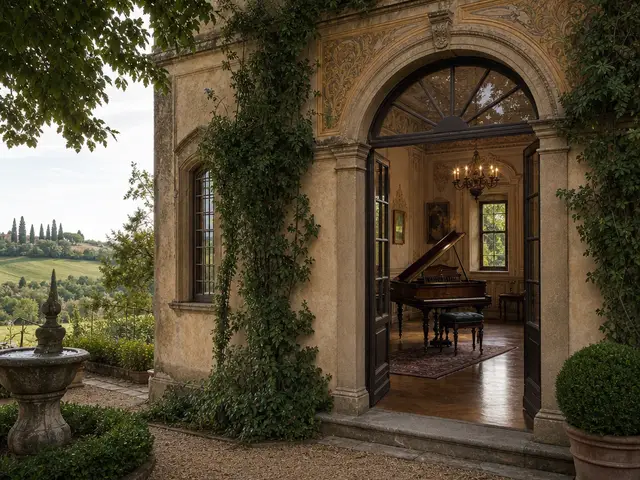
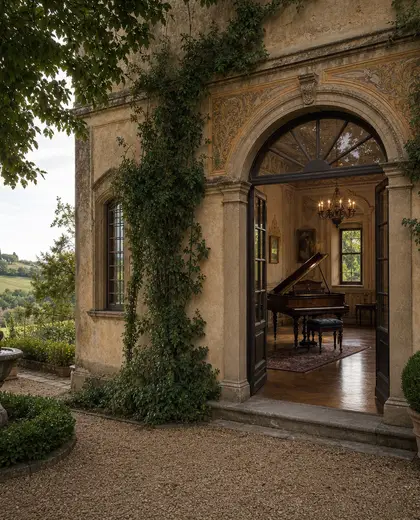
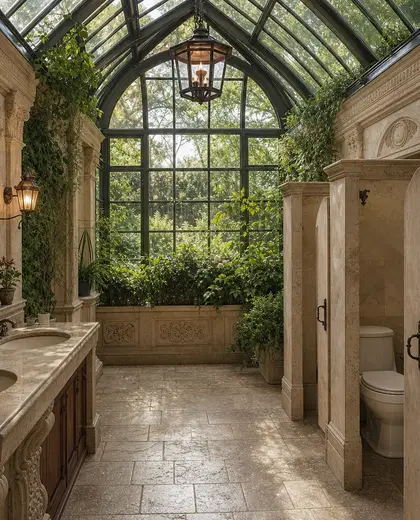
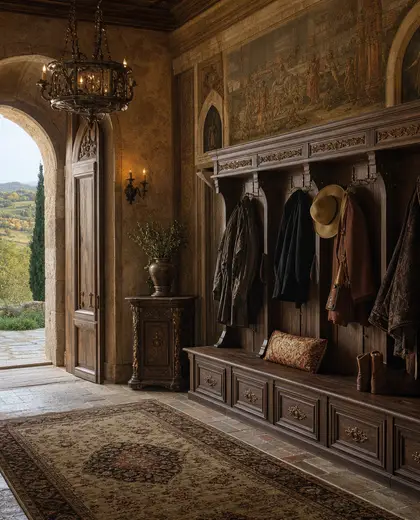
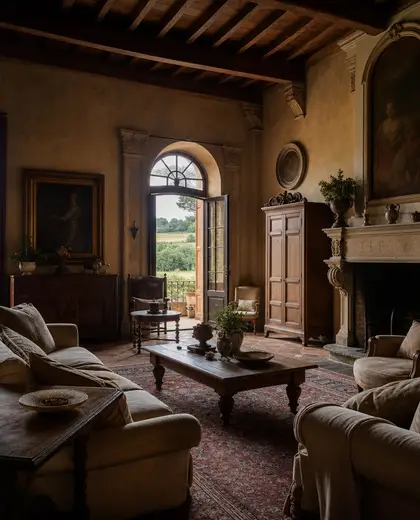
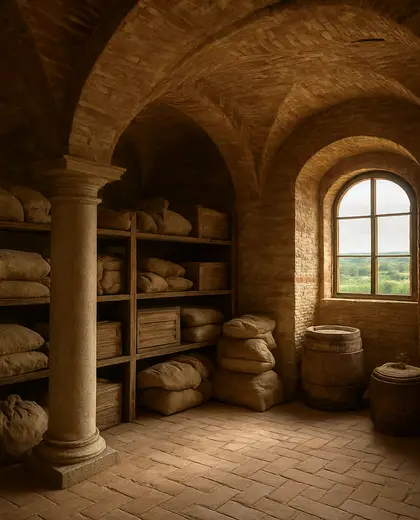
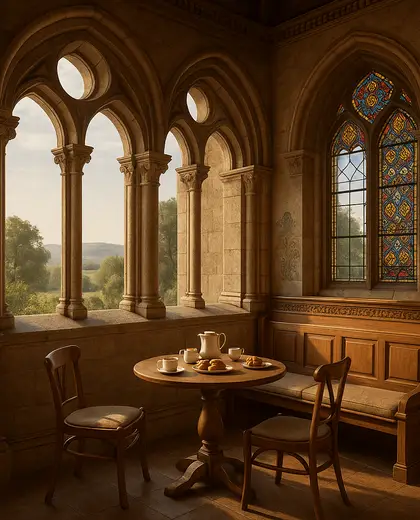
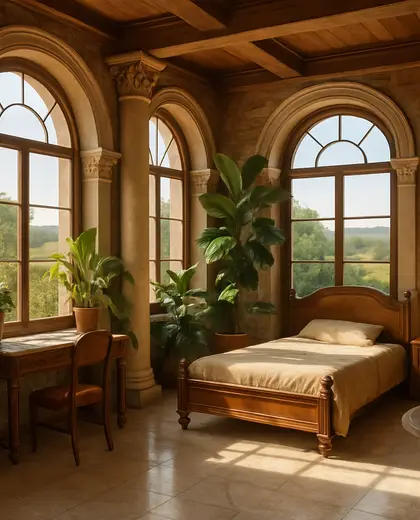
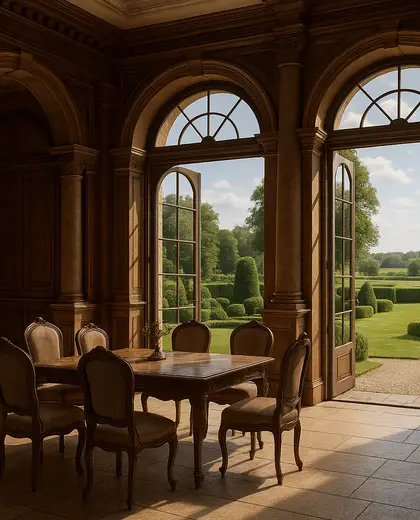
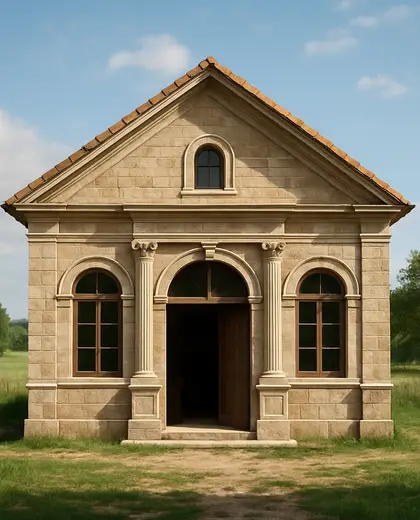
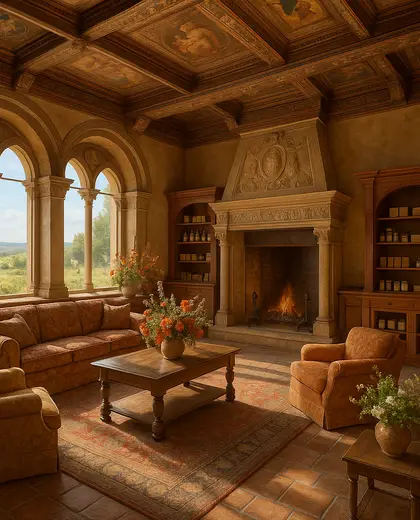
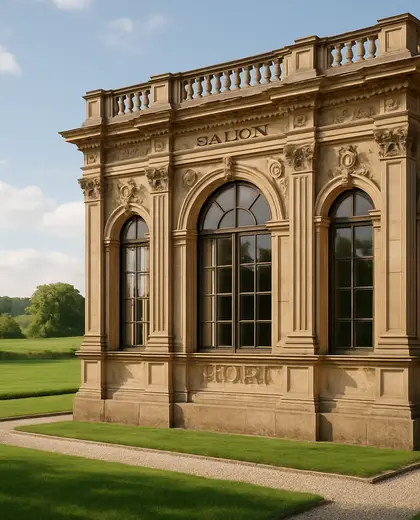
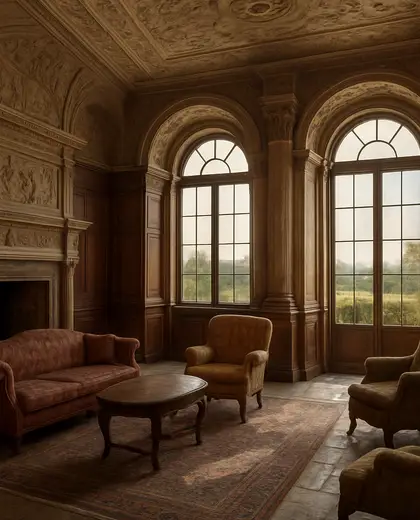
This composition pairs Renaissance symmetry and proportion with the relaxed simplicity of rural architecture. Expect stone or stucco walls, arched openings, pitched roofs, timber details, and a grounded plan shaped by courtyards, loggias, or farmhouse-like wings. The palette stays warm and natural: limestone, muted plaster, aged wood, terracotta, and soft earth tones.
- renaissance
- rural
— References
References to explore
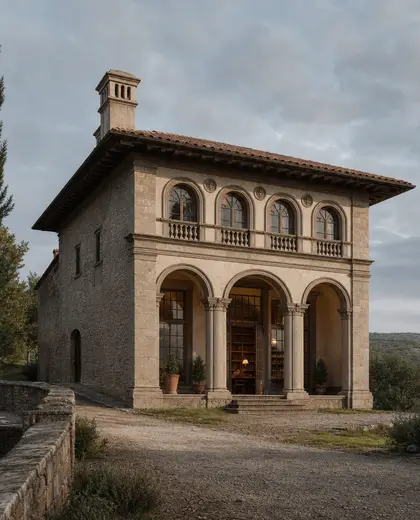
Does this style feel formal or rustic?
It sits between the two: formal in its proportions and openings, but rustic in its materials and setting.
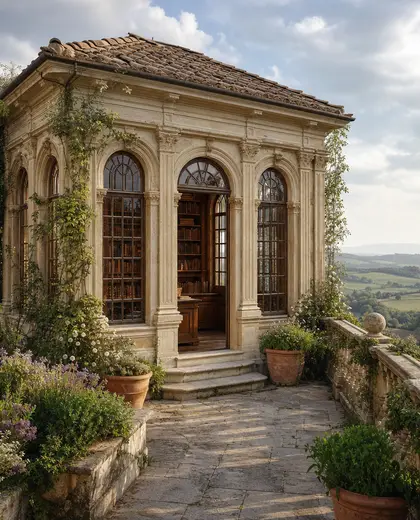
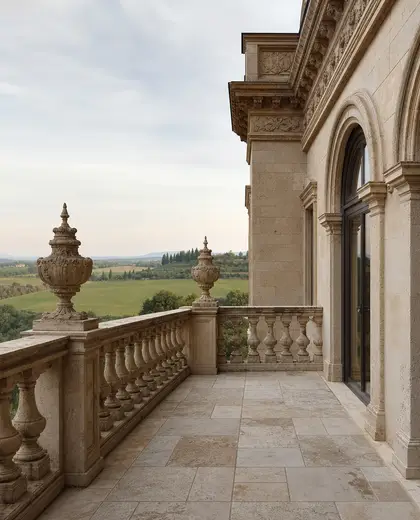
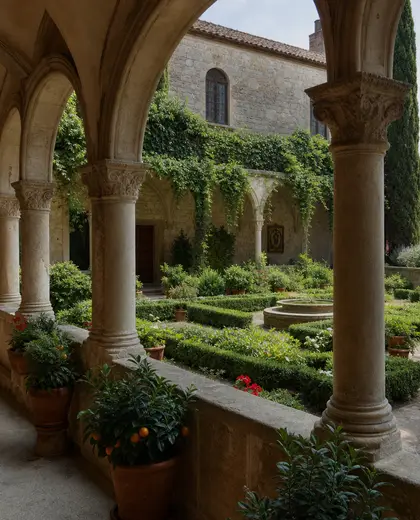
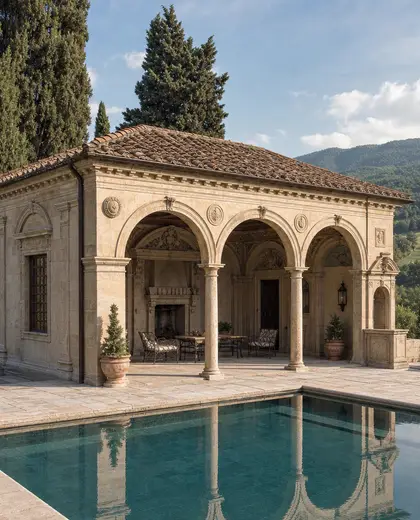
What exterior features help make it read as Renaissance-rural?
Arches, balanced facades, a central entry, low or pitched roofs, stone bases, and timber or plaster surfaces are the clearest cues.
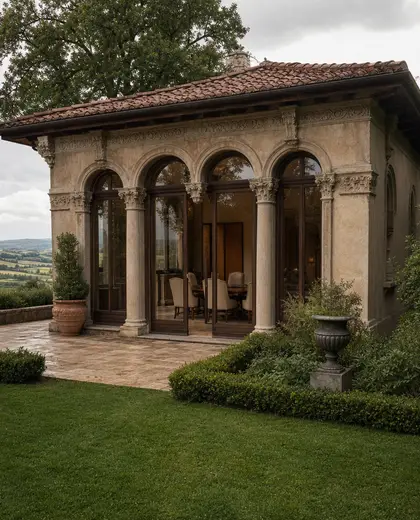
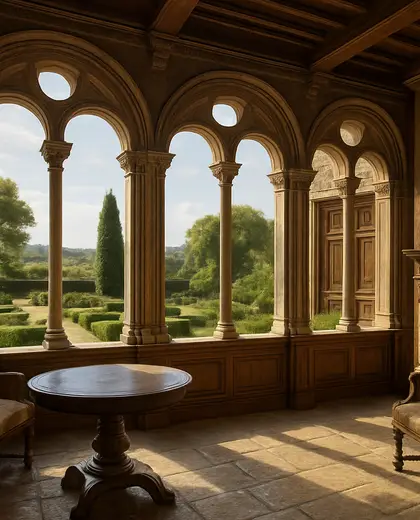
What kind of setting suits this composition best?
It works best on open sites, gardens, small estates, or countryside plots where the building can relate to terraces, courtyards, and surrounding landscape.
— The style
What defines it
Stone, lime plaster, timber beams, terracotta roof tiles, wrought iron, and weathered finishes.
Warm whites, ochre, clay, sand, muted green, soft beige, and darker natural accents.
Classical symmetry, arched openings, and formal detailing combined with farmhouse massing, rural landscapes, and practical outdoor spaces.
— Professionals
Who has already built it
- origin architectsarchitects · 6 projectsView profile →
- mawar electrical serviceselectricians · Bengaluru · 1 projectsView profile →
- anurag vermainterior designers · 6 projectsView profile →
- the achievers archsmart home professionals · Delhi · 1 projectsView profile →
— Questions
Frequently asked questions
Does this style feel formal or rustic?
It sits between the two: formal in its proportions and openings, but rustic in its materials and setting.
What exterior features help make it read as Renaissance-rural?
Arches, balanced facades, a central entry, low or pitched roofs, stone bases, and timber or plaster surfaces are the clearest cues.
What kind of setting suits this composition best?
It works best on open sites, gardens, small estates, or countryside plots where the building can relate to terraces, courtyards, and surrounding landscape.