— Ideas & inspiration
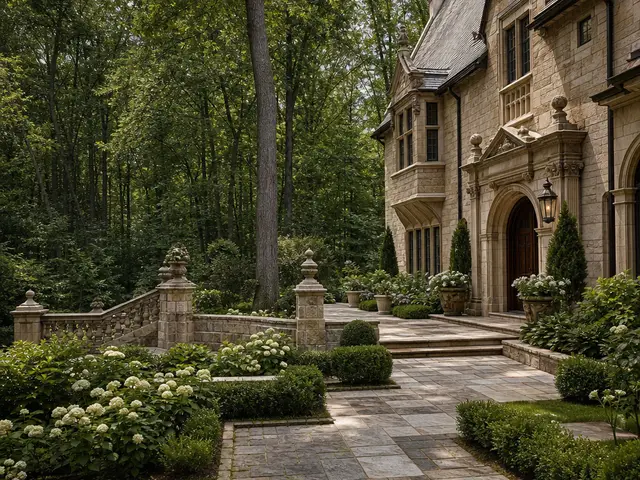
Renaissance in the forest
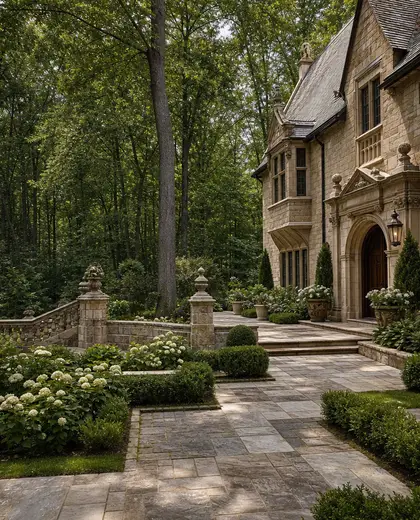
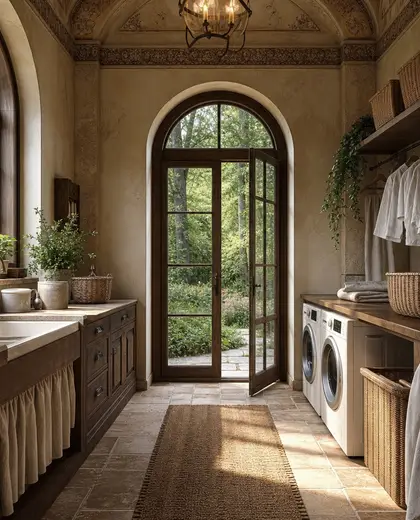
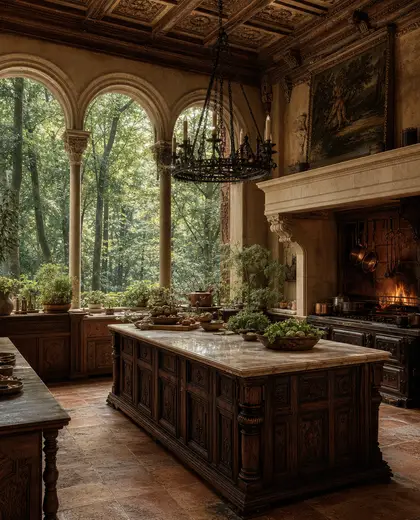
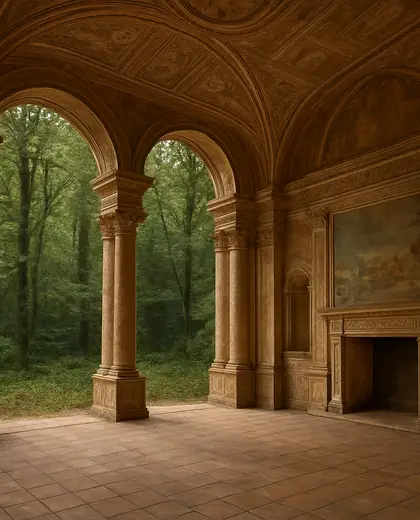
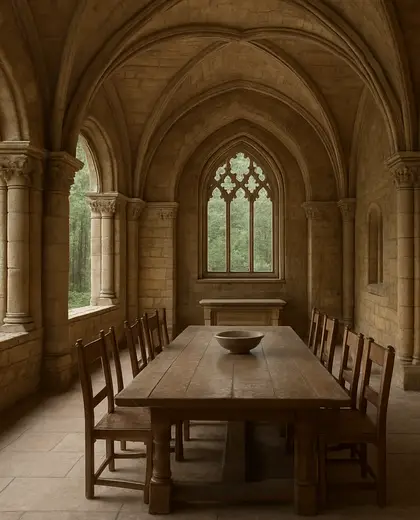
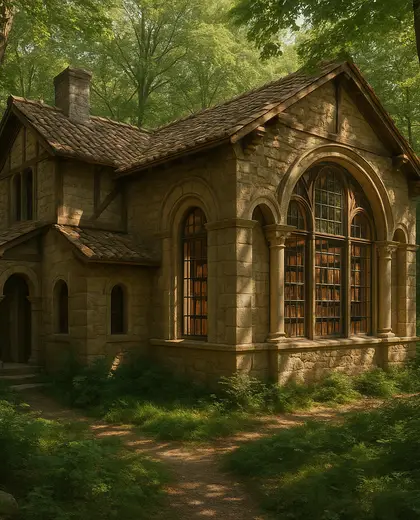
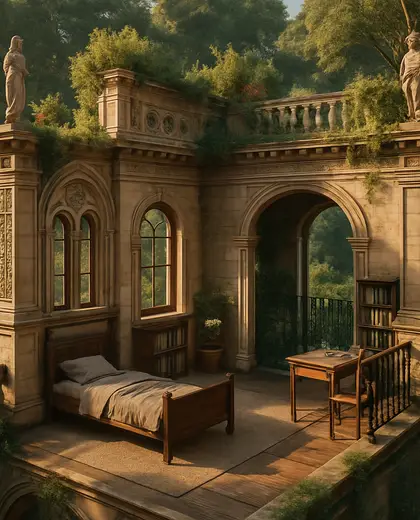
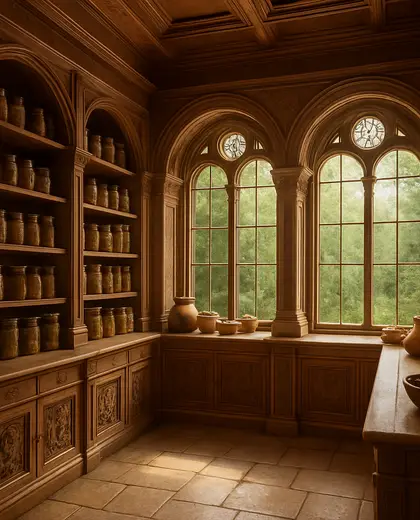
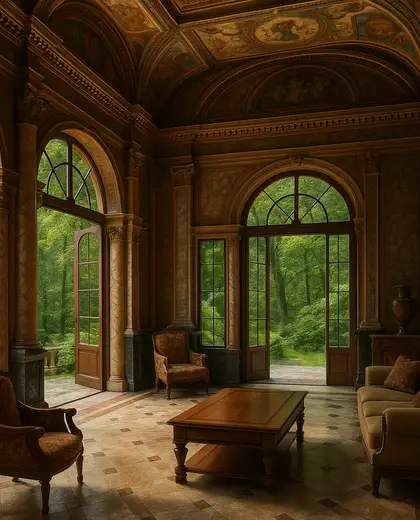
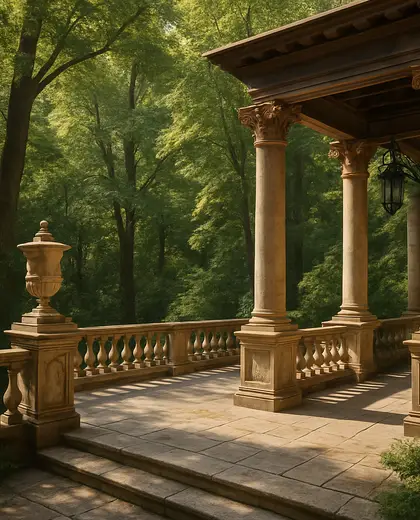
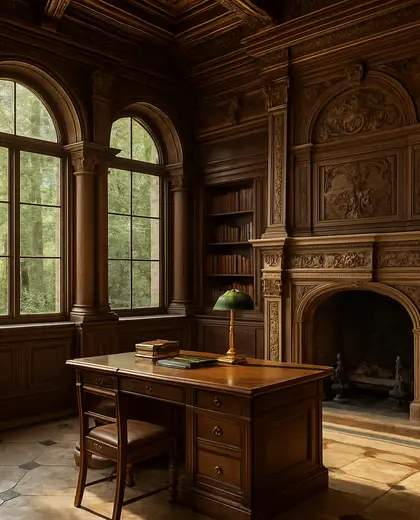
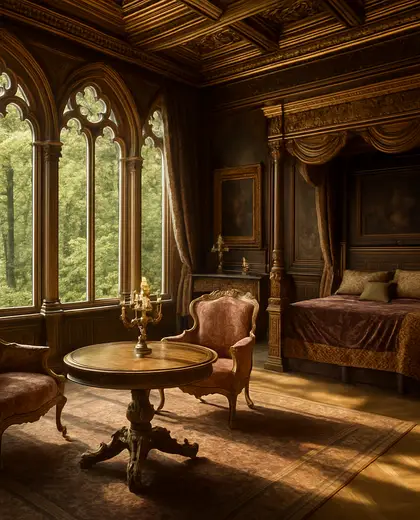
This composition pairs classical Renaissance detailing with the quiet, layered atmosphere of a forest setting. Expect carved stone, arched openings, heavy timber, and fresco-like ornament balanced by mossy greens, deep browns, aged neutrals, and filtered natural light. The result feels ceremonial and grounded rather than ornate for ornament’s sake.
- renaissance
- forest
— References
References to explore
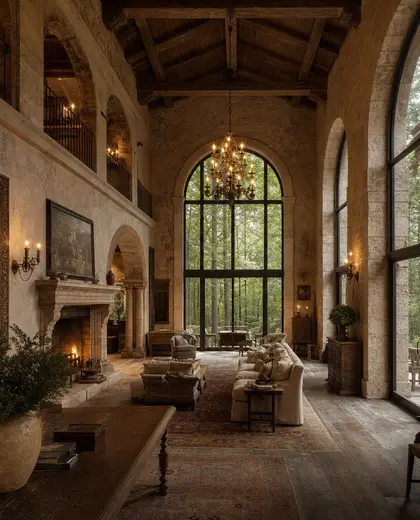
How can I make this style feel refined instead of heavy?
Use Renaissance references selectively: one arched detail, one carved focal piece, and restrained ornament. Keep the forest side lighter through layered greens, natural textures, and plenty of daylight.
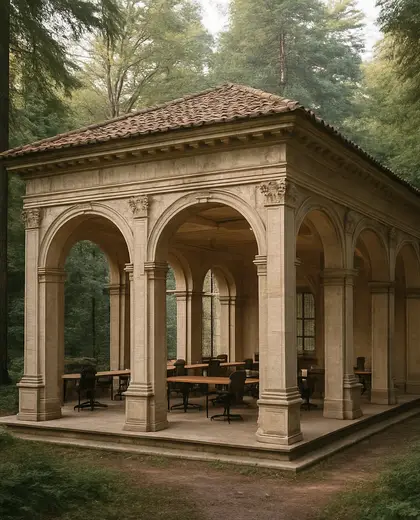
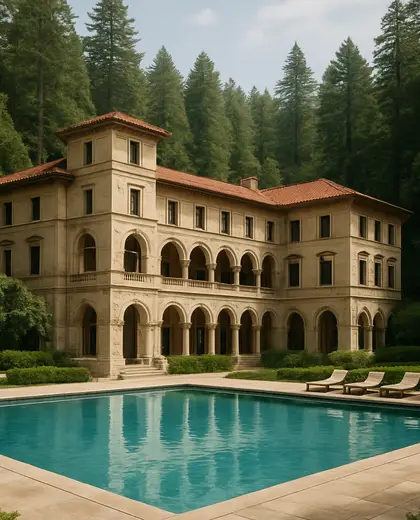
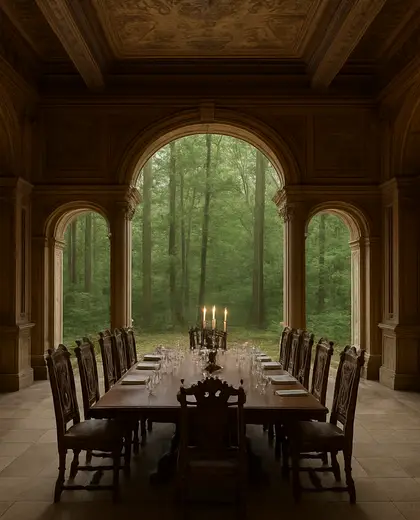
What finishes suit this composition in a home?
Matte plaster, honed stone, oiled wood, patinated metal, and linen or wool textiles fit best. Glossy surfaces usually weaken the aged, immersive feeling.
Does this style work in a modern house?
Yes, if you simplify the classical forms and let the materials do the work. A modern shell can support this composition when you add arched lines, timber detail, and a forest-toned palette.
— The style
What defines it
Stone, carved wood, plaster, aged metal, and natural timber are the core materials, often finished with matte or timeworn surfaces.
Deep greens, bark browns, olive, moss, warm beige, muted gold, and soft stone gray define the color range.
It works well with botanical textures, vaulted forms, mural art, classical moldings, and dense planting or woodland-inspired views.
— Professionals
Who has already built it
- aramitha devassykuttyarchitects · 6 projectsView profile →
- praveen kumar singh3d renderers · Ranchi · 6 projectsView profile →
- mawar electrical serviceselectricians · Bengaluru · 1 projectsView profile →
- anurag vermainterior designers · 6 projectsView profile →
— Questions
Frequently asked questions
How can I make this style feel refined instead of heavy?
Use Renaissance references selectively: one arched detail, one carved focal piece, and restrained ornament. Keep the forest side lighter through layered greens, natural textures, and plenty of daylight.
What finishes suit this composition in a home?
Matte plaster, honed stone, oiled wood, patinated metal, and linen or wool textiles fit best. Glossy surfaces usually weaken the aged, immersive feeling.
Does this style work in a modern house?
Yes, if you simplify the classical forms and let the materials do the work. A modern shell can support this composition when you add arched lines, timber detail, and a forest-toned palette.