— Ideas & inspiration
Patio design
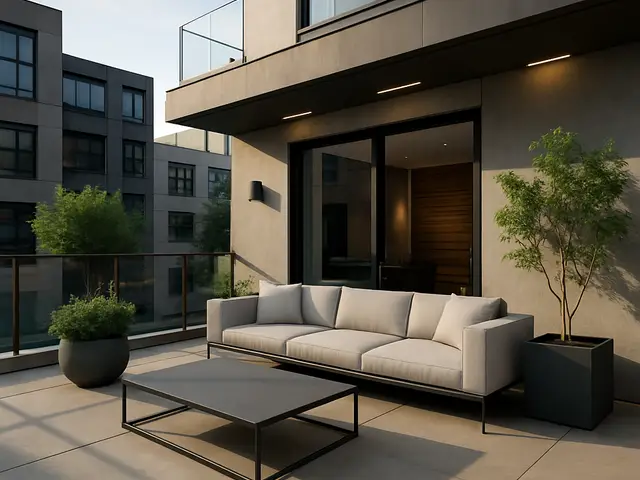
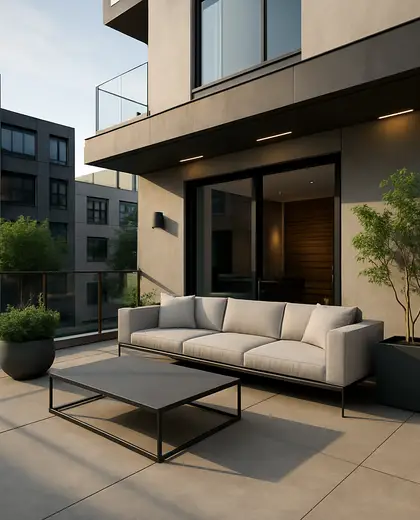
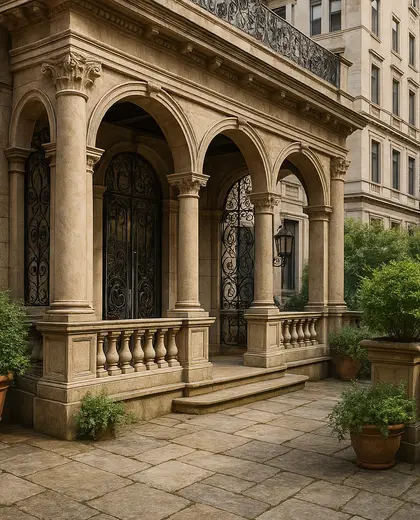
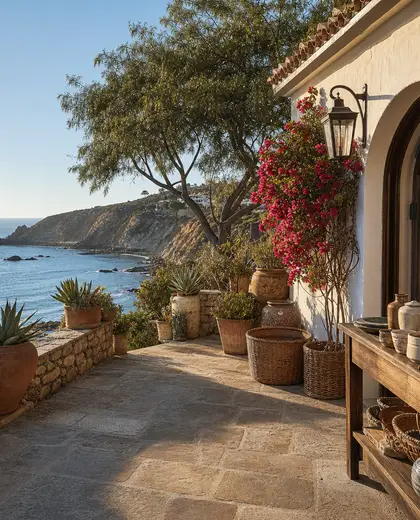
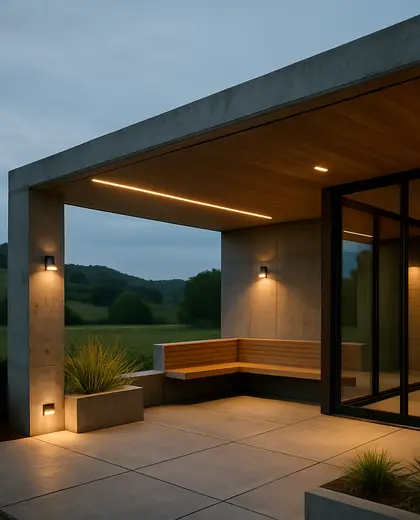
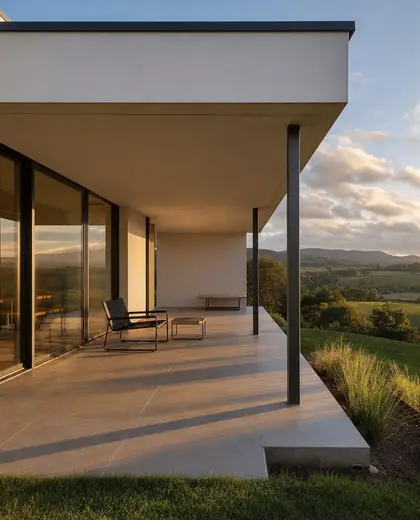
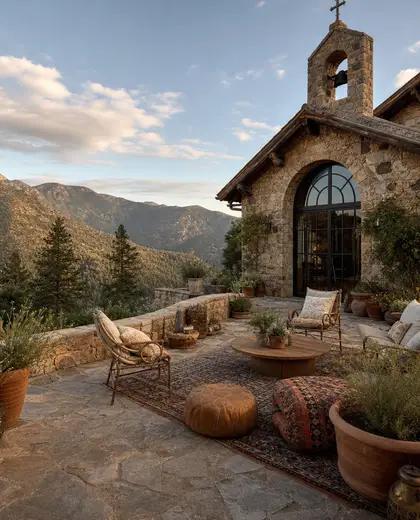
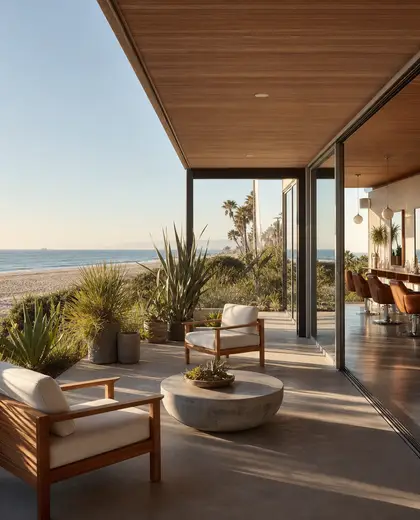
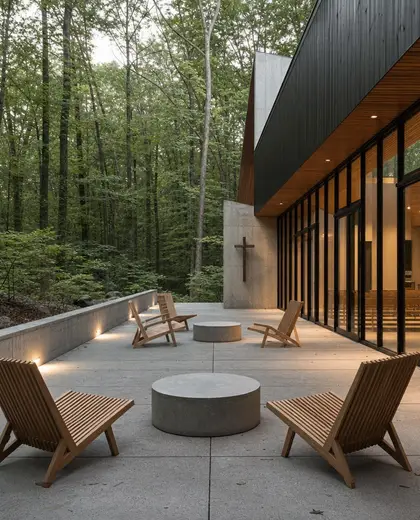
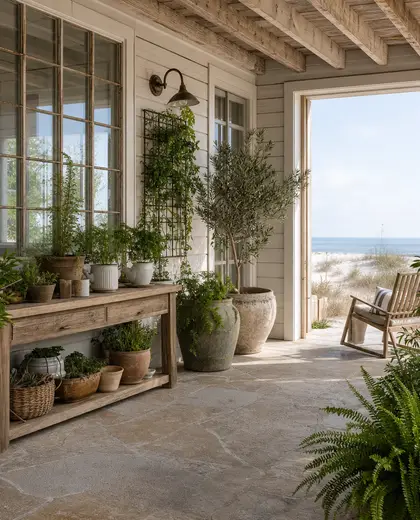
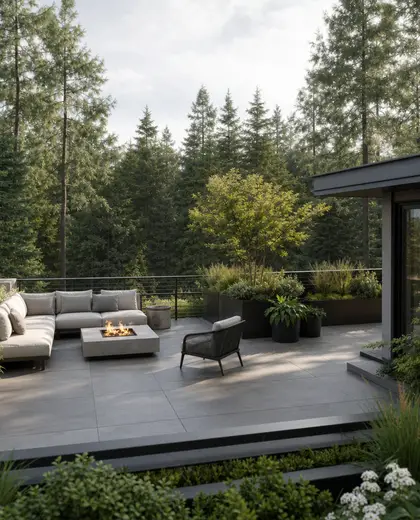
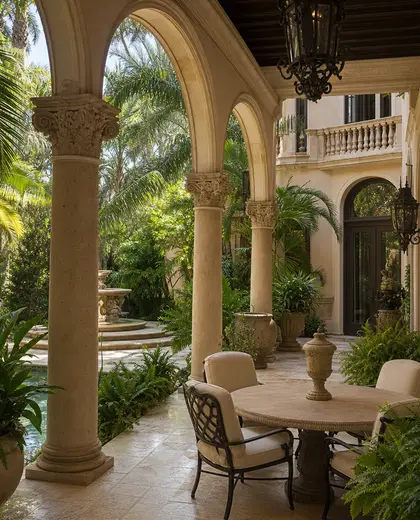
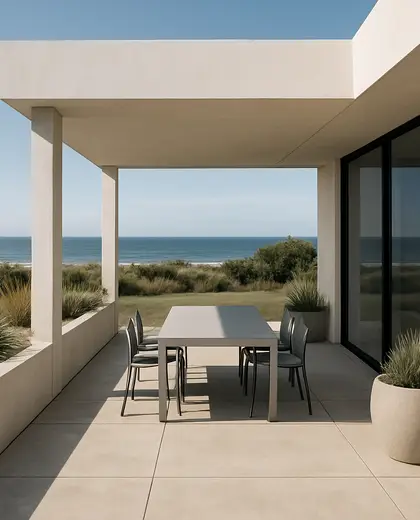
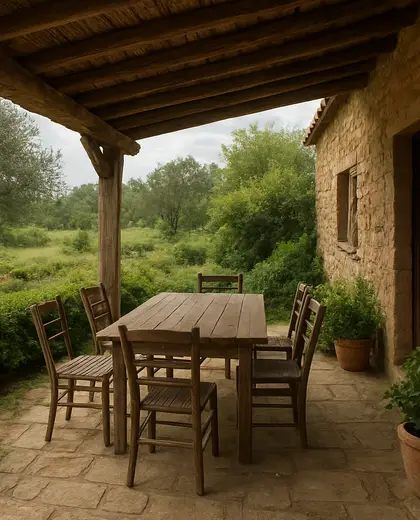
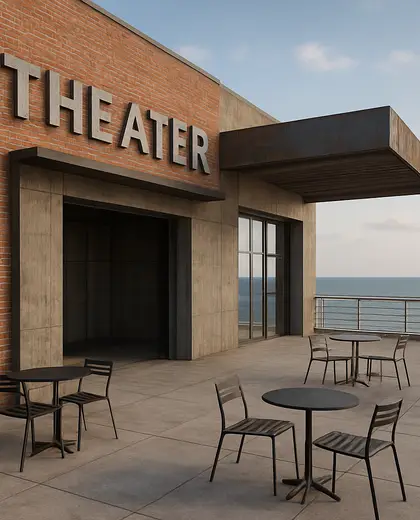
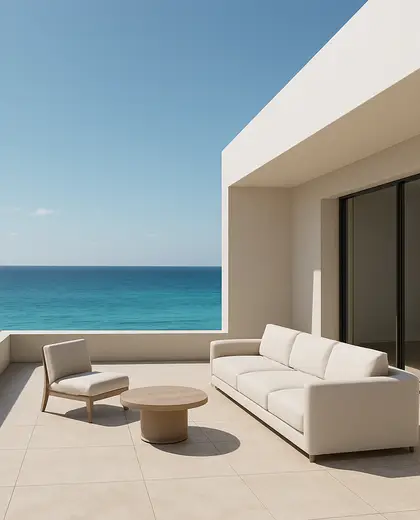
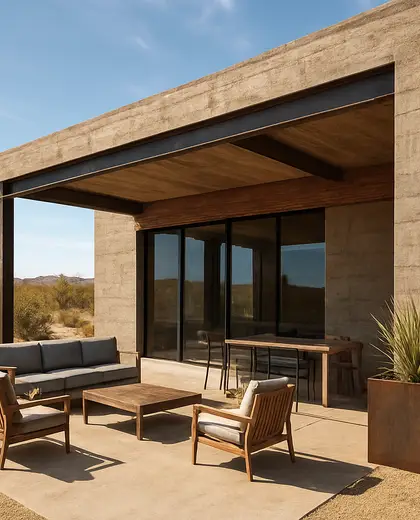
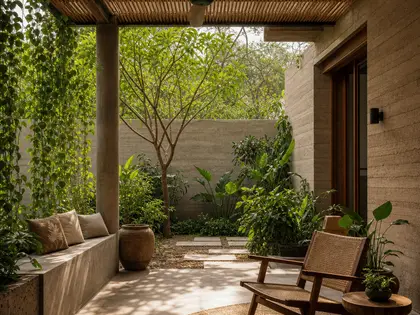
A patio is an outdoor paved living area, usually built with stone, concrete, brick, tile, or wood decking. It is defined by a durable hardscape surface, open-air exposure, and a direct connection to the house, garden, or courtyard. The palette is usually earthy and natural, with muted grays, warm browns, terracotta, sand, and weathered finishes.
- patio
— References
References to explore


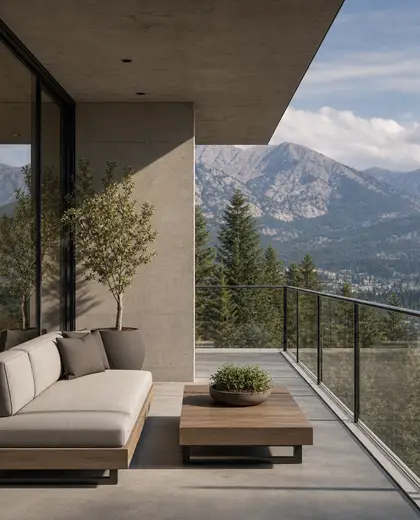
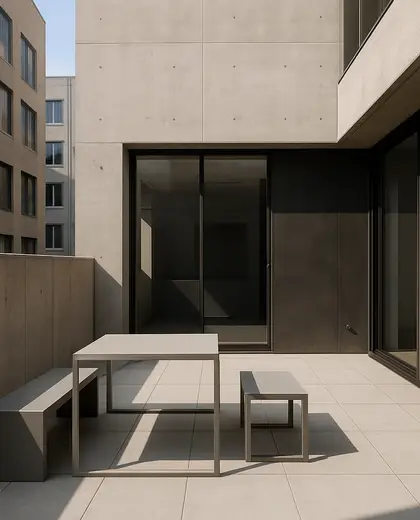
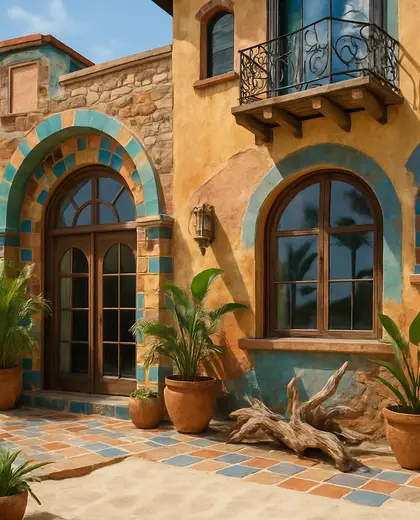
What makes a patio different from a terrace or deck?
A patio is usually a ground-level hardscape, often paved in stone, brick, or concrete. A deck is typically raised and built from timber or composite materials, while a terrace can refer to a broader outdoor platform, sometimes elevated.
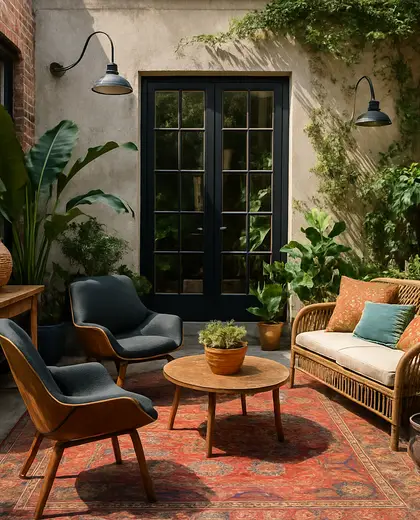

What materials work best for a patio?
The best material depends on climate, use, and maintenance preferences. Stone, concrete pavers, brick, and porcelain are common because they handle weather well and create a durable surface.

Can a patio be covered or enclosed?
Yes. A patio can stay fully open or be paired with a pergola, canopy, awning, or partial enclosure. The basic composition remains an outdoor paved area, even when it has shade or weather protection.
— The style
What defines it
Stone, concrete pavers, brick, porcelain tile, gravel edges, and occasionally timber decking or built-in masonry details.
Typically neutral and natural: gray, beige, taupe, terracotta, clay red, charcoal, and weathered wood tones.
Garden planting, outdoor dining sets, pergolas, fire pits, water features, retaining walls, and sliding doors to the interior.
— Professionals
Who has already built it
- pavitar guptaarchitects · Ambala · 6 projectsView profile →
- pavit ceramics pvt ltdceramic manufacturers · Ahmedabad · 2 projectsView profile →
- nikitha kumananinterior designers · 6 projectsView profile →
- Bristolfurniture sellers · Bangalore · 6 projectsView profile →
— Questions
Frequently asked questions
What makes a patio different from a terrace or deck?
A patio is usually a ground-level hardscape, often paved in stone, brick, or concrete. A deck is typically raised and built from timber or composite materials, while a terrace can refer to a broader outdoor platform, sometimes elevated.
What materials work best for a patio?
The best material depends on climate, use, and maintenance preferences. Stone, concrete pavers, brick, and porcelain are common because they handle weather well and create a durable surface.
Can a patio be covered or enclosed?
Yes. A patio can stay fully open or be paired with a pergola, canopy, awning, or partial enclosure. The basic composition remains an outdoor paved area, even when it has shade or weather protection.