— Ideas & inspiration
Music room
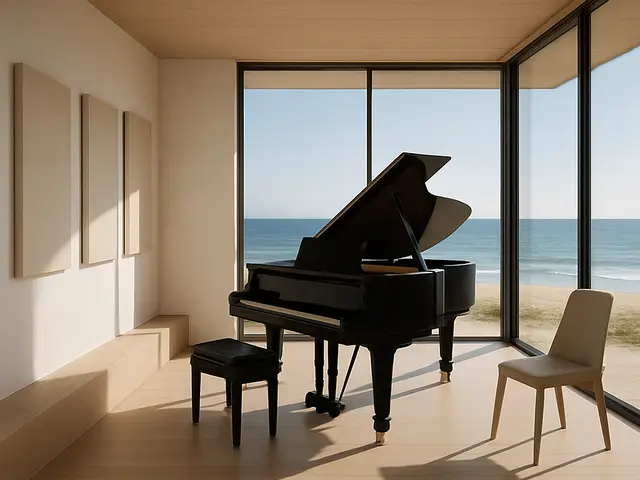
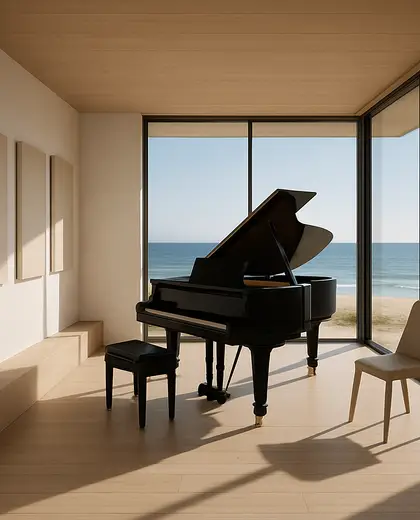
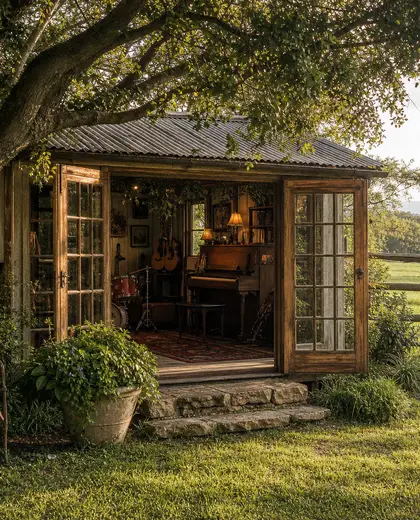
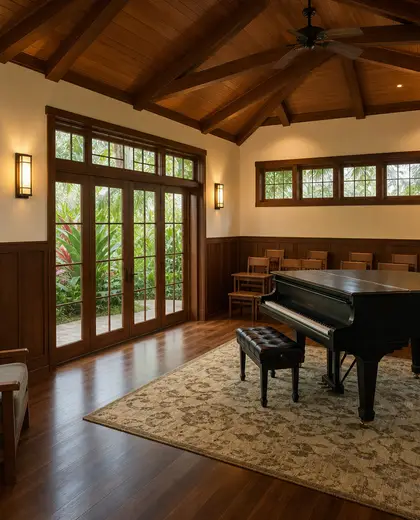
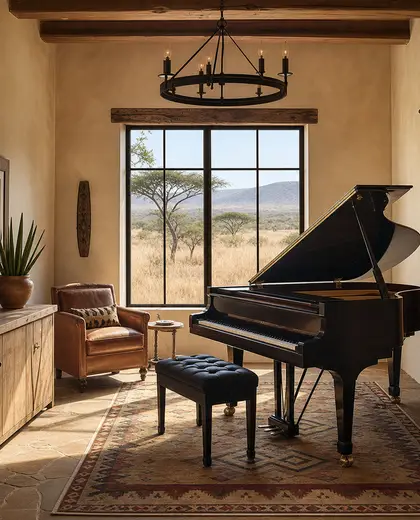
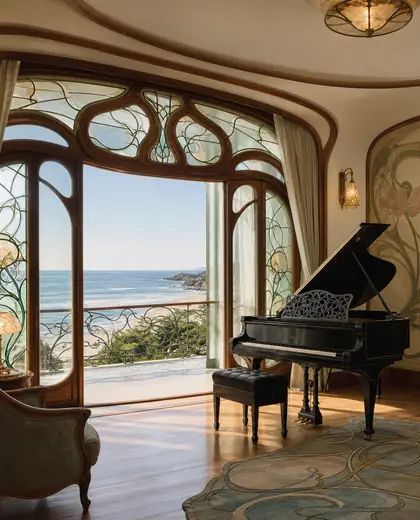
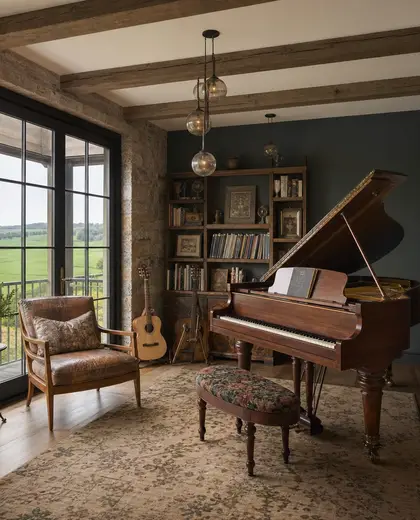
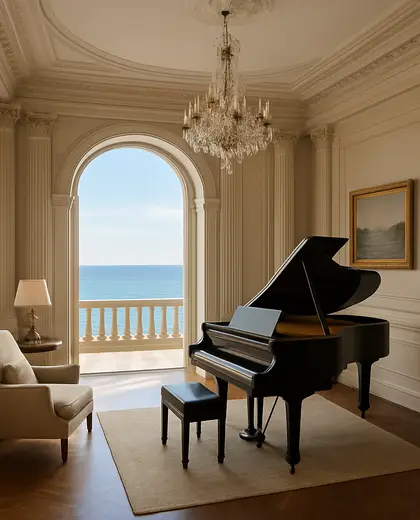
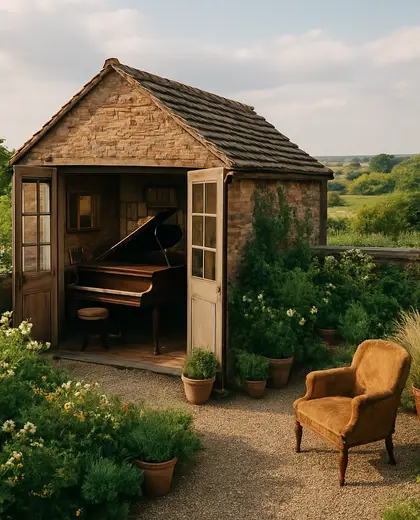
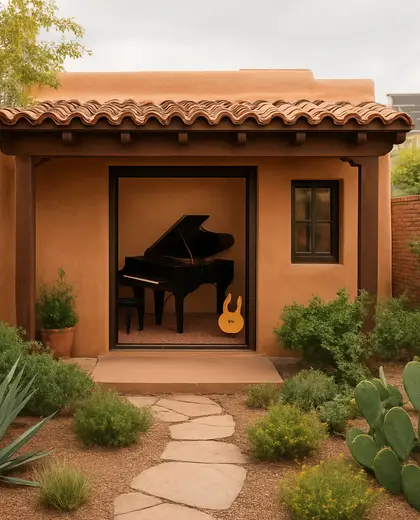
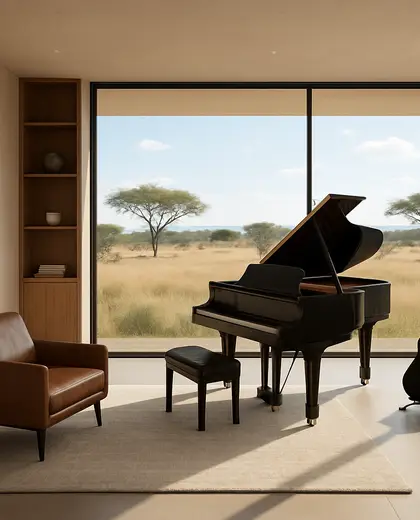
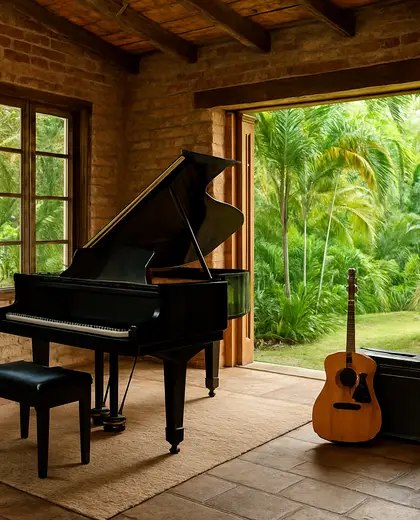
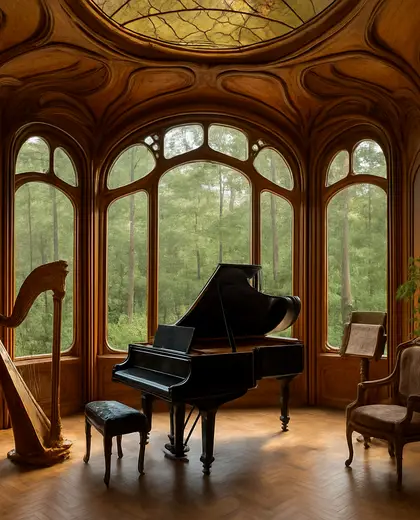
A music room is defined by acoustic control, durable finishes, and furniture that supports listening or performance. Common materials include timber, fabric upholstery, acoustic panels, carpet, and sometimes metal or glass details. The palette is usually warm and subdued so the room feels calm and sound stays balanced.
- music room
— References
References to explore


Do I need a separate room for a music room?
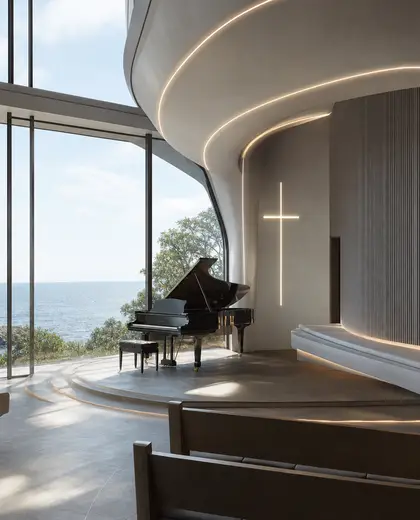
Not always. A quiet corner, den, or spare room can work if you can control noise, add soft finishes, and provide enough clear floor space.


What makes a music room sound better?
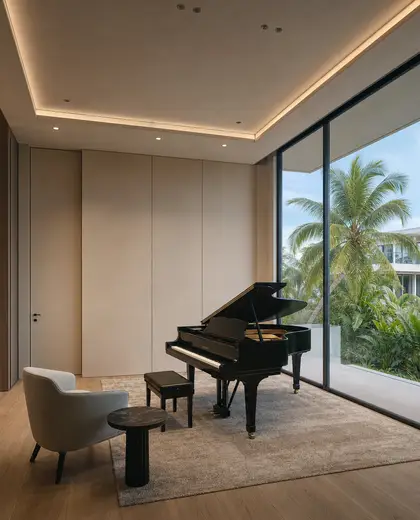
Soft furnishings, rugs, curtains, and acoustic wall or ceiling treatment help reduce echo. The placement of speakers, instruments, and seating also affects how the room performs.

Can a music room still look like part of the home?
Yes. Many music rooms use the same base materials and color family as the rest of the house, then add sound-focused elements in a discreet way.





— The style
What defines it
Timber, acoustic panels, fabric, carpet, and padded seating are common. Hard surfaces are used selectively to shape sound without creating glare or echo.
Muted neutrals, deep wood tones, charcoal, olive, navy, and warm off-whites work well. Accent colors are often kept restrained so instruments and equipment remain the focus.
This composition pairs well with living rooms, libraries, home offices, and media spaces. It often includes built-in storage, display shelving, and a dedicated listening or practice area.
— Professionals
Who has already built it
- rohan kandalkararchitects · 8 projectsView profile →
- the achievers archsmart home professionals · Delhi · 1 projectsView profile →
- home interior decoratorscarpenters · Rampur · 3 projectsView profile →
- pavit ceramics pvt ltdceramic manufacturers · Ahmedabad · 2 projectsView profile →
— Questions
Frequently asked questions
Do I need a separate room for a music room?
Not always. A quiet corner, den, or spare room can work if you can control noise, add soft finishes, and provide enough clear floor space.
What makes a music room sound better?
Soft furnishings, rugs, curtains, and acoustic wall or ceiling treatment help reduce echo. The placement of speakers, instruments, and seating also affects how the room performs.
Can a music room still look like part of the home?
Yes. Many music rooms use the same base materials and color family as the rest of the house, then add sound-focused elements in a discreet way.