— Ideas & inspiration
Mid-century modern
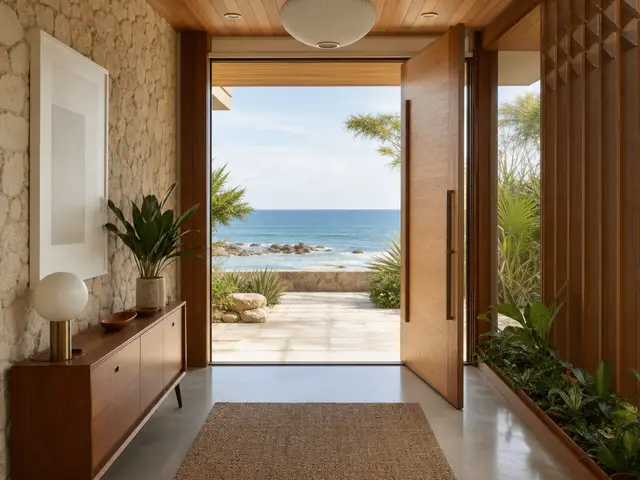
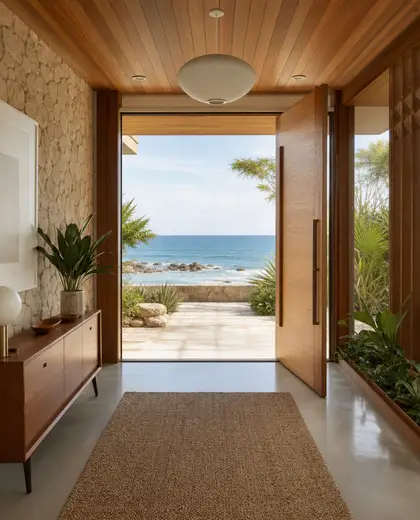
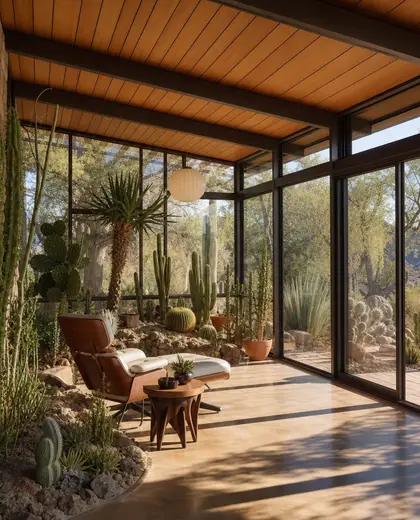
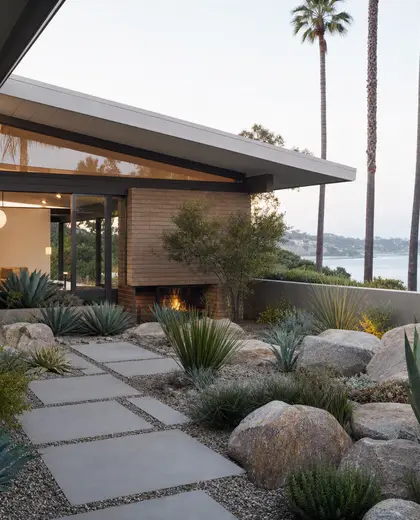
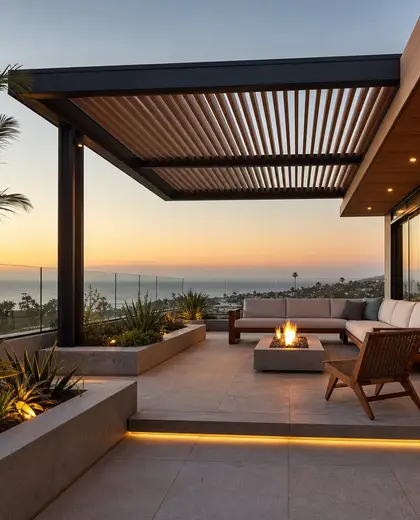
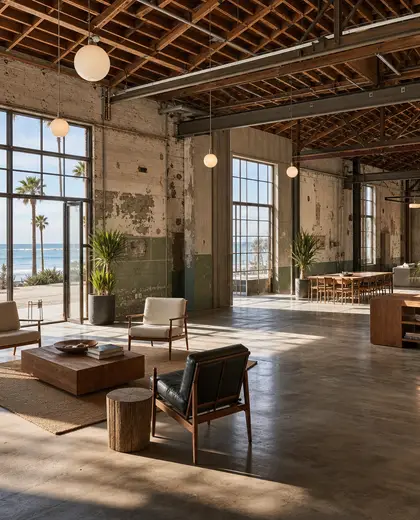
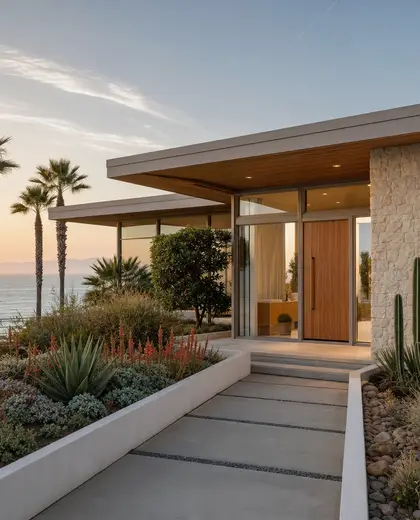
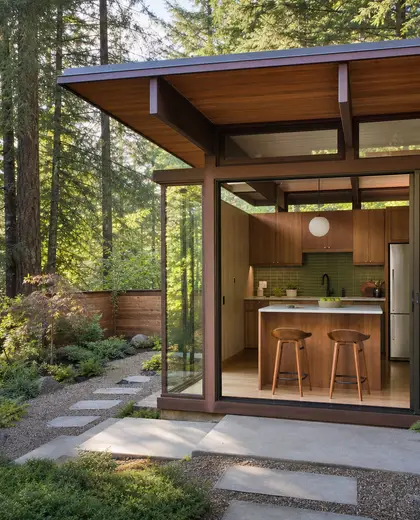
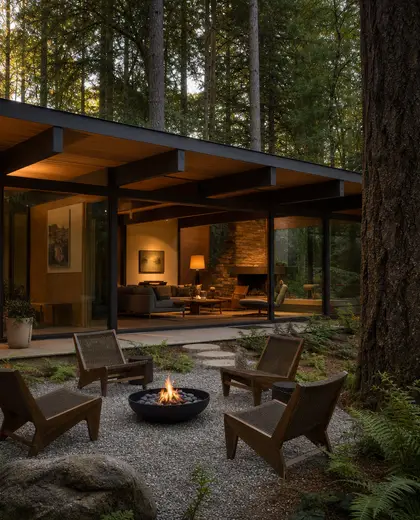
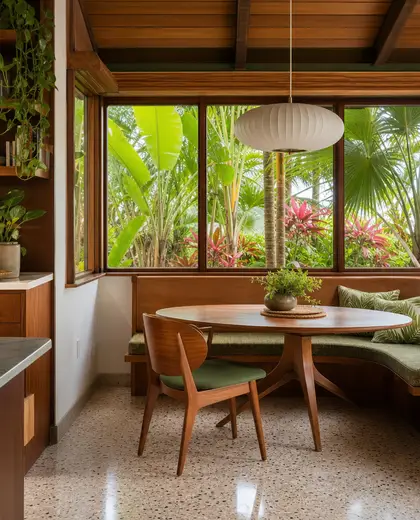
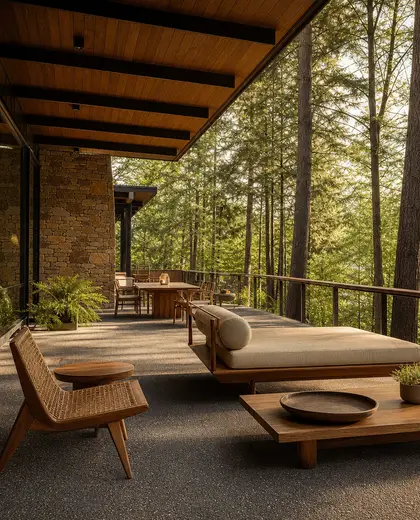
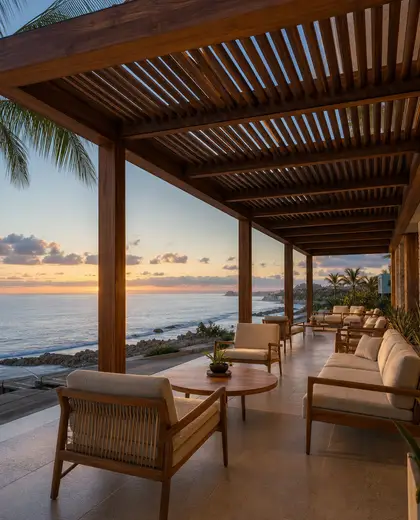
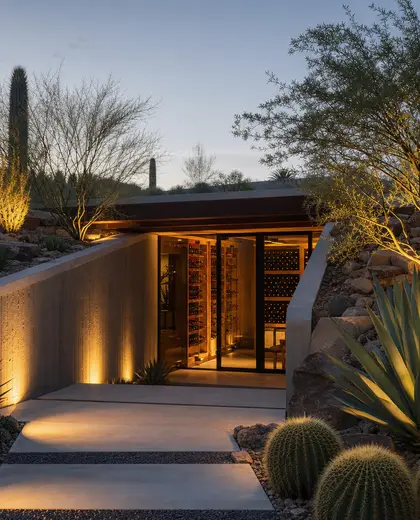
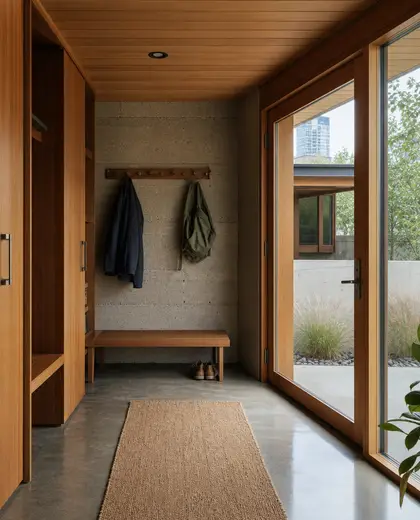
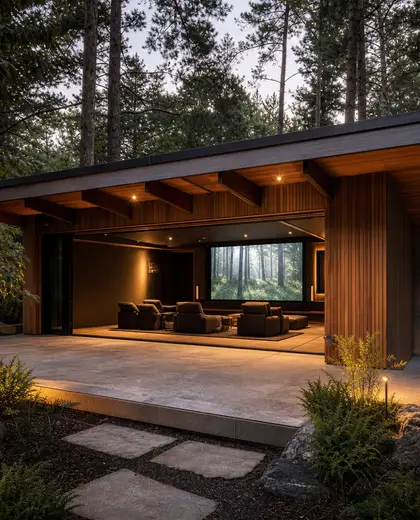
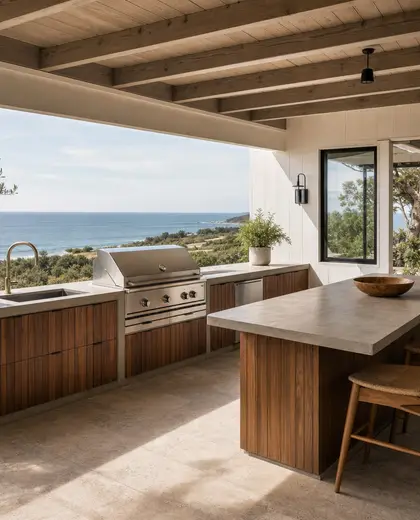
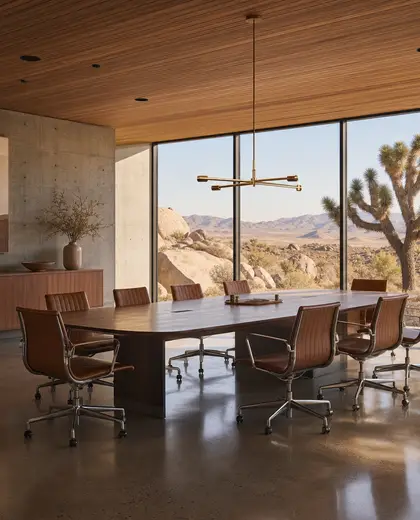
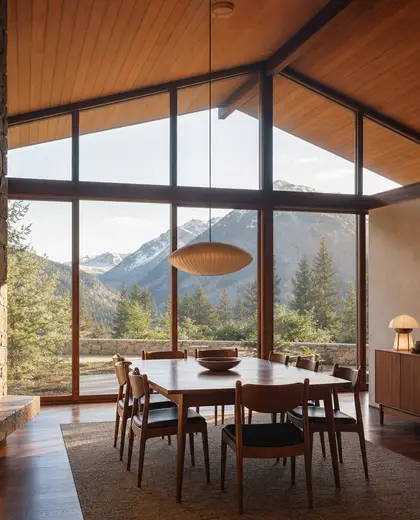
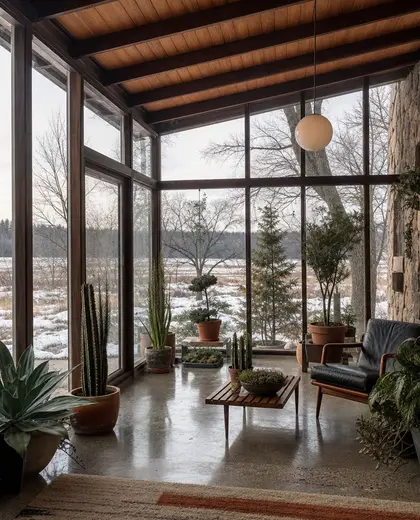
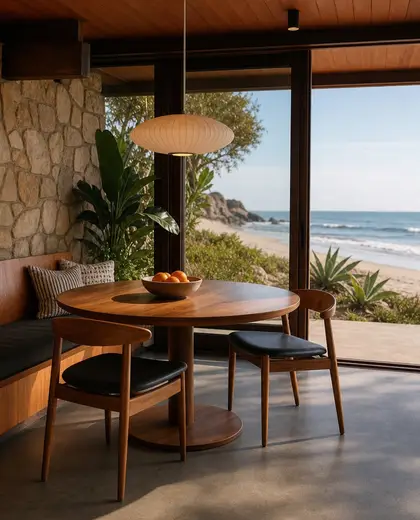
Mid-century modern is defined by clean lines, low-profile forms, and a strong connection between indoors and outdoors. It commonly uses teak or walnut, molded plywood, leather, glass, and slim metal details, with open plans, large windows, and simple built-ins. The palette is usually warm and restrained: wood tones, white, black, olive, mustard, and muted orange.
- mid-century modern
— References
References to explore
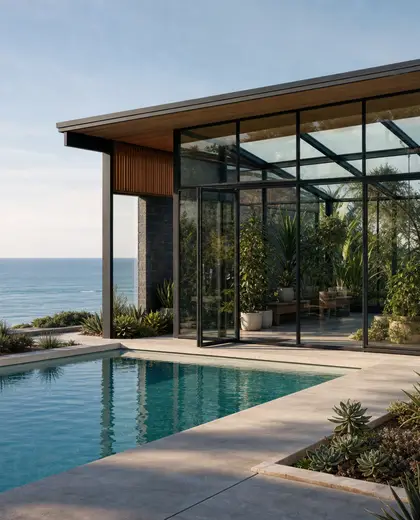
What makes a home feel mid-century modern instead of just modern?
Mid-century modern usually adds warmer wood finishes, tapered or slim silhouettes, and a more graphic mix of organic and geometric forms. Plain modern interiors tend to be more minimal and less material-rich.
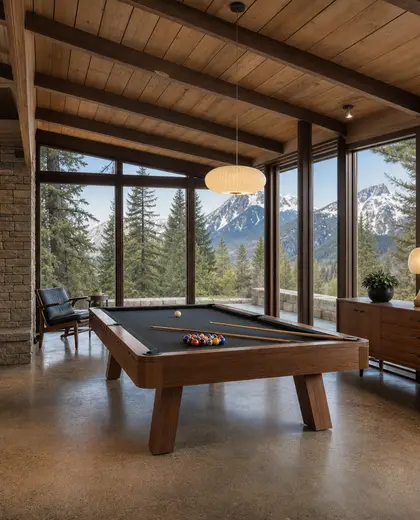
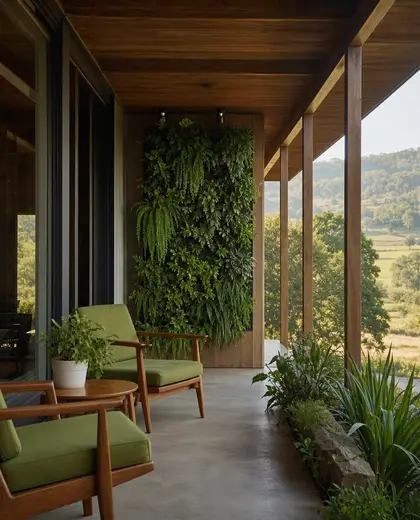
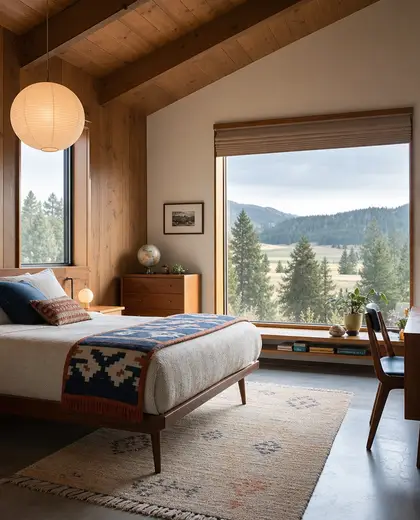
Can mid-century modern work in a newer house?
Yes. It can be introduced through furniture, wood cabinetry, lighting, and window-focused room planning even if the house itself is not from the period.
Does this style have to use bold colors?
No. Many mid-century modern interiors stay mostly neutral and rely on wood grain, black accents, and a few muted color highlights rather than bright color everywhere.

— The style
What defines it
Teak, walnut, plywood, leather, glass, and thin steel or brass accents are typical.
Warm wood tones paired with white, black, olive, mustard, and muted earthy colors.
Works well with open-plan layouts, low furniture, statement lighting, terrazzo, and indoor-outdoor glazing.
— Professionals
Who has already built it
- pavitar guptaarchitects · Ambala · 6 projectsView profile →
- pavit ceramics pvt ltdceramic manufacturers · Ahmedabad · 2 projectsView profile →
- nikitha kumananinterior designers · 6 projectsView profile →
- Bristolfurniture sellers · Bangalore · 6 projectsView profile →
— Questions
Frequently asked questions
What makes a home feel mid-century modern instead of just modern?
Mid-century modern usually adds warmer wood finishes, tapered or slim silhouettes, and a more graphic mix of organic and geometric forms. Plain modern interiors tend to be more minimal and less material-rich.
Can mid-century modern work in a newer house?
Yes. It can be introduced through furniture, wood cabinetry, lighting, and window-focused room planning even if the house itself is not from the period.
Does this style have to use bold colors?
No. Many mid-century modern interiors stay mostly neutral and rely on wood grain, black accents, and a few muted color highlights rather than bright color everywhere.