— Ideas & inspiration
Meeting Room Composition
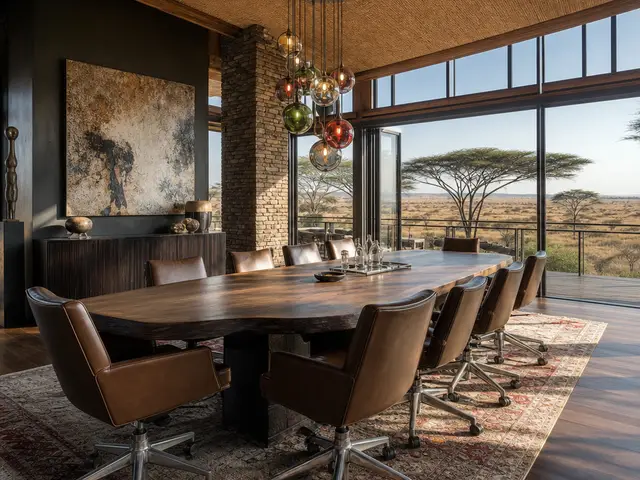
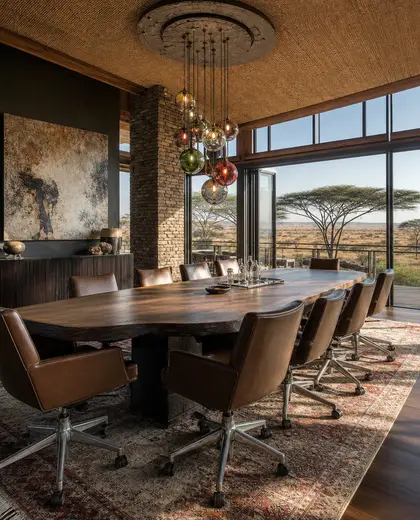
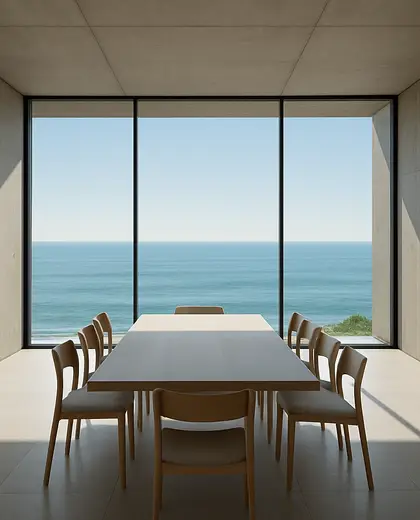
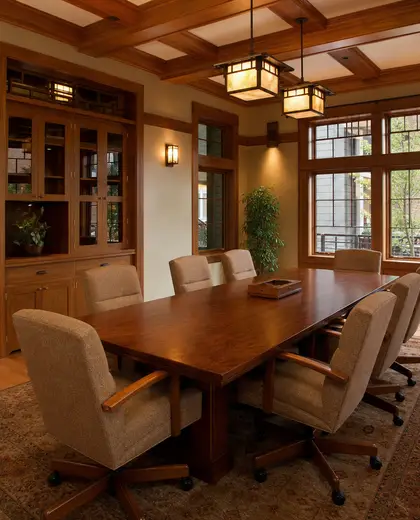
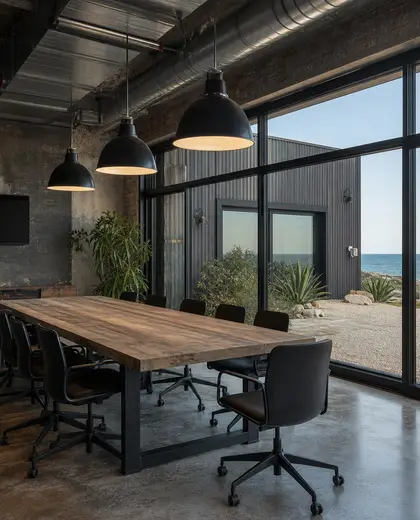
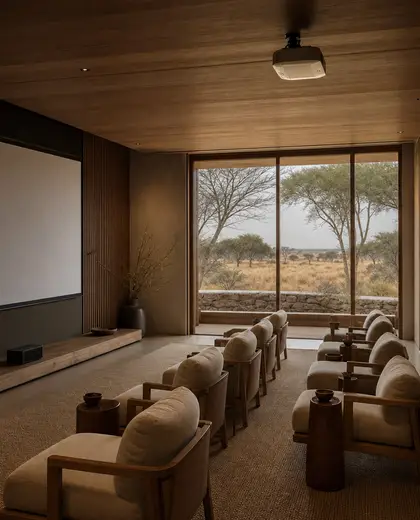
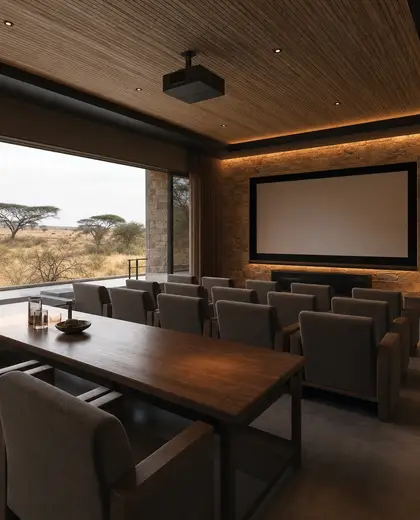
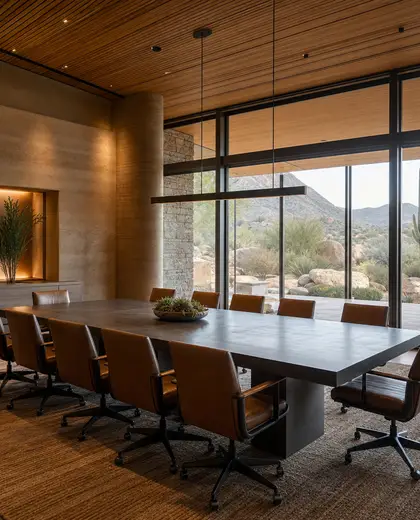
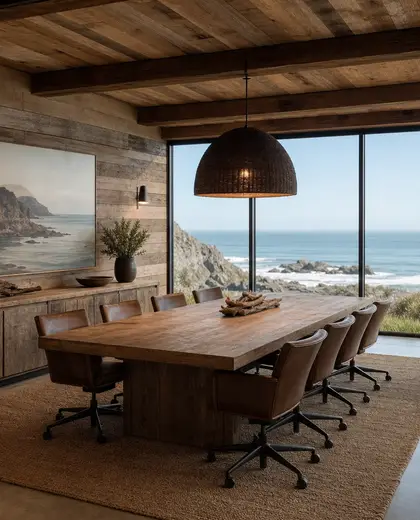
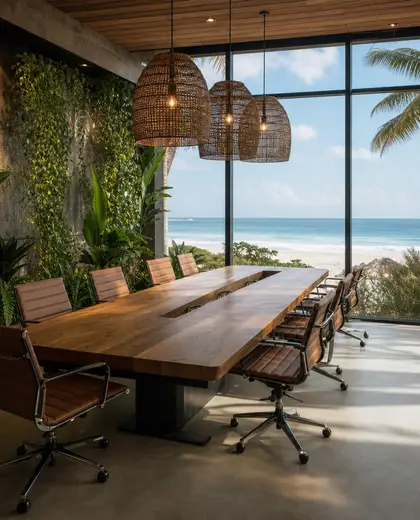
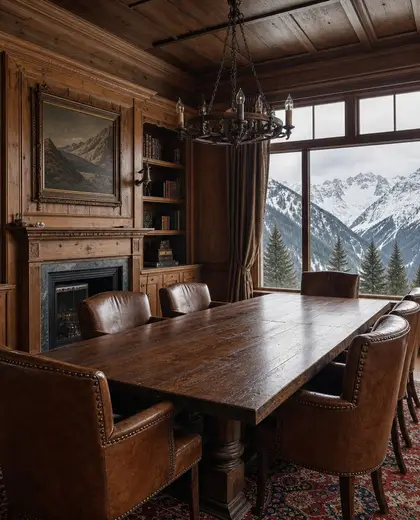
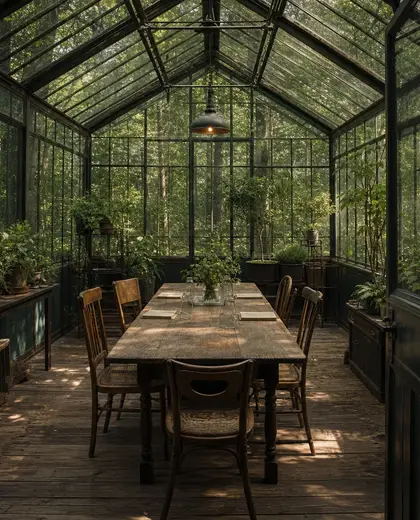
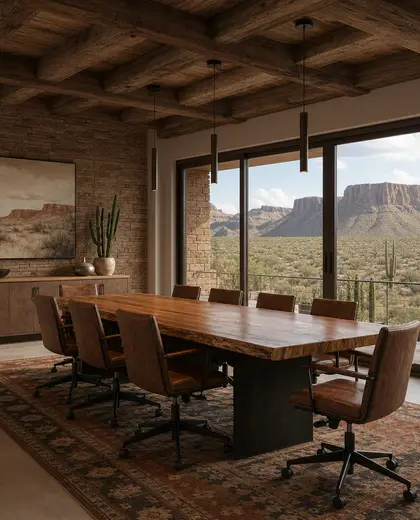
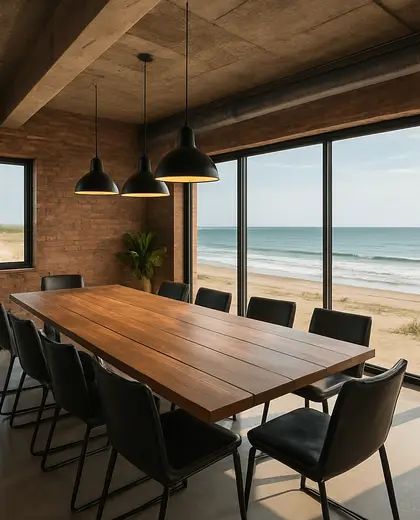
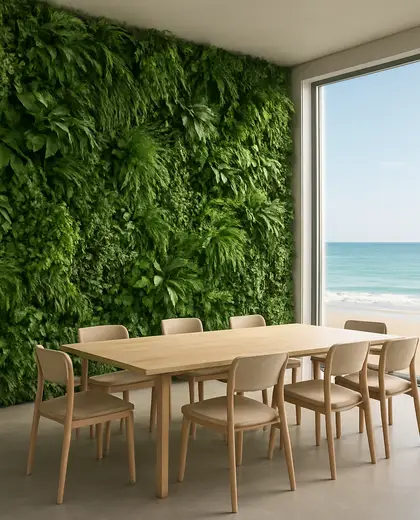
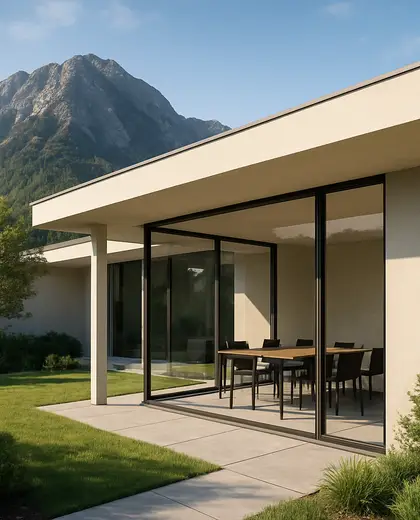
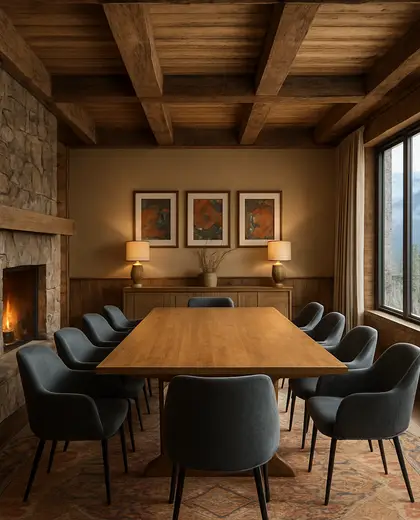
A meeting room composition is typically defined by a clear, functional table as the focal point, paired with task-oriented seating and integrated storage or presentation surfaces. Materials are usually durable and low-maintenance, such as wood veneer, laminate, glass, metal, and acoustic wall finishes. The palette is often restrained—neutrals, warm wood tones, greys, and occasional dark accents—to keep the space calm and focused.
- meeting room
— References
References to explore
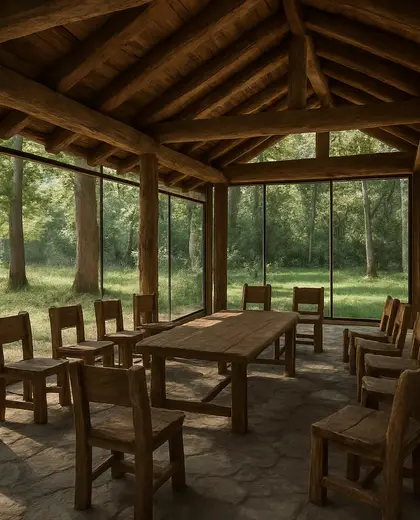
What makes a room read as a meeting room rather than a dining room or office?
A meeting room usually has a more formal table layout, coordinated seating, and built-in support for presentations or video calls. Acoustic treatment and concealed technology also help define it.
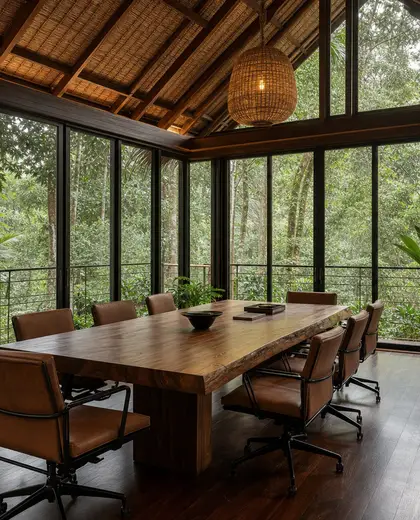
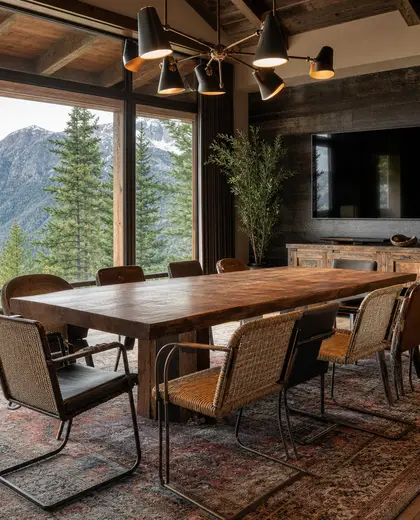
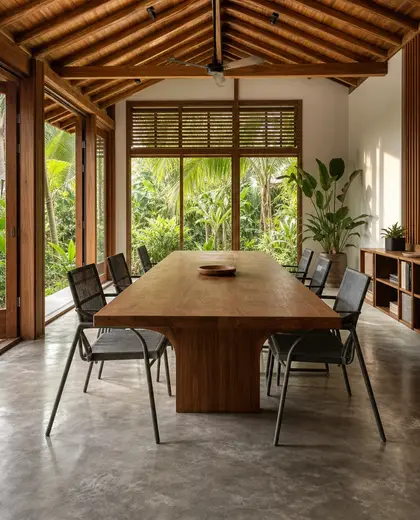
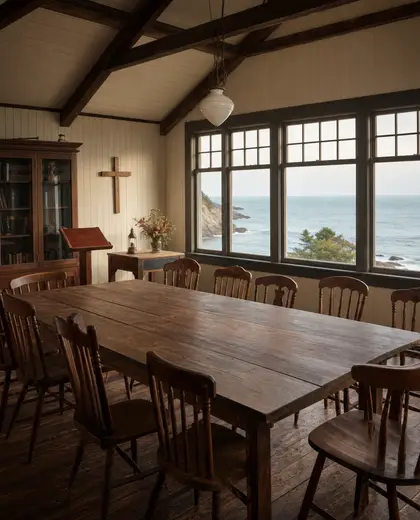
Can a meeting room feel warm instead of corporate?
Yes. Using wood finishes, textured upholstery, softer lighting, and a muted palette can make it feel more inviting without losing structure.
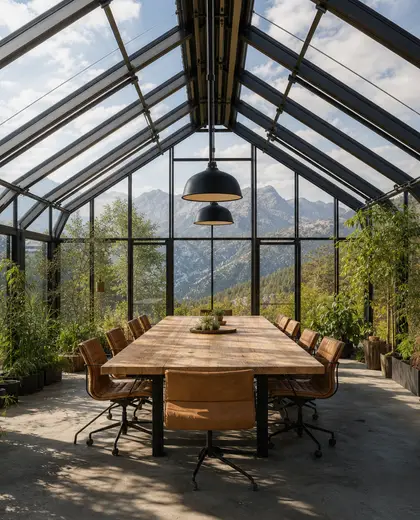
What should I prioritize if the room is small?
Prioritize circulation, a table size that fits comfortably, and storage that stays visually quiet. Light finishes, a simple layout, and integrated lighting help the room feel less crowded.
— The style
What defines it
Wood veneer, laminate, glass, powder-coated metal, upholstered seating, and acoustic panels are common.
Neutrals, light oak or walnut tones, greys, off-whites, and black or charcoal accents work well.
This composition pairs well with integrated storage, credenzas, screen walls, suspended lighting, and concealed cable management.
— Professionals
Who has already built it
- nikitha kumananinterior designers · 6 projectsView profile →
- urban arch studioarchitects · 19 projectsView profile →
- Bristolfurniture sellers · Bangalore · 6 projectsView profile →
- FurnitureRootsfurniture makers · Jodhpur · 6 projectsView profile →
— Questions
Frequently asked questions
What makes a room read as a meeting room rather than a dining room or office?
A meeting room usually has a more formal table layout, coordinated seating, and built-in support for presentations or video calls. Acoustic treatment and concealed technology also help define it.
Can a meeting room feel warm instead of corporate?
Yes. Using wood finishes, textured upholstery, softer lighting, and a muted palette can make it feel more inviting without losing structure.
What should I prioritize if the room is small?
Prioritize circulation, a table size that fits comfortably, and storage that stays visually quiet. Light finishes, a simple layout, and integrated lighting help the room feel less crowded.