— Ideas & inspiration
Japandi
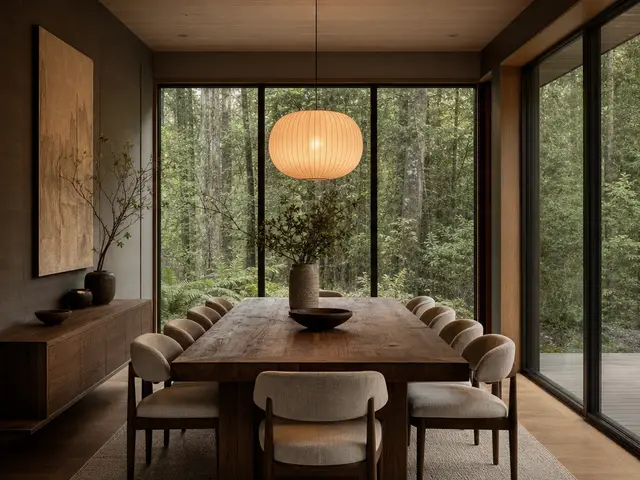
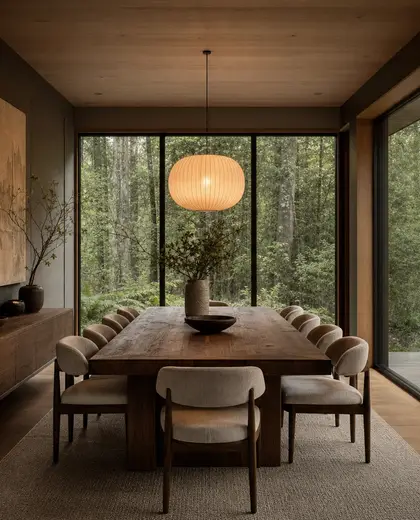
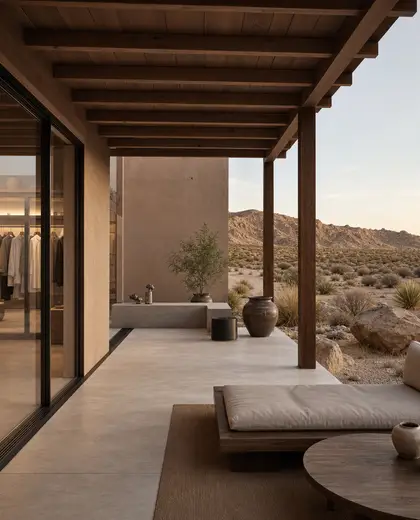
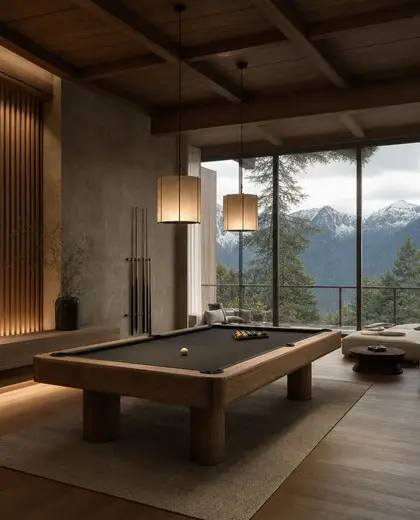
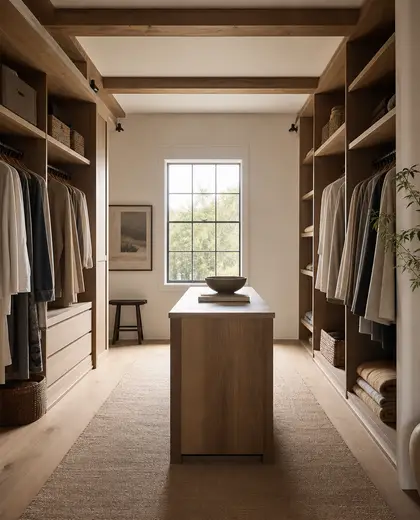
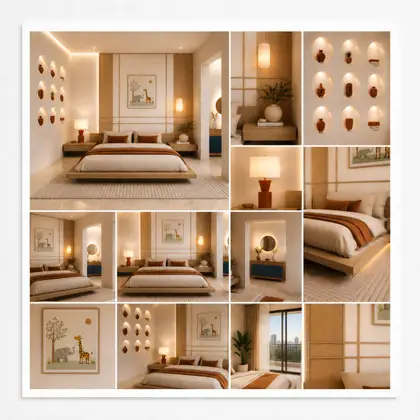
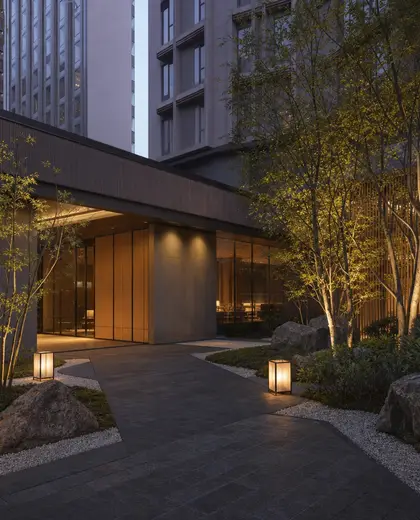
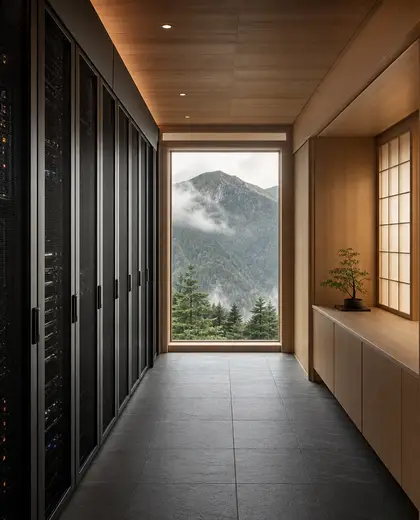
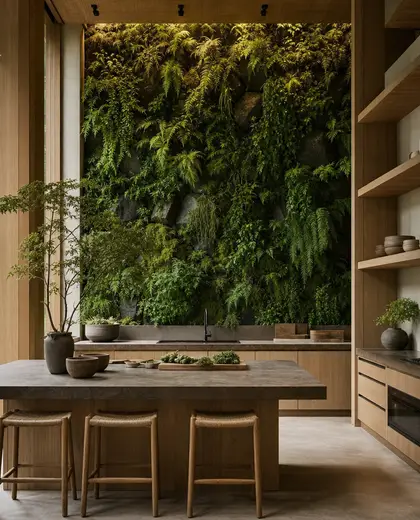
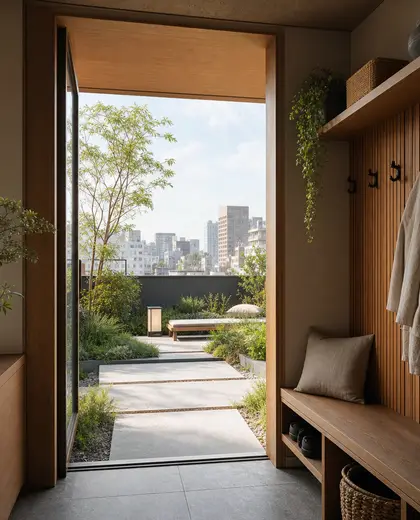
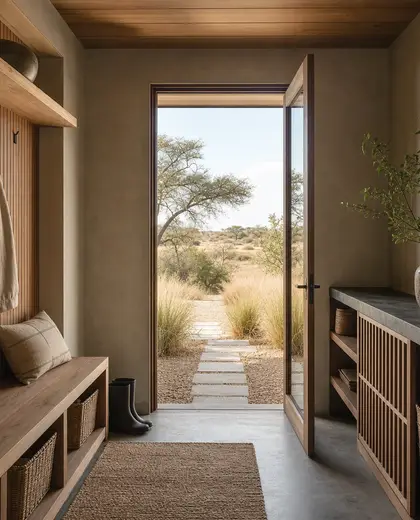
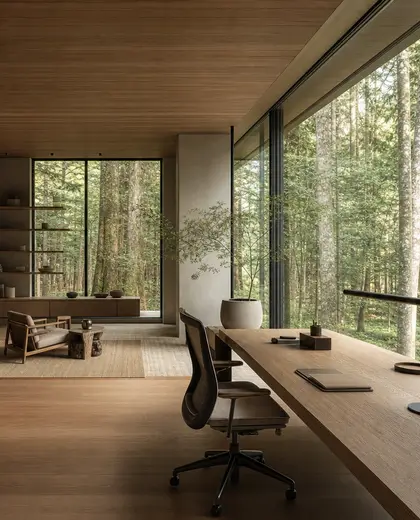
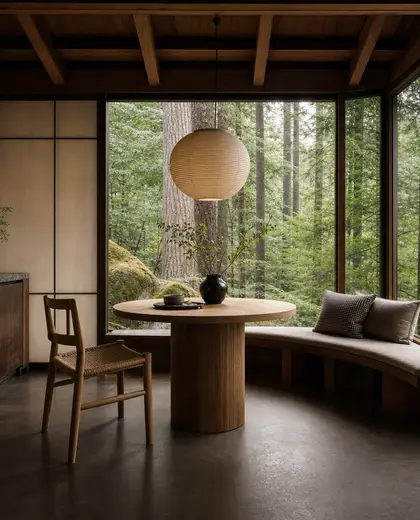
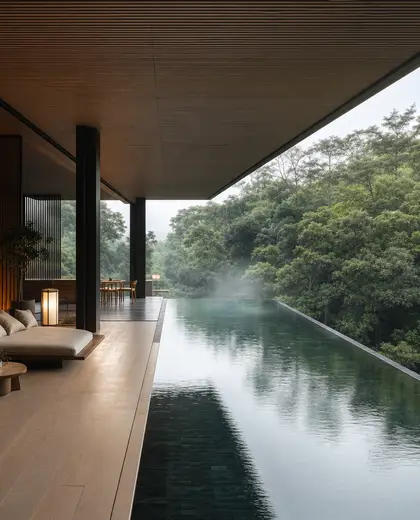
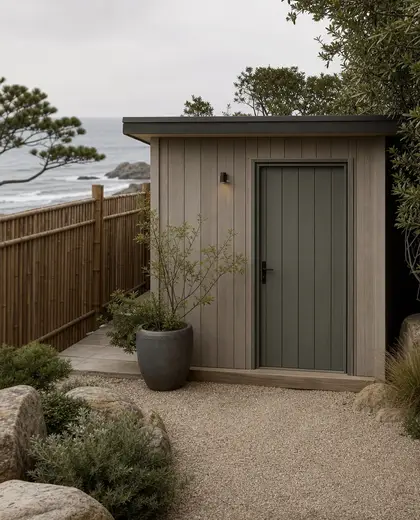
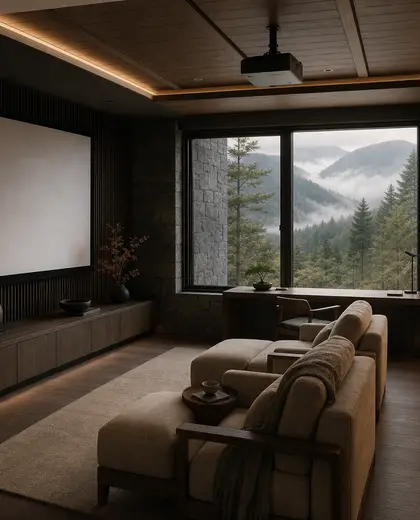
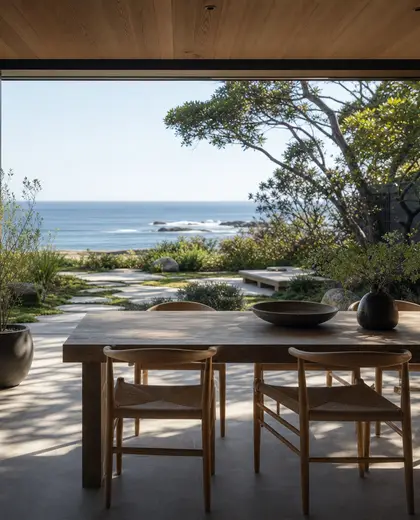
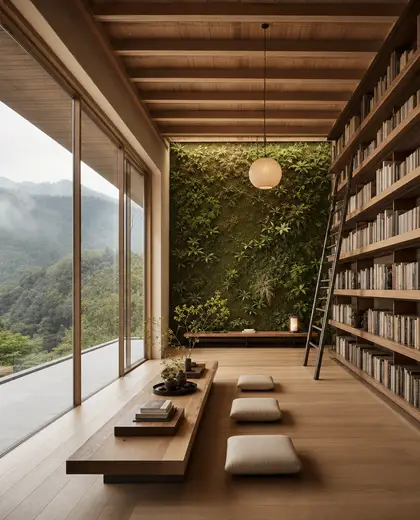
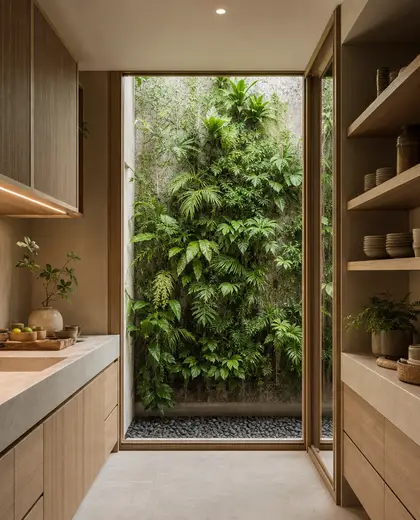
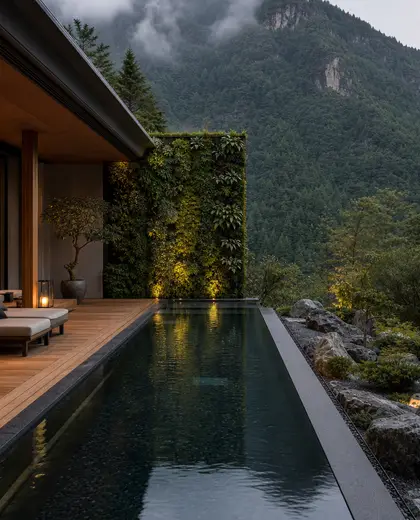
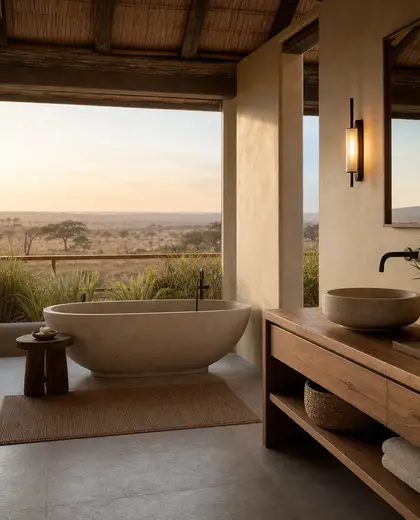
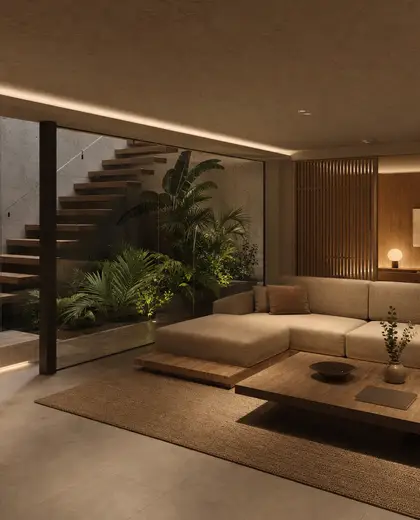
Japandi is a composition that combines Japanese restraint with Scandinavian warmth. It typically uses natural wood, matte plaster, stone, linen, and paper-like textures in a low-contrast palette of warm whites, beige, taupe, soft greys, and muted black accents. The look is defined by clean lines, low-profile furniture, open space, and a strong emphasis on calm, functional simplicity.
- japandi
— References
References to explore
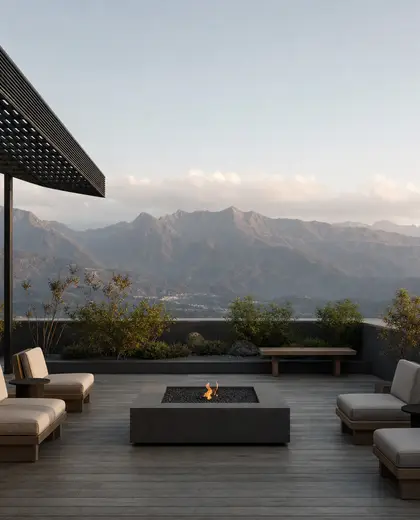
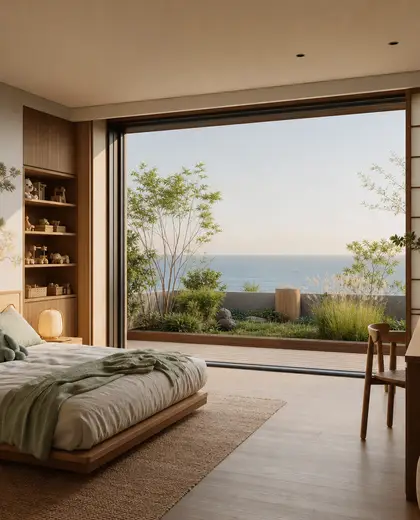
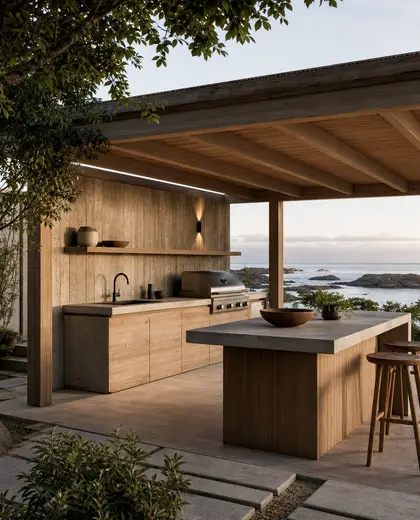
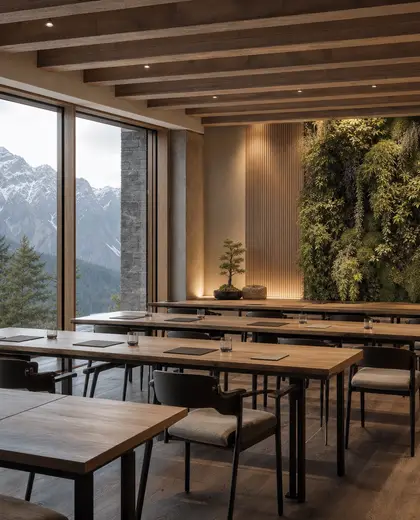
Is Japandi the same as minimalism?
No. Japandi is minimal, but it usually feels warmer and more tactile than strict minimalism because it relies on natural materials and softer textures.
Can Japandi work in a small home?
Yes. The composition often suits smaller spaces because it favors light colors, simple furniture, and visual order, which can make rooms feel more open.
What should I avoid if I want a Japandi look?
Avoid heavy ornament, glossy finishes, busy patterns, and too many contrasting colors. Strong visual clutter and overly decorative furniture can weaken the composition.
— The style
What defines it
Light or medium-toned wood, plaster, stone, linen, wool, paper shades, and simple metal details.
Warm neutrals with subdued contrast: off-white, sand, beige, greige, soft grey, and occasional charcoal or black.
Minimalist architecture, natural finishes, built-in storage, low furniture, and uncluttered rooms with soft organic forms.
— Professionals
Who has already built it
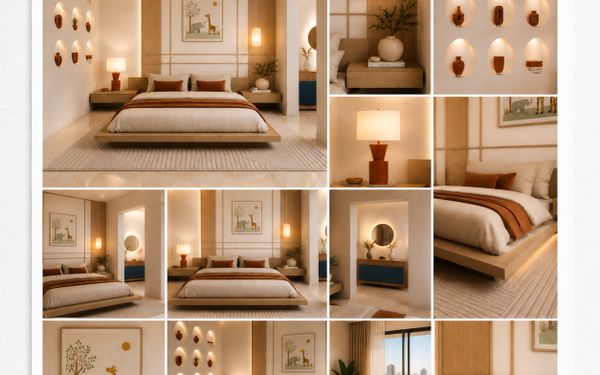

- Bristolfurniture sellers · Bangalore · 6 projectsView profile →
- FurnitureRootsfurniture makers · Jodhpur · 6 projectsView profile →
- Bakajoiners · Chennai · 5 projectsView profile →
- Natural Veneersbuilding material distributors · Mumbai · 4 projectsView profile →
— ARTICLES
Related reading
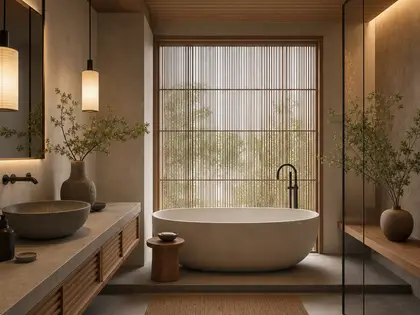
Japandi bathroom: calm, clean and quietly luxurious
Learn how to create a Japandi bathroom with warm natural materials, a soft neutral palette, uncluttered storage and thoughtful detailing suited to Indian homes.
Read article →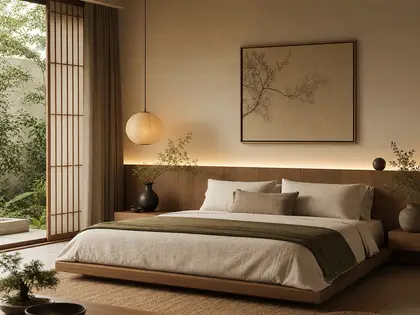
6 smart ways to style a bedroom that feels calm and complete
Practical bedroom styling tips for an uncluttered, restful space with Japandi balance, warm materials and everyday comfort.
Read article →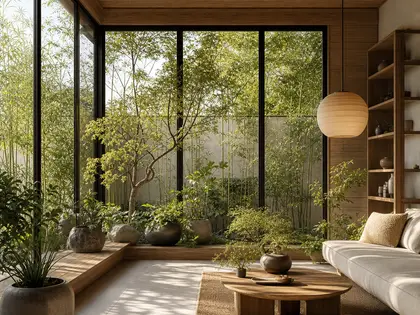
winter garden trends that feel fresher, calmer and more liveable in 2026
A practical look at the newest winter garden ideas for Indian homes: slimmer frames, softer palettes, smarter shading, and easy updates that don’t need a full remodel.
Read article →— Questions
Frequently asked questions
Is Japandi the same as minimalism?
No. Japandi is minimal, but it usually feels warmer and more tactile than strict minimalism because it relies on natural materials and softer textures.
Can Japandi work in a small home?
Yes. The composition often suits smaller spaces because it favors light colors, simple furniture, and visual order, which can make rooms feel more open.
What should I avoid if I want a Japandi look?
Avoid heavy ornament, glossy finishes, busy patterns, and too many contrasting colors. Strong visual clutter and overly decorative furniture can weaken the composition.