— Ideas & inspiration
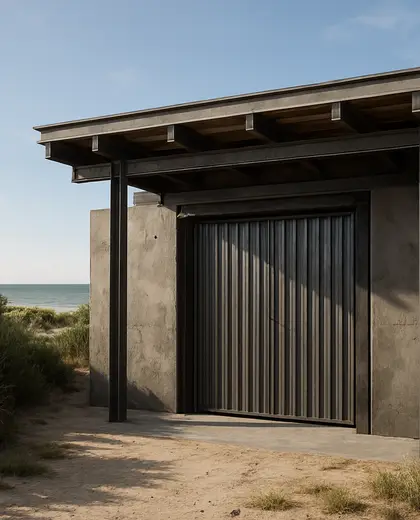
Raw lines by the sea
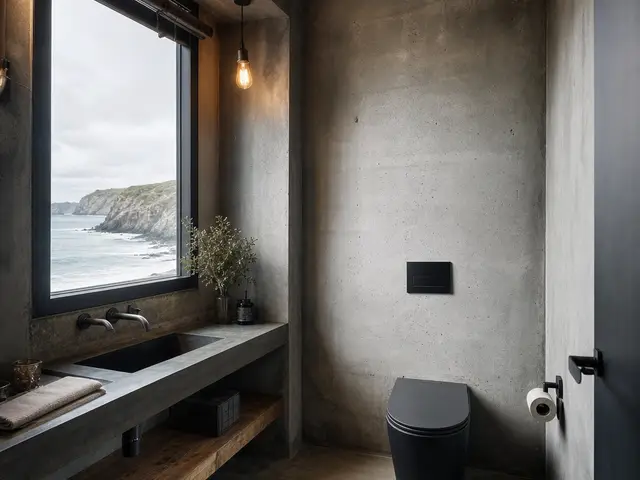
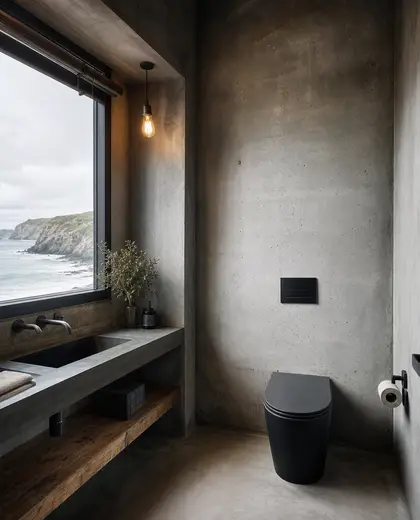
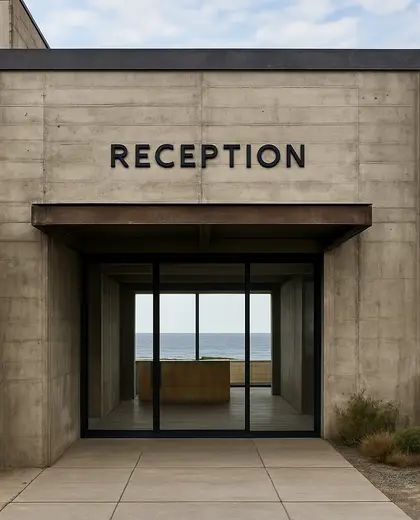
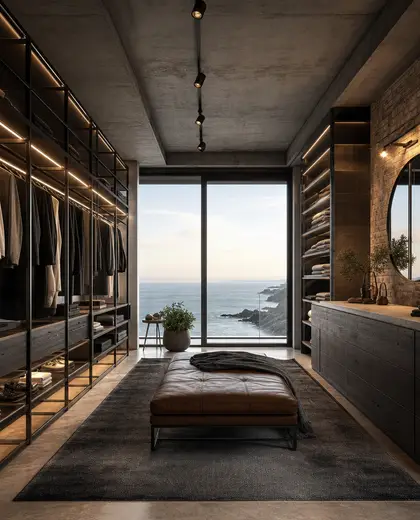
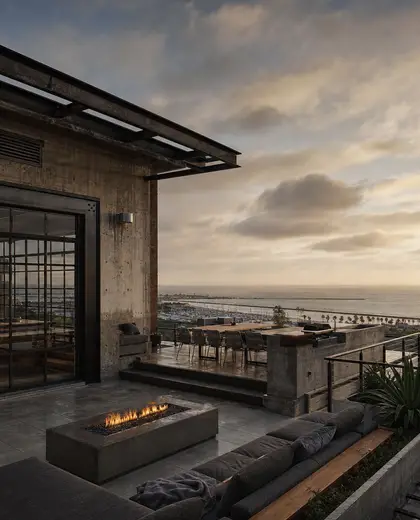
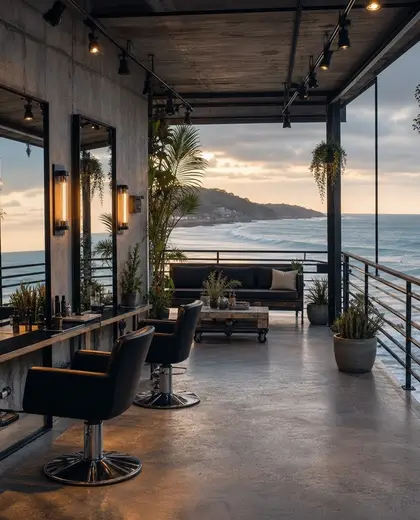
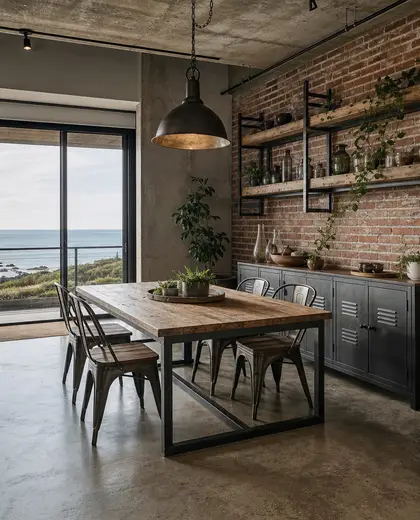
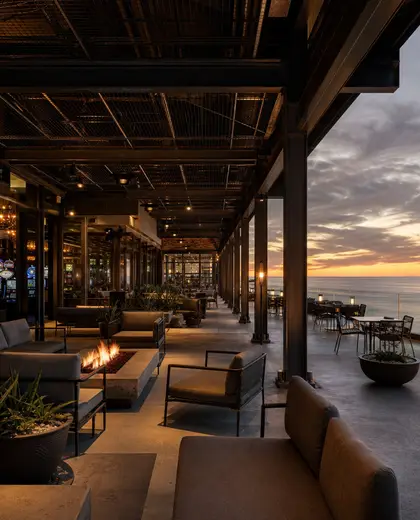
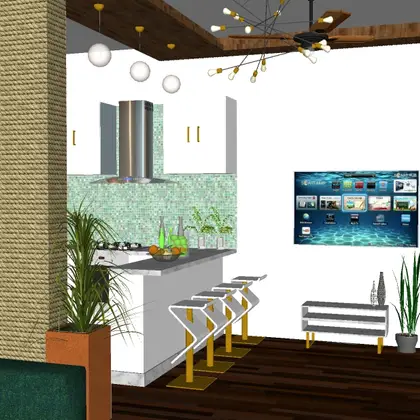
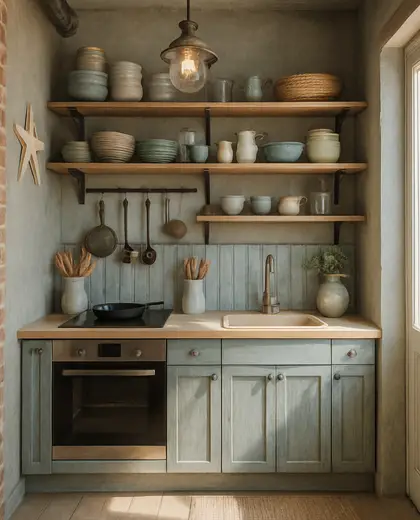
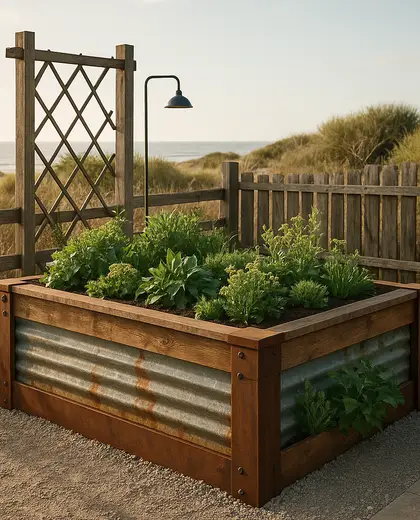
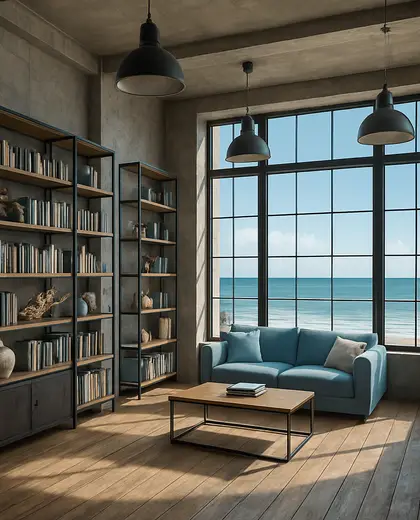
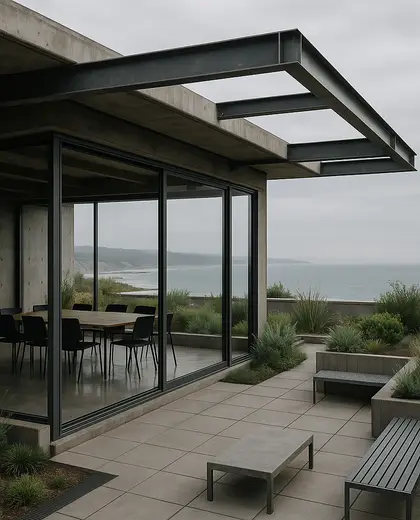
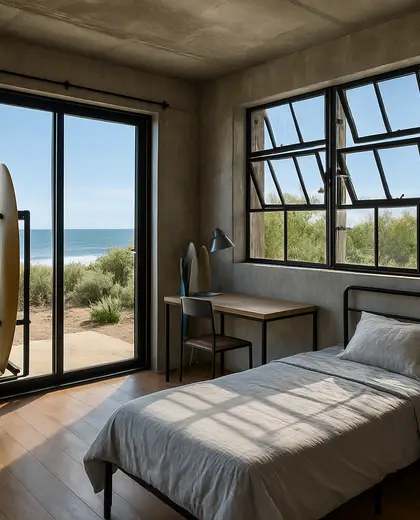
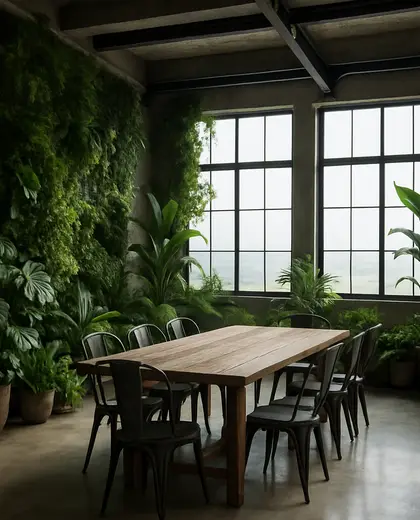
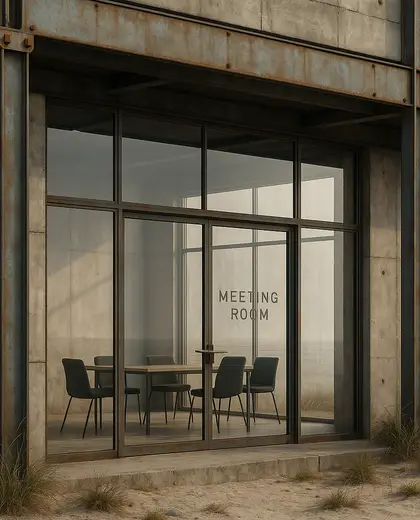
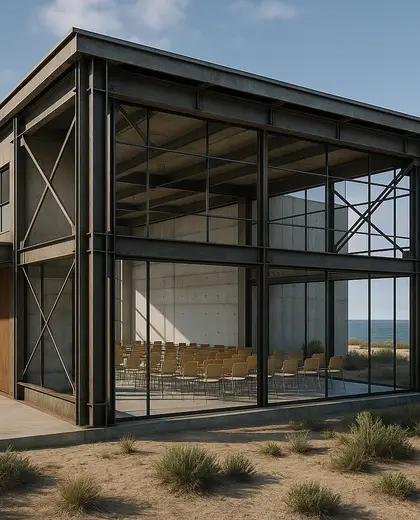
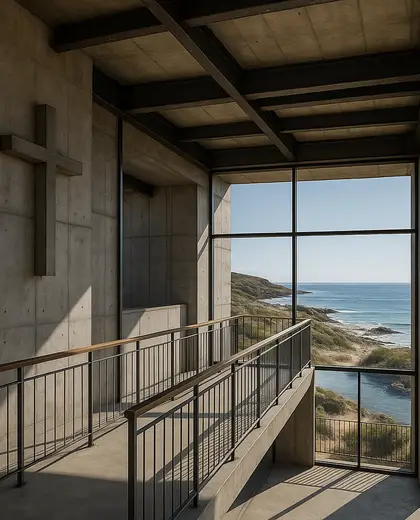
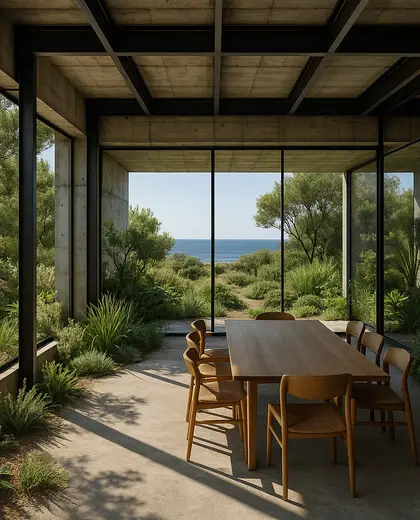
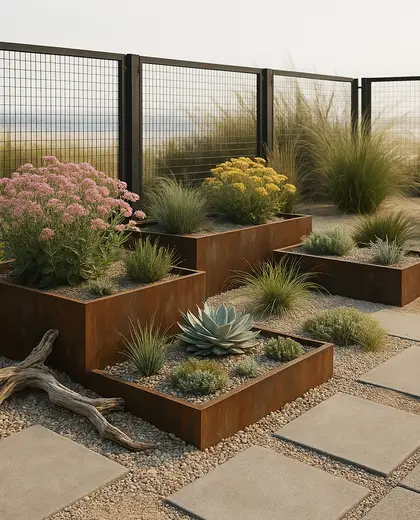
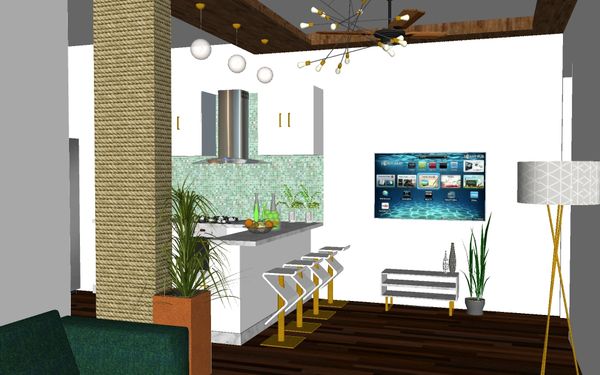
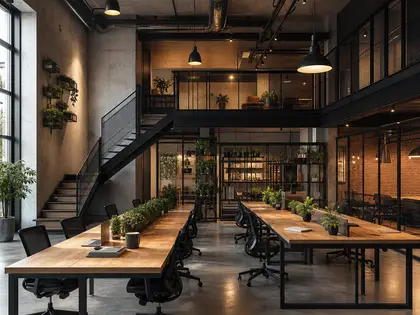
Industrial coastal design pairs weathered, utilitarian materials with the light, airy character of a seaside interior. It typically uses exposed metal, reclaimed wood, concrete, linen, and glass, balanced by whitewashed surfaces, soft blues, sand tones, and open views. The result feels rugged but calm, with clean lines softened by natural texture.
- industrial
- coastal
— References
References to explore

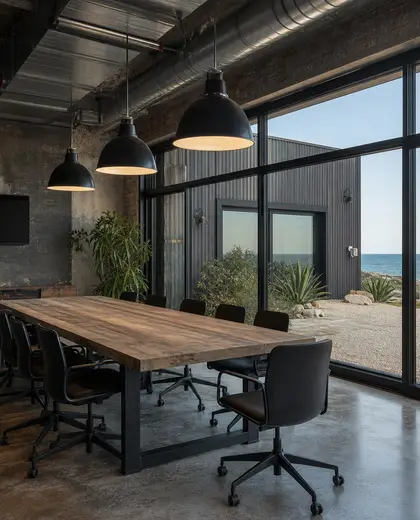
Will industrial coastal feel too cold in a home?
It can if the palette stays too dark or the surfaces are too hard. Adding linen, wood grain, woven textures, and softer coastal colors usually keeps it balanced.

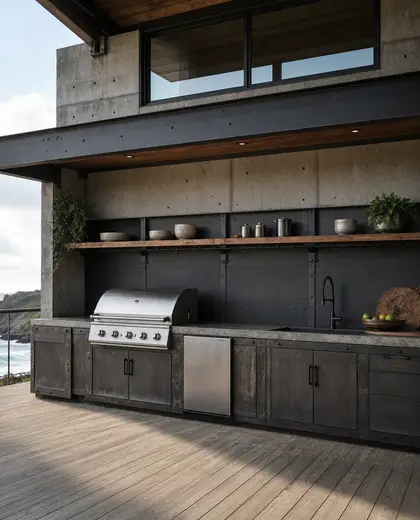

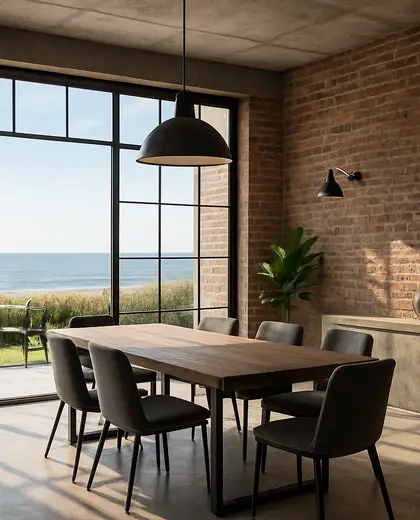
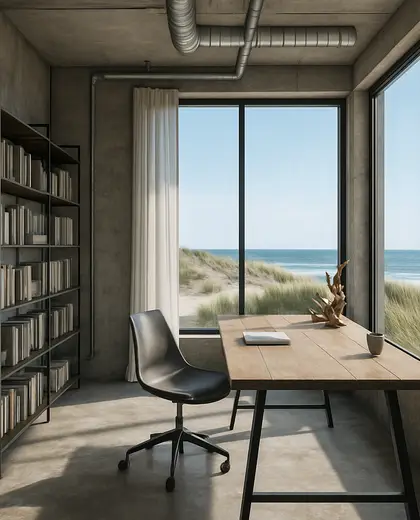
What finishes work best for this style?
Matte or lightly worn finishes are the safest choice. Brushed metal, limewashed walls, aged wood, and honed stone suit the mix better than glossy surfaces.
Does this style work in small spaces?
Yes, if you keep the structure simple and the palette light. Large windows, reflective surfaces, and fewer heavy pieces help preserve the airy coastal feel while keeping the industrial edge.
— The style
What defines it
Exposed steel, concrete, reclaimed timber, white oak, linen, and matte glass.
White, sand, driftwood gray, muted blue, charcoal, and rusted metal accents.
Loft-style structure, nautical restraint, natural textures, and open-plan coastal living.
— Professionals
Who has already built it





- pavit ceramics pvt ltdceramic manufacturers · Ahmedabad · 2 projectsView profile →
- Bristolfurniture sellers · Bangalore · 6 projectsView profile →
- FurnitureRootsfurniture makers · Jodhpur · 6 projectsView profile →
- Bakajoiners · Chennai · 5 projectsView profile →
— Questions
Frequently asked questions
Will industrial coastal feel too cold in a home?
It can if the palette stays too dark or the surfaces are too hard. Adding linen, wood grain, woven textures, and softer coastal colors usually keeps it balanced.
What finishes work best for this style?
Matte or lightly worn finishes are the safest choice. Brushed metal, limewashed walls, aged wood, and honed stone suit the mix better than glossy surfaces.
Does this style work in small spaces?
Yes, if you keep the structure simple and the palette light. Large windows, reflective surfaces, and fewer heavy pieces help preserve the airy coastal feel while keeping the industrial edge.