— Ideas & inspiration
Hotel
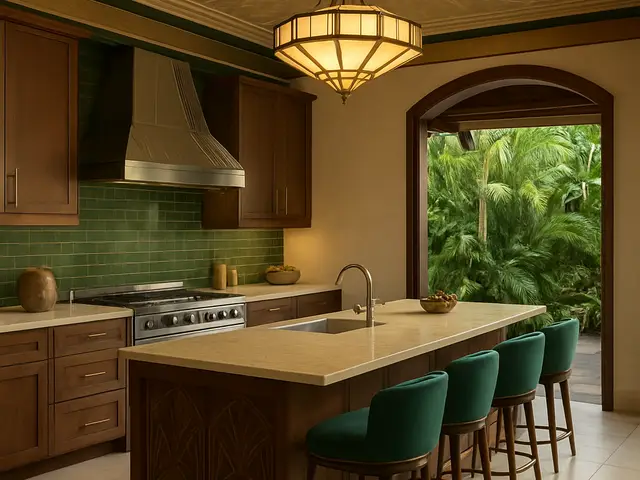
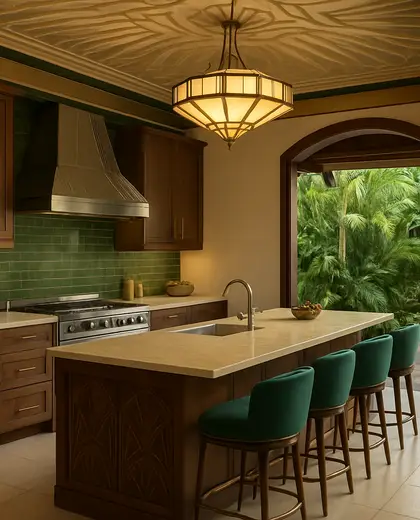
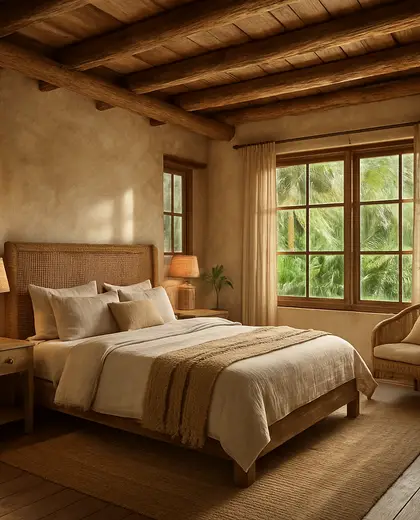
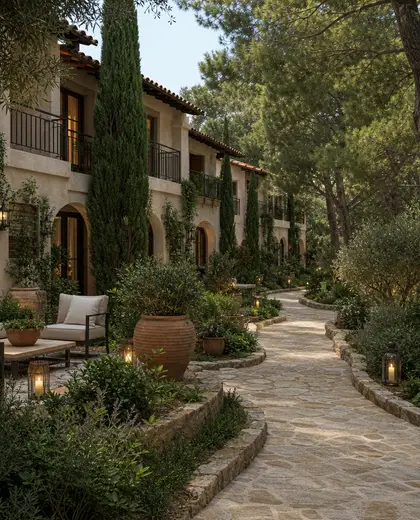
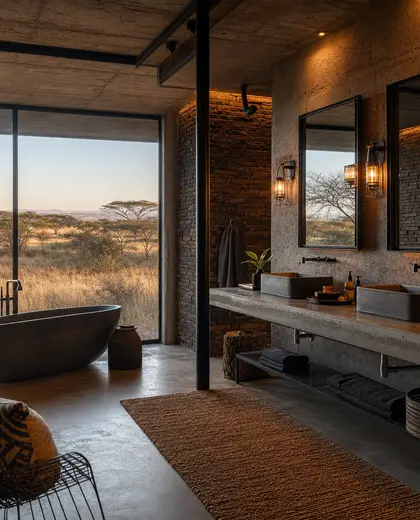
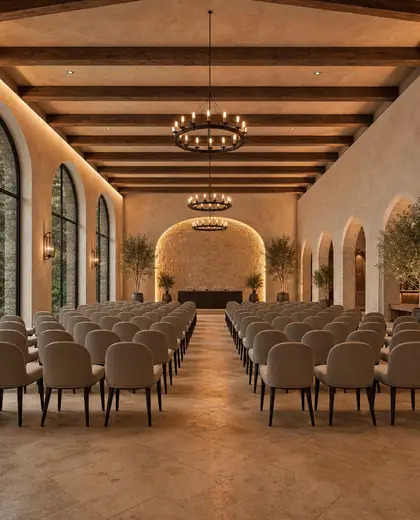
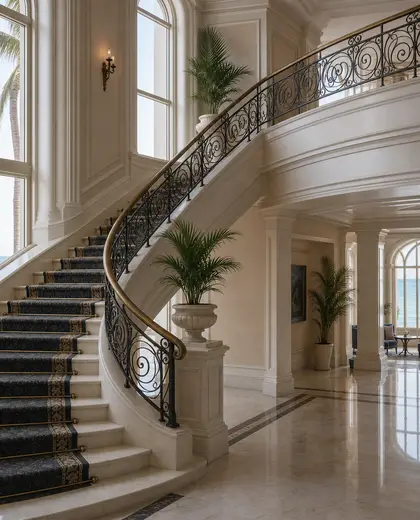
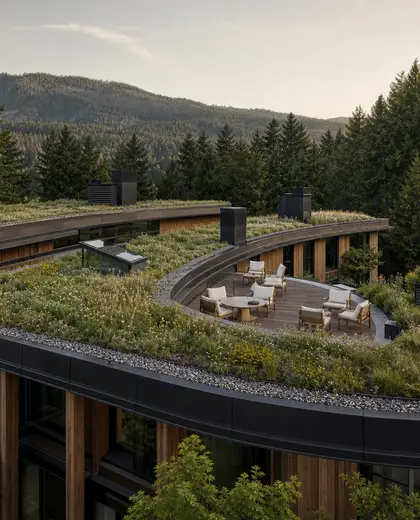
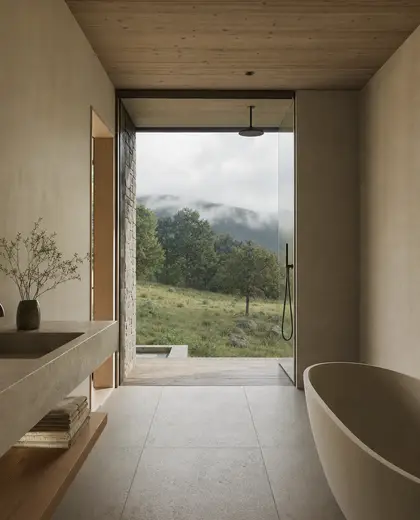
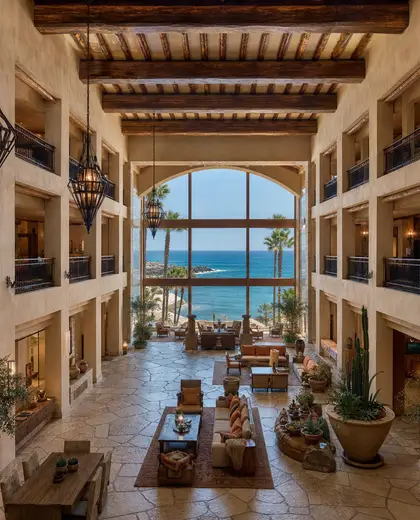
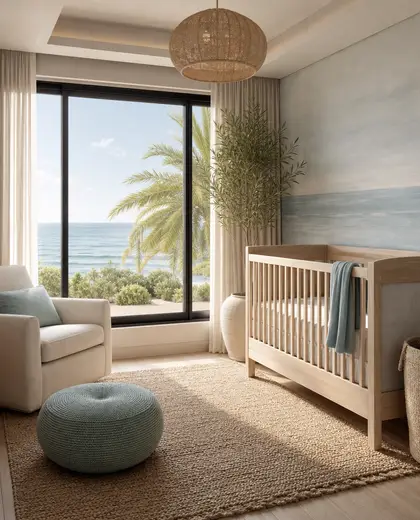
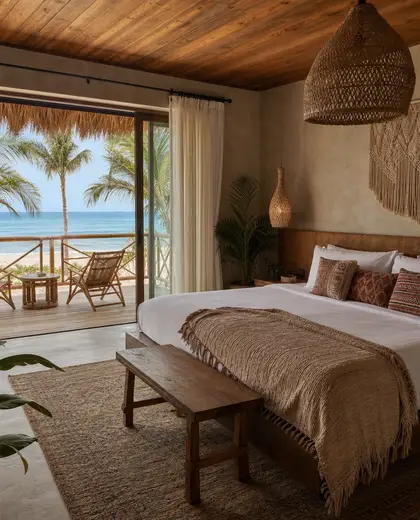
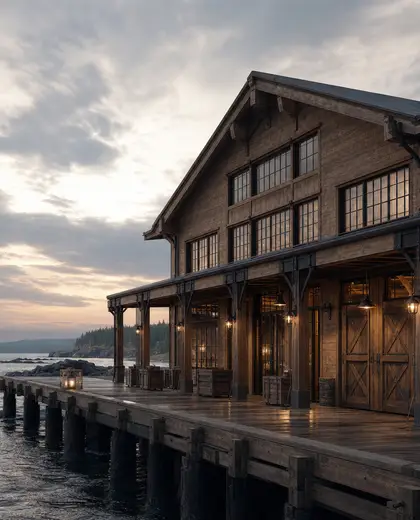
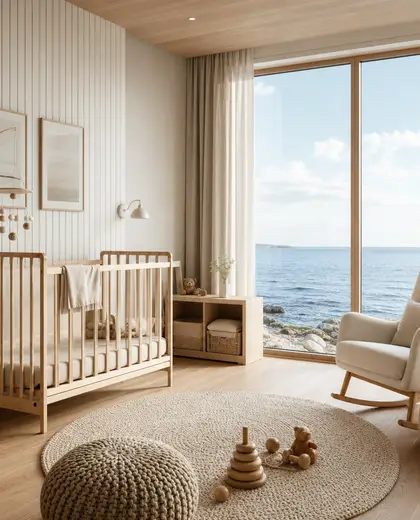
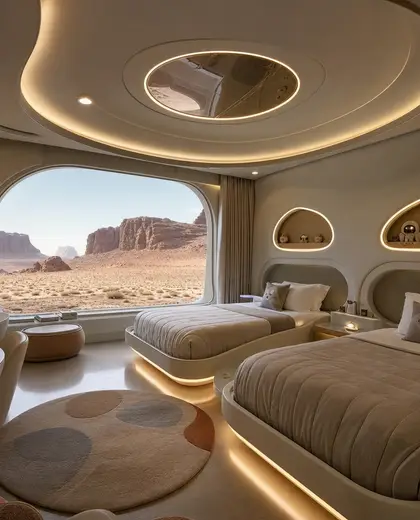
Hotel composition is defined by calm, polished surfaces, tailored upholstery, and layered lighting that create a quiet, finished atmosphere. Common materials include stone, wood veneer, brushed metal, glass, and textured fabrics, usually in a restrained palette of warm neutrals, charcoal, taupe, cream, and deep accent tones. The look relies on symmetry, soft contrasts, and details such as paneling, integrated lighting, and oversized headboards or seating.
- hotel
— References
References to explore
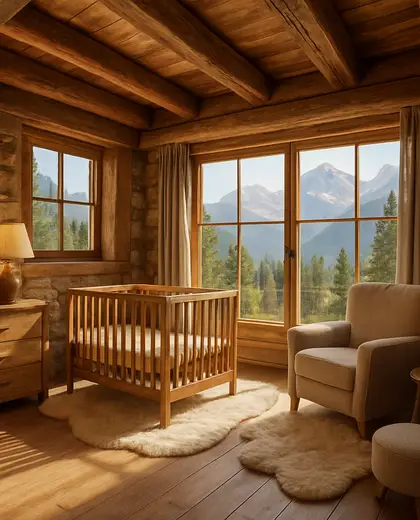
What makes a room feel hotel-like instead of just modern?
A hotel-like room usually feels more layered and controlled, with coordinated finishes, softer lighting, symmetrical layout, and upholstered or paneled features that reduce visual noise.
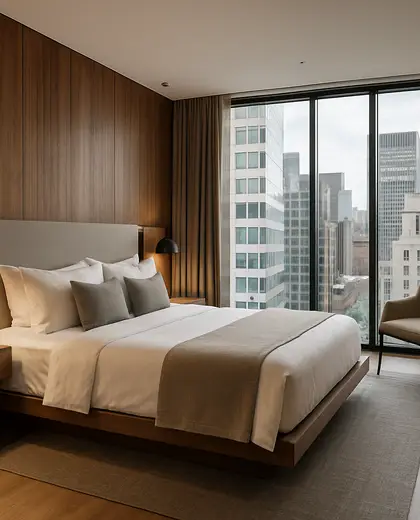
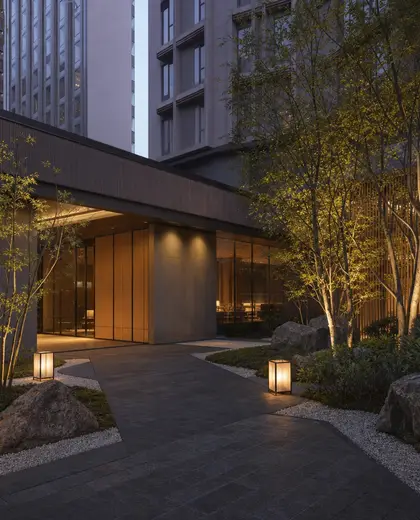
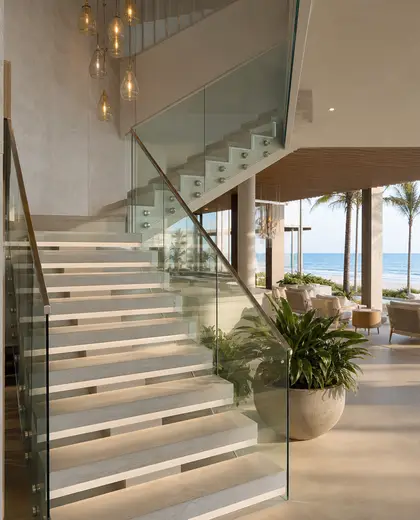
Do I need luxurious materials to get this look?
Not necessarily. The composition depends more on finish quality, consistency, and tactile contrast than on expensive materials alone.
Can this style work in a small home?
Yes, if the palette stays restrained and the room uses built-in storage, compact furniture, reflective surfaces, and carefully placed lighting to avoid clutter.

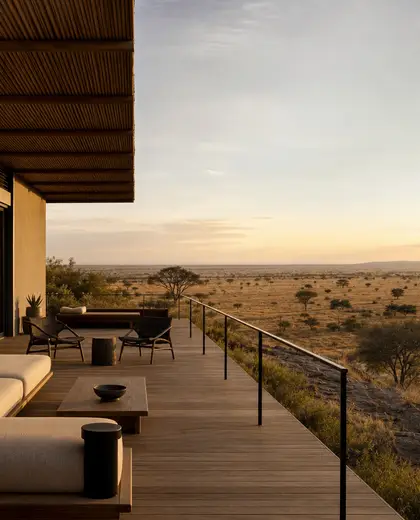
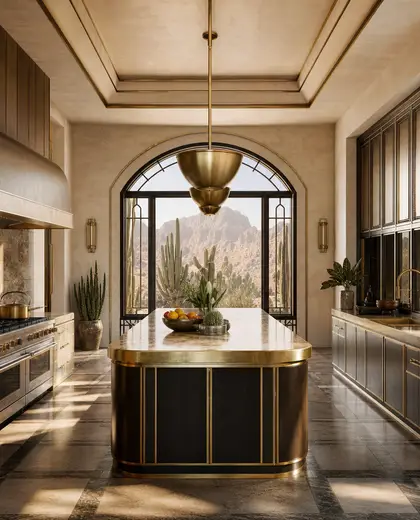
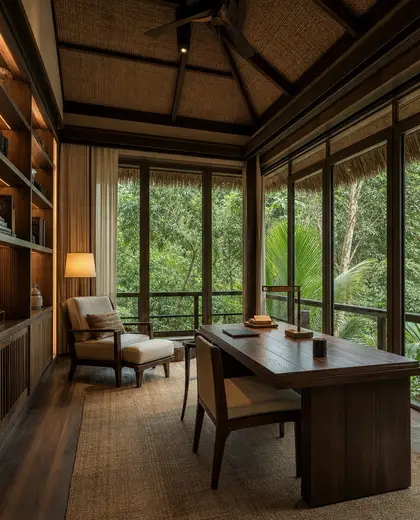
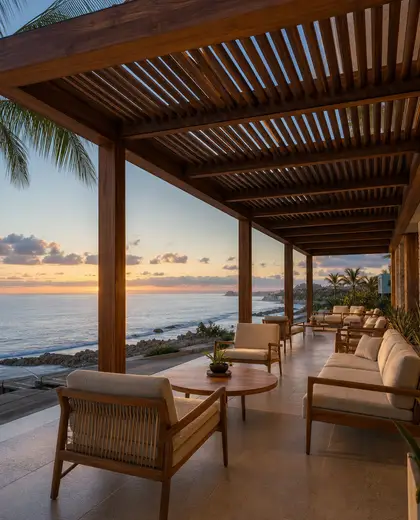
— The style
What defines it
Stone, timber veneer, metal trims, glass, boucle, velvet, and linen are typical.
Mostly warm neutrals and muted darks, often with black, brass, tobacco, or deep green accents.
Works well with minimalist, contemporary, and classic interiors when paired with clean joinery and soft lighting.
— Professionals
Who has already built it
- pavitar guptaarchitects · Ambala · 6 projectsView profile →
- pavit ceramics pvt ltdceramic manufacturers · Ahmedabad · 2 projectsView profile →
- nikitha kumananinterior designers · 6 projectsView profile →
- Bristolfurniture sellers · Bangalore · 6 projectsView profile →
— Questions
Frequently asked questions
What makes a room feel hotel-like instead of just modern?
A hotel-like room usually feels more layered and controlled, with coordinated finishes, softer lighting, symmetrical layout, and upholstered or paneled features that reduce visual noise.
Do I need luxurious materials to get this look?
Not necessarily. The composition depends more on finish quality, consistency, and tactile contrast than on expensive materials alone.
Can this style work in a small home?
Yes, if the palette stays restrained and the room uses built-in storage, compact furniture, reflective surfaces, and carefully placed lighting to avoid clutter.