— Ideas & inspiration
Formal dining room
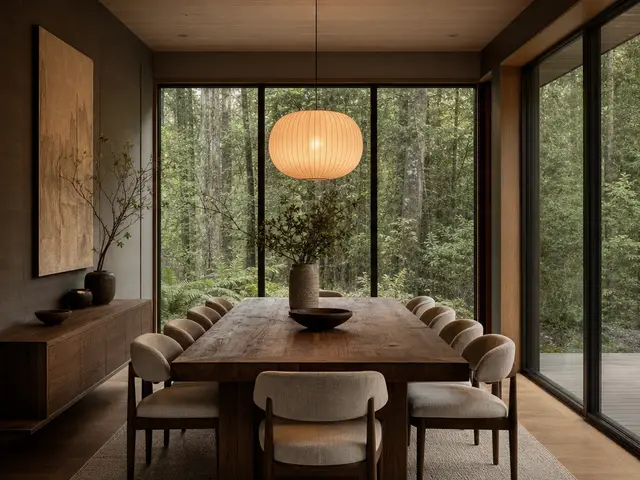
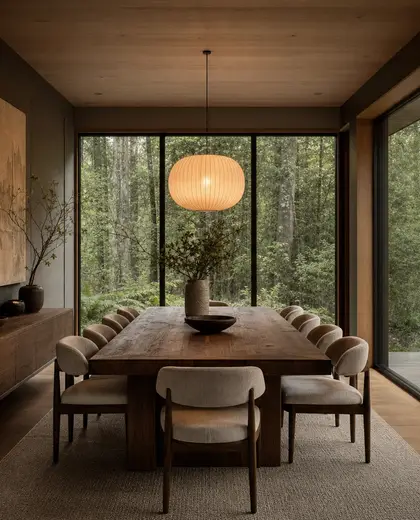
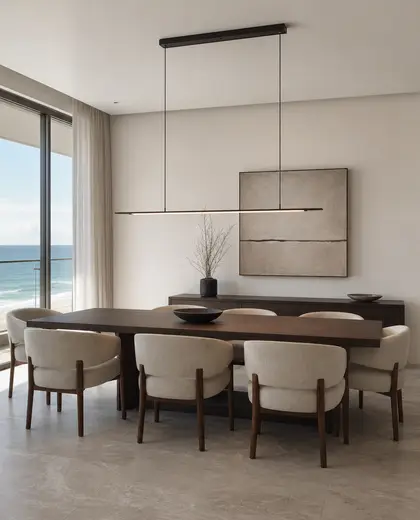
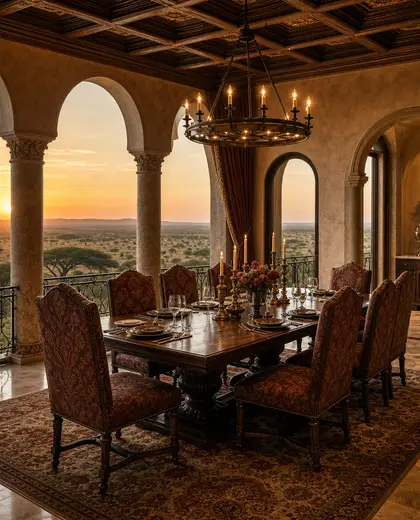
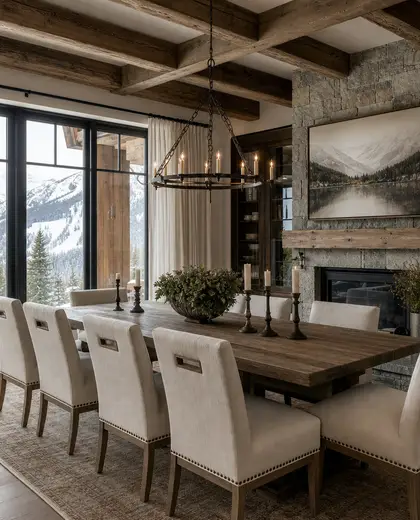
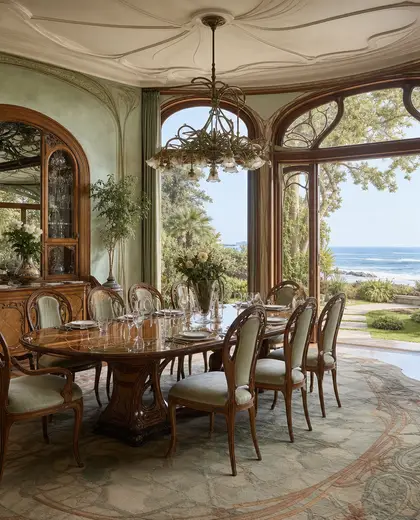
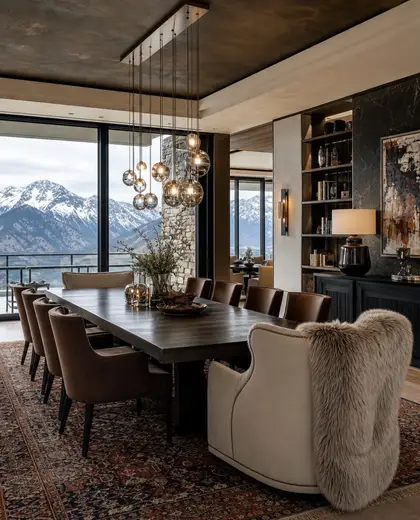
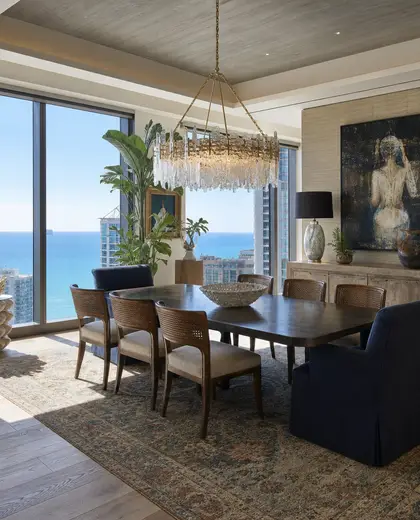
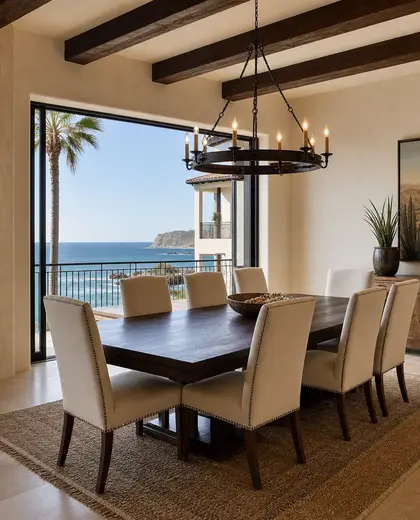
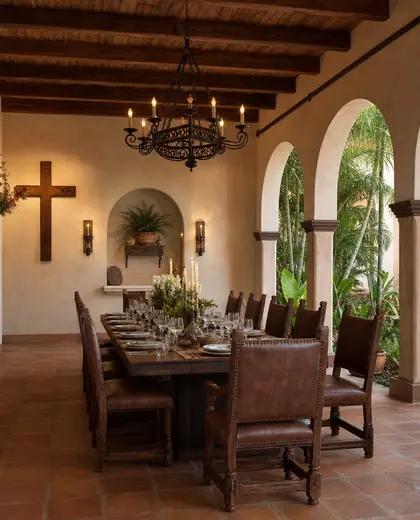
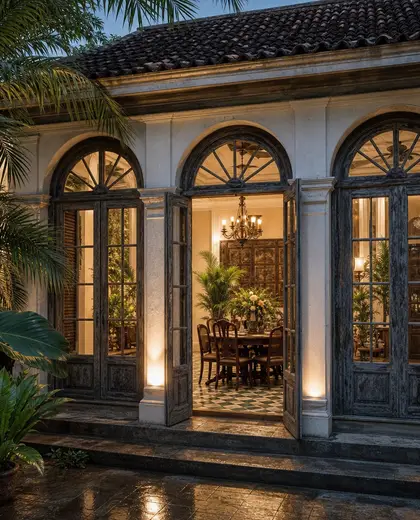
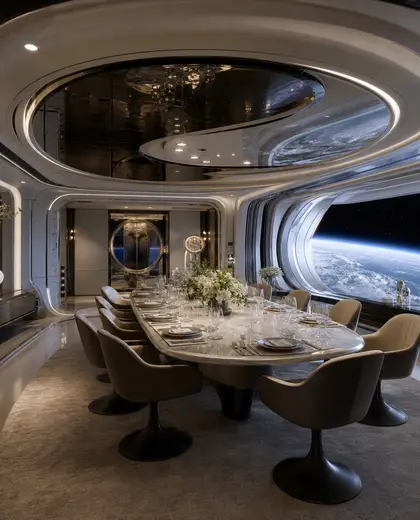
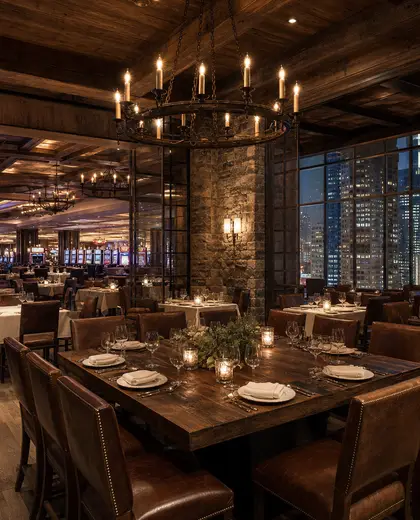
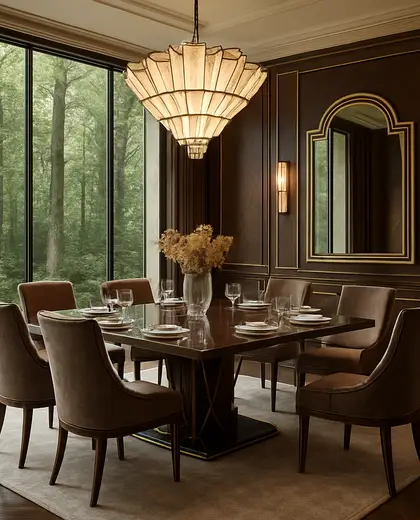
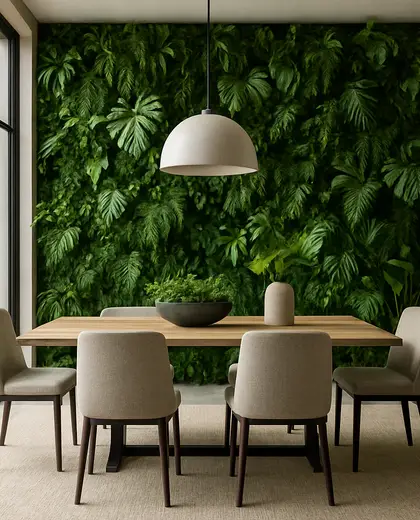
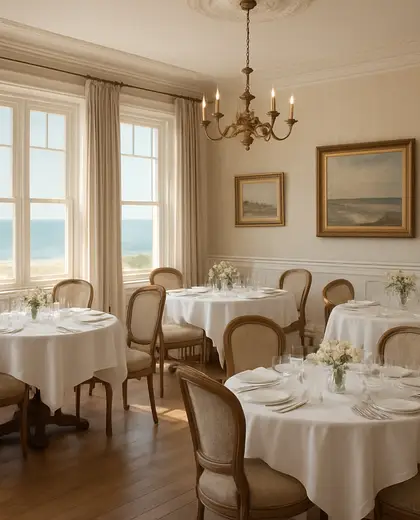
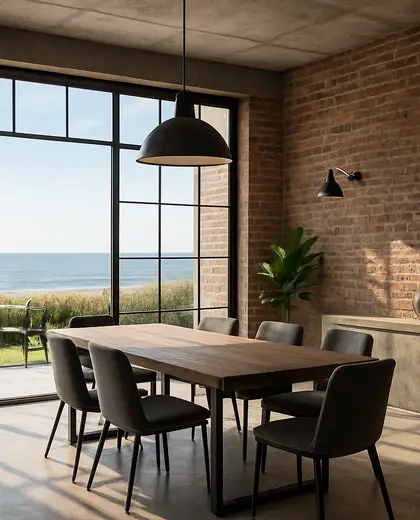
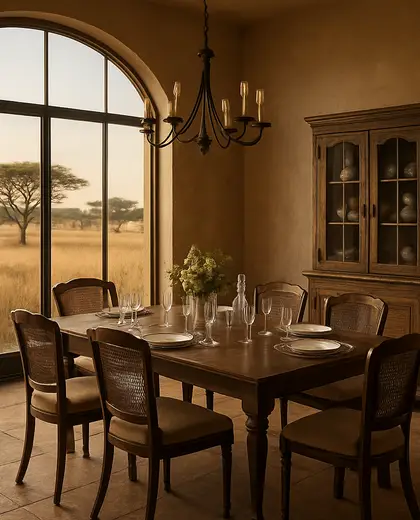
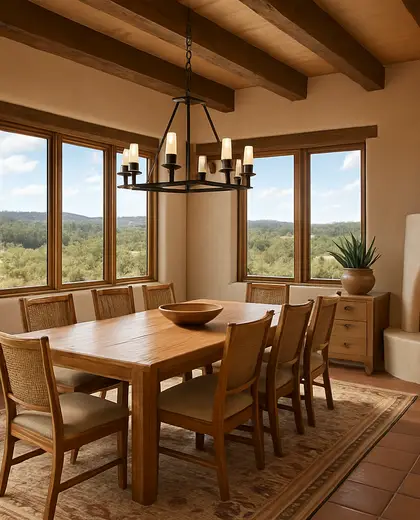
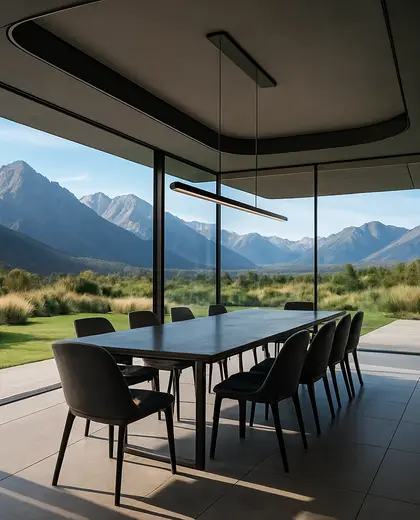
A formal dining room is defined by a clearly set dining area with a full-size table, matched chairs, and a more composed layout than an everyday eat-in space. It often uses solid wood, stone, metal, upholstered seating, and a centered lighting fixture to create a structured, polished room. The palette is usually restrained, with neutrals, deep wood tones, and accent colors used sparingly for contrast.
- formal dining room
— References
References to explore
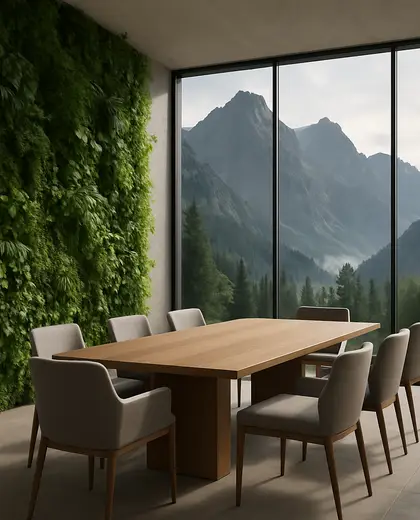
What makes a dining room feel formal?
A formal dining room usually has a dedicated table arrangement, coordinated seating, and a more balanced, symmetrical layout. Lighting, finishes, and decor are typically more refined than in a casual dining space.
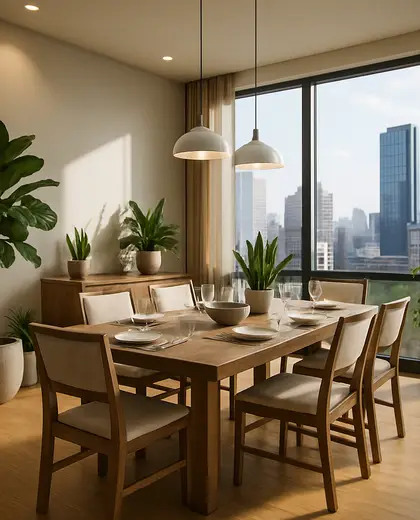
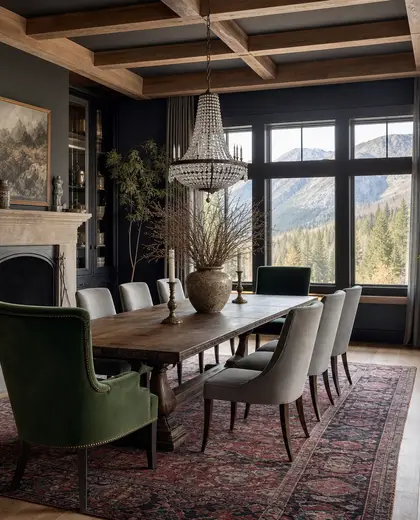
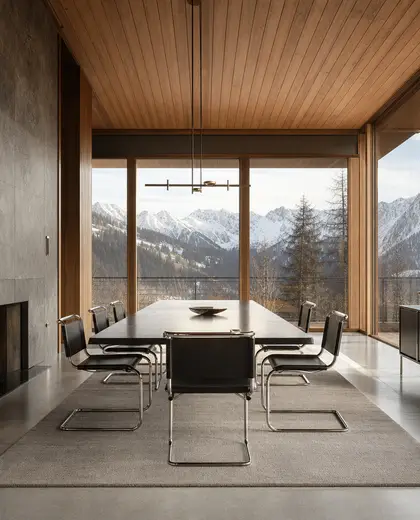
Do formal dining rooms have to be separate rooms?
Not always. In open-plan homes, the dining area can still read as formal if it is visually defined with lighting, a rug, a larger table, and distinct finishes.
Which furniture works best in a formal dining room?
A solid dining table, upholstered or well-crafted chairs, a sideboard, and a focal light fixture are common. The pieces should fit the room size and leave enough circulation space around the table.
— The style
What defines it
Wood, stone, glass, metal, upholstered chairs, and durable textiles are common choices.
Neutrals, warm wood tones, charcoal, navy, cream, and muted accent colors keep the room elegant.
Works well with a chandelier or pendant, a sideboard or buffet, wall panels, area rugs, and framed art.
— Professionals
Who has already built it
- megha sharmaarchitects · Chandigarh · 8 projectsView profile →
- home interior decoratorscarpenters · Rampur · 3 projectsView profile →
- pavit ceramics pvt ltdceramic manufacturers · Ahmedabad · 2 projectsView profile →
- nikitha kumananinterior designers · 6 projectsView profile →
— Questions
Frequently asked questions
What makes a dining room feel formal?
A formal dining room usually has a dedicated table arrangement, coordinated seating, and a more balanced, symmetrical layout. Lighting, finishes, and decor are typically more refined than in a casual dining space.
Do formal dining rooms have to be separate rooms?
Not always. In open-plan homes, the dining area can still read as formal if it is visually defined with lighting, a rug, a larger table, and distinct finishes.
Which furniture works best in a formal dining room?
A solid dining table, upholstered or well-crafted chairs, a sideboard, and a focal light fixture are common. The pieces should fit the room size and leave enough circulation space around the table.