— Ideas & inspiration
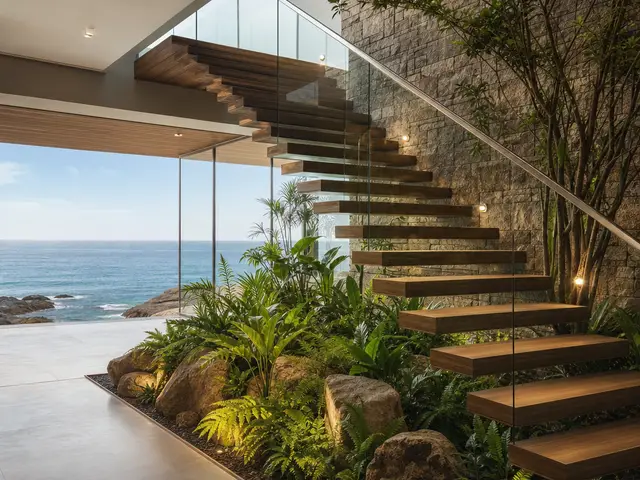
A contemporary indoor garden with clean lines and natural calm
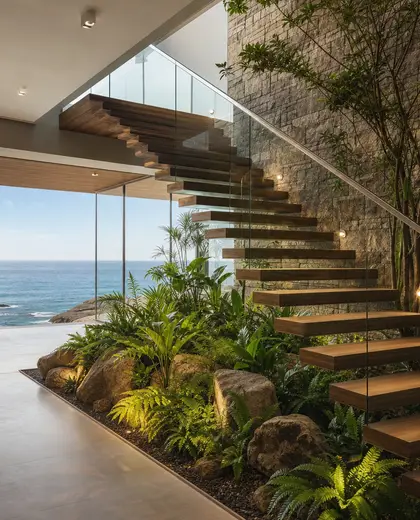
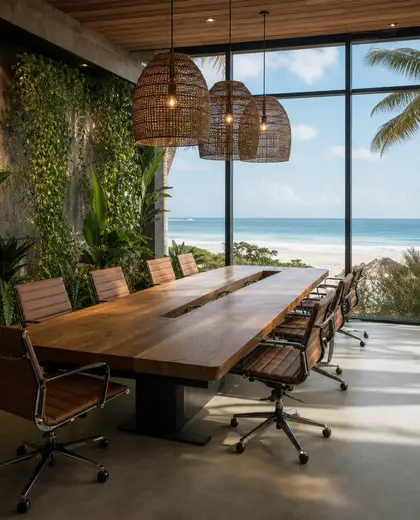
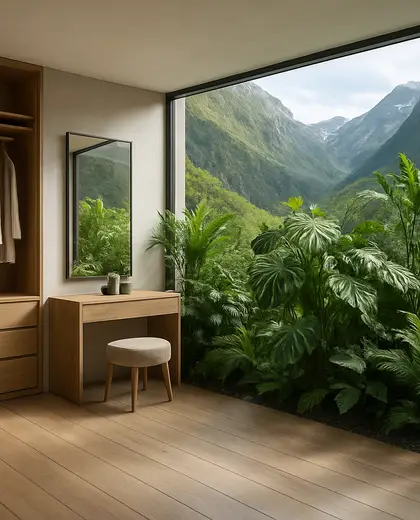
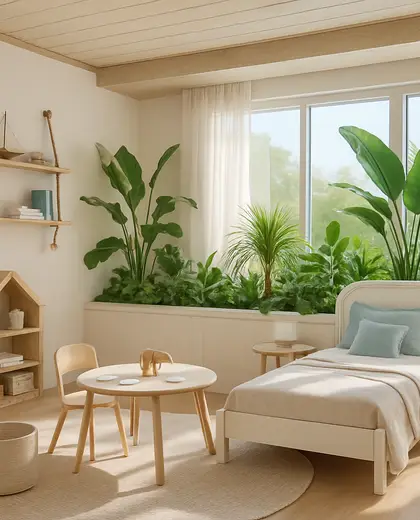
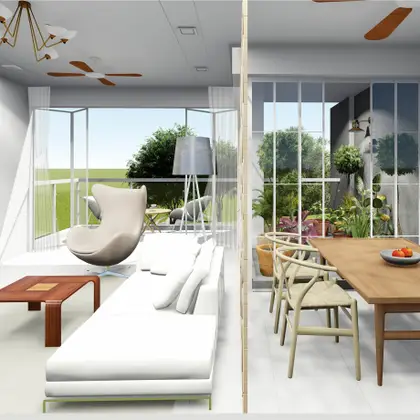
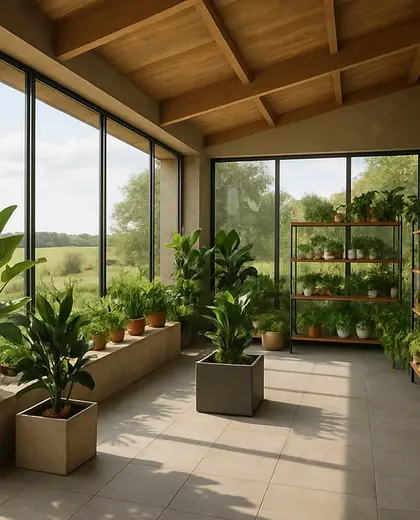
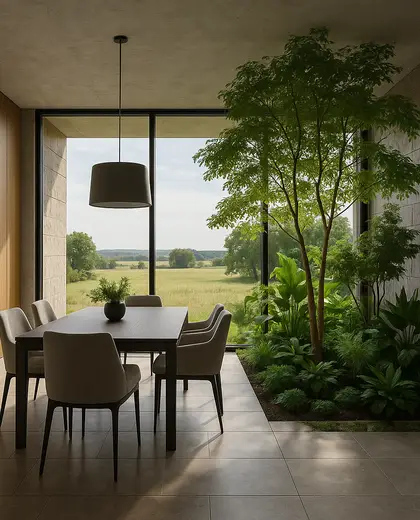
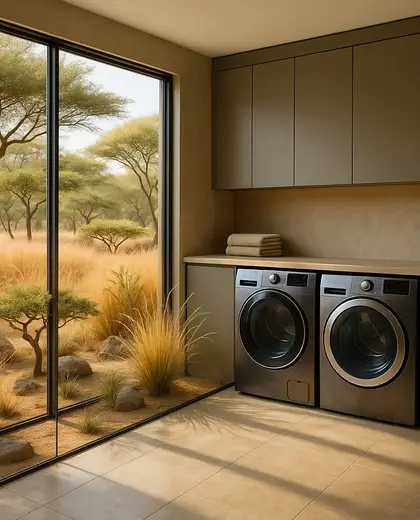
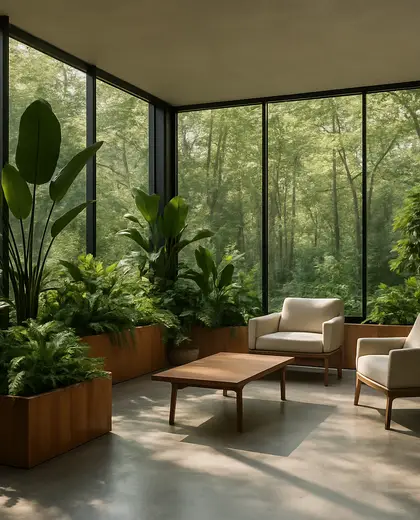
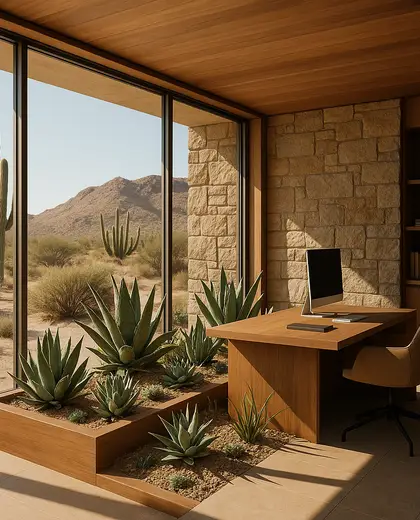
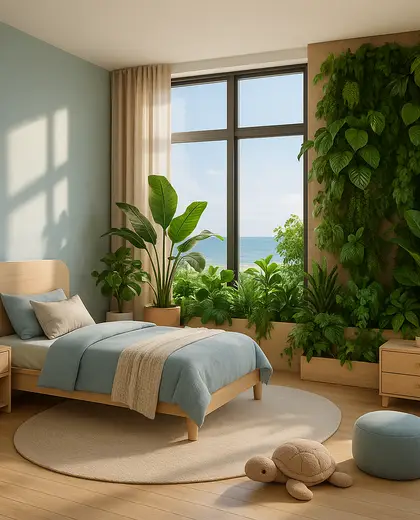
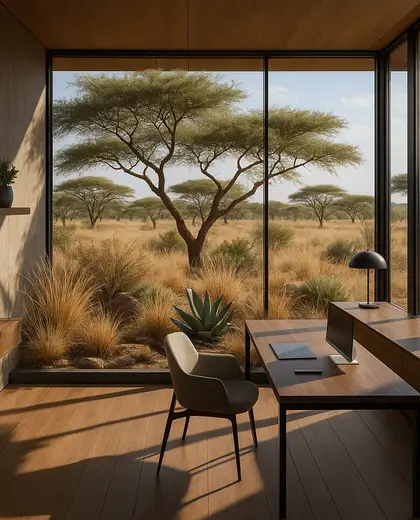
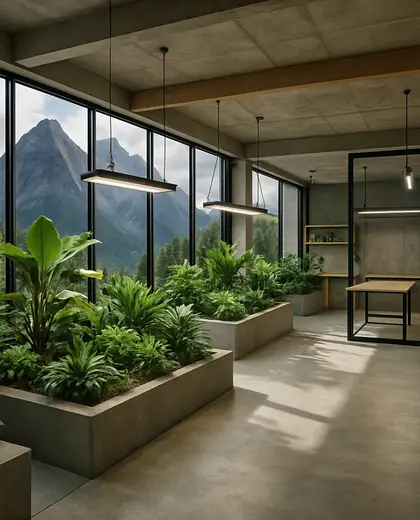
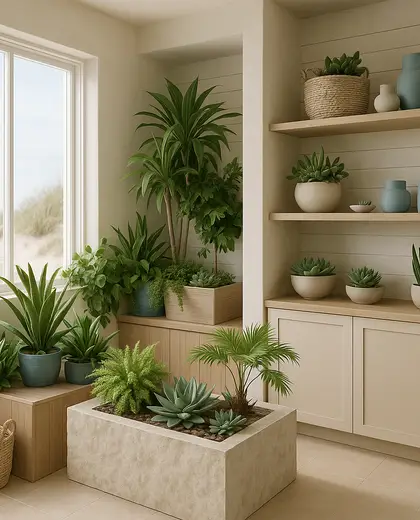
A contemporary indoor garden is defined by simple geometry, restrained detailing, and lush planting integrated into the architecture. It often uses concrete, glass, steel, timber, and matte finishes, with planters, skylights, and large openings that let greenery read as part of the room. The palette stays neutral and grounded, so the plants become the main source of color and texture.
- indoor garden
- contemporary
— References
References to explore

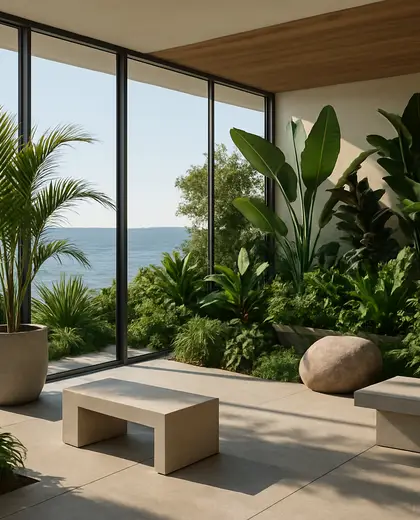

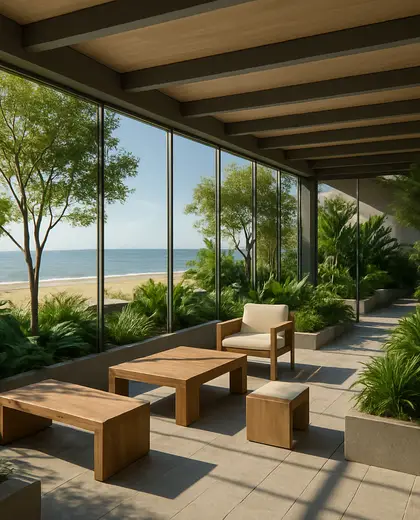
How is a contemporary indoor garden different from a traditional one?
It relies on cleaner lines, fewer decorative elements, and a more architectural way of placing plants, often using built-in planters or framed views rather than heavy ornament.
— The style
What defines it
Concrete, glass, steel, light timber, and stone are common, often paired with built-in planters and minimal joinery.
White, warm gray, charcoal, and natural wood tones usually frame layered greens and organic textures.
This composition works well with open-plan living, courtyards, double-height spaces, and daylight-focused interiors.
— Professionals
Who has already built it
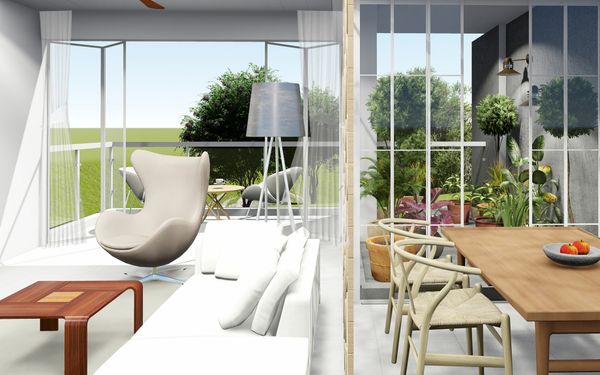

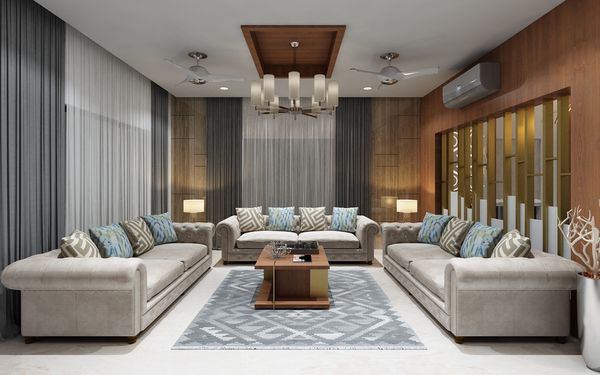



- origin architectsarchitects · 2 projectsView profile →
- mawar electrical serviceselectricians · Bengaluru · 1 projectsView profile →
- the achievers archsmart home professionals · Delhi · 1 projectsView profile →
- home interior decoratorscarpenters · Rampur · 3 projectsView profile →
— Explore
Keep exploring
— ARTICLES
Related reading
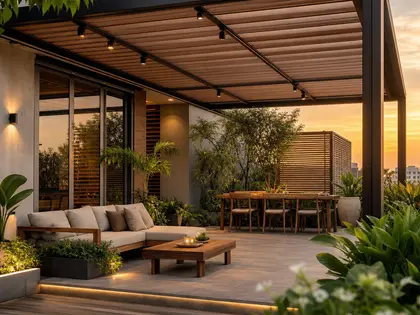
pergola planning: the smart place to begin your outdoor upgrade
A practical start-from-zero guide for planning a contemporary pergola in India, from defining use and budget to locking materials, dimensions, and approvals before work begins.
Read article →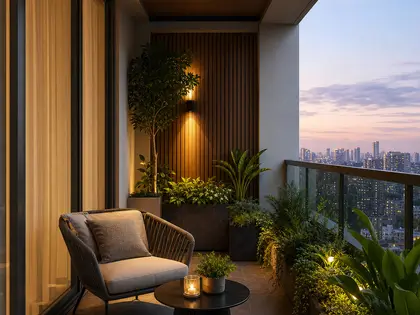
balcony planning in India: where to begin before the first tile is fixed
A practical starting guide for a balcony project in India, from listing needs and setting priorities to locking the key decisions before work begins.
Read article →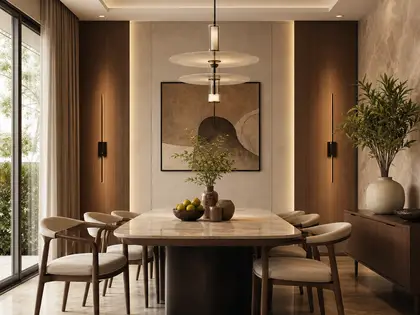
Budgeting a dining room makeover: what it really costs in India
A practical Indian budget guide for renovating a dining room, covering typical costs, smart splurges, sensible savings, and hidden expenses to watch for.
Read article →— Questions
Frequently asked questions
How is a contemporary indoor garden different from a traditional one?
It relies on cleaner lines, fewer decorative elements, and a more architectural way of placing plants, often using built-in planters or framed views rather than heavy ornament.
What plants suit this kind of interior?
Species that tolerate indoor light and stable temperatures work best, especially sculptural or leafy plants that can hold their shape and complement minimal interiors.
Does this style need a lot of natural light?
Natural light helps, but the design can still work with layered lighting, reflected light, and plant choices matched to the room’s conditions.