— Ideas & inspiration
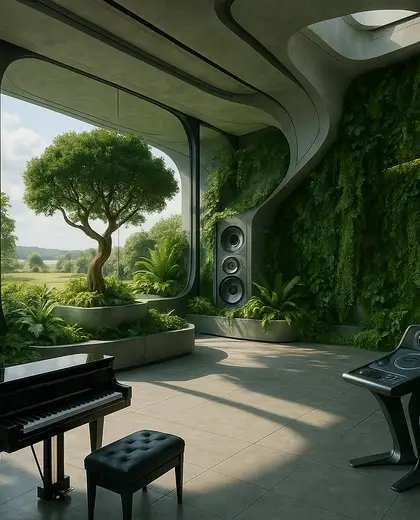
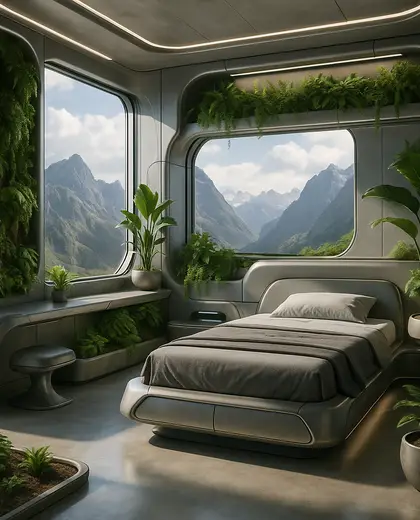
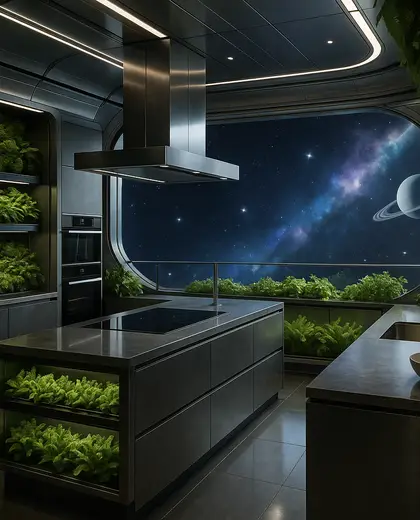
A futuristic indoor garden
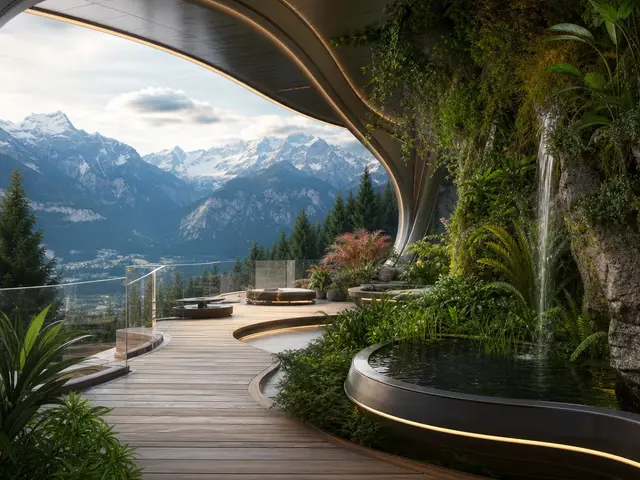
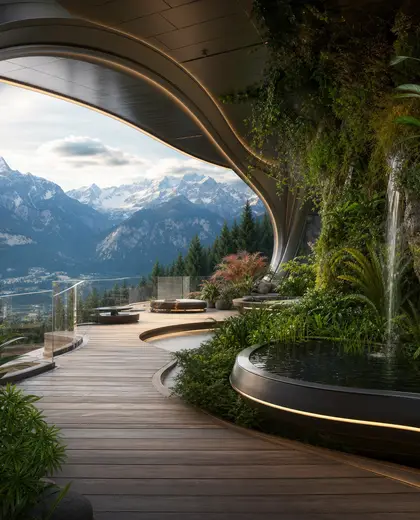
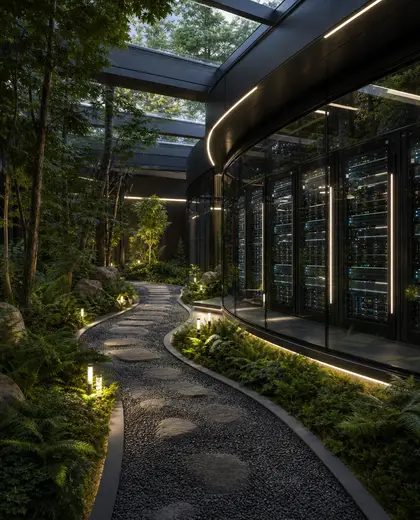
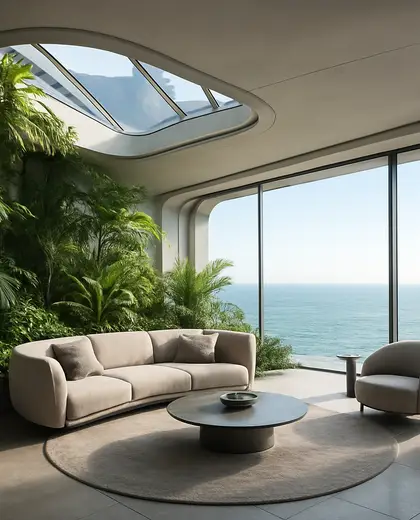
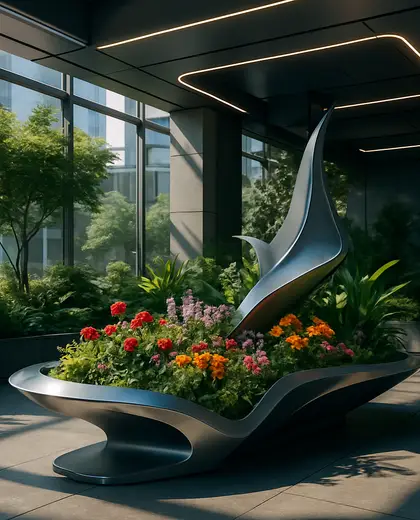
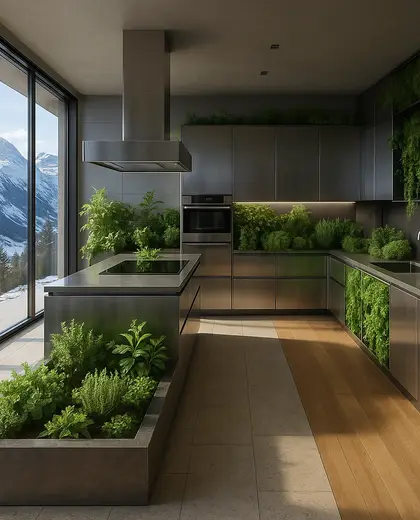
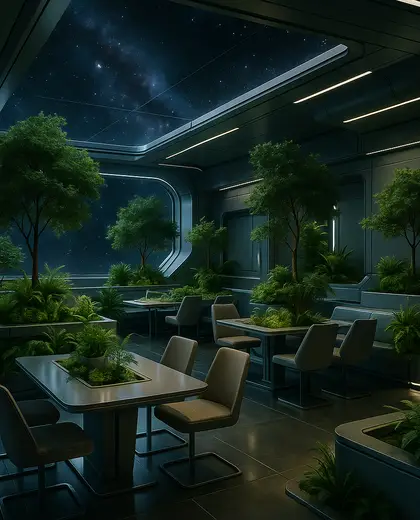
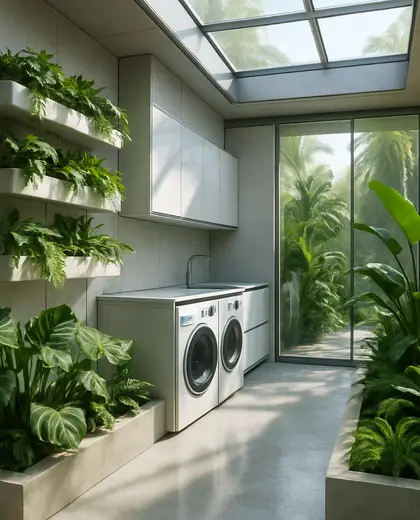
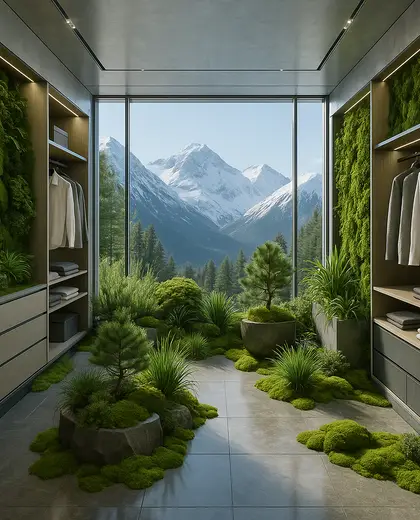
This composition pairs lush planting with sleek, high-tech interiors. Expect glass, polished metal, smooth concrete, integrated lighting, and sculptural planters set against a restrained base palette of white, graphite, silver, and deep green. The look is defined by clean lines, reflective surfaces, and plant forms used as a soft counterpoint to precise geometry.
- indoor garden
- futuristic
— References
References to explore
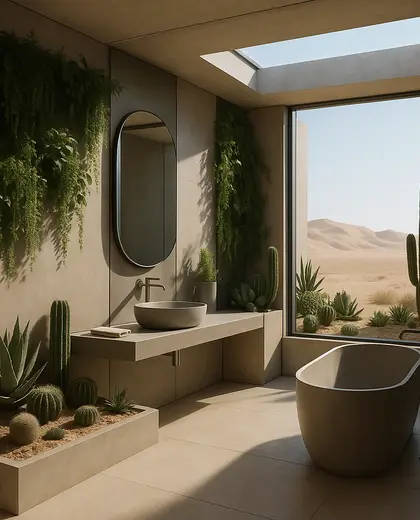
How do I keep an indoor garden looking futuristic instead of rustic?
Use simple planter forms, hidden supports, and a restrained palette. Choose plants with strong silhouettes and pair them with clean-lined furniture, seamless floors, and integrated light.
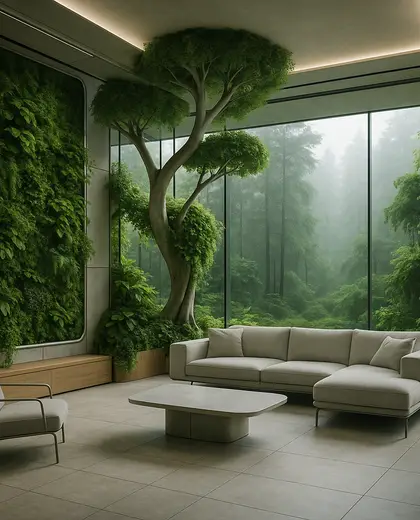
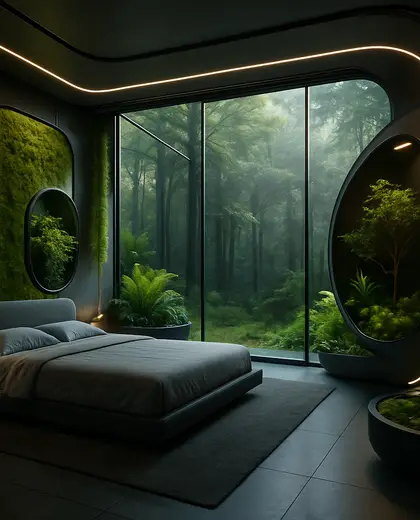
What plants work best for this style?
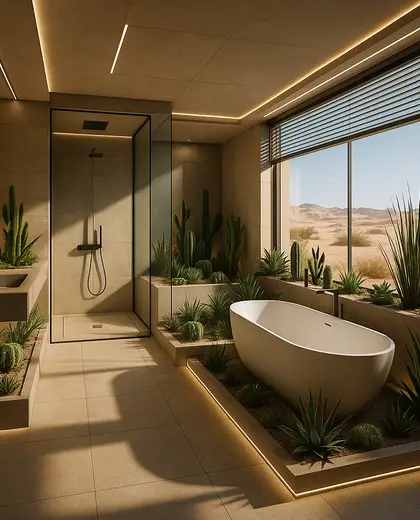
Plants with bold, architectural shapes tend to fit best, such as fiddle-leaf figs, monstera, snake plants, philodendrons, and grasses. Trailing plants can work too if they are contained in crisp, modern planters.
Can this work in a small home?
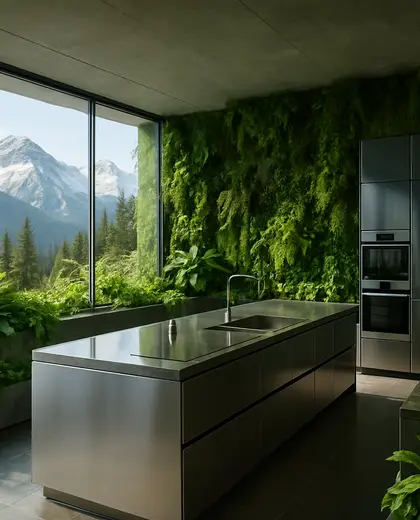
Yes. A compact version can use vertical planting, a few statement pots, or a narrow light-filled corner with reflective surfaces. The key is keeping the composition sparse and intentional.
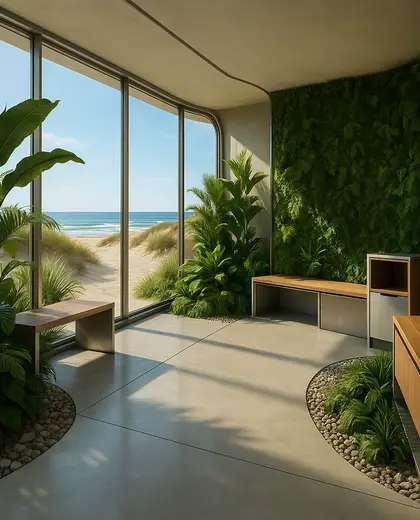
— The style
What defines it
Glass, brushed or polished metal, concrete, stone, and modular planters with built-in lighting or irrigation.
Cool neutrals like white, black, graphite, and silver, balanced by vivid green foliage and occasional blue-toned accents.
Biophilic interiors, minimalist layouts, smart-home features, and sculptural furniture or lighting.
— Professionals
Who has already built it
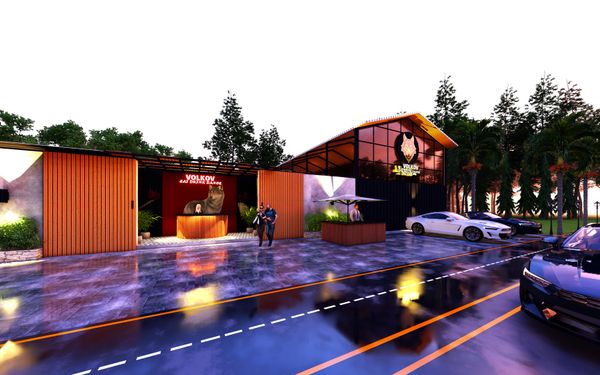

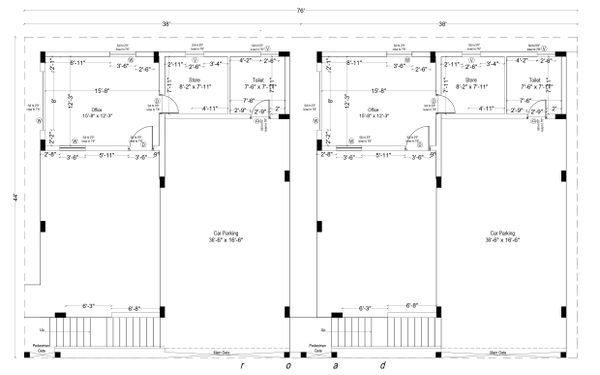

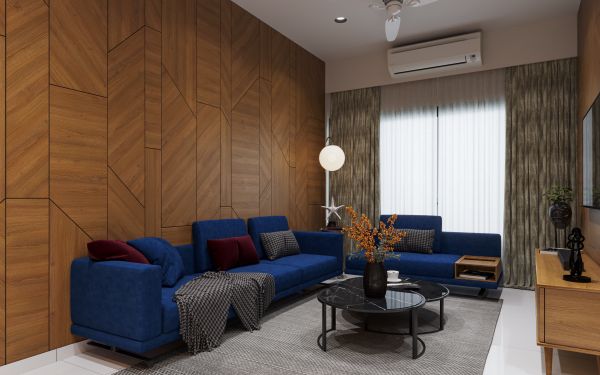

- Bristolfurniture sellers · Bangalore · 6 projectsView profile →
- FurnitureRootsfurniture makers · Jodhpur · 6 projectsView profile →
- Bakajoiners · Chennai · 5 projectsView profile →
- Natural Veneersbuilding material distributors · Mumbai · 4 projectsView profile →
— Explore
Keep exploring
— Questions
Frequently asked questions
How do I keep an indoor garden looking futuristic instead of rustic?
Use simple planter forms, hidden supports, and a restrained palette. Choose plants with strong silhouettes and pair them with clean-lined furniture, seamless floors, and integrated light.
What plants work best for this style?
Plants with bold, architectural shapes tend to fit best, such as fiddle-leaf figs, monstera, snake plants, philodendrons, and grasses. Trailing plants can work too if they are contained in crisp, modern planters.
Can this work in a small home?
Yes. A compact version can use vertical planting, a few statement pots, or a narrow light-filled corner with reflective surfaces. The key is keeping the composition sparse and intentional.