— Ideas & inspiration
Workshop composition
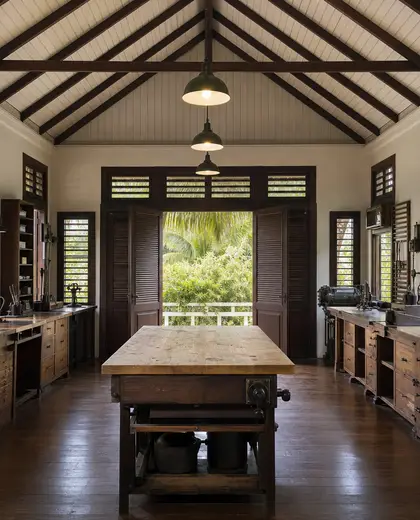
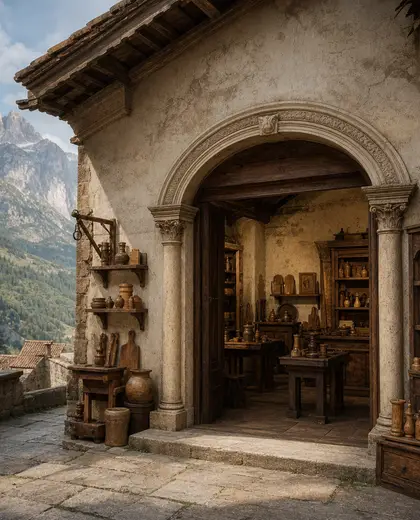
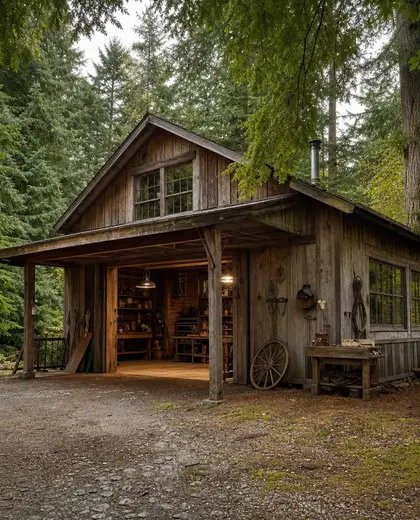
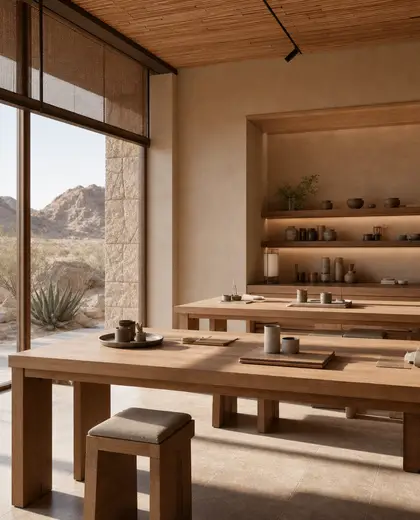
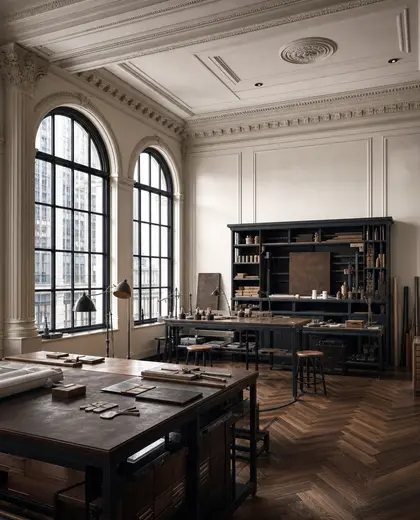
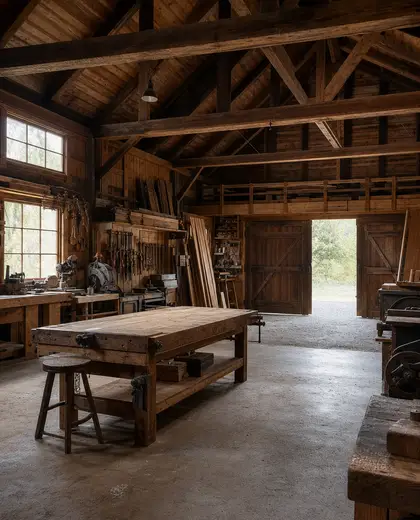
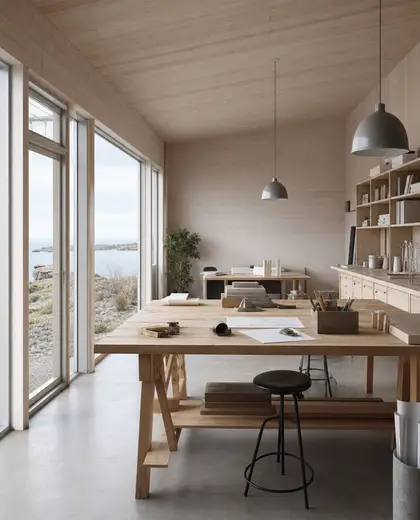
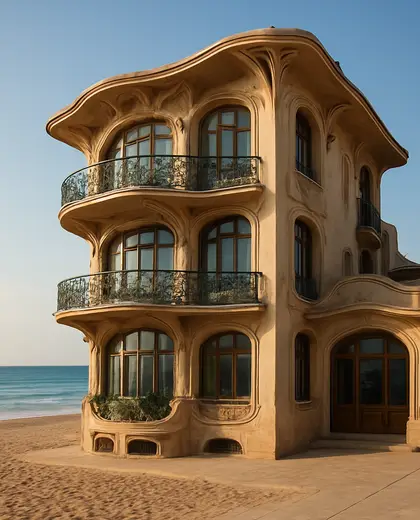
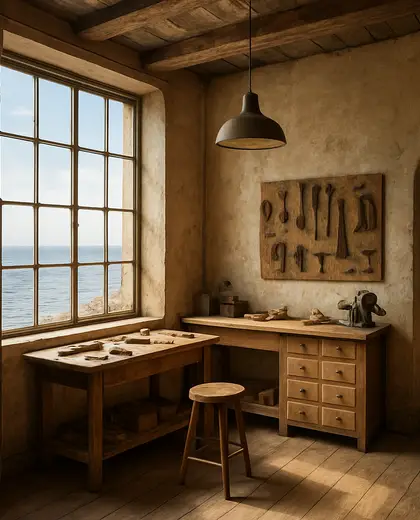
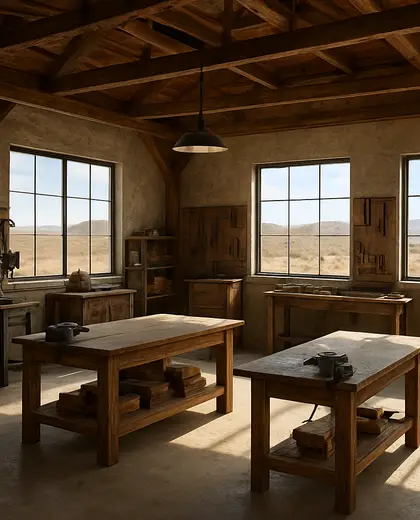
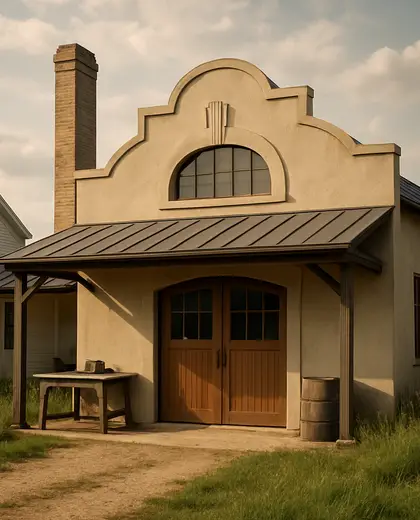
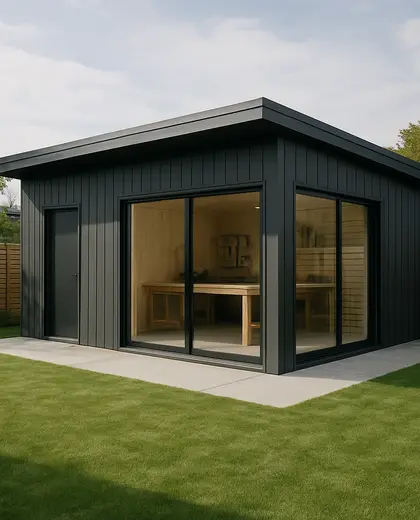
A workshop composition is defined by durable, utilitarian materials such as raw timber, steel, concrete, brick, and hardy work surfaces. The palette usually stays muted and practical, with greys, browns, black, off-white, and occasional oxidized or matte finishes. It often includes open shelving, pegboards, task lighting, large benches, and visible storage, with a clear focus on function and easy maintenance.
- workshop

— References
References to explore

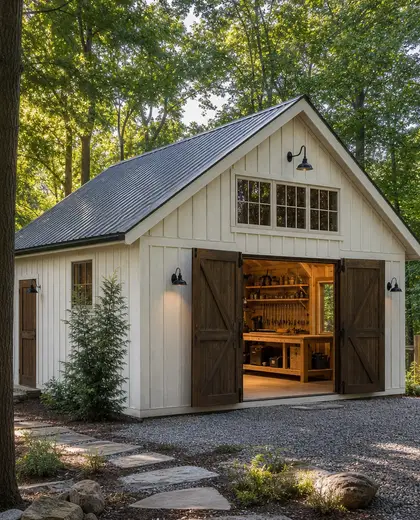
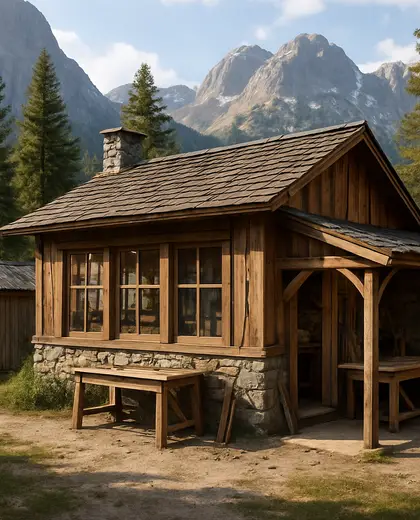

Can a workshop composition still feel comfortable at home?
Yes. It usually feels comfortable when the hard materials are balanced with warmer wood, softer seating, and controlled lighting.
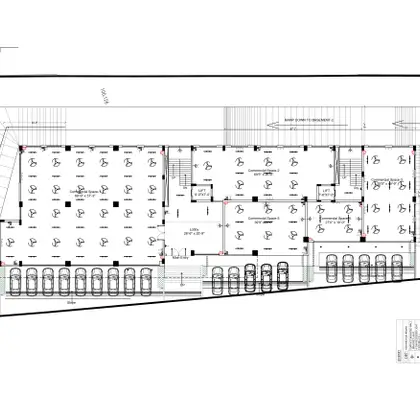
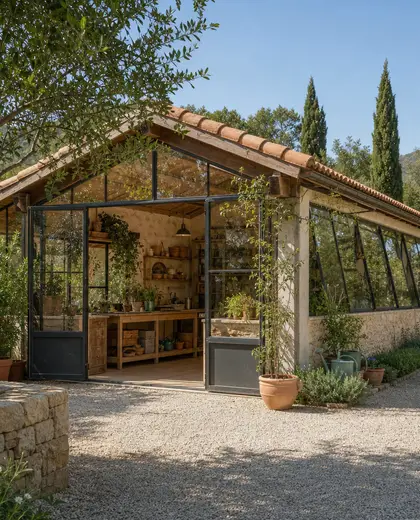
What rooms suit a workshop composition best?
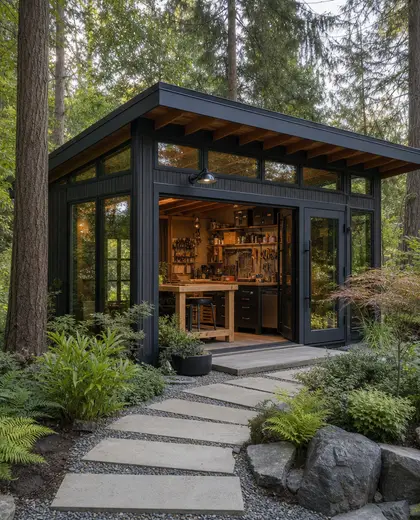
It suits garages, home studios, utility rooms, craft rooms, kitchens with prep areas, and converted outbuildings where durability matters.

Does this composition need a lot of exposed structure?
Not always. Exposed beams, ducts, or brick reinforce the look, but the composition can also be achieved with sturdy surfaces, open storage, and a practical layout.

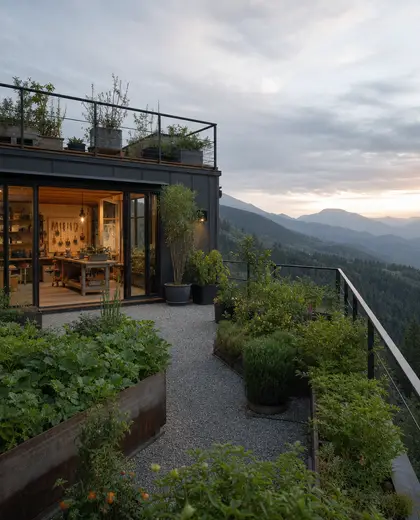
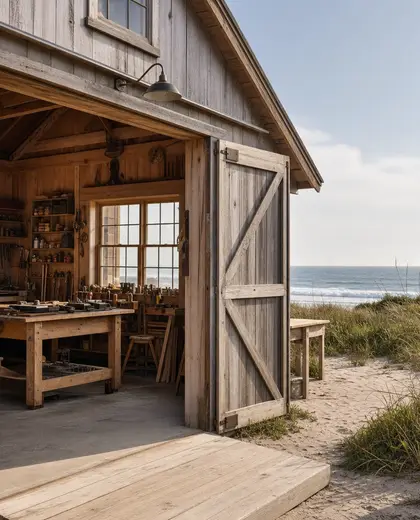
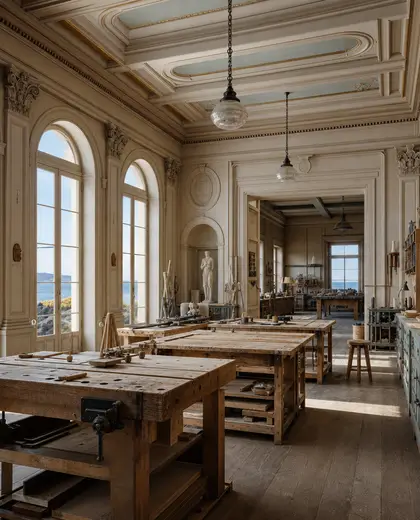
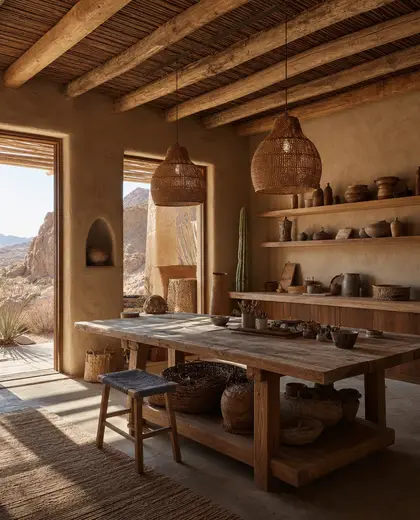

— The style
What defines it
Raw wood, metal frames, concrete floors, brick, mesh, and scratch-resistant worktops are common.
Neutral and earthy tones dominate, with charcoal, taupe, black, white, and weathered natural finishes.
Works well with industrial, rustic, loft, and contemporary interiors, especially spaces that need storage and practical zoning.
— Professionals
Who has already built it



- mawar electrical serviceselectricians · Bengaluru · 1 projectsView profile →
- the achievers archsmart home professionals · Delhi · 1 projectsView profile →
- home interior decoratorscarpenters · Rampur · 3 projectsView profile →
- pavit ceramics pvt ltdceramic manufacturers · Ahmedabad · 2 projectsView profile →
— Questions
Frequently asked questions
Can a workshop composition still feel comfortable at home?
Yes. It usually feels comfortable when the hard materials are balanced with warmer wood, softer seating, and controlled lighting.
What rooms suit a workshop composition best?
It suits garages, home studios, utility rooms, craft rooms, kitchens with prep areas, and converted outbuildings where durability matters.
Does this composition need a lot of exposed structure?
Not always. Exposed beams, ducts, or brick reinforce the look, but the composition can also be achieved with sturdy surfaces, open storage, and a practical layout.