— Ideas & inspiration
Wine cellar
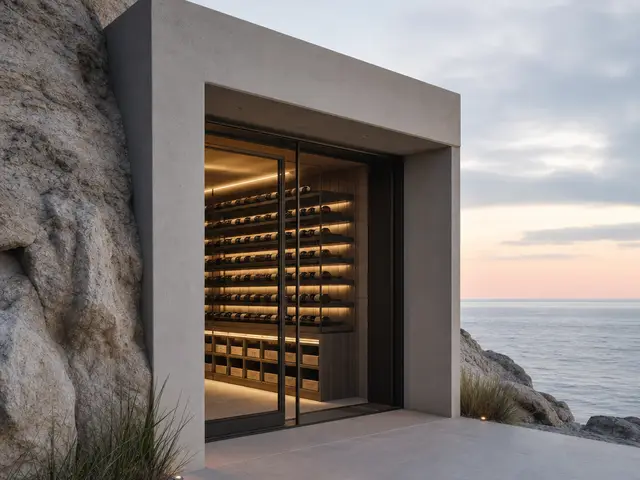
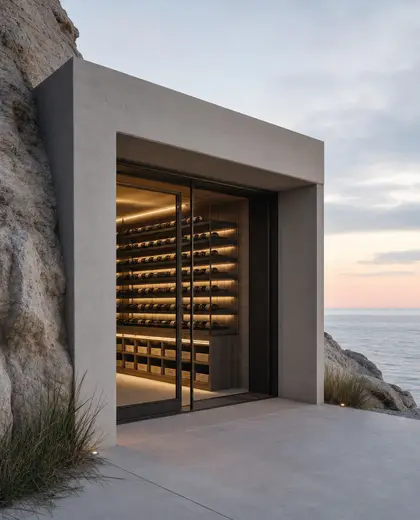
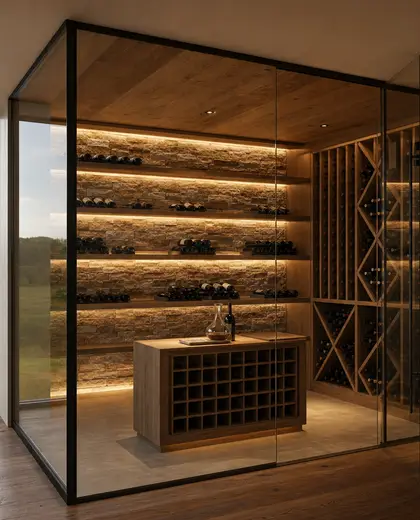
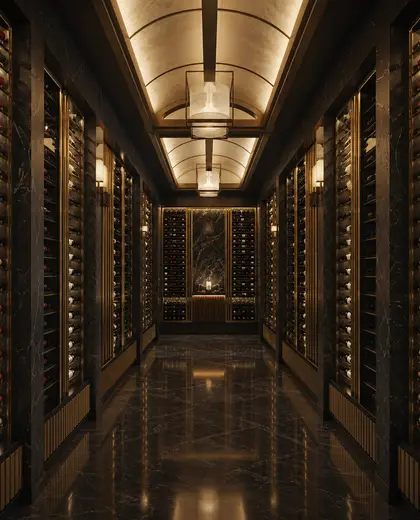
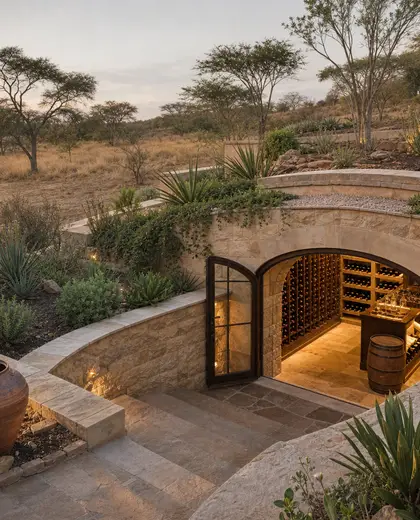
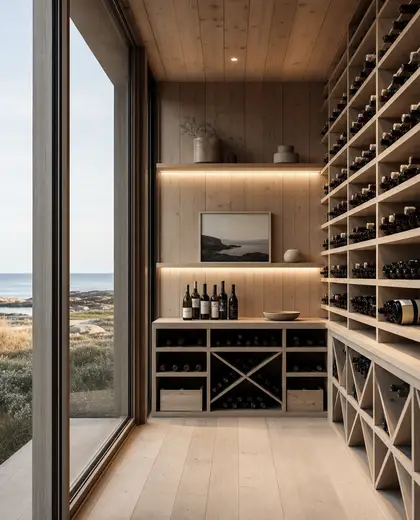
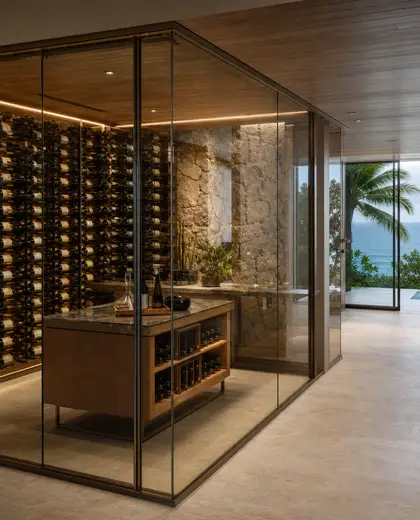
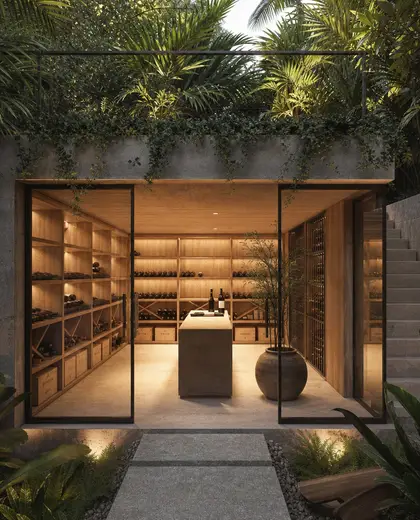
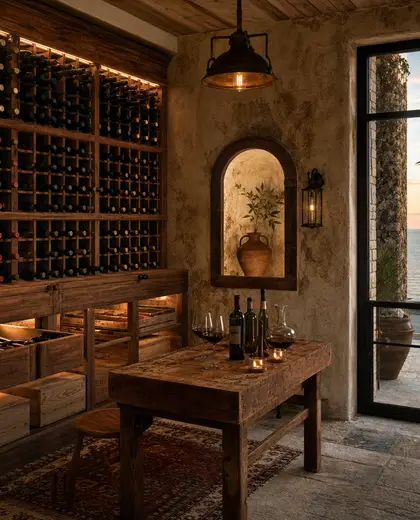
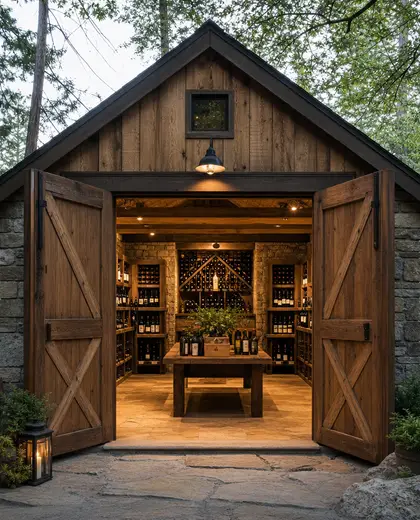
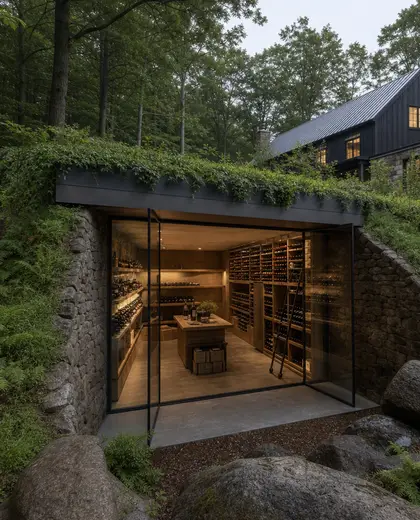
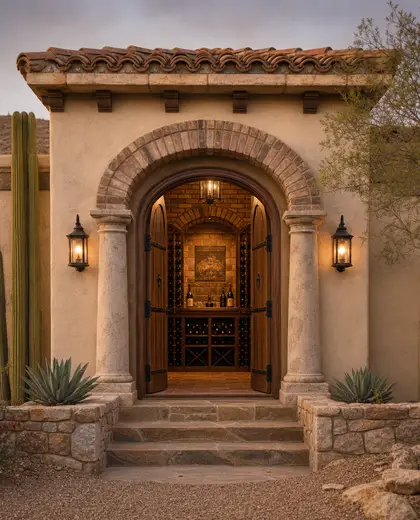
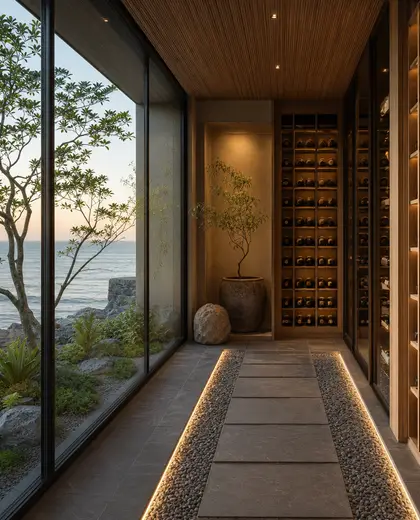
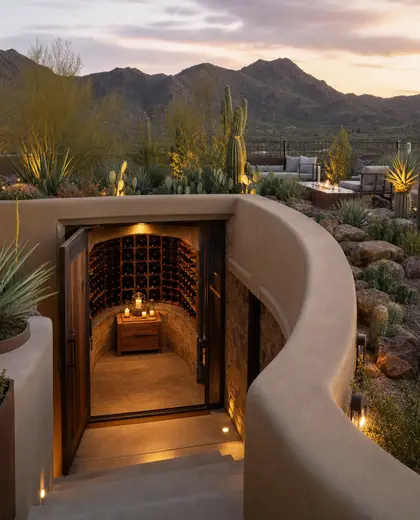
A wine cellar is defined by controlled storage conditions, with insulated walls, stable temperature, and humidity management. It typically uses stone, brick, concrete, treated wood, or metal shelving, with dark, earthy, or muted finishes that reduce light exposure. The composition centers on bottle display, racks, tasting surfaces, and often a compact sink, lighting, and ventilation system.
- wine cellar
— References
References to explore
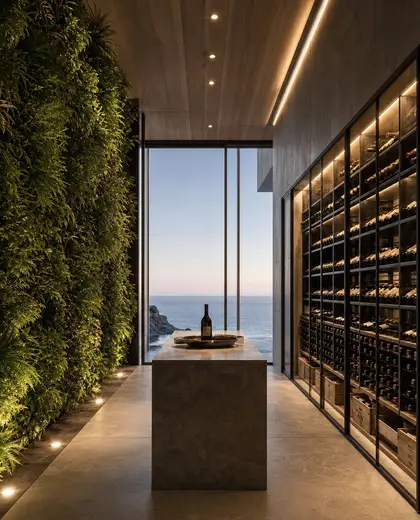
Do I need a dedicated room for a wine cellar?
Not always. A dedicated room is ideal, but under-stair spaces, basements, and converted storage rooms can work if insulation and climate control are properly addressed.
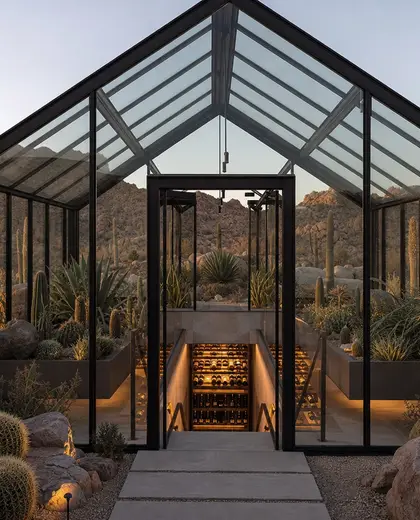
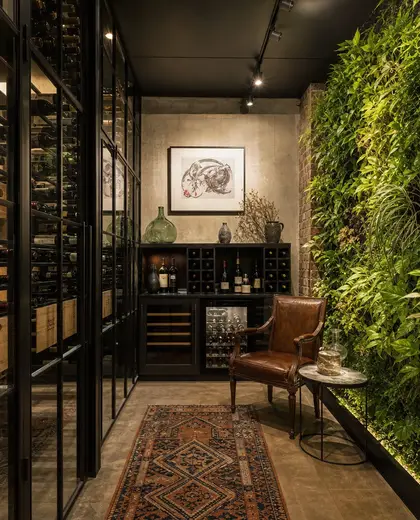
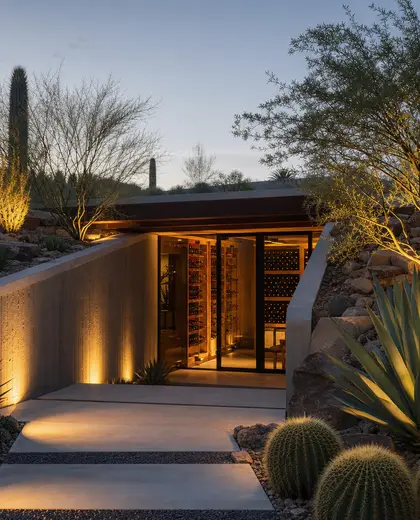
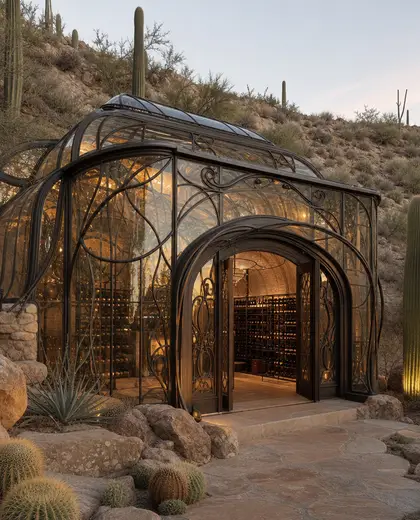
What matters most in the design?
Temperature stability, humidity control, low light, and vibration reduction matter most. The layout should also allow safe access and organized bottle storage.
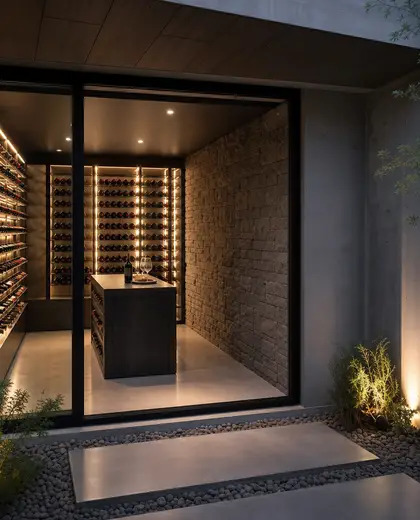
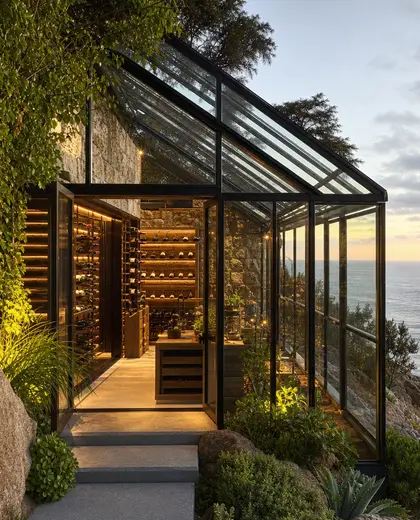

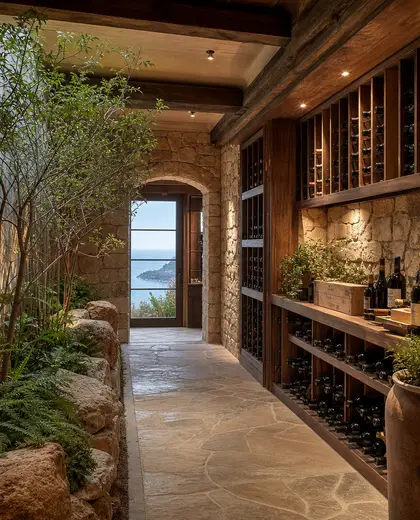
Can a wine cellar be visible in a living space?
Yes. Many homeowners use glass enclosures or partial displays in dining rooms or kitchens, but the room still needs proper cooling and UV-safe materials.
— The style
What defines it
Stone, brick, concrete, oak, steel, and moisture-resistant finishes are common.
Deep neutrals, warm browns, charcoal, burgundy, and low-glare surfaces are typical.
Pairs well with tasting rooms, home bars, dining areas, basements, and cellar doors with glass or steel framing.
— Professionals
Who has already built it
- ashwin abrahamarchitects · 8 projectsView profile →
- praveen kumar singh3d renderers · Ranchi · 6 projectsView profile →
- mawar electrical serviceselectricians · Bengaluru · 1 projectsView profile →
- anurag vermainterior designers · 6 projectsView profile →
— Questions
Frequently asked questions
Do I need a dedicated room for a wine cellar?
Not always. A dedicated room is ideal, but under-stair spaces, basements, and converted storage rooms can work if insulation and climate control are properly addressed.
What matters most in the design?
Temperature stability, humidity control, low light, and vibration reduction matter most. The layout should also allow safe access and organized bottle storage.
Can a wine cellar be visible in a living space?
Yes. Many homeowners use glass enclosures or partial displays in dining rooms or kitchens, but the room still needs proper cooling and UV-safe materials.