— Ideas & inspiration
Roof composition
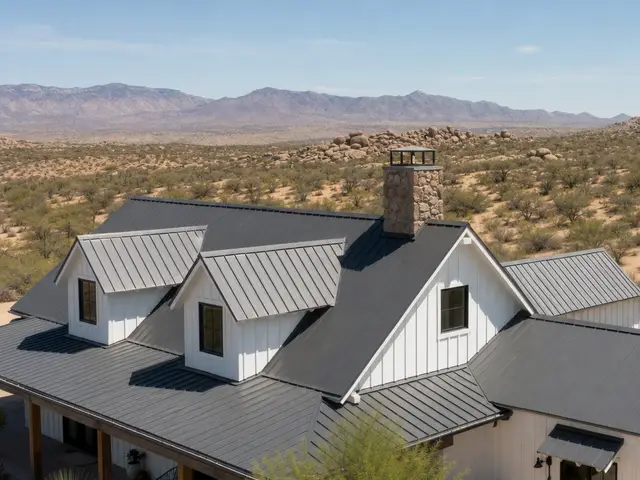
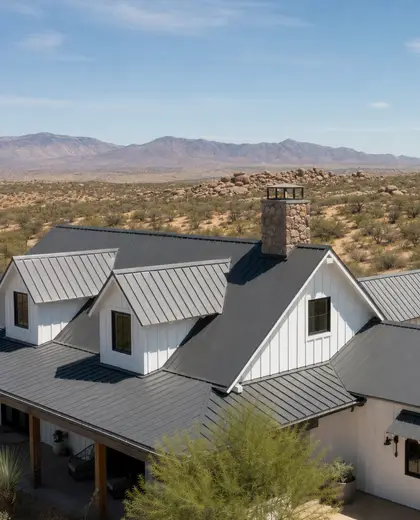
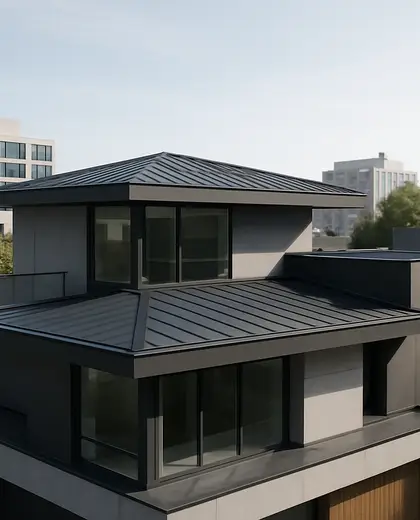
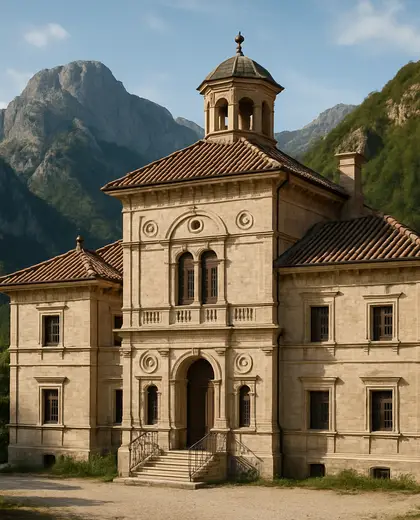
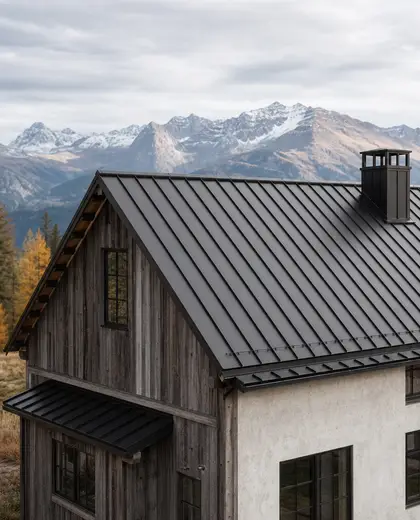
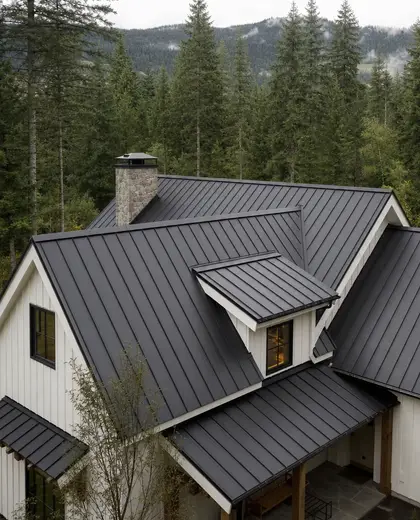
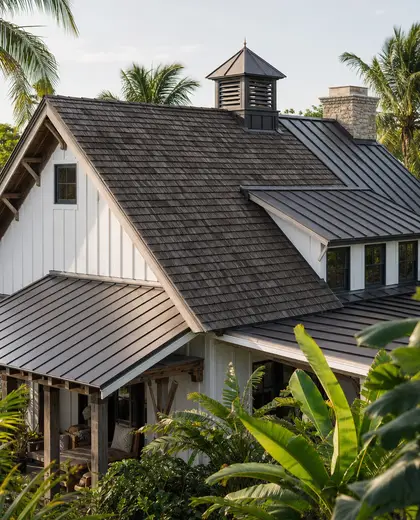
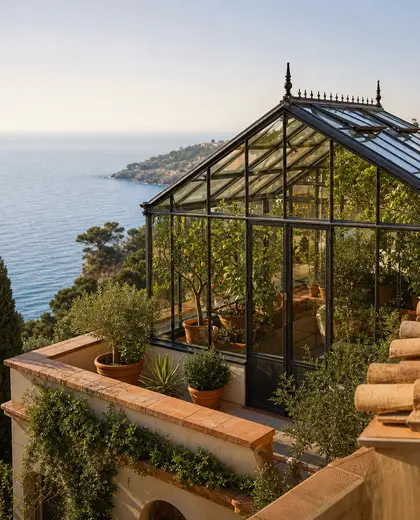
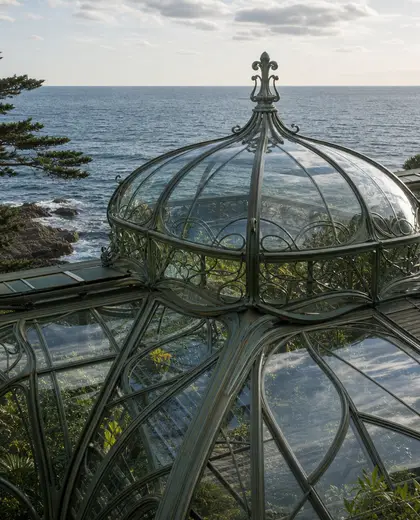
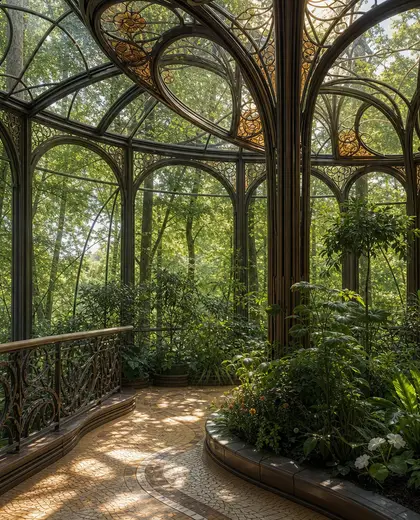
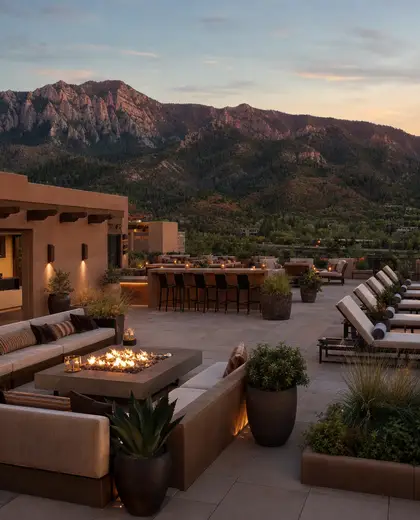
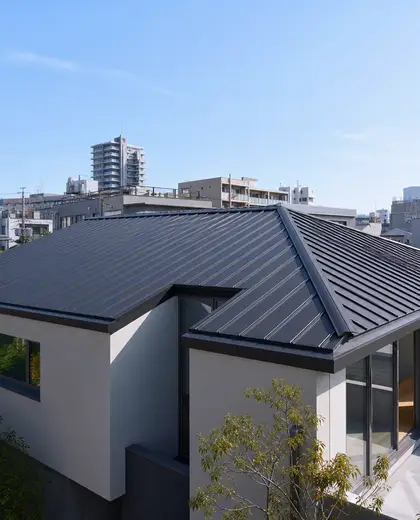
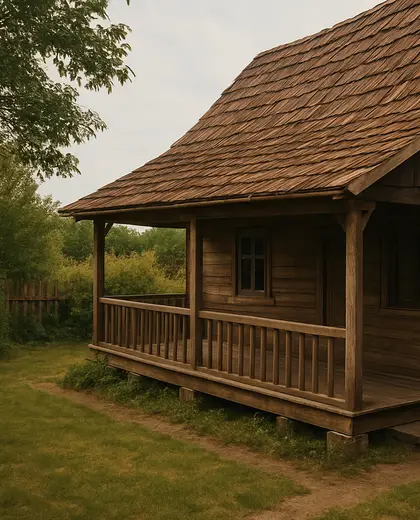
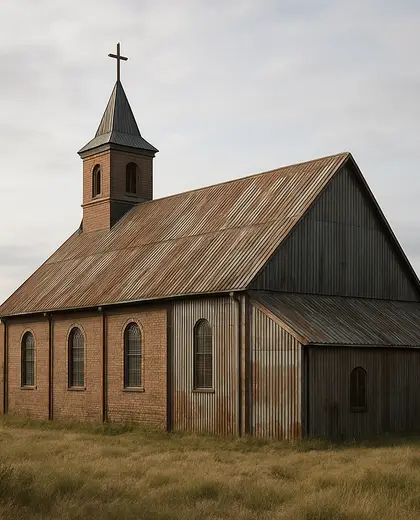
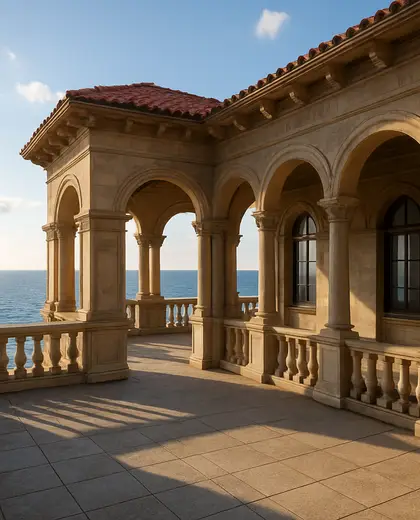
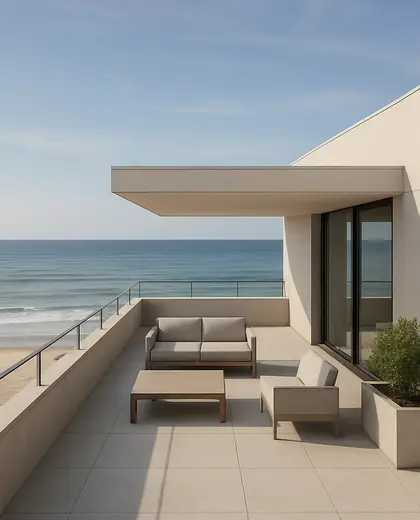
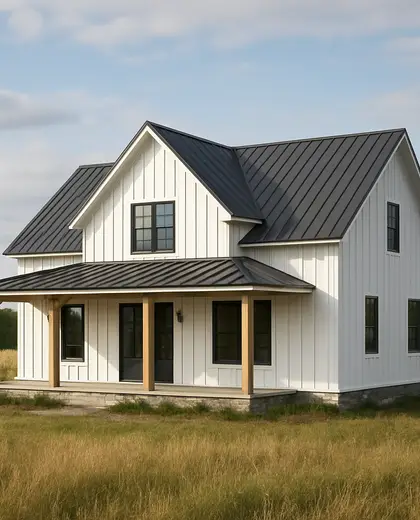
Roof composition is defined by the covering layer and its build-up: tiles, slate, metal sheets, shingles, or flat roofing membranes set over a structural frame and insulation. It is usually read as a protective top plane with visible eaves, ridges, gutters, flashing, and sometimes skylights or dormers. The look is shaped by pitch, edge detail, and the way the roof meets the walls and openings below.
- roof
— References
References to explore
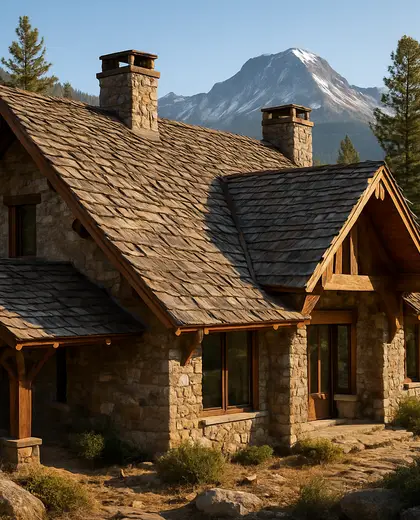
What makes a roof composition look traditional or contemporary?
Traditional roofs usually use pitched forms, tiles or slate, and more visible eaves or ridges. Contemporary roofs often rely on simpler silhouettes, standing seam metal, flat membranes, and cleaner edge details.
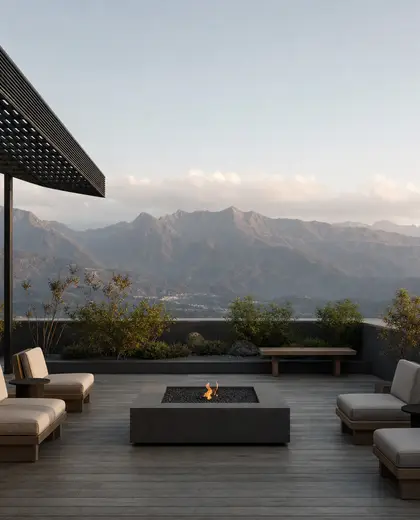

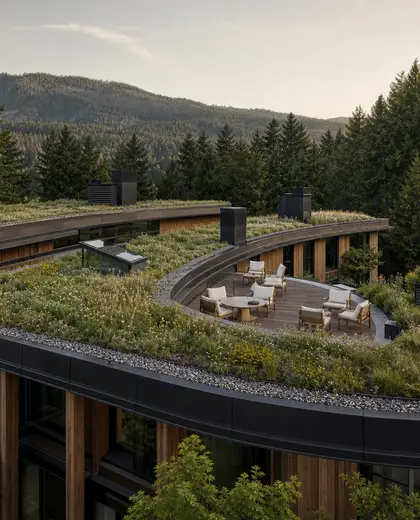
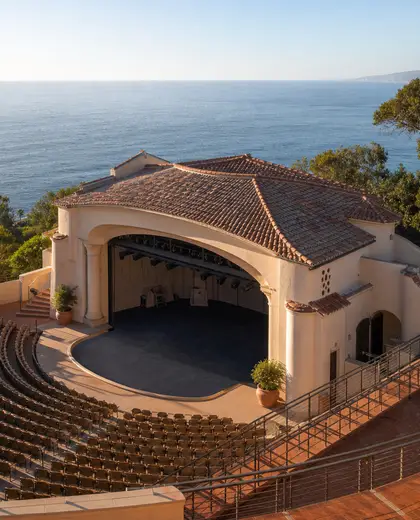
Can different roof materials be used on the same house?
Yes. It is common to combine materials, such as tiles on the main volume and metal or membrane on extensions, but the transition details need to be carefully designed so the roof reads as one coherent composition.
How does roof color affect the overall house design?
Roof color strongly influences the building’s presence because it sits above most façades. Darker roofs usually recede visually, while lighter or red-toned roofs can make the roof plane feel more prominent.


— The style
What defines it
Clay or concrete tiles, natural slate, standing seam metal, asphalt shingles, timber framing, waterproof membranes, insulation, flashing, and gutters.
Often restrained and weathered: terracotta red, charcoal, slate gray, dark brown, black, and muted metal finishes.
Works with masonry, plaster, timber cladding, stone bases, chimneys, dormers, skylights, and exterior trim in either matching or contrasting tones.
— Professionals
Who has already built it
- fenixinterior designers · 6 projectsView profile →
- wanderlust architectsarchitects · Jaipur · 8 projectsView profile →
- Bristolfurniture sellers · Bangalore · 6 projectsView profile →
- FurnitureRootsfurniture makers · Jodhpur · 6 projectsView profile →
— Questions
Frequently asked questions
What makes a roof composition look traditional or contemporary?
Traditional roofs usually use pitched forms, tiles or slate, and more visible eaves or ridges. Contemporary roofs often rely on simpler silhouettes, standing seam metal, flat membranes, and cleaner edge details.
Can different roof materials be used on the same house?
Yes. It is common to combine materials, such as tiles on the main volume and metal or membrane on extensions, but the transition details need to be carefully designed so the roof reads as one coherent composition.
How does roof color affect the overall house design?
Roof color strongly influences the building’s presence because it sits above most façades. Darker roofs usually recede visually, while lighter or red-toned roofs can make the roof plane feel more prominent.