— Ideas & inspiration
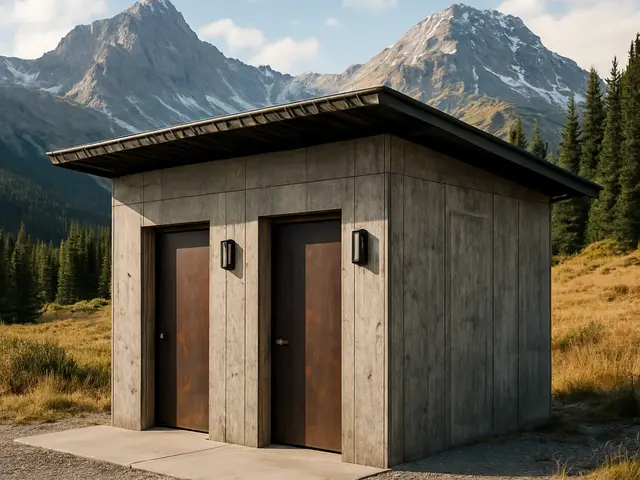
Rest room composition
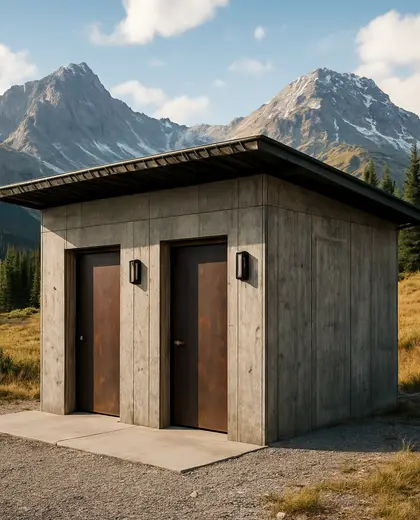
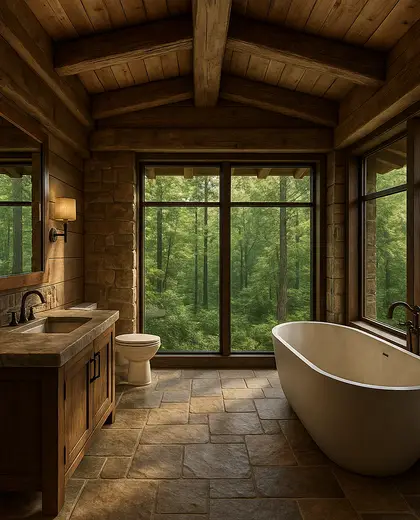
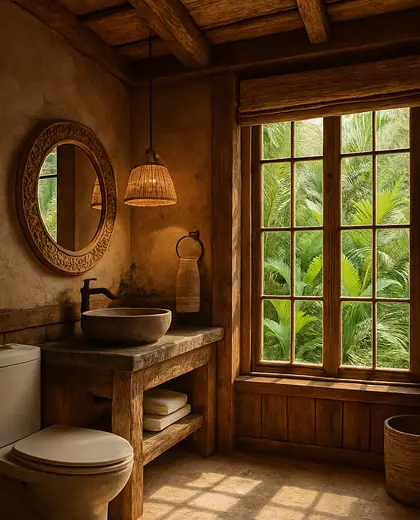
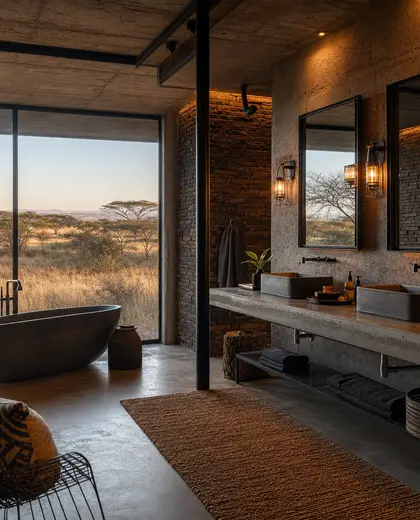
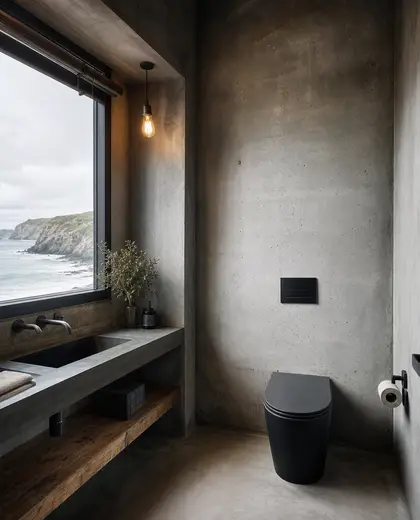
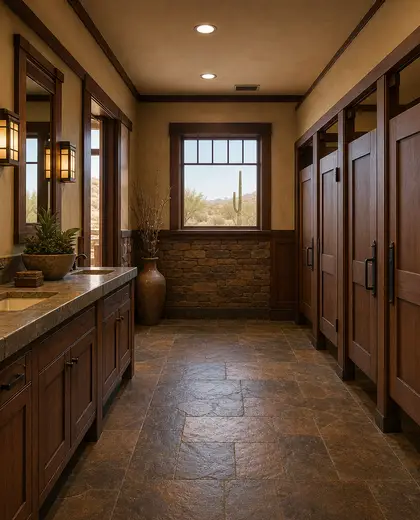
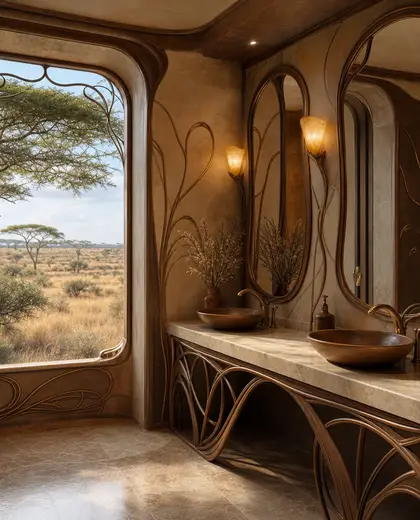
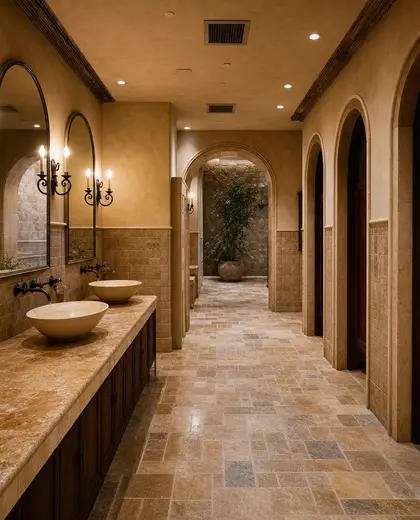
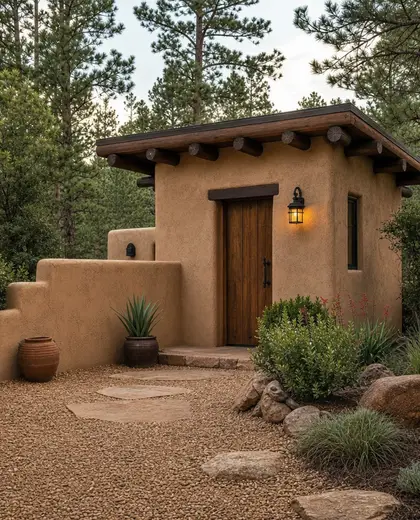
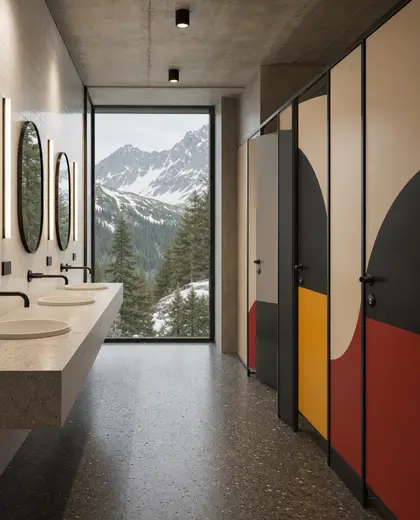
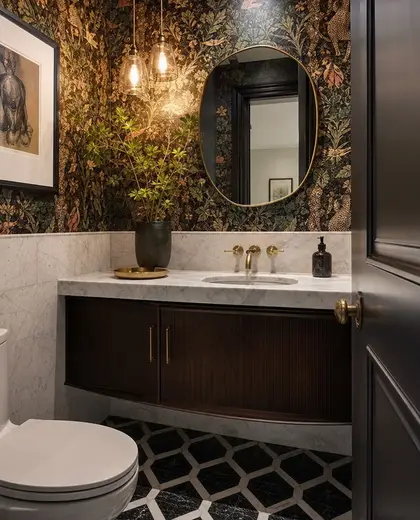
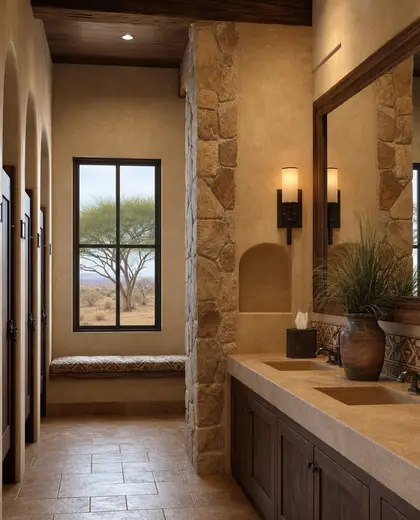
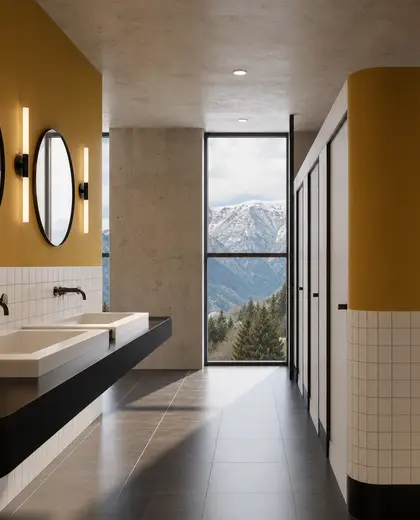
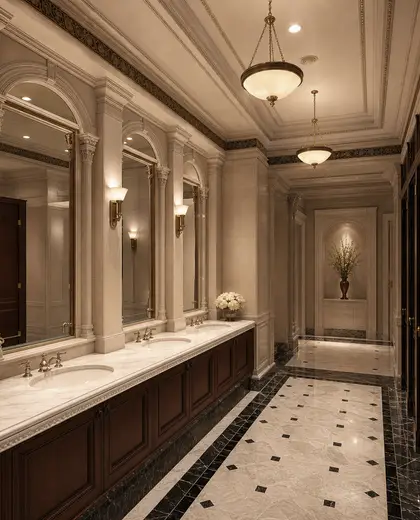
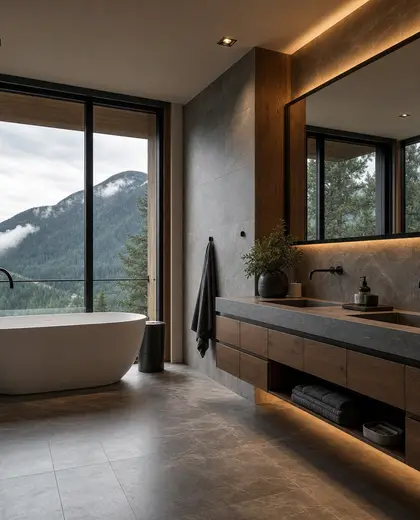
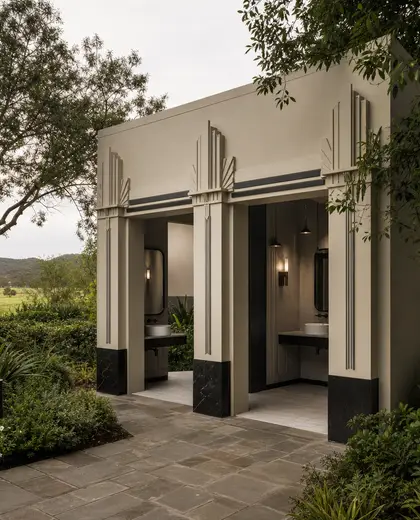
A rest room composition is defined by durable, easy-clean surfaces, calm lighting, and a restrained layout that supports comfort and hygiene. Common materials include ceramic tile, stone, porcelain, sealed timber, glass, and matte metal fittings. The palette is usually soft and neutral, with white, beige, grey, sand, and muted natural tones, often paired with a few darker accents for contrast.
- rest room
— References
References to explore
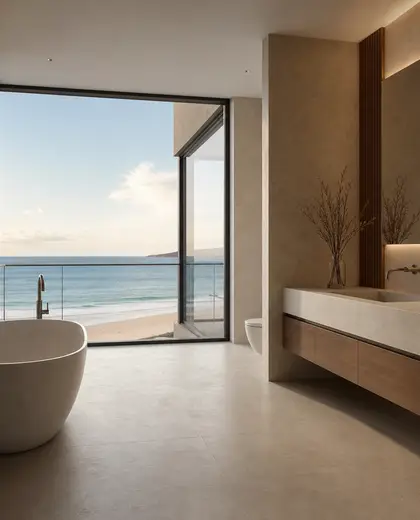
What makes a rest room composition different from a regular bathroom style?
It focuses more on comfort, durability, and a calm visual balance than on decorative detail. The layout and finishes are usually chosen to make the room easy to maintain and visually quiet.
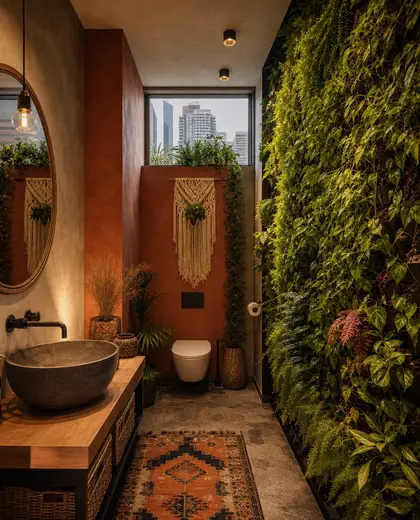
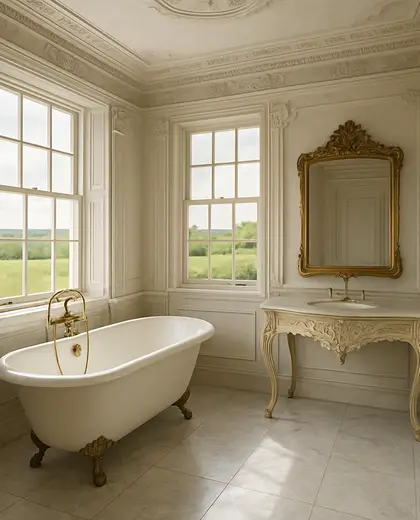
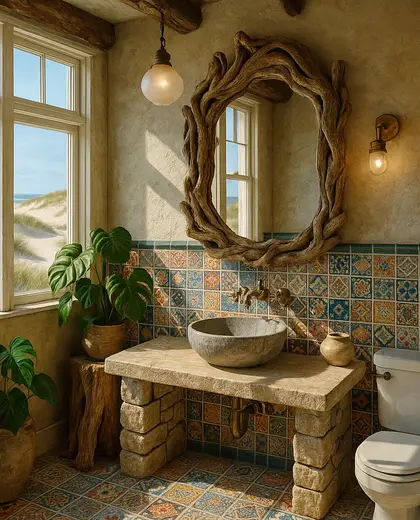
Which materials work best in a rest room?
Non-porous, moisture-resistant materials are the safest choices, such as porcelain tile, ceramic, stone with proper sealing, and moisture-tolerant cabinetry finishes. Metal fittings and glass are commonly used for durability and cleanliness.

Can a rest room composition still feel warm if the palette is neutral?
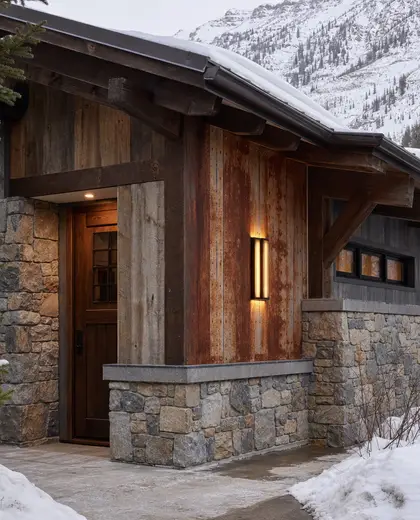
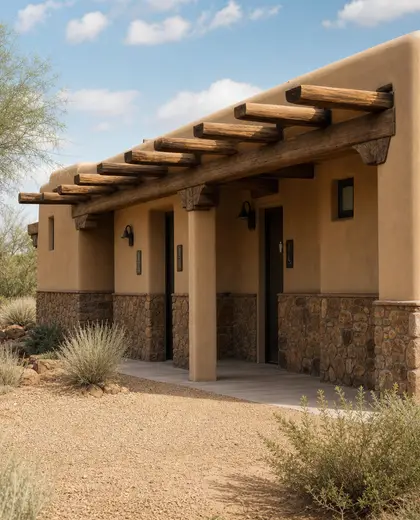
Yes. Warmth usually comes from texture, timber accents, softer lighting, and natural stone rather than strong color. Even a neutral scheme can feel inviting when the surfaces are layered carefully.

— The style
What defines it
Ceramic tile, porcelain, stone, sealed wood, glass, and powder-coated or brushed metal are the most common choices.
Light neutrals lead the scheme: white, warm grey, beige, taupe, sand, and soft black details for definition.
This composition works well with minimal, contemporary, spa-like, and natural interiors, especially when paired with clean-lined fixtures and simple storage.
— Professionals
Who has already built it
- nikitha kumananinterior designers · 6 projectsView profile →
- urban arch studioarchitects · 19 projectsView profile →
- Bristolfurniture sellers · Bangalore · 6 projectsView profile →
- FurnitureRootsfurniture makers · Jodhpur · 6 projectsView profile →
— Questions
Frequently asked questions
What makes a rest room composition different from a regular bathroom style?
It focuses more on comfort, durability, and a calm visual balance than on decorative detail. The layout and finishes are usually chosen to make the room easy to maintain and visually quiet.
Which materials work best in a rest room?
Non-porous, moisture-resistant materials are the safest choices, such as porcelain tile, ceramic, stone with proper sealing, and moisture-tolerant cabinetry finishes. Metal fittings and glass are commonly used for durability and cleanliness.
Can a rest room composition still feel warm if the palette is neutral?
Yes. Warmth usually comes from texture, timber accents, softer lighting, and natural stone rather than strong color. Even a neutral scheme can feel inviting when the surfaces are layered carefully.