— Ideas & inspiration
Ocean composition
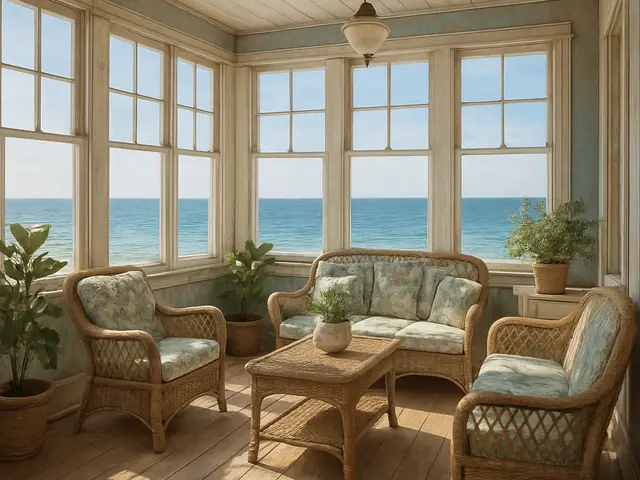
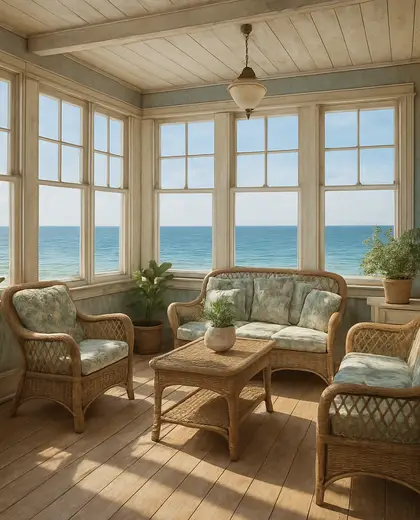
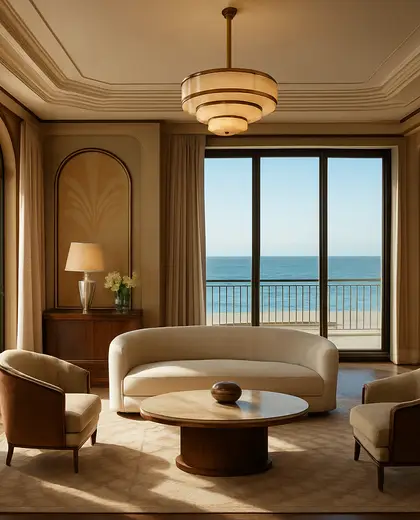
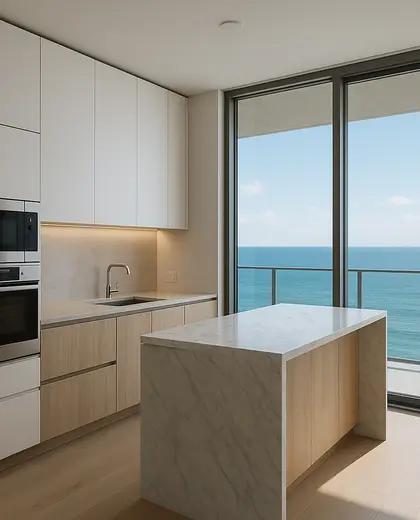
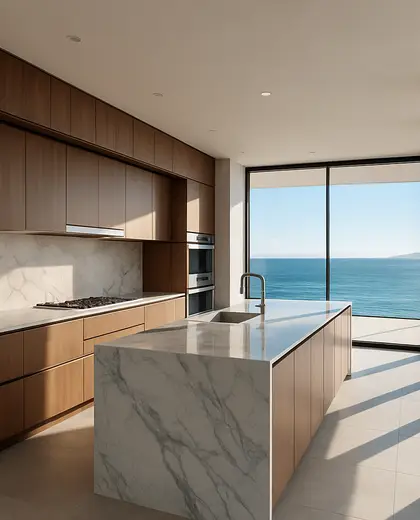
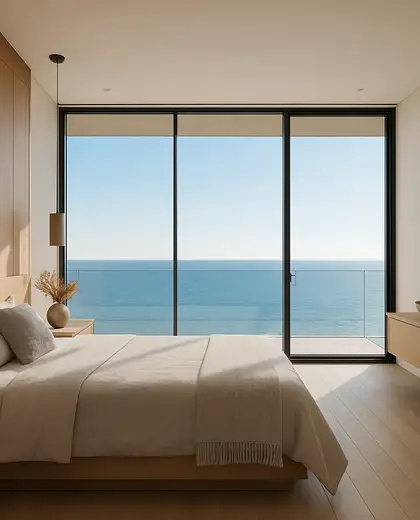
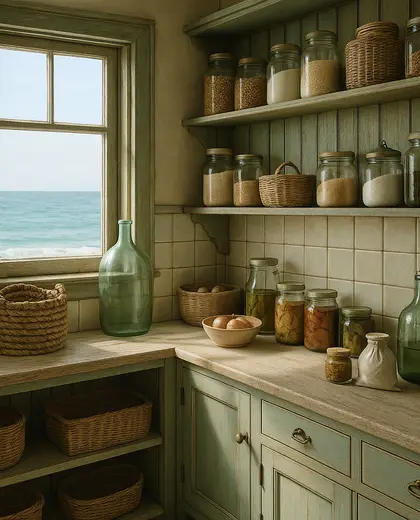
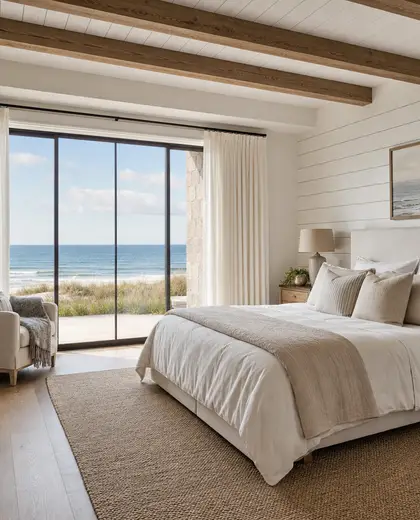
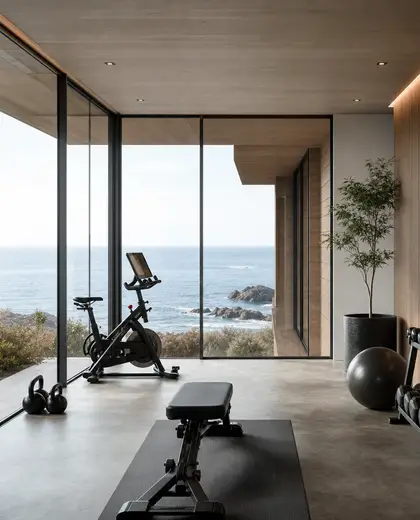
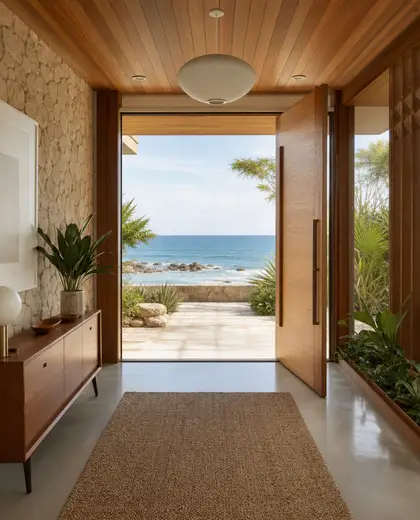
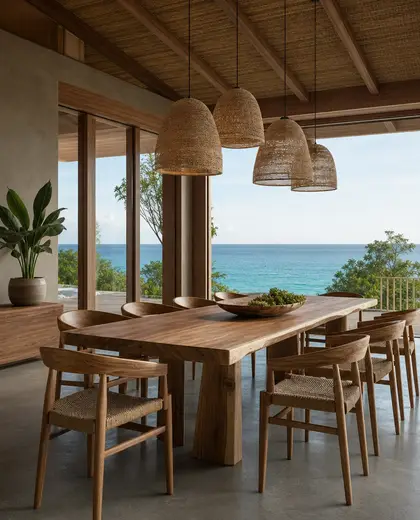
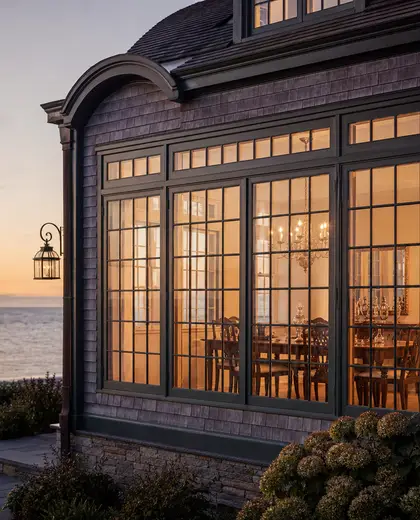
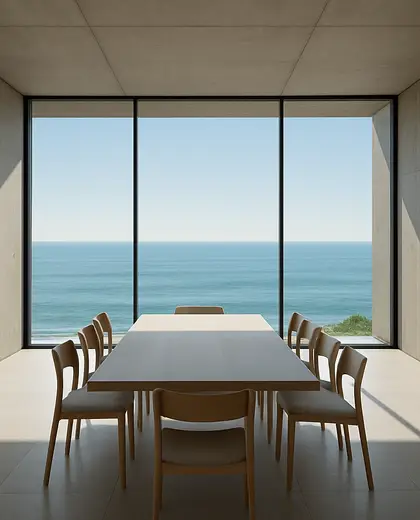
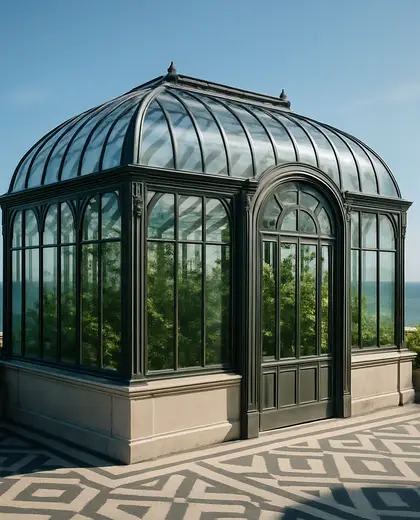
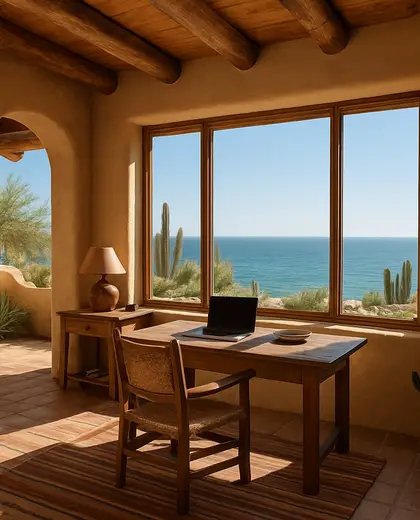
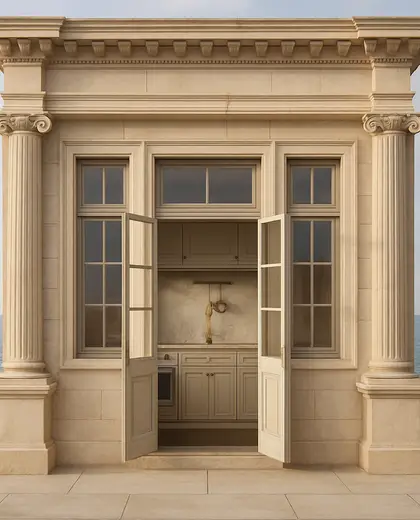
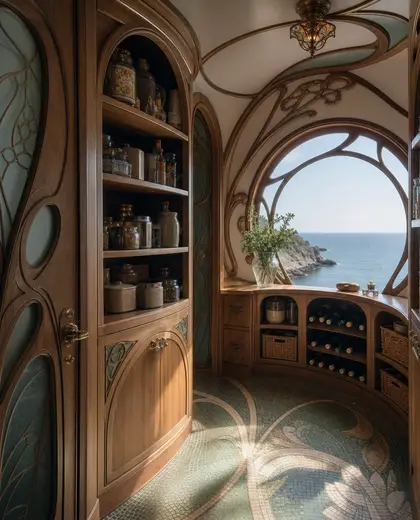
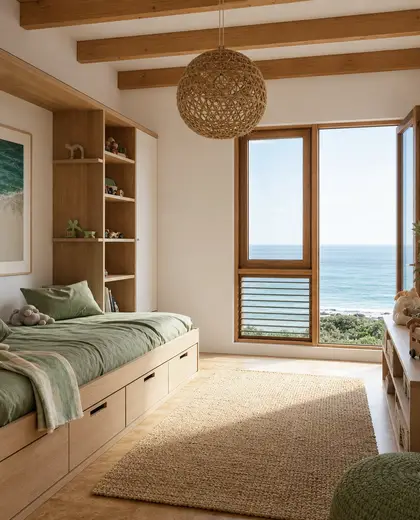
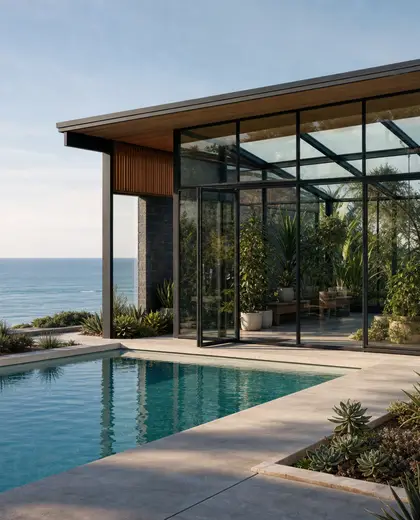
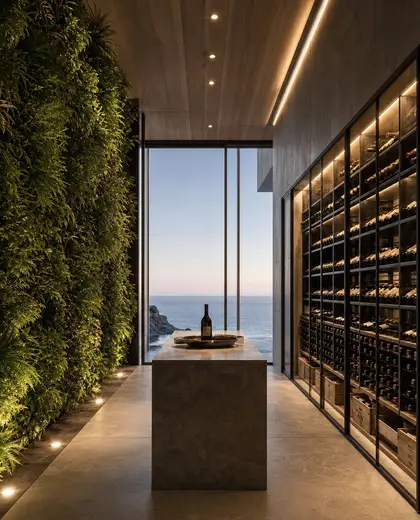
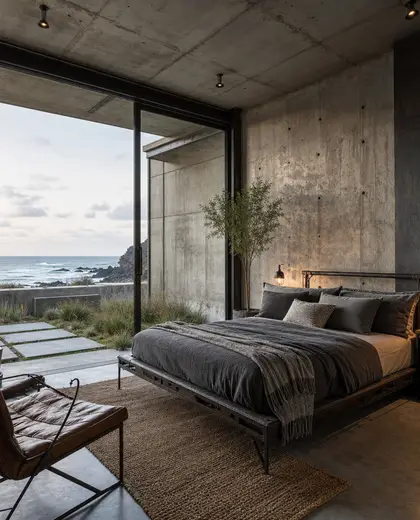
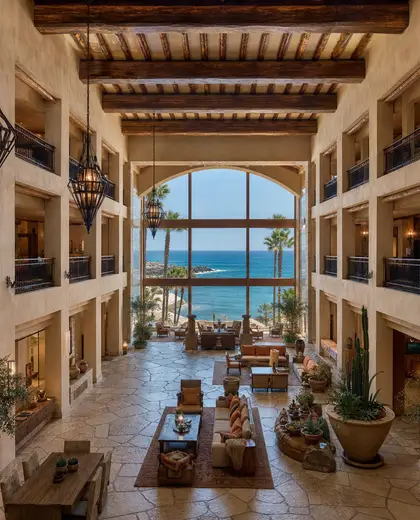
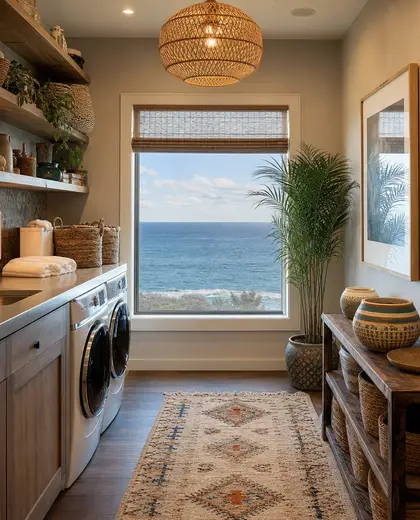
The ocean composition is defined by cool blues, soft whites, sea-glass greens, and sandy neutrals, often paired with natural wood, stone, linen, and glazed ceramics. It usually features light, airy surfaces, reflective finishes, curved forms, and layered textures that echo water, shoreline, and coastal light. The result is calm and breathable rather than heavily decorated.
- ocean
— References
References to explore
How do I make an ocean interior feel fresh instead of themed?
Use the palette and textures sparingly: keep the base neutral, choose a few blue or green accents, and rely on natural materials rather than obvious nautical motifs.
What flooring works best with this composition?
Light oak, pale stone, limewashed finishes, or textured tile all suit it well because they keep the room bright and grounded.
Can this composition work in a city apartment?
Yes. It translates well when you focus on airy colors, soft natural textures, and simple furniture, even without direct sea views.


— The style
What defines it
Whitewashed wood, limestone or travertine, linen, rattan, glass, ceramic, and brushed metal are common.
The core palette is sea blue, off-white, pale sand, driftwood beige, and muted green, sometimes anchored by darker navy accents.
It pairs well with coastal minimalism, Scandinavian simplicity, natural modern, and relaxed Mediterranean interiors.
— Professionals
Who has already built it
- ashwin abrahamarchitects · 8 projectsView profile →
- praveen kumar singh3d renderers · Ranchi · 6 projectsView profile →
- mawar electrical serviceselectricians · Bengaluru · 1 projectsView profile →
- anurag vermainterior designers · 6 projectsView profile →
— Questions
Frequently asked questions
How do I make an ocean interior feel fresh instead of themed?
Use the palette and textures sparingly: keep the base neutral, choose a few blue or green accents, and rely on natural materials rather than obvious nautical motifs.
What flooring works best with this composition?
Light oak, pale stone, limewashed finishes, or textured tile all suit it well because they keep the room bright and grounded.
Can this composition work in a city apartment?
Yes. It translates well when you focus on airy colors, soft natural textures, and simple furniture, even without direct sea views.