— Ideas & inspiration
Mountain composition
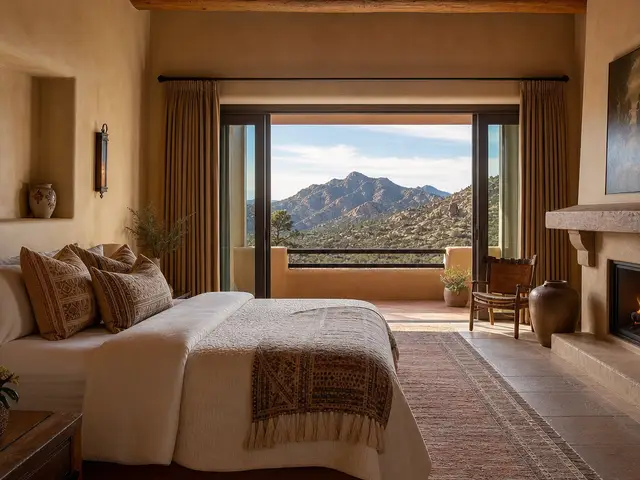
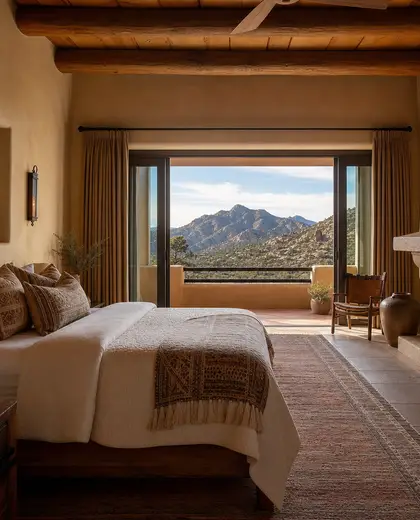
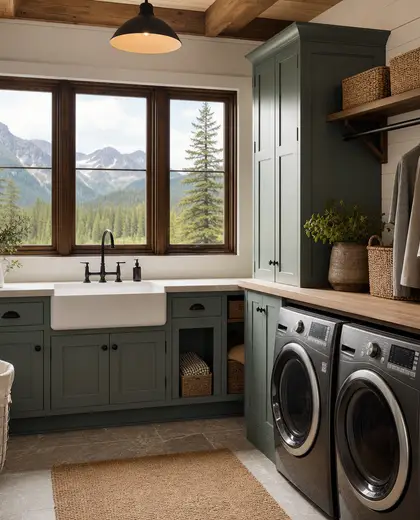
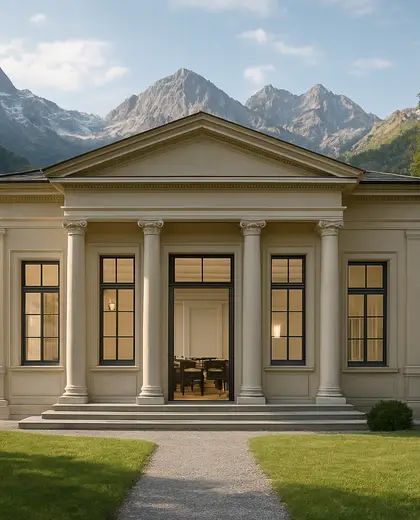
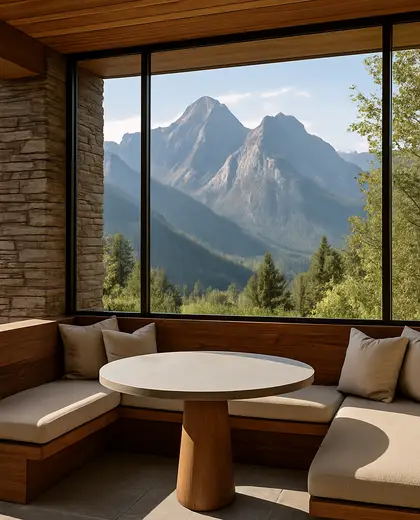
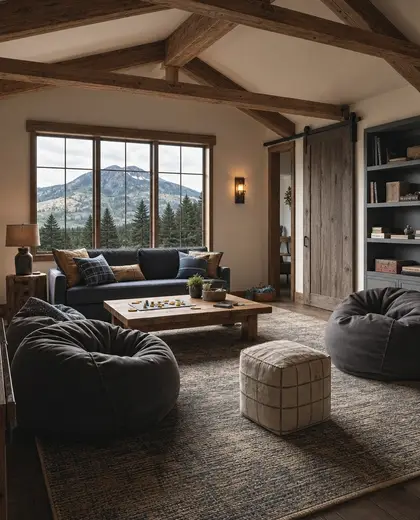
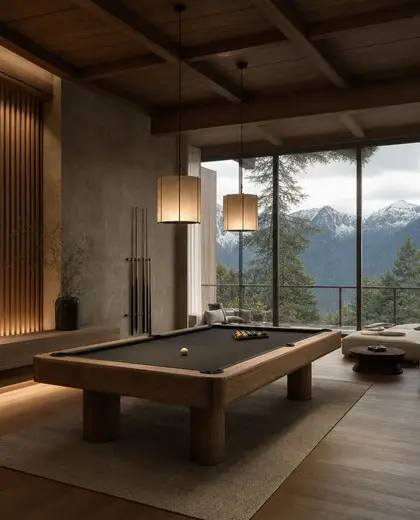
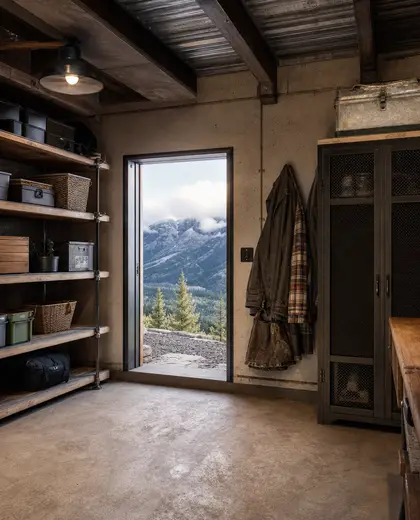
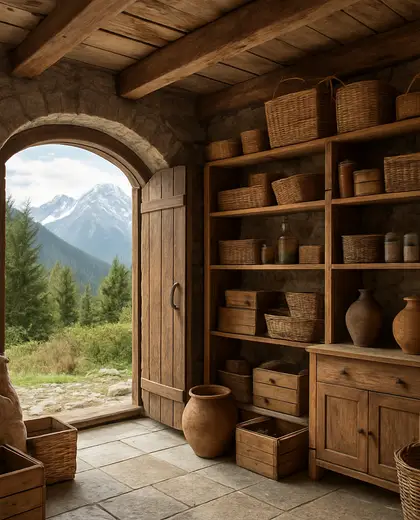
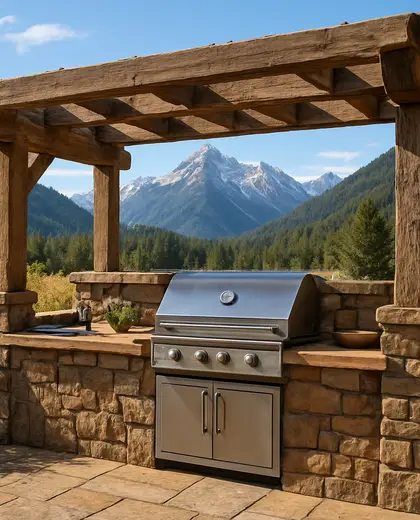
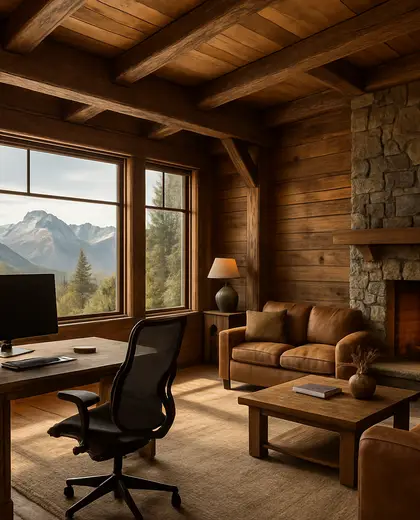
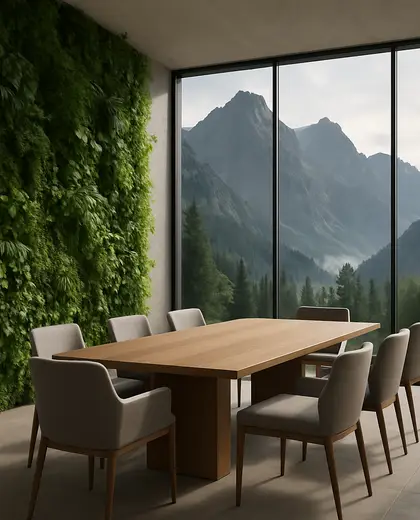
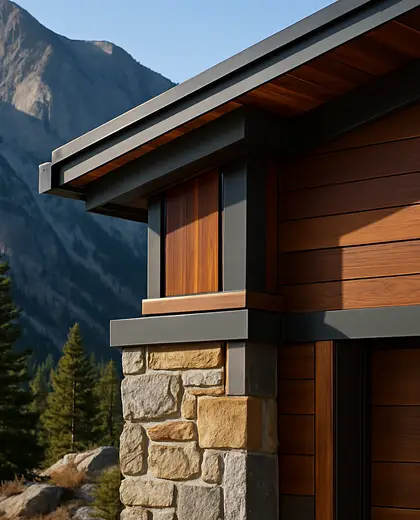
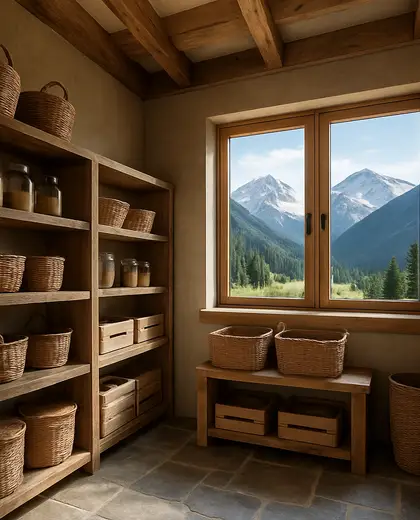
Mountain composition is defined by grounded, natural materials such as stone, timber, wool, leather, and matte metal. The palette usually stays close to the landscape: deep browns, forest greens, slate grays, charcoal, warm beige, and muted neutrals. It often includes heavy textures, substantial furniture, and views or details that echo a rugged outdoor setting.
- mountain
— References
References to explore
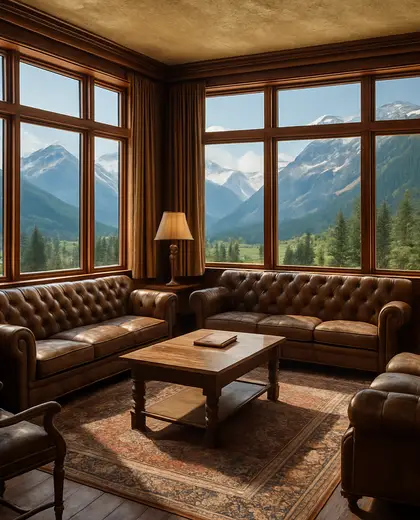
How is mountain style different from rustic style?
Mountain style is usually cleaner and more restrained than rustic. It keeps the same natural materials, but the shapes, finishes, and palette are often more refined and less decorated.
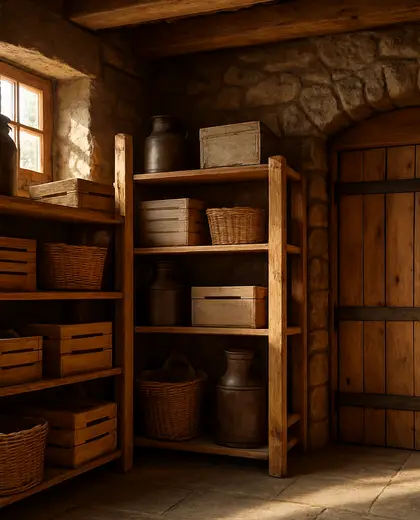
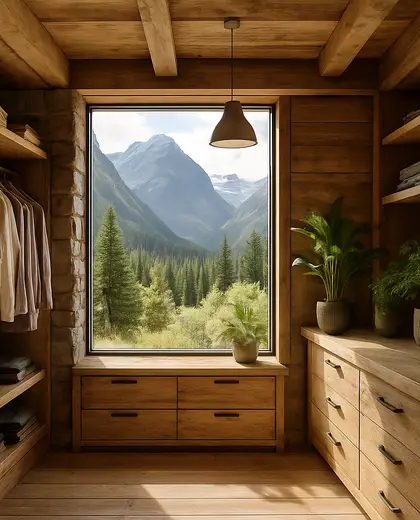
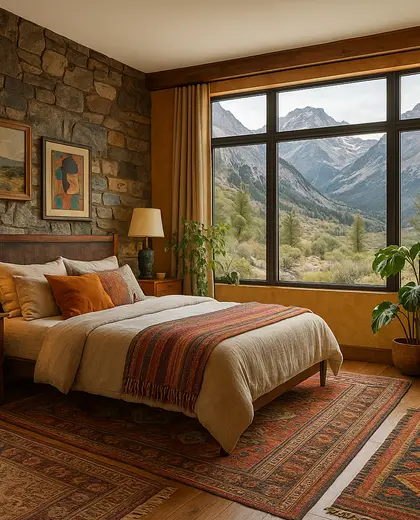
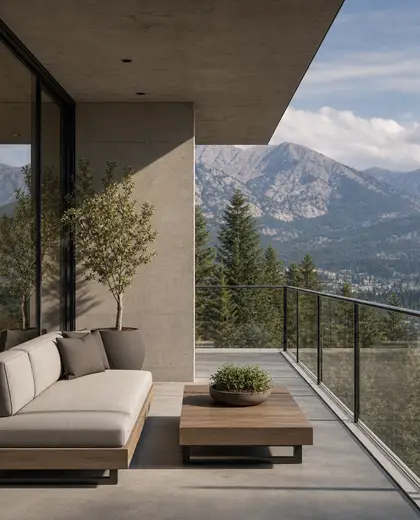
Can a mountain composition work in a modern home?
Yes. It can be adapted with simpler lines, fewer decorative pieces, and a tighter material palette while still using stone, wood, and warm textures.
What should I avoid if I want this look to feel authentic?
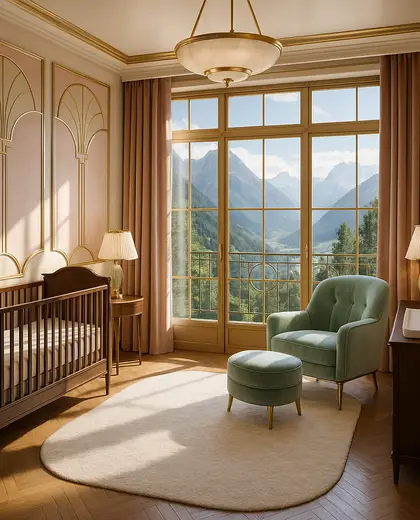
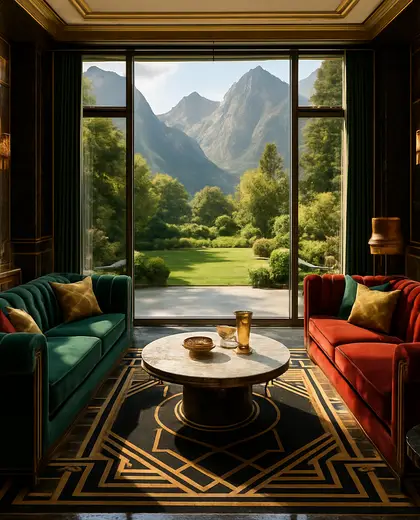
Avoid overly glossy finishes, bright colors, and too many small decorative objects. The composition should feel solid, natural, and calm rather than polished or ornate.
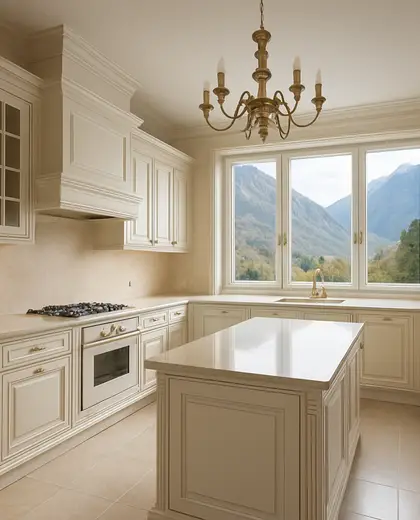
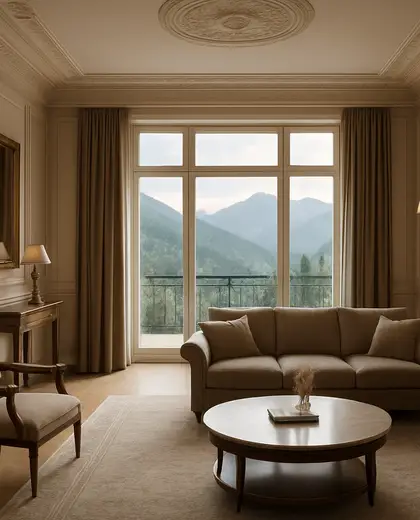
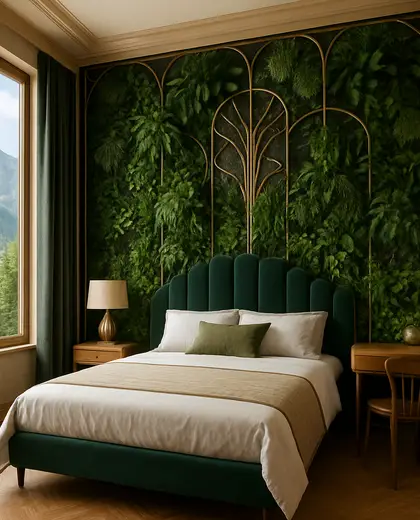
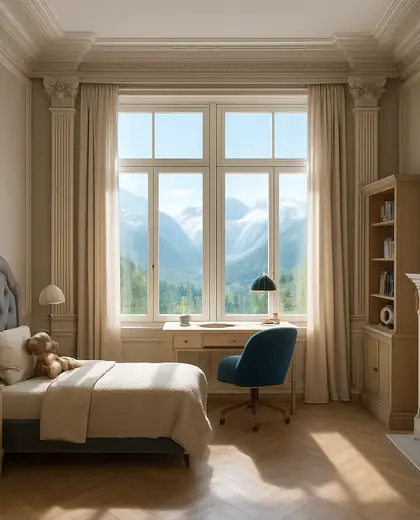
— The style
What defines it
Stone, reclaimed wood, oak, wool, leather, linen, and dark bronze or blackened steel are common.
Earthy and subdued: moss, pine, clay, taupe, graphite, cream, and weathered gray.
Works well with rustic, contemporary, cabin, and organic-modern elements.
— Professionals
Who has already built it
- ashwin abrahamarchitects · 8 projectsView profile →
- praveen kumar singh3d renderers · Ranchi · 6 projectsView profile →
- mawar electrical serviceselectricians · Bengaluru · 1 projectsView profile →
- anurag vermainterior designers · 6 projectsView profile →
— Questions
Frequently asked questions
How is mountain style different from rustic style?
Mountain style is usually cleaner and more restrained than rustic. It keeps the same natural materials, but the shapes, finishes, and palette are often more refined and less decorated.
Can a mountain composition work in a modern home?
Yes. It can be adapted with simpler lines, fewer decorative pieces, and a tighter material palette while still using stone, wood, and warm textures.
What should I avoid if I want this look to feel authentic?
Avoid overly glossy finishes, bright colors, and too many small decorative objects. The composition should feel solid, natural, and calm rather than polished or ornate.