— Ideas & inspiration
Mediterranean
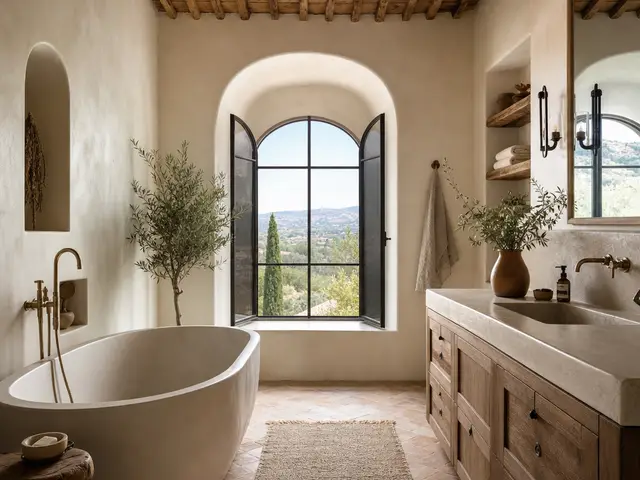
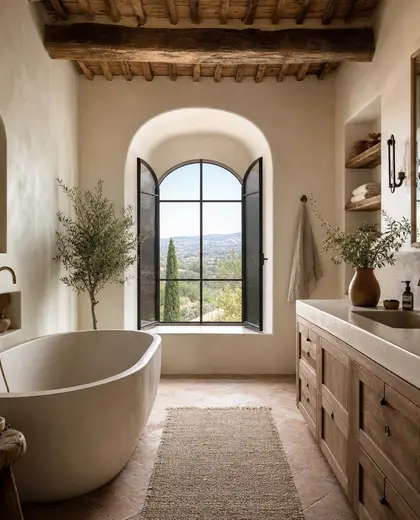
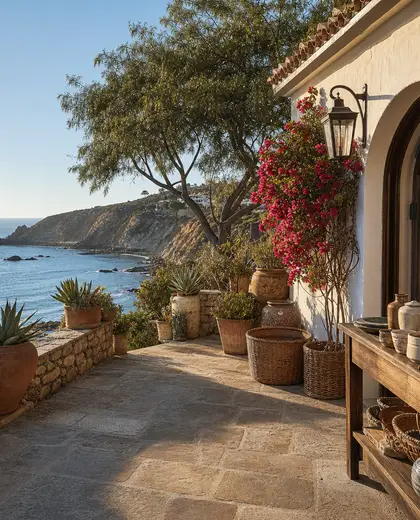
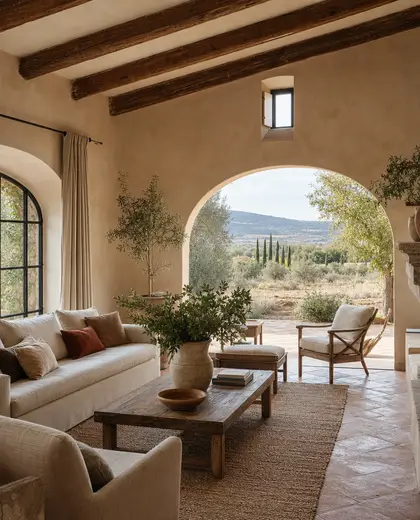
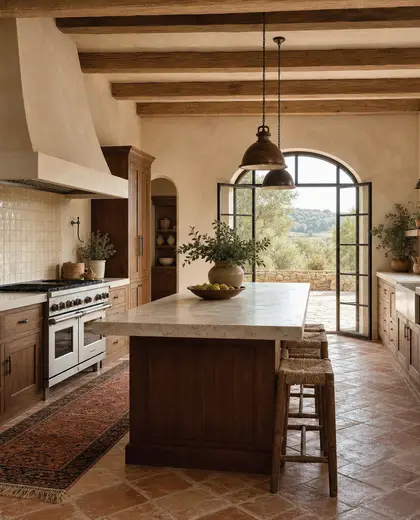
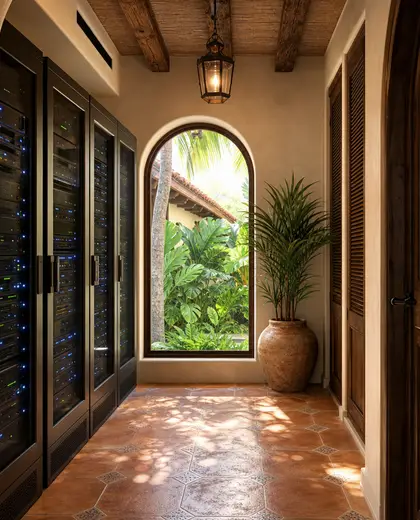
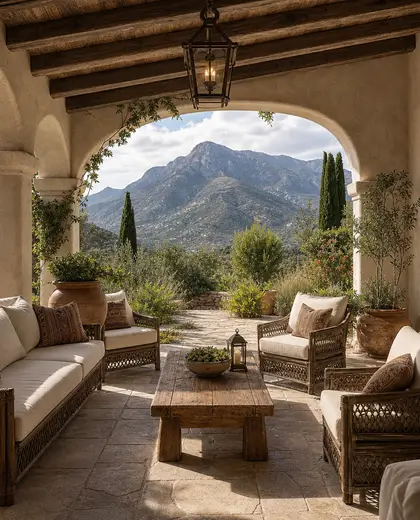
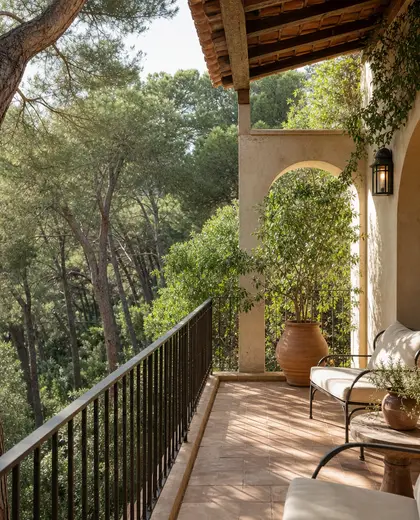
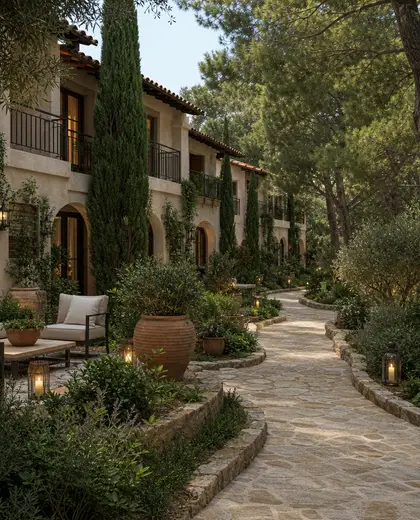
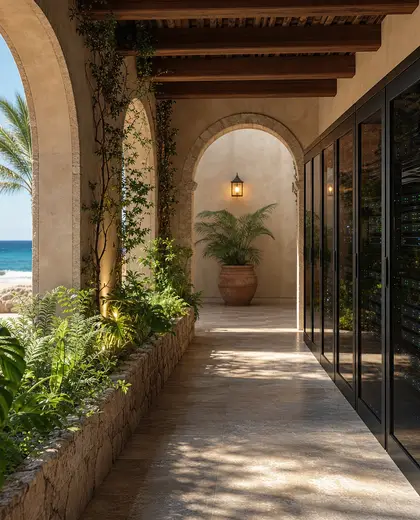
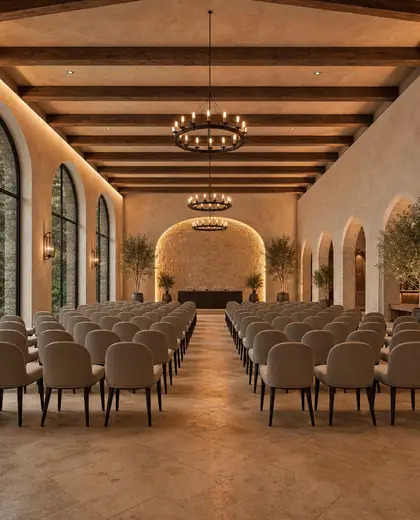
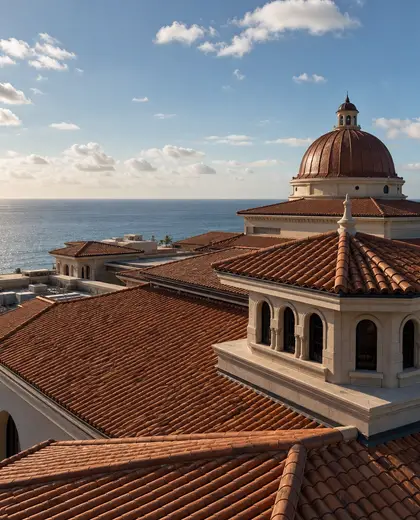
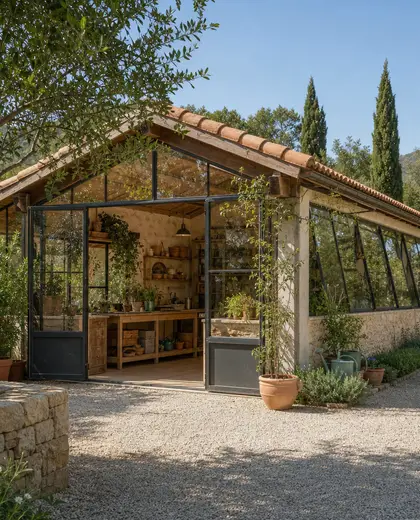
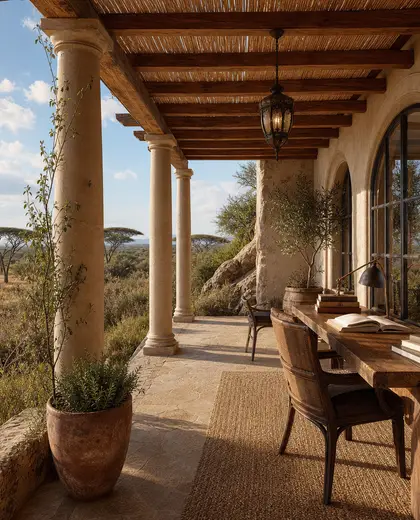
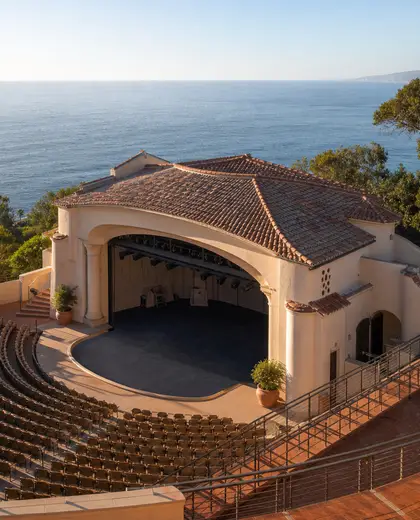
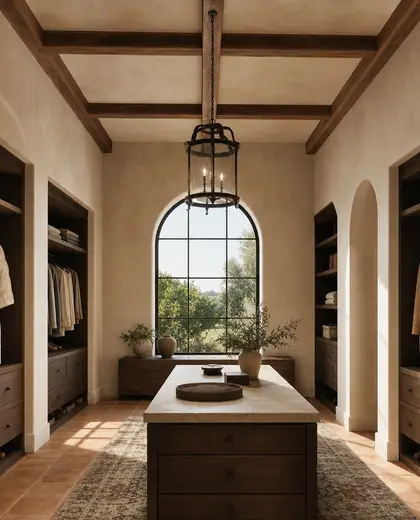
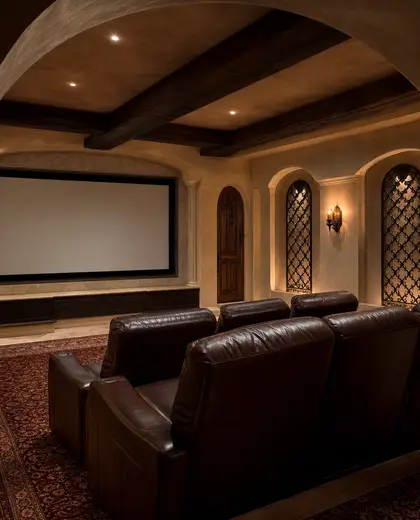
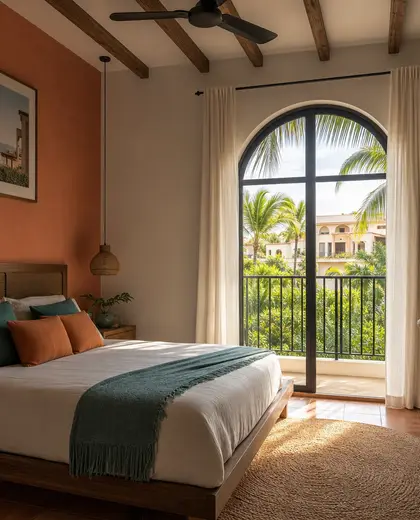
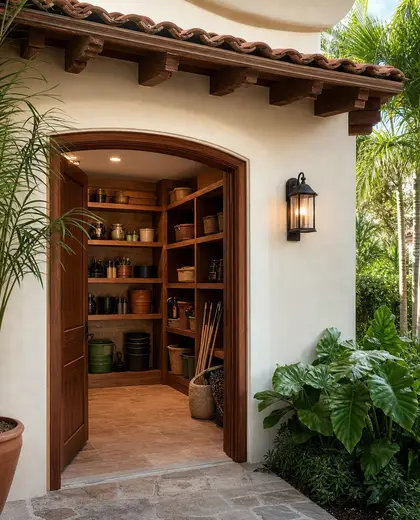
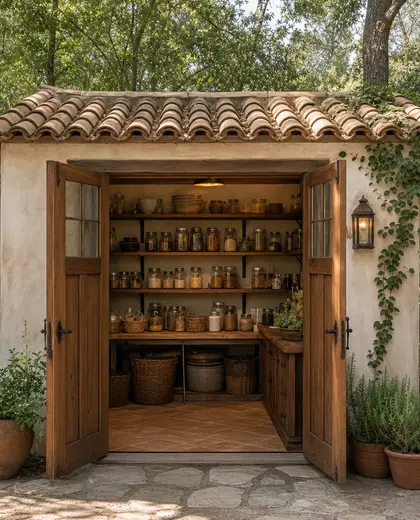
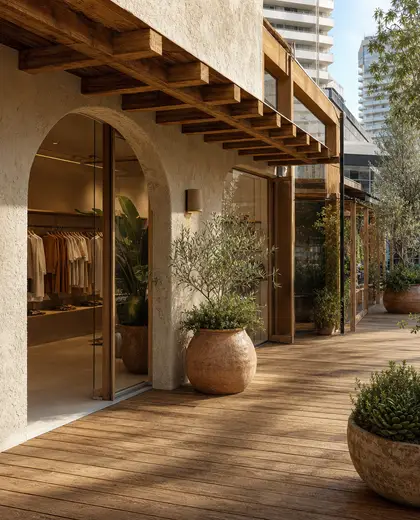
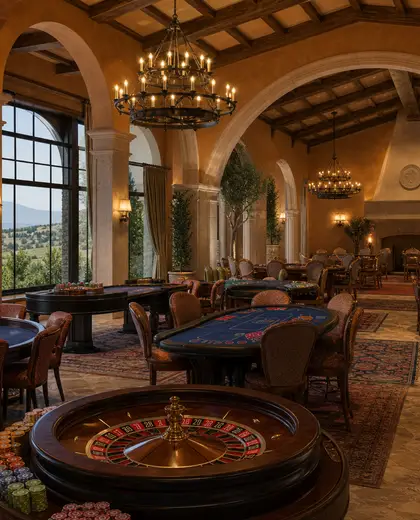
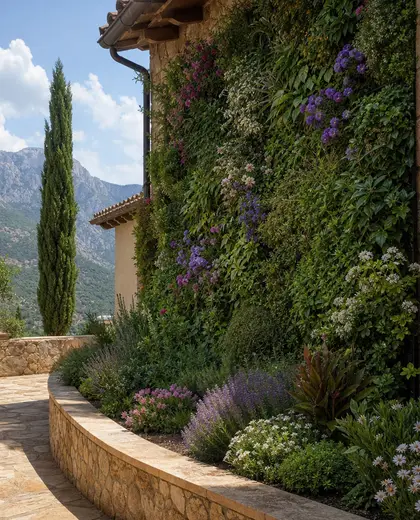
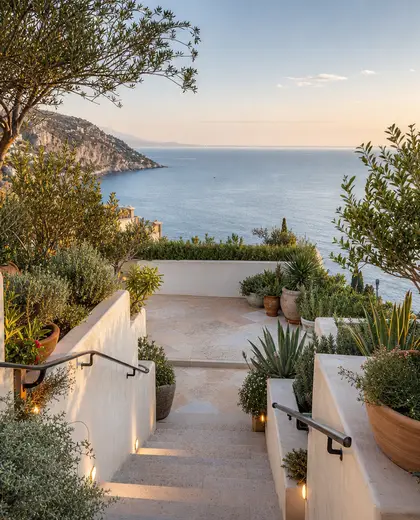
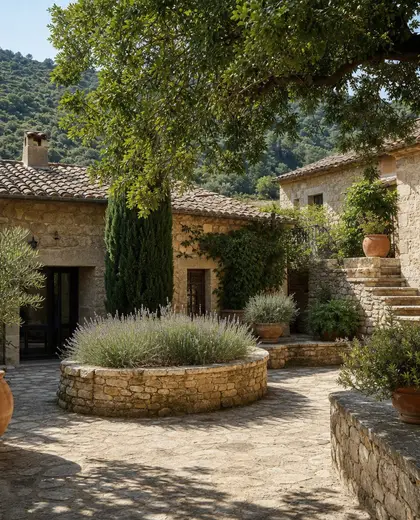
Mediterranean composition is defined by warm, sun-washed materials such as plaster, stone, terracotta, wood, and wrought iron. The palette stays light and earthy, with white, sand, ochre, clay, olive, and deep blue accents. Common elements include arched openings, shaded terraces, textured walls, and hand-crafted finishes that feel relaxed and climate-responsive.
- mediterranean
— References
References to explore
How is Mediterranean style different from coastal style?
Mediterranean style usually feels warmer and more textured, with heavier use of stone, plaster, terracotta, and arched forms. Coastal style tends to be lighter and more direct in its beach references, with less emphasis on earthy construction materials.
Can Mediterranean style work in a small home?
Yes. Using a restrained palette, plaster-like wall finishes, simple arched details, and a few tactile materials can keep the space calm without making it feel heavy.
What finishes should I avoid if I want a Mediterranean look?
Very glossy surfaces, stark cool whites, and overly polished contemporary finishes can weaken the character. The style usually reads better with matte, textured, and naturally aged materials.
— The style
What defines it
Lime plaster, natural stone, terracotta tile, oak or chestnut wood, and iron details are typical.
Soft whites, beige, sand, terracotta, muted green, and blue tones create the look.
Works well with rustic, coastal, contemporary, and warm minimalist interiors.
— Professionals
Who has already built it
- anurag vermainterior designers · 6 projectsView profile →
- sbv srinivasarchitects · Bengaluru · 6 projectsView profile →
- the achievers archsmart home professionals · Delhi · 1 projectsView profile →
- home interior decoratorscarpenters · Rampur · 3 projectsView profile →
— Questions
Frequently asked questions
How is Mediterranean style different from coastal style?
Mediterranean style usually feels warmer and more textured, with heavier use of stone, plaster, terracotta, and arched forms. Coastal style tends to be lighter and more direct in its beach references, with less emphasis on earthy construction materials.
Can Mediterranean style work in a small home?
Yes. Using a restrained palette, plaster-like wall finishes, simple arched details, and a few tactile materials can keep the space calm without making it feel heavy.
What finishes should I avoid if I want a Mediterranean look?
Very glossy surfaces, stark cool whites, and overly polished contemporary finishes can weaken the character. The style usually reads better with matte, textured, and naturally aged materials.