— Ideas & inspiration
Main hall
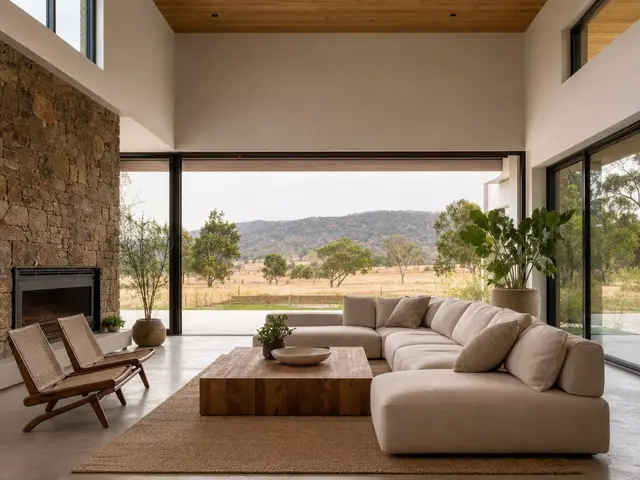
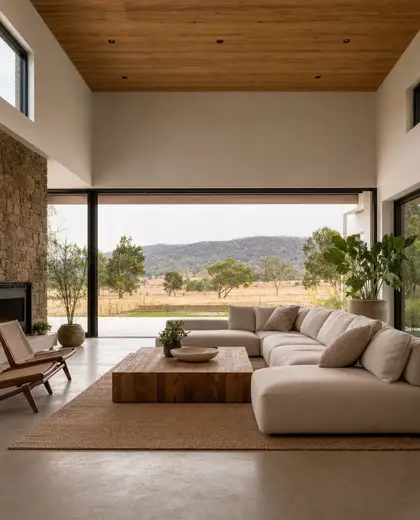
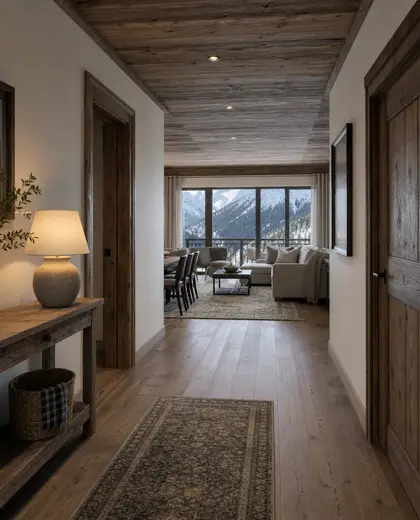
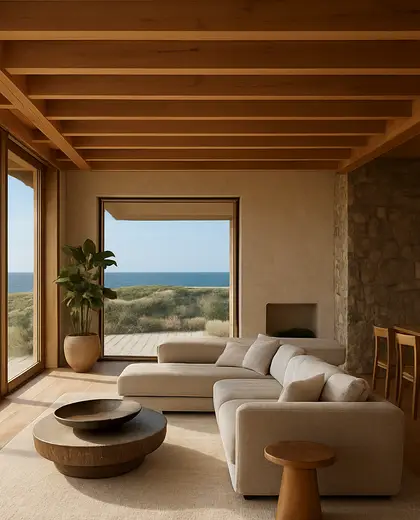
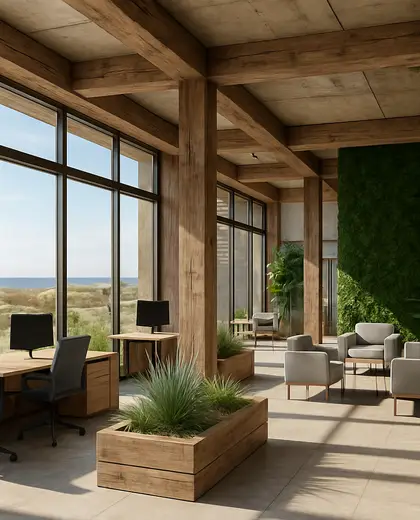
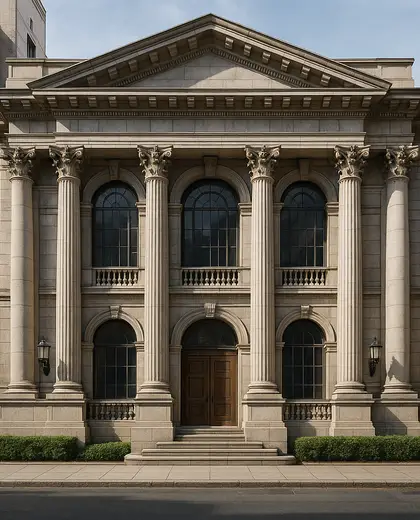
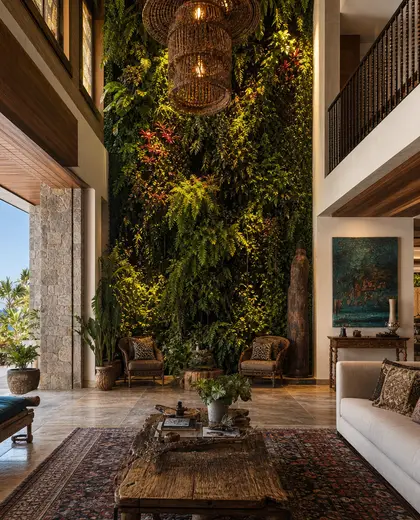
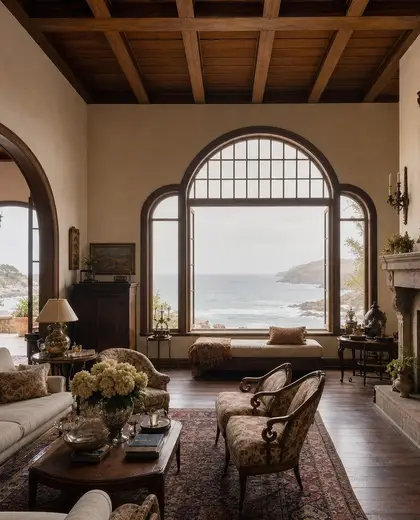
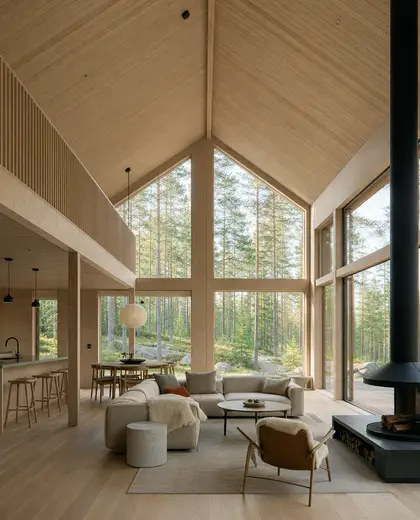
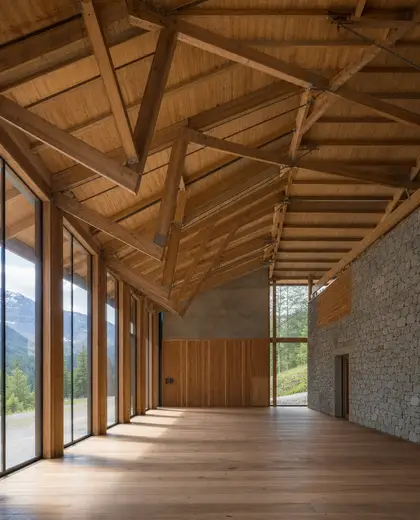
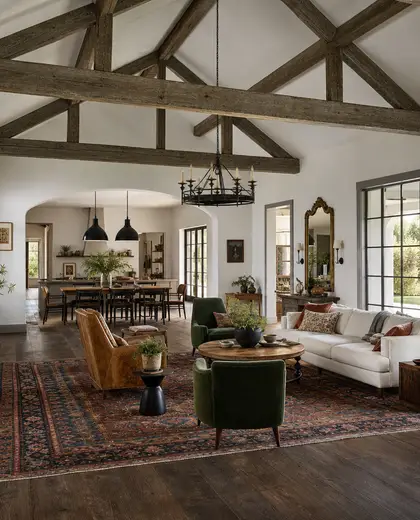
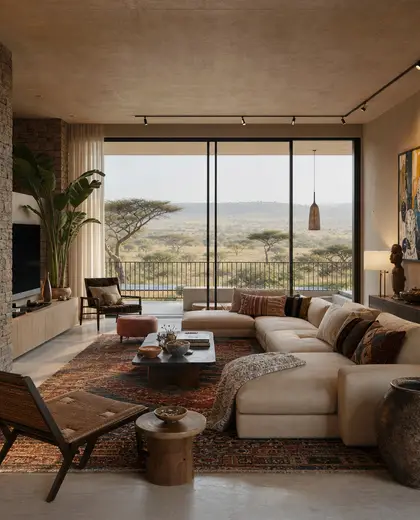
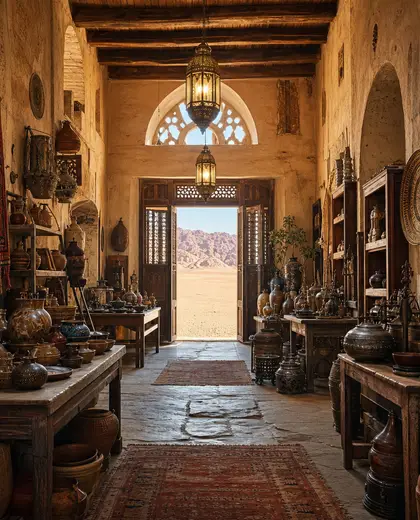
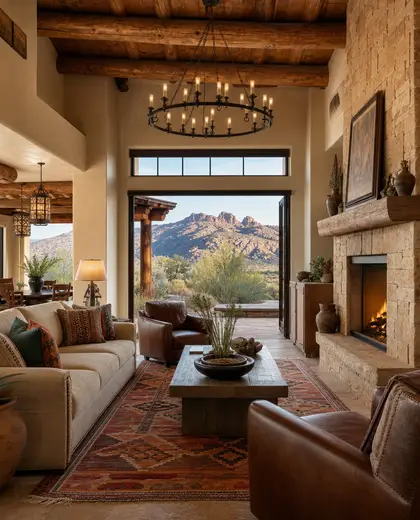
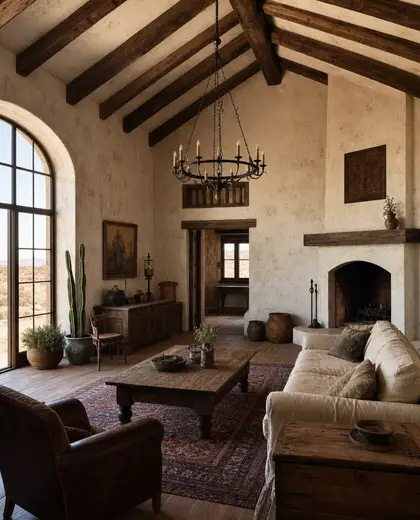
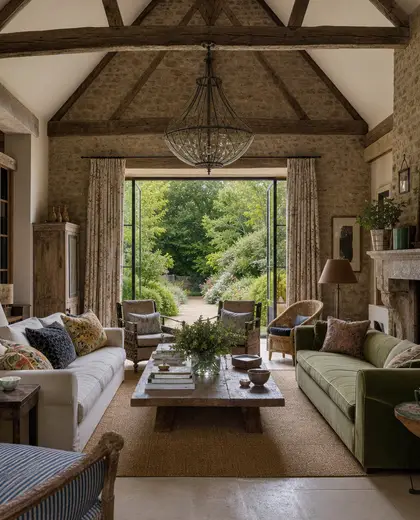
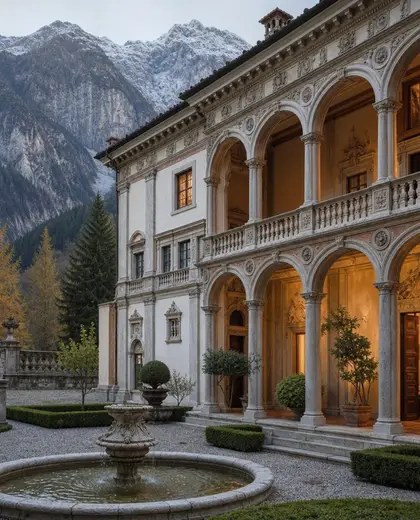
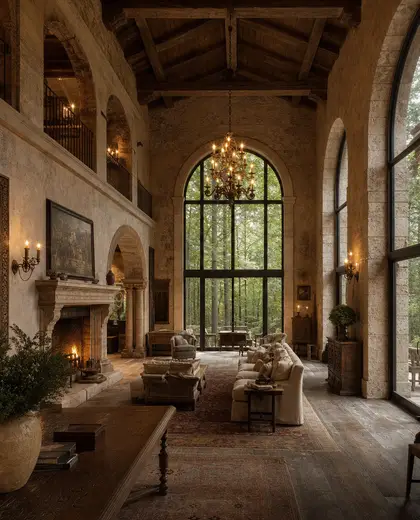
A main hall is defined by durable, high-traffic finishes such as stone, timber, plaster, terrazzo, or large-format tile. The palette is usually calm and cohesive, often built from warm neutrals, soft greys, and natural wood tones, with strong attention to light, circulation, and sightlines. Key elements are a clear entry sequence, generous scale, built-in storage, and a floor or wall treatment that can withstand daily use.
- main hall
— References
References to explore

What makes a main hall different from a regular entryway?
A main hall is usually larger and more central than a simple entryway. It often acts as a circulation hub and sets the tone for the rest of the home.

Which finishes are practical in a main hall?
Choose finishes that resist wear and are easy to clean, such as stone, porcelain tile, engineered timber, or sealed plaster. If the hall gets heavy traffic, avoid overly delicate surfaces underfoot.

How can I make a main hall feel more spacious?
Use a restrained palette, consistent flooring, good lighting, and minimal visual clutter. Built-in storage and a clear path through the space also help it feel larger.



— The style
What defines it
Stone, timber, plaster, terrazzo, large-format tile, and metal accents are common because they hold up well and read cleanly in a public-facing space.
Neutral and grounded tones work best: off-white, sand, taupe, grey, black accents, and the natural color of wood.
It pairs well with concealed storage, statement lighting, bench seating, wall panels, glazed doors, and adjacent living or stair zones.
— Professionals
Who has already built it

- Bristolfurniture sellers · Bangalore · 6 projectsView profile →
- FurnitureRootsfurniture makers · Jodhpur · 6 projectsView profile →
- Bakajoiners · Chennai · 5 projectsView profile →
- Natural Veneersbuilding material distributors · Mumbai · 4 projectsView profile →
— Questions
Frequently asked questions
What makes a main hall different from a regular entryway?
A main hall is usually larger and more central than a simple entryway. It often acts as a circulation hub and sets the tone for the rest of the home.
Which finishes are practical in a main hall?
Choose finishes that resist wear and are easy to clean, such as stone, porcelain tile, engineered timber, or sealed plaster. If the hall gets heavy traffic, avoid overly delicate surfaces underfoot.
How can I make a main hall feel more spacious?
Use a restrained palette, consistent flooring, good lighting, and minimal visual clutter. Built-in storage and a clear path through the space also help it feel larger.