— Ideas & inspiration
Informal Dining Room
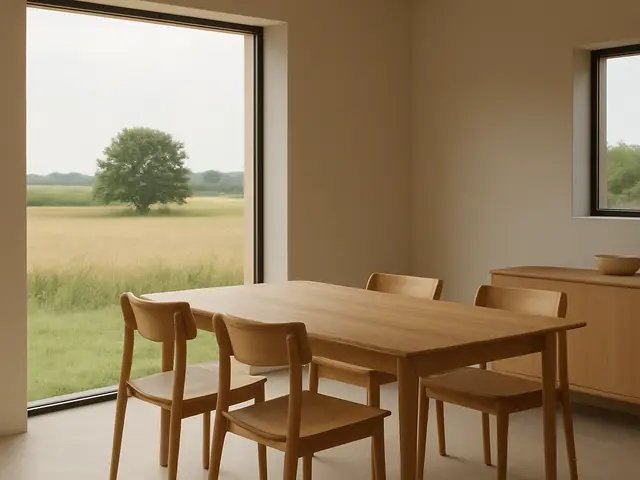
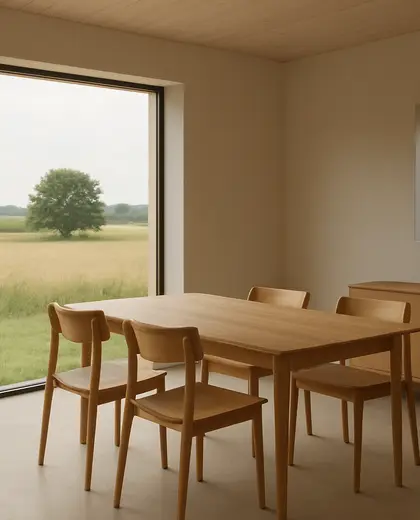
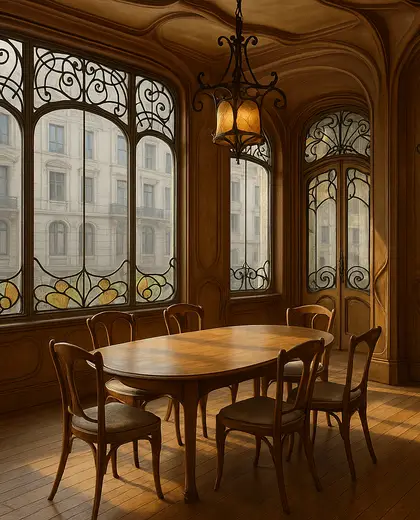
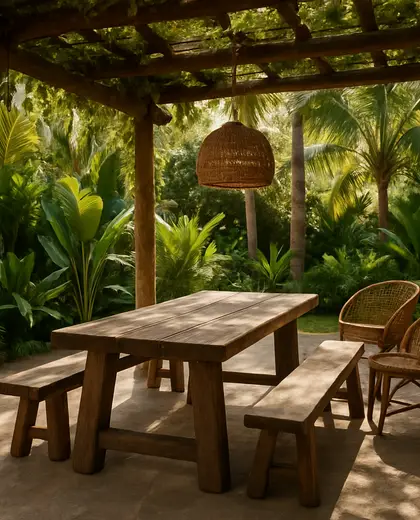
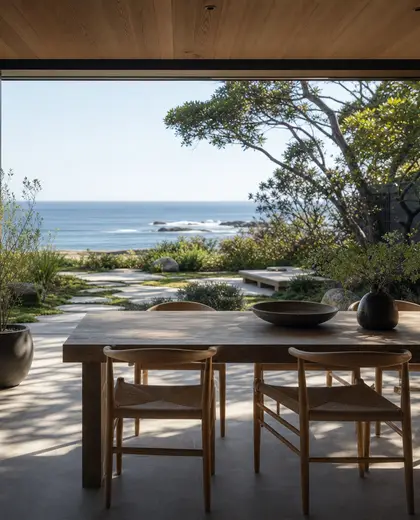
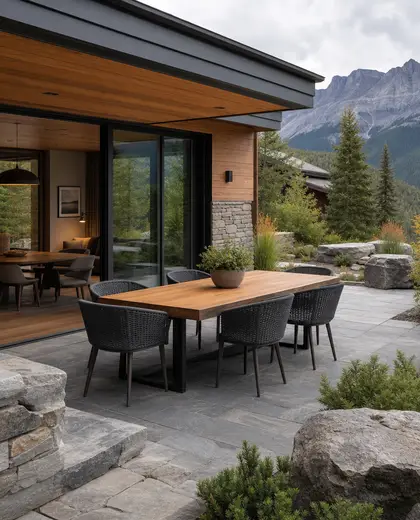
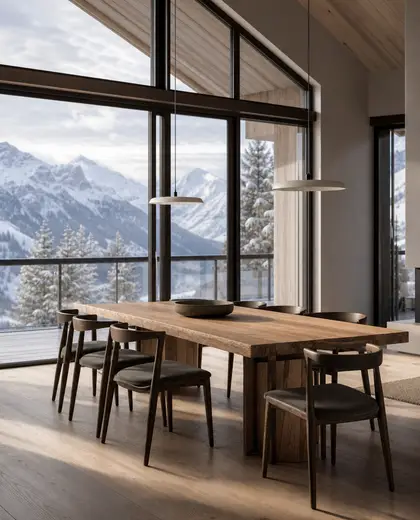
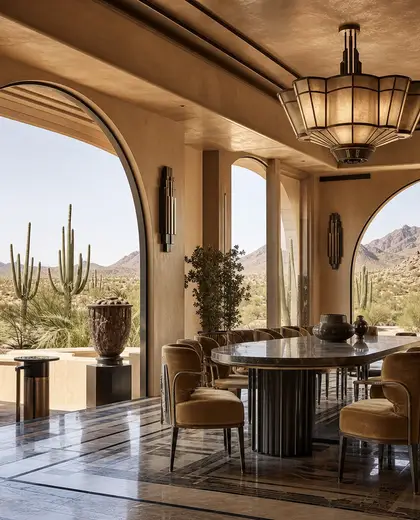
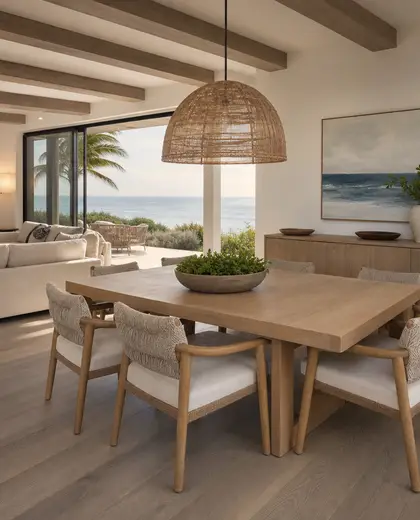
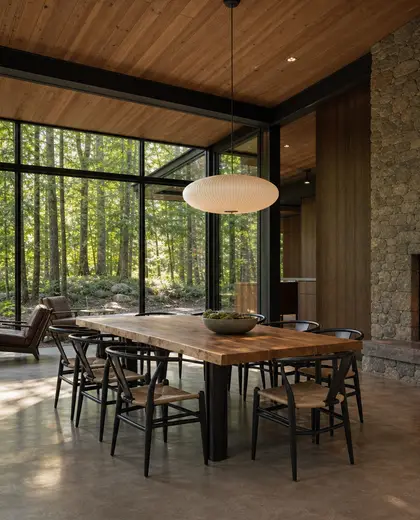
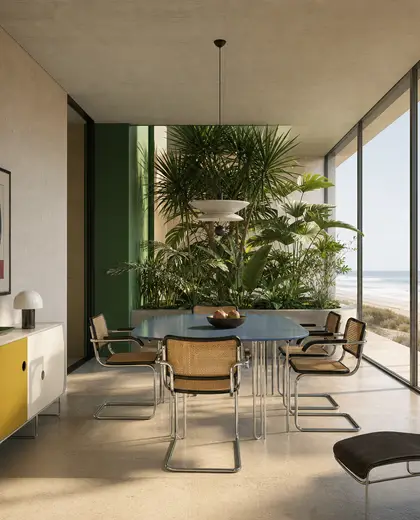
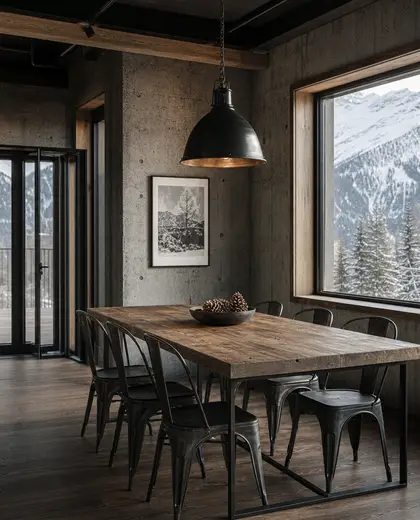
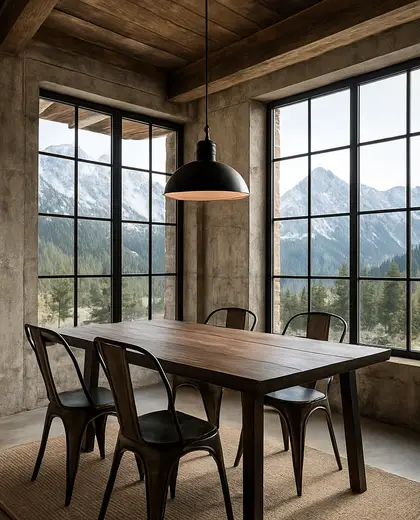
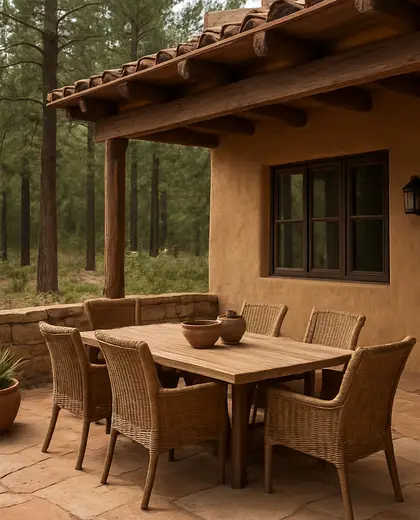
An informal dining room is defined by relaxed, durable materials and a straightforward layout that supports everyday use. Common choices include wood, painted finishes, easy-care upholstery, and simple lighting, often paired with a warm, neutral palette or muted accent colors. It usually combines with open-plan kitchens, casual banquettes, bench seating, and mixed dining chairs to keep the space approachable and flexible.
- informal dining room
— References
References to explore
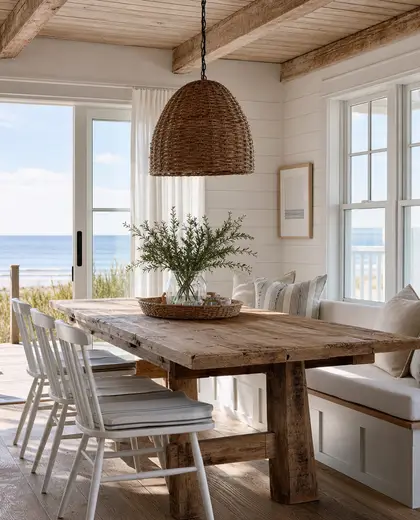
What makes a dining room feel informal instead of formal?
It usually relies on simpler furniture, softer finishes, and a less rigid layout. Bench seating, mixed chairs, and casual lighting help the room feel more everyday than ceremonial.
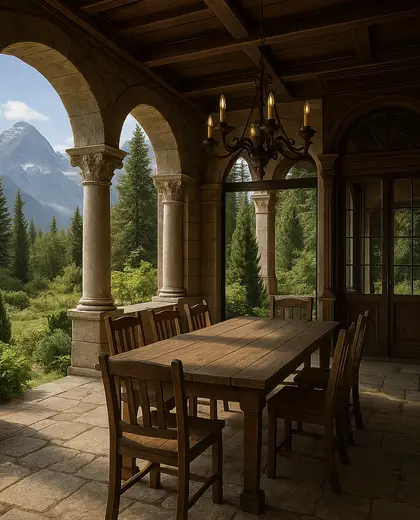
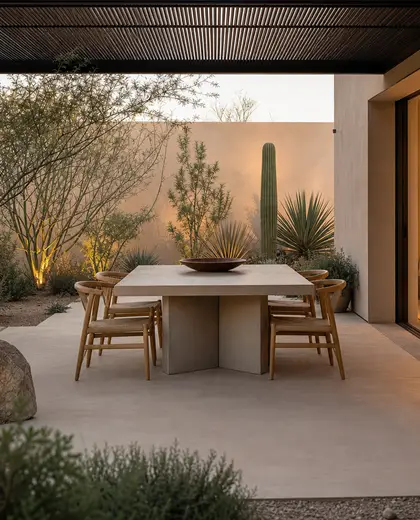
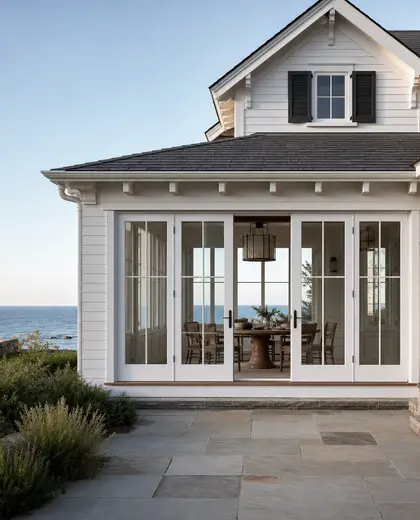
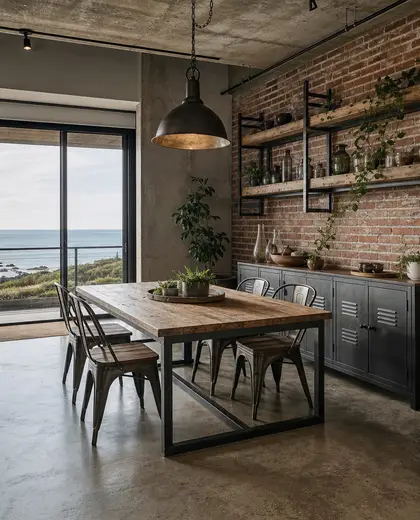
What kind of table works best in an informal dining room?
A sturdy wood or wood-look table is a common choice because it feels relaxed and handles daily use well. Round, oval, and rectangular tables all work depending on the room size and circulation.
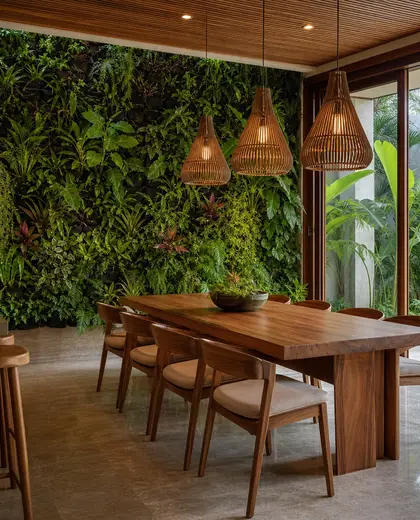
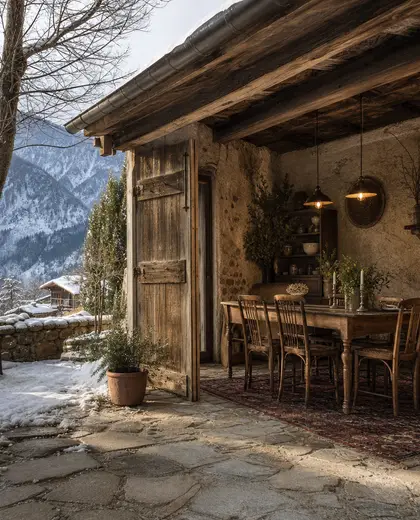
Can an informal dining room still look designed?
Yes, but the look is usually quieter and more practical. Consistent materials, a controlled color palette, and a few repeated finishes are enough to make it feel intentional without becoming formal.
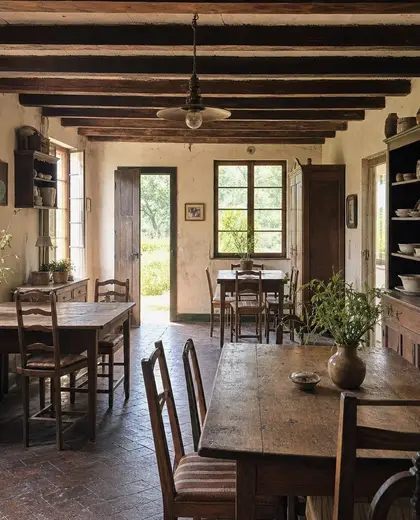
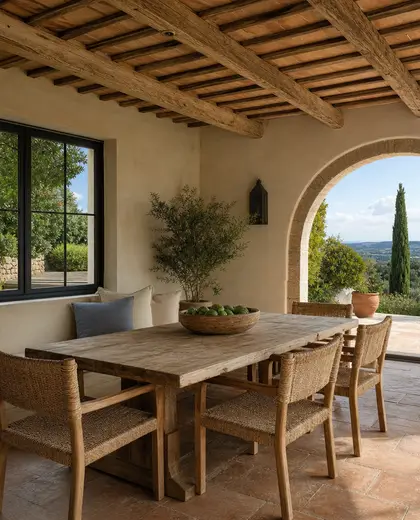
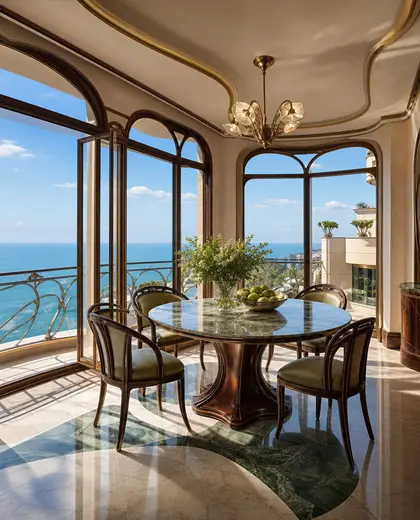
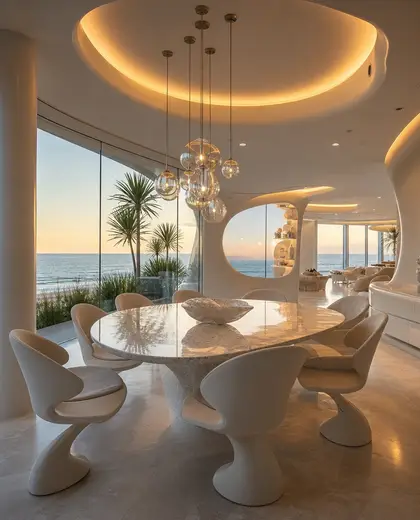
— The style
What defines it
Wood, laminate, painted MDF, linen-blend upholstery, metal lighting, and easy-clean surfaces are common.
Warm neutrals, soft whites, beige, greige, muted greens, and natural wood tones keep the room relaxed.
Open kitchens, breakfast nooks, banquettes, built-in storage, and mixed seating for a casual, everyday setup.
— Professionals
Who has already built it

- mawar electrical serviceselectricians · Bengaluru · 1 projectsView profile →
- the achievers archsmart home professionals · Delhi · 1 projectsView profile →
- home interior decoratorscarpenters · Rampur · 3 projectsView profile →
- pavit ceramics pvt ltdceramic manufacturers · Ahmedabad · 2 projectsView profile →
— Questions
Frequently asked questions
What makes a dining room feel informal instead of formal?
It usually relies on simpler furniture, softer finishes, and a less rigid layout. Bench seating, mixed chairs, and casual lighting help the room feel more everyday than ceremonial.
What kind of table works best in an informal dining room?
A sturdy wood or wood-look table is a common choice because it feels relaxed and handles daily use well. Round, oval, and rectangular tables all work depending on the room size and circulation.
Can an informal dining room still look designed?
Yes, but the look is usually quieter and more practical. Consistent materials, a controlled color palette, and a few repeated finishes are enough to make it feel intentional without becoming formal.