— Ideas & inspiration
Forest composition
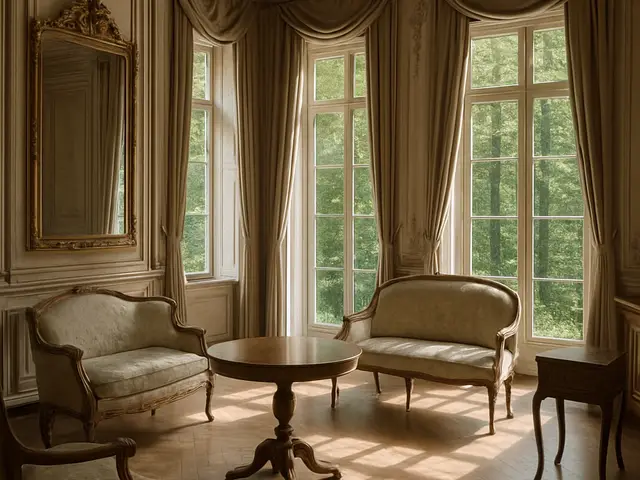
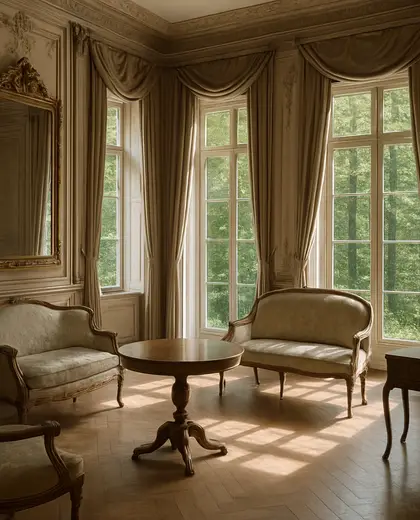
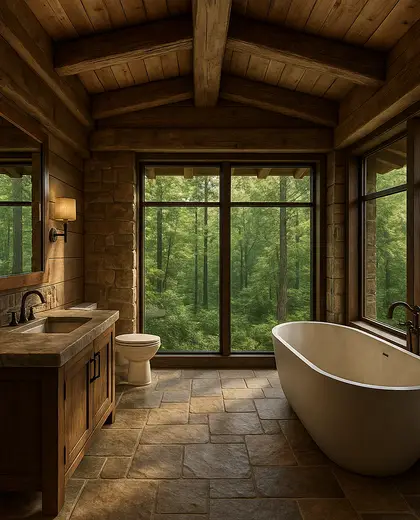
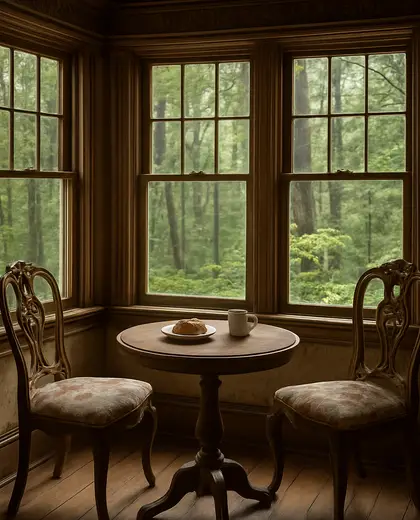
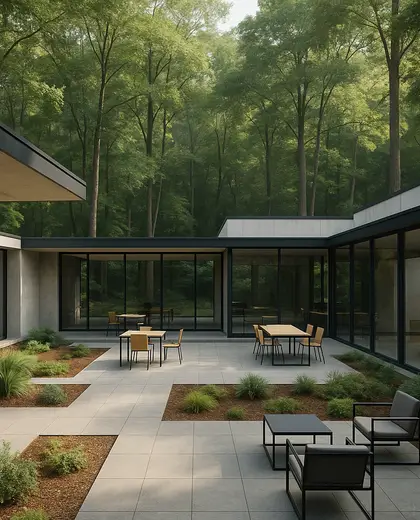
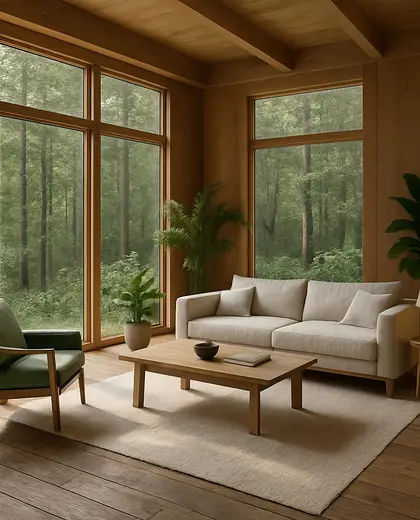
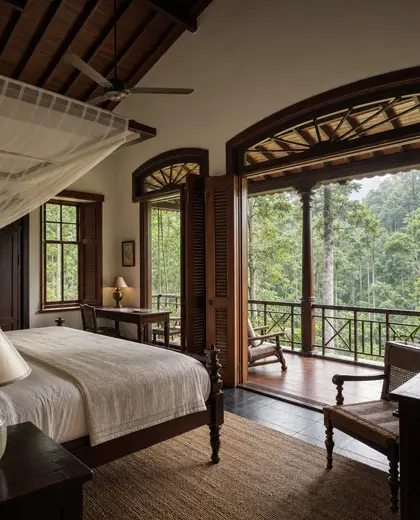
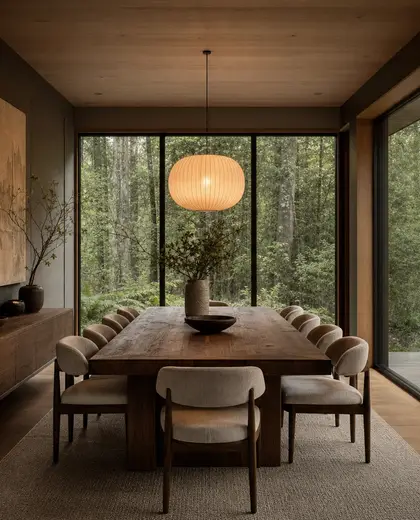
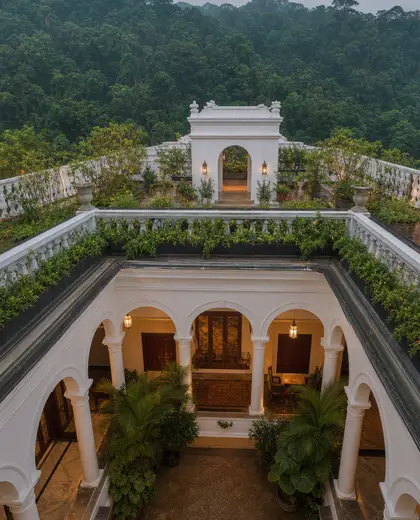
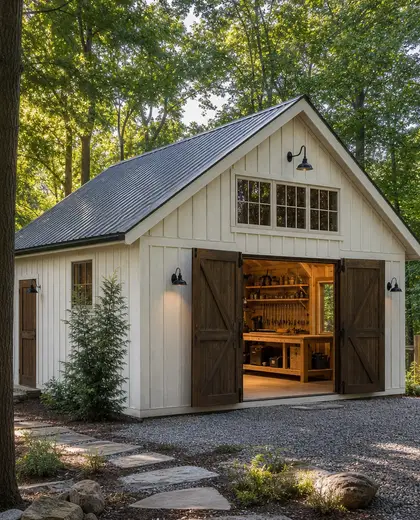
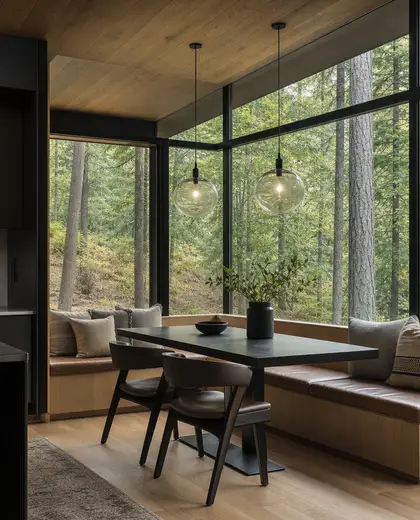
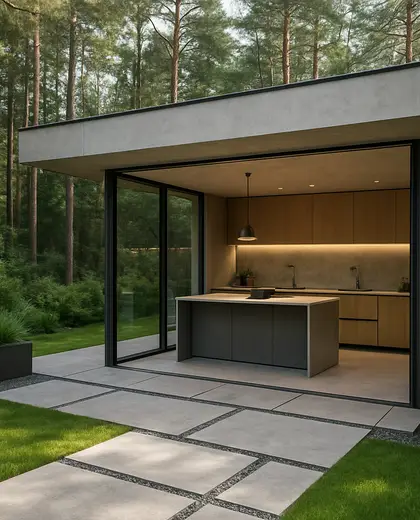
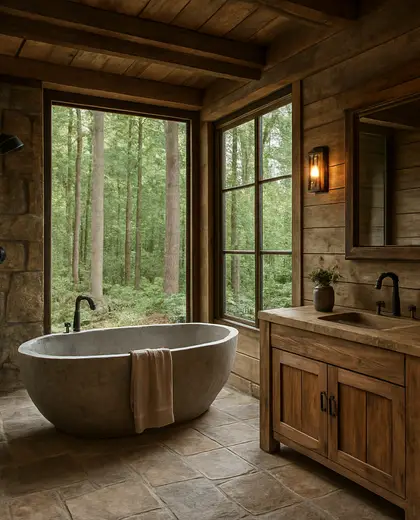
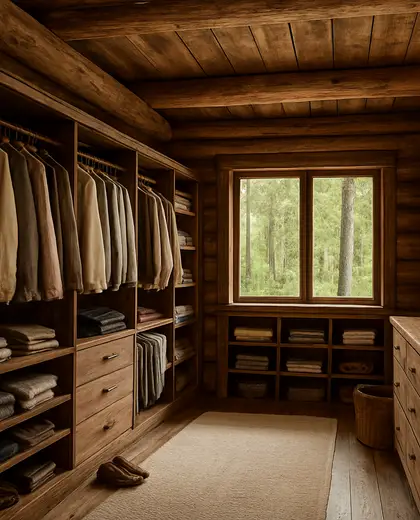
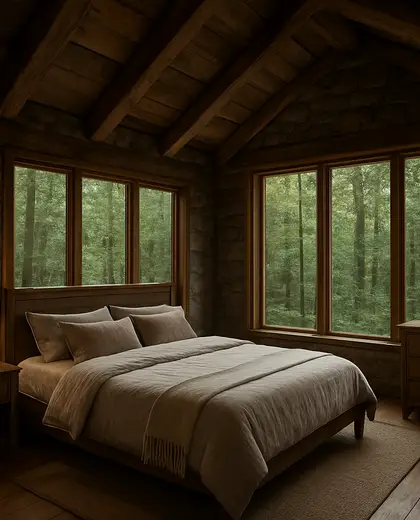
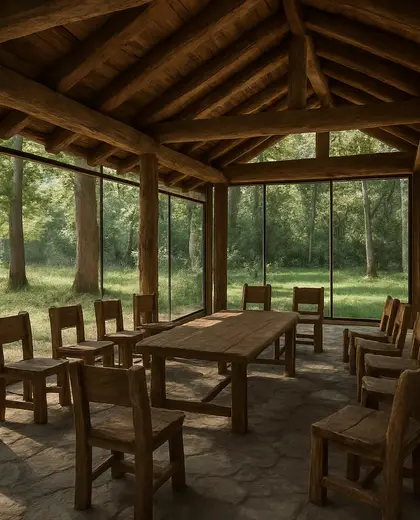
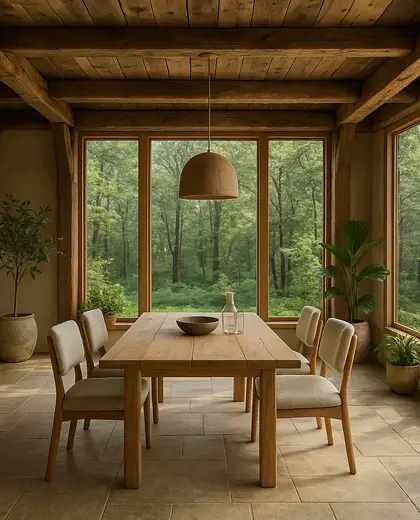
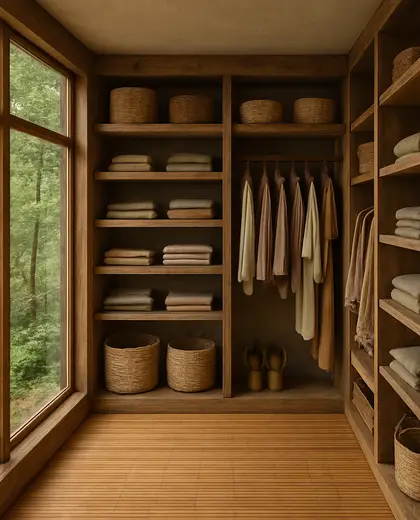
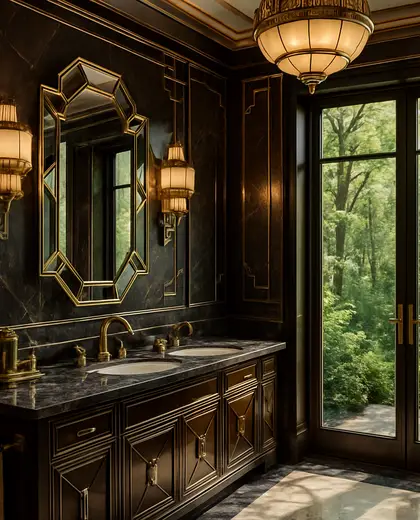
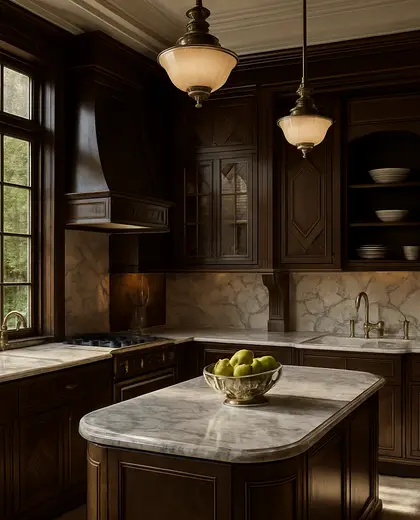
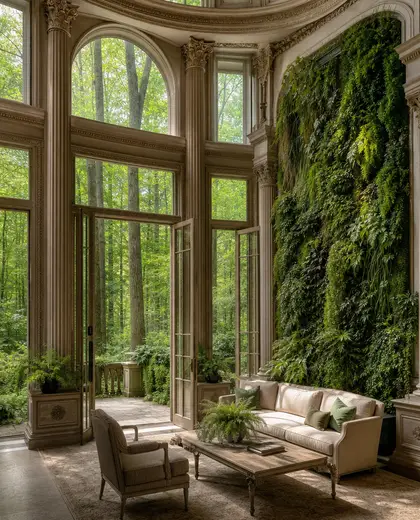
A forest composition uses natural, tactile materials such as timber, stone, clay plaster, and textured textiles. The palette stays close to the landscape: greens, browns, moss, charcoal, and muted neutrals, often paired with filtered daylight and layered planting. It is defined by organic forms, visible grain, and a strong connection between interior spaces and the surrounding trees or garden.
- forest
— References
References to explore
Will a forest composition make my home look dark?
Not necessarily. It often uses deeper tones, but you can keep the space bright with large glazing, light timber, pale walls, and reflective surfaces used sparingly.
What materials should I choose first?
Start with one or two dominant natural materials, usually timber and stone, then add softer layers like linen, wool, and clay-based finishes to build depth.
Does this composition require a lot of plants?
Plants help reinforce the look, but they are not mandatory. The composition can read as forest through materiality, color, and texture even with only a few carefully placed plants.
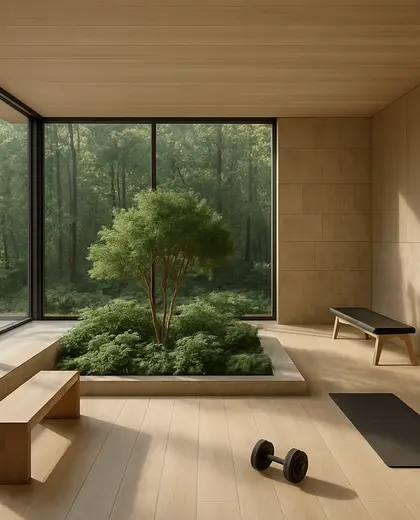
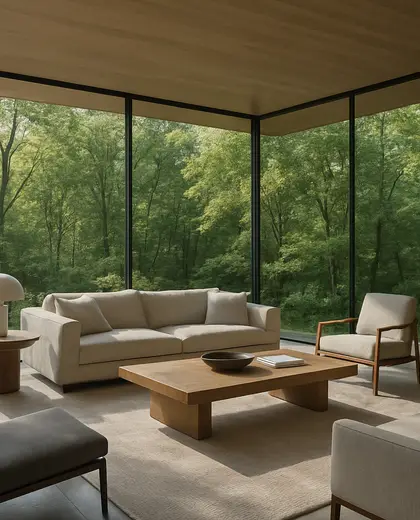
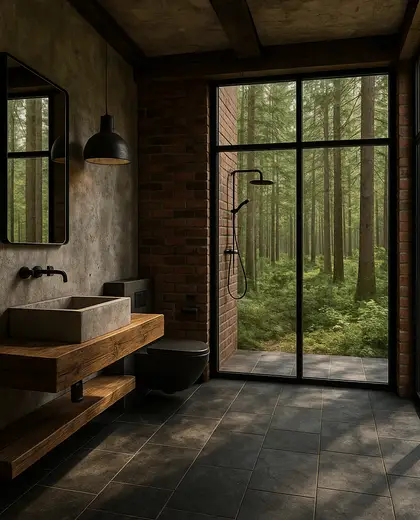
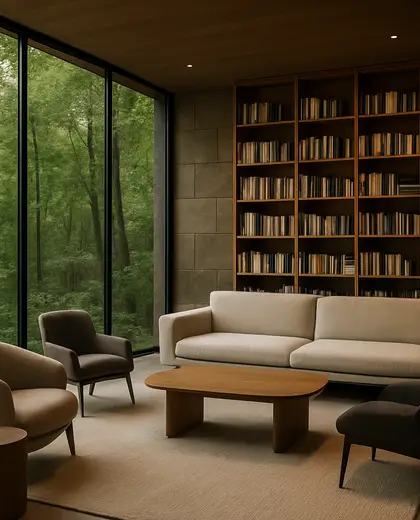
— The style
What defines it
Wood, stone, clay, linen, wool, and matte metals are common, with finishes that feel raw or lightly worked.
Moss, olive, bark brown, warm grey, deep green, off-white, and blackened accents are typical.
Works well with rustic, Scandinavian, wabi-sabi, biophilic, and contemporary minimal interiors.
— Professionals
Who has already built it
- ashwin abrahamarchitects · 8 projectsView profile →
- praveen kumar singh3d renderers · Ranchi · 6 projectsView profile →
- mawar electrical serviceselectricians · Bengaluru · 1 projectsView profile →
- anurag vermainterior designers · 6 projectsView profile →
— Questions
Frequently asked questions
Will a forest composition make my home look dark?
Not necessarily. It often uses deeper tones, but you can keep the space bright with large glazing, light timber, pale walls, and reflective surfaces used sparingly.
What materials should I choose first?
Start with one or two dominant natural materials, usually timber and stone, then add softer layers like linen, wool, and clay-based finishes to build depth.
Does this composition require a lot of plants?
Plants help reinforce the look, but they are not mandatory. The composition can read as forest through materiality, color, and texture even with only a few carefully placed plants.