— Ideas & inspiration
Edging
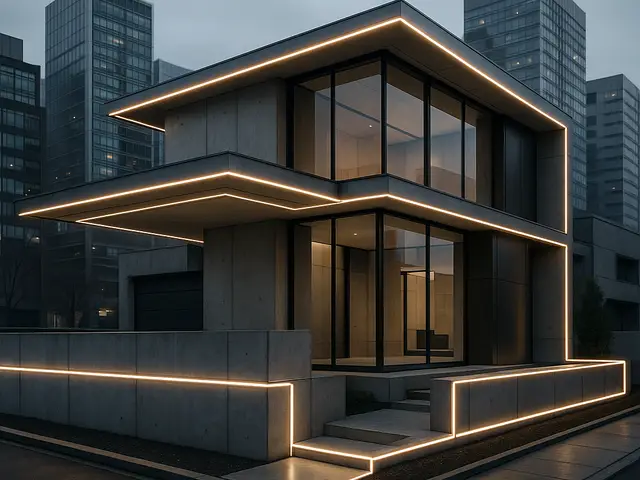
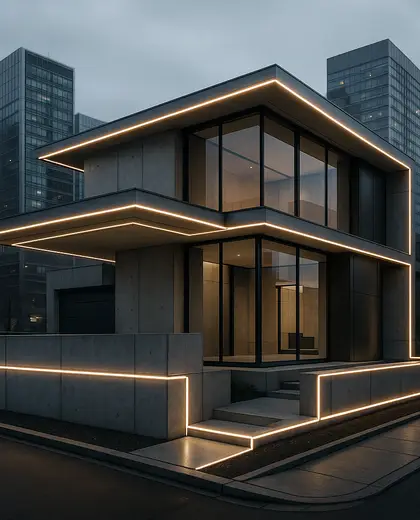
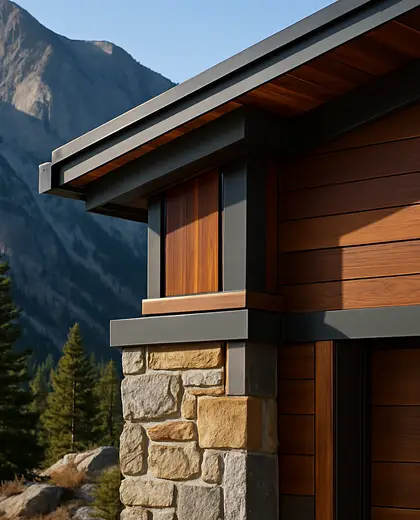
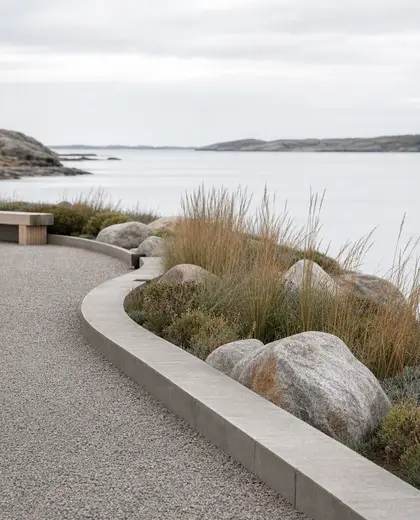
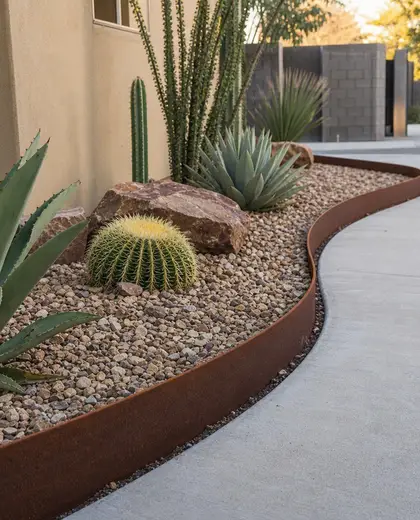
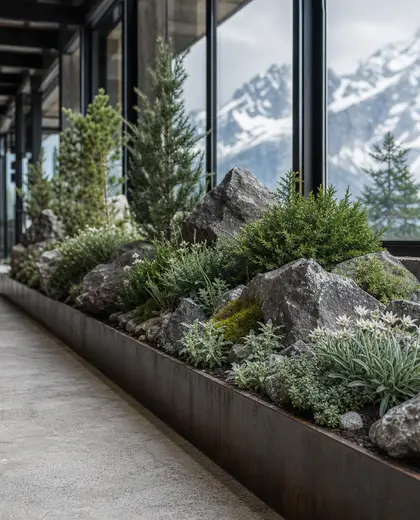
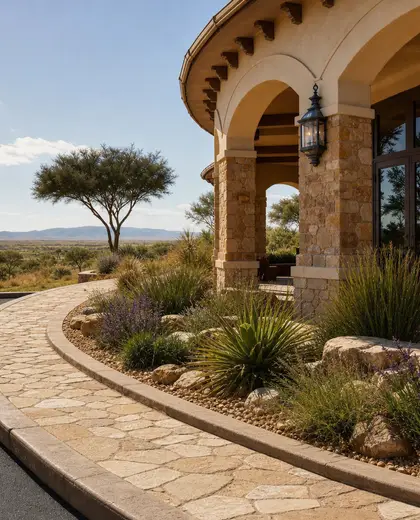
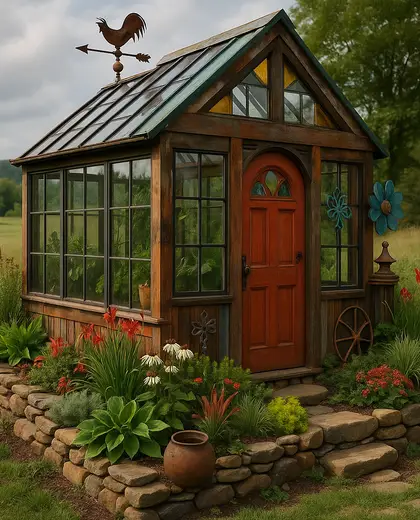
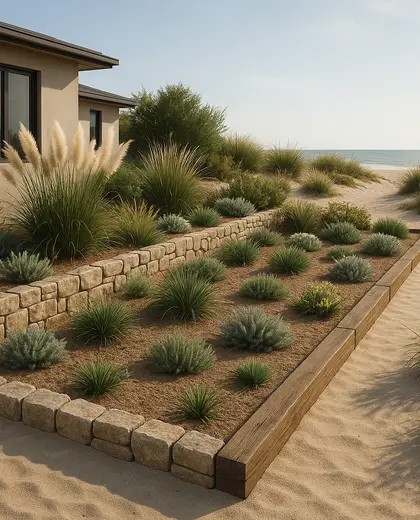
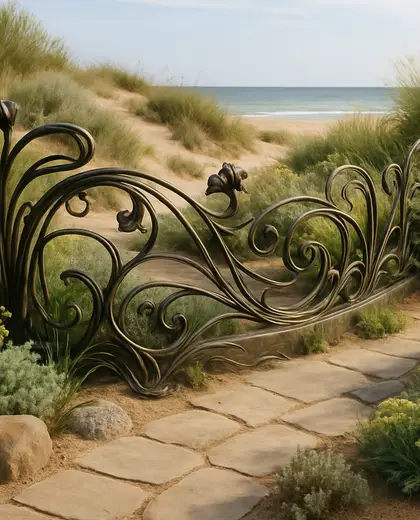
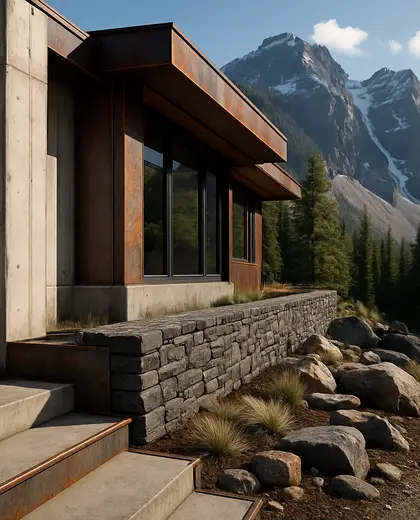
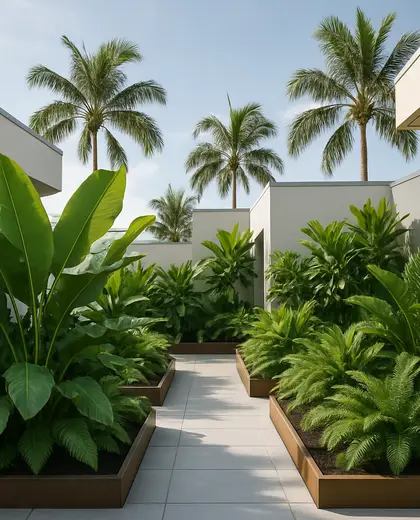
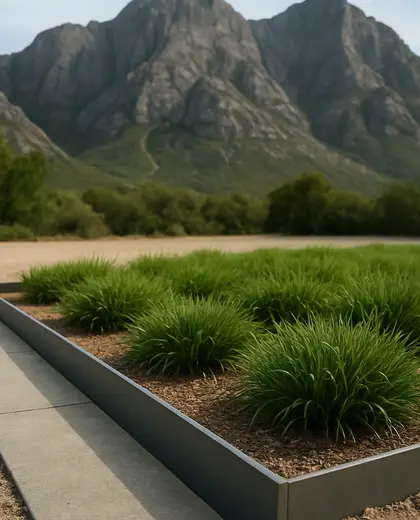
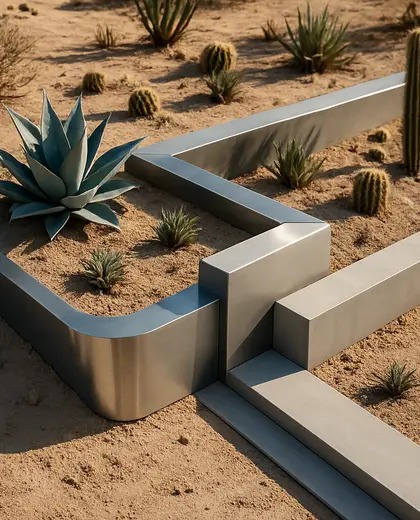
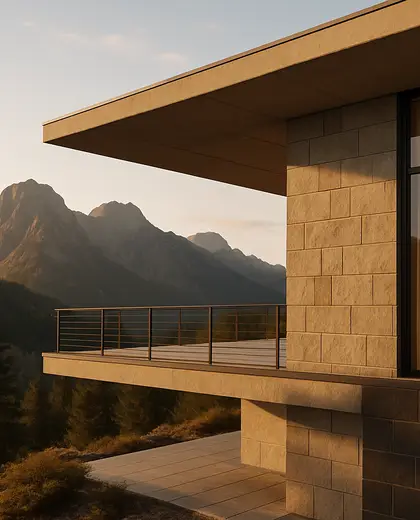
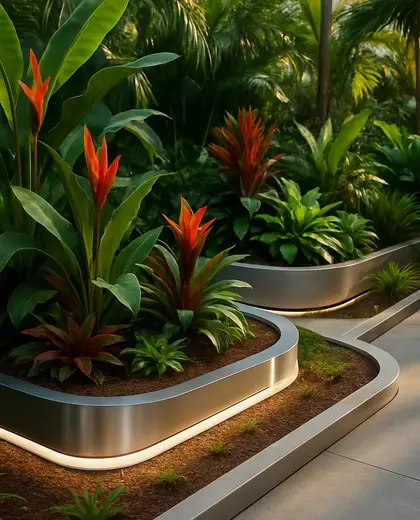
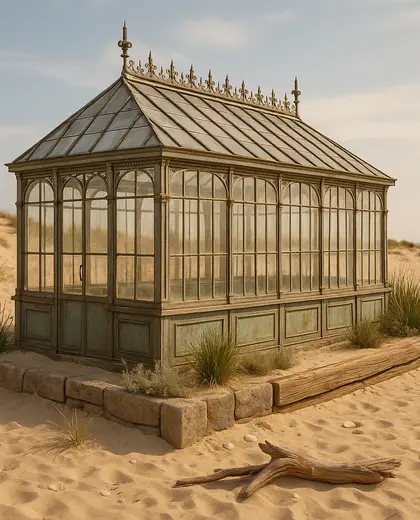
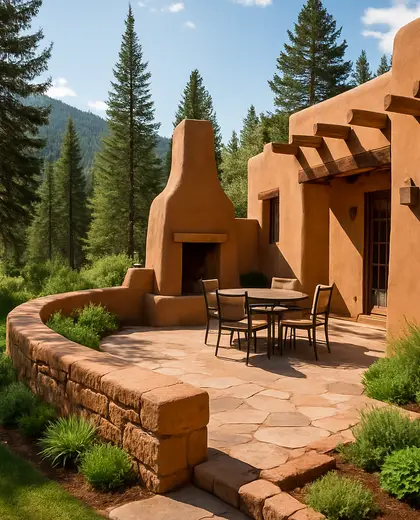
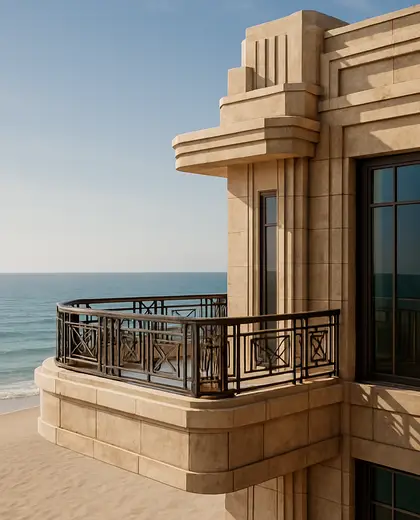
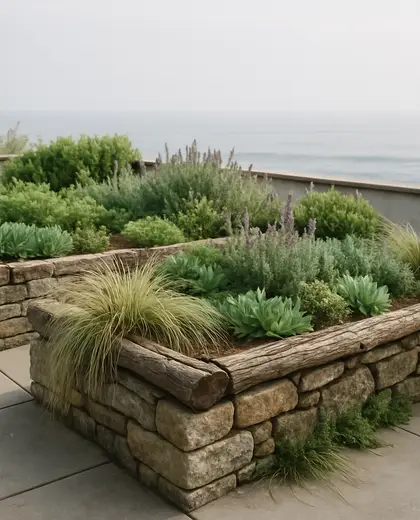
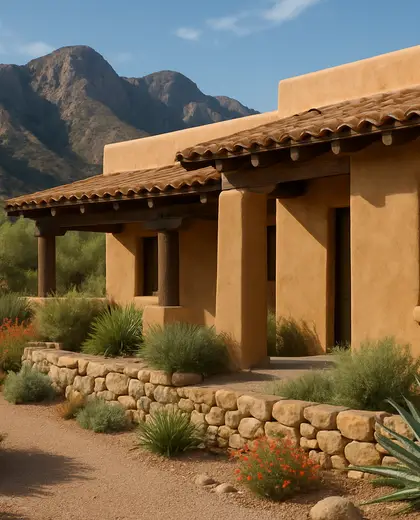
Edging is the finished boundary between a surface and its surroundings, usually formed with stone, concrete, metal, brick, or timber. It defines the edge of a path, lawn, bed, terrace, or driveway and keeps materials in place. The look is typically clean and restrained, with straight or gently curved lines and a palette that follows the main paving or planting scheme.
- edging
— References
References to explore
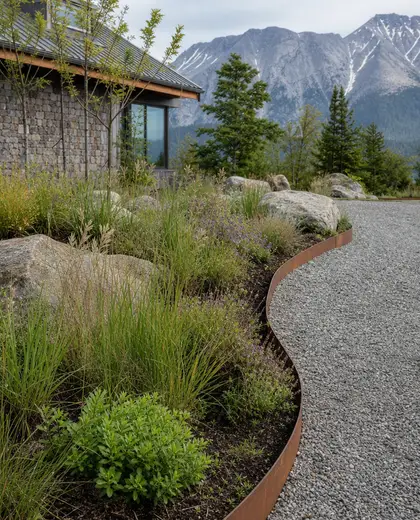
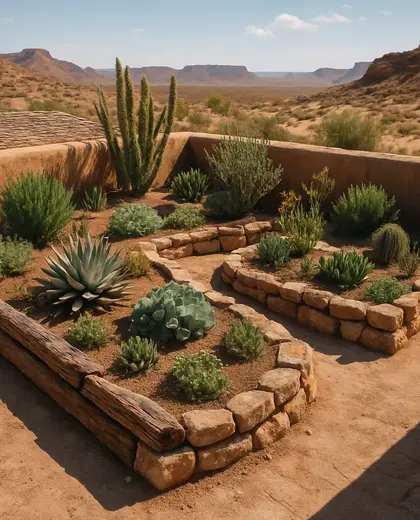
What is edging used for in a garden or exterior project?
It separates one surface from another, such as lawn from gravel, paving from planting, or a driveway from a bed, while helping keep the edges tidy.
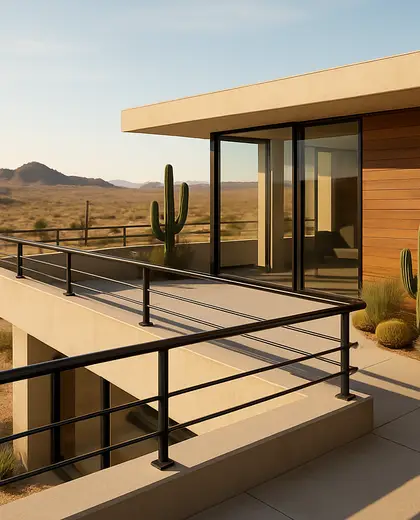
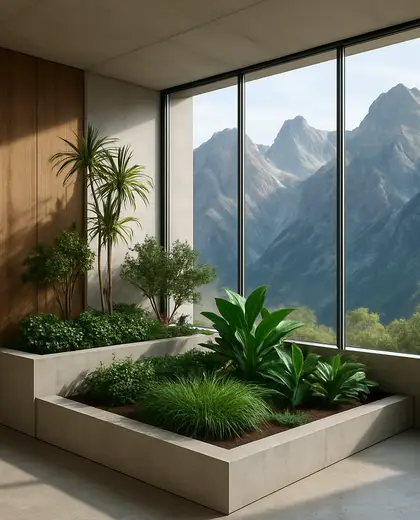
Which edging material is best for a modern look?
Metal and concrete are common for a crisp modern edge, while stone and brick read more traditional. The best choice depends on the adjacent surfaces and the visual weight you want.
Does edging need to match the paving exactly?
No. It can match for a seamless look or contrast slightly to define the boundary. Most projects work best when the edging complements the main materials rather than competing with them.
— The style
What defines it
Stone, poured concrete, brick, steel, aluminum, and treated timber are the most common edging materials.
Usually neutral and understated: gray, charcoal, black, brown, or the natural color of the adjacent paving or soil.
Works with gravel, paving, lawn, planted beds, terraces, driveways, and retaining or border details.
— Professionals
Who has already built it

- the achievers archsmart home professionals · Delhi · 1 projectsView profile →
- home interior decoratorscarpenters · Rampur · 3 projectsView profile →
- pavit ceramics pvt ltdceramic manufacturers · Ahmedabad · 2 projectsView profile →
- Bristolfurniture sellers · Bangalore · 6 projectsView profile →
— Questions
Frequently asked questions
What is edging used for in a garden or exterior project?
It separates one surface from another, such as lawn from gravel, paving from planting, or a driveway from a bed, while helping keep the edges tidy.
Which edging material is best for a modern look?
Metal and concrete are common for a crisp modern edge, while stone and brick read more traditional. The best choice depends on the adjacent surfaces and the visual weight you want.
Does edging need to match the paving exactly?
No. It can match for a seamless look or contrast slightly to define the boundary. Most projects work best when the edging complements the main materials rather than competing with them.