— Ideas & inspiration
Desert
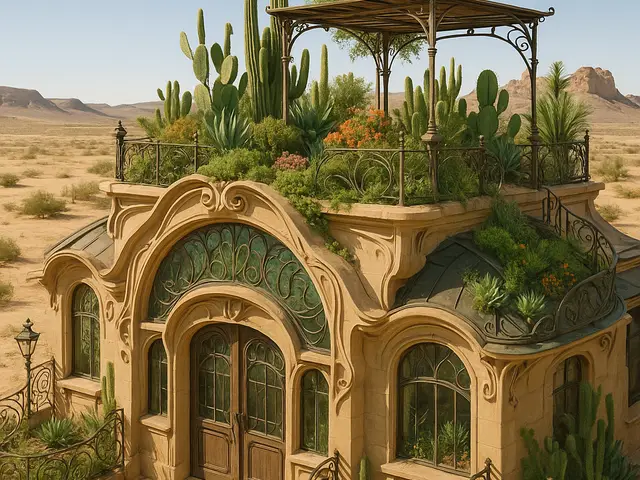
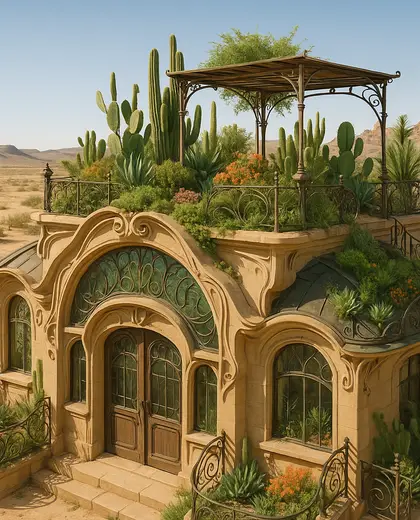
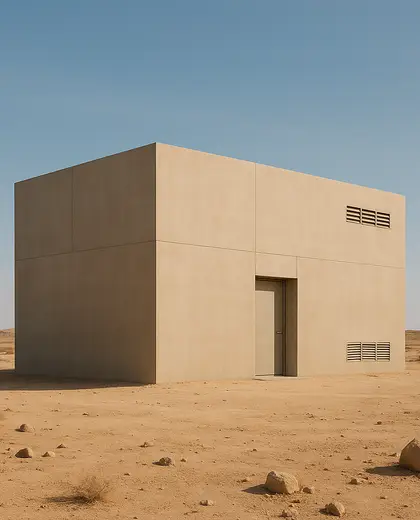
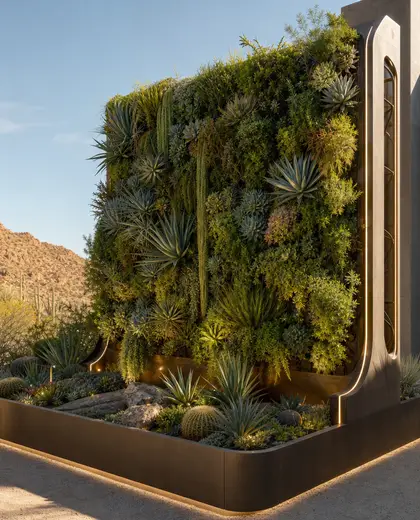
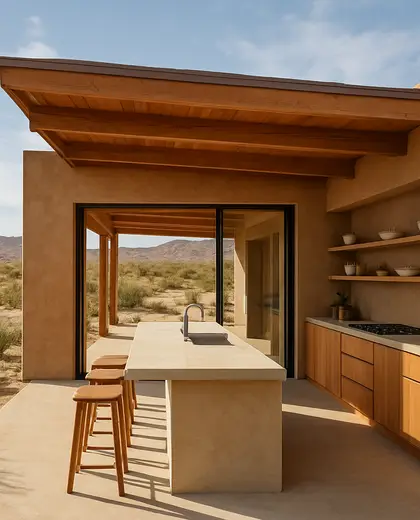
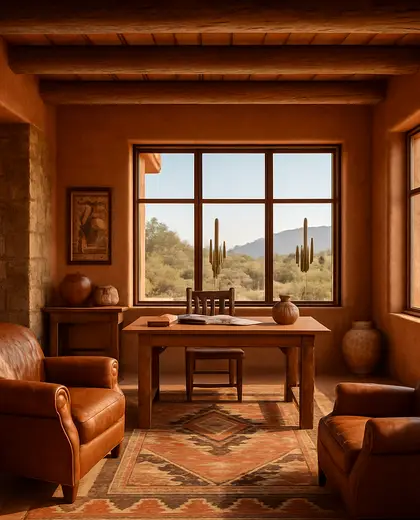
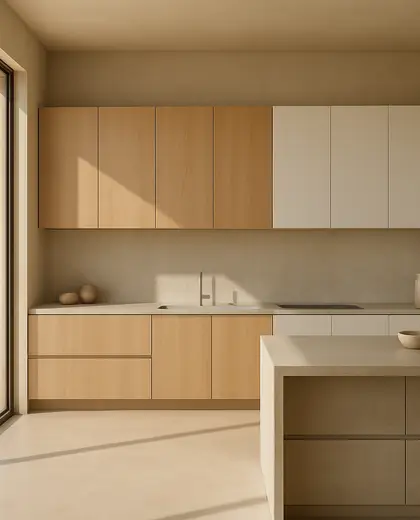
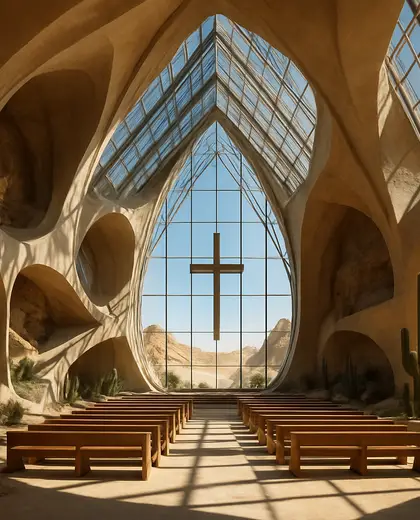
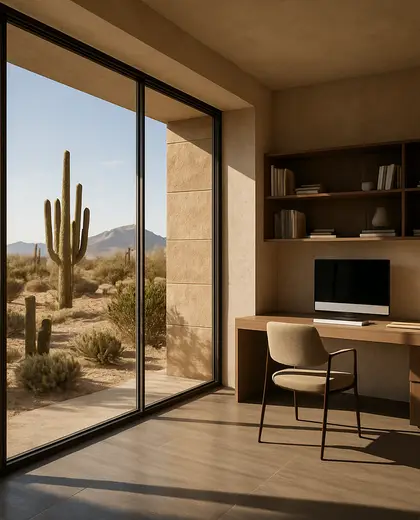
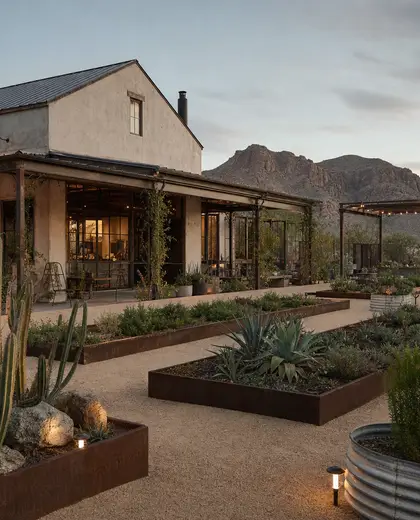
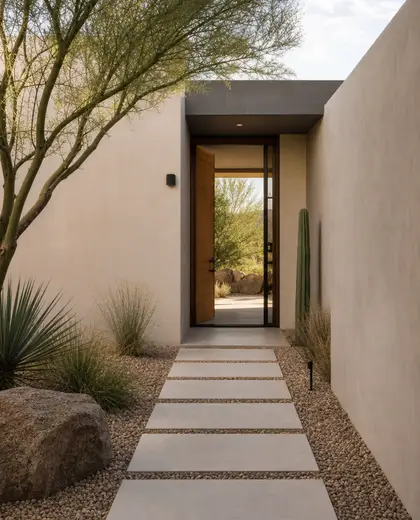
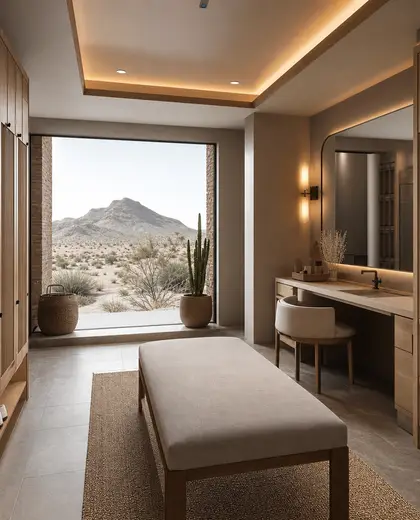
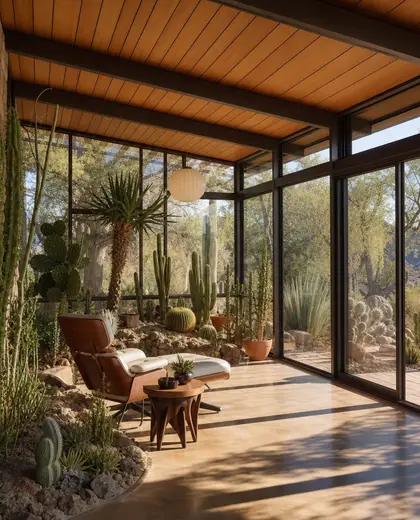
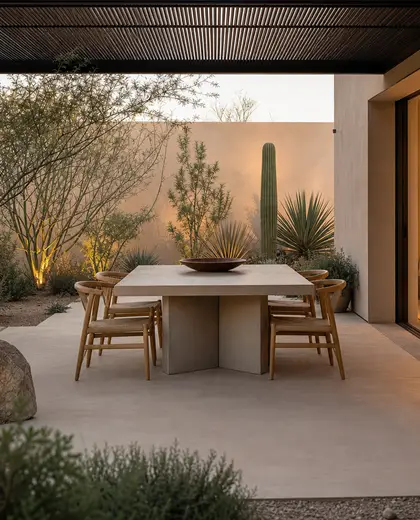
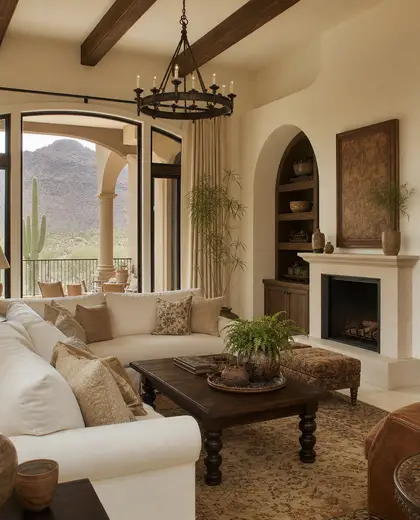
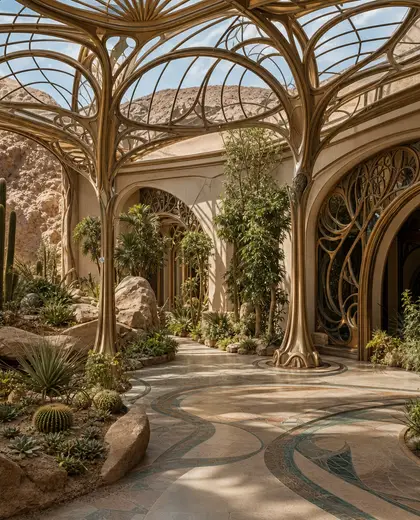
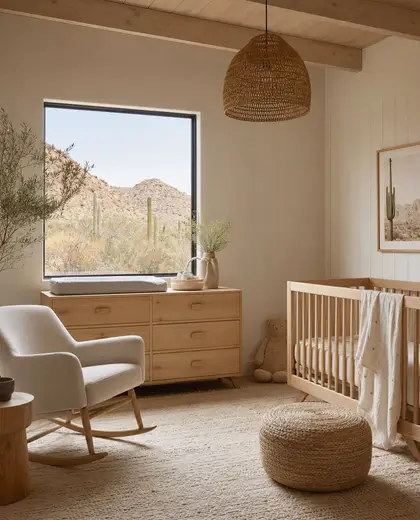
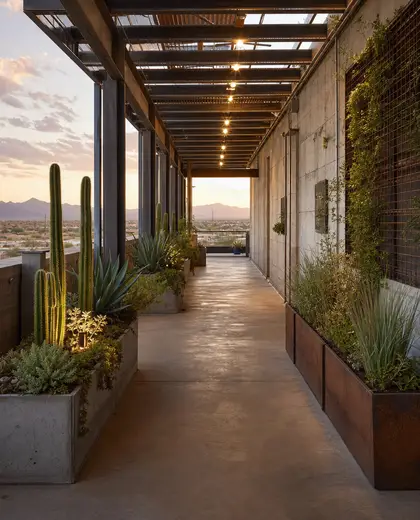
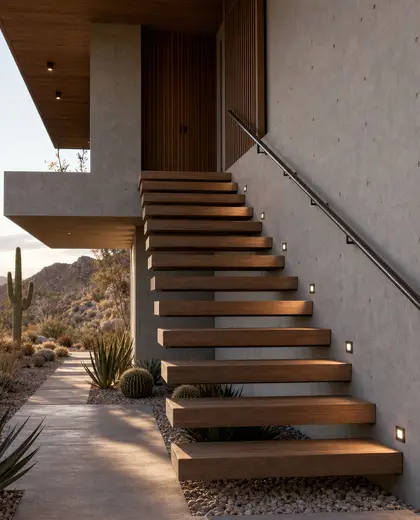
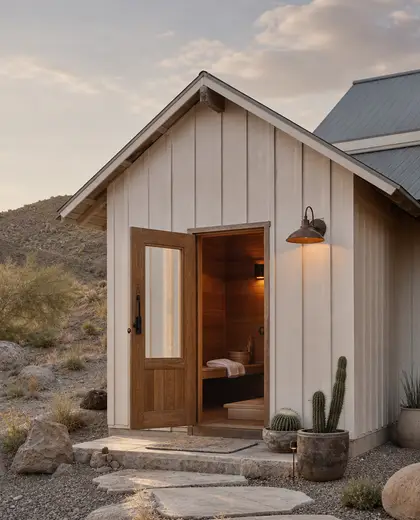
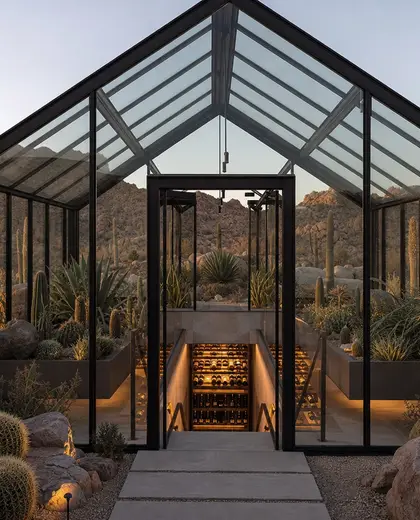
A desert composition is defined by sun-washed surfaces, tactile stone, clay, plaster, and rough timber, with textiles that feel dry, woven, and grounded. The palette stays close to sand, terracotta, ochre, bone, and muted rust, often softened with chalky whites and charcoal accents. Its look is spare but warm, relying on texture, low profiles, and a strong connection to natural light.
- desert
— References
References to explore
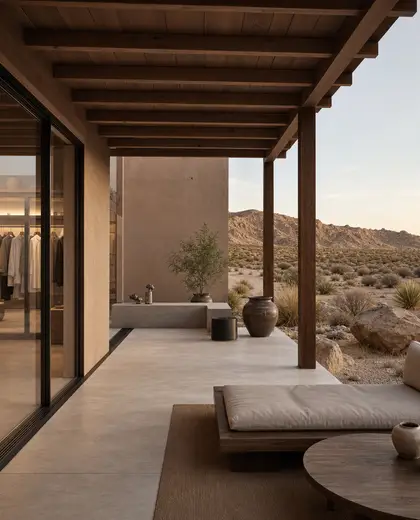
Will a desert composition make my home feel too warm or orange?
It can if the palette is pushed too far into red and rust. A balanced approach uses bone, sand, and plaster tones as the base, then adds warmer accents in smaller doses.
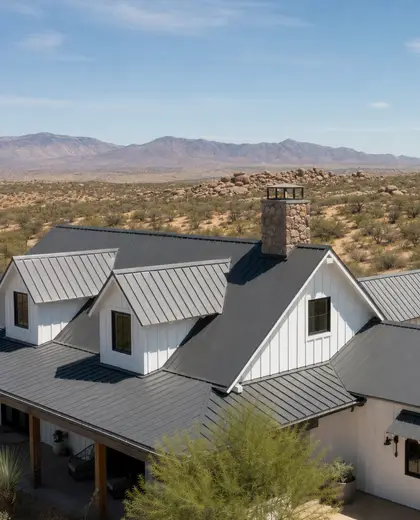
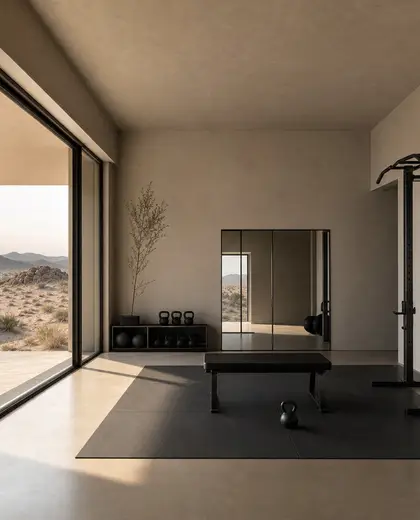
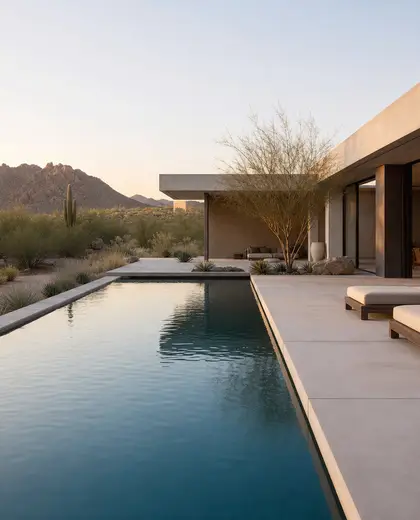
What materials make this style feel authentic?
Matte plaster, stone, clay, linen, wool, and natural wood are the most convincing choices. Surfaces should look tactile and slightly weathered rather than glossy or polished.
Does this style only work in hot climates?
No, it can work in many climates if the materials and lighting are handled carefully. In cooler regions, add more soft textiles, warmer wood tones, and layered lighting to keep it comfortable.
— The style
What defines it
Plaster, adobe-inspired finishes, natural stone, clay tile, untreated or lightly oiled wood, linen, wool, and handwoven fiber details.
Sand, beige, camel, terracotta, ochre, rust, bone, and sun-faded neutrals, with occasional blackened metal or deep brown accents.
Works well with modern minimalism, rustic detailing, organic forms, and indoor-outdoor layouts that emphasize light and shadow.
— Professionals
Who has already built it
- wanderlust architectsarchitects · Jaipur · 8 projectsView profile →
- Bristolfurniture sellers · Bangalore · 6 projectsView profile →
- FurnitureRootsfurniture makers · Jodhpur · 6 projectsView profile →
- Bakajoiners · Chennai · 5 projectsView profile →
— Questions
Frequently asked questions
Will a desert composition make my home feel too warm or orange?
It can if the palette is pushed too far into red and rust. A balanced approach uses bone, sand, and plaster tones as the base, then adds warmer accents in smaller doses.
What materials make this style feel authentic?
Matte plaster, stone, clay, linen, wool, and natural wood are the most convincing choices. Surfaces should look tactile and slightly weathered rather than glossy or polished.
Does this style only work in hot climates?
No, it can work in many climates if the materials and lighting are handled carefully. In cooler regions, add more soft textiles, warmer wood tones, and layered lighting to keep it comfortable.