— Ideas & inspiration
Contemporary home design
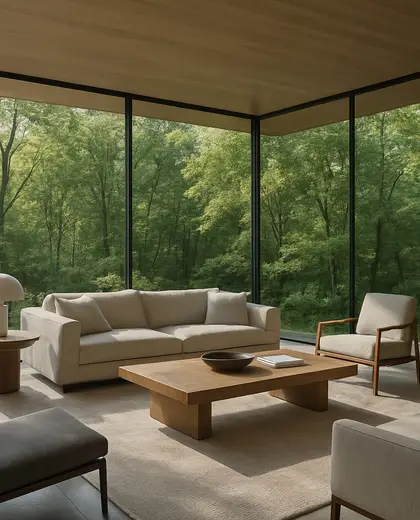
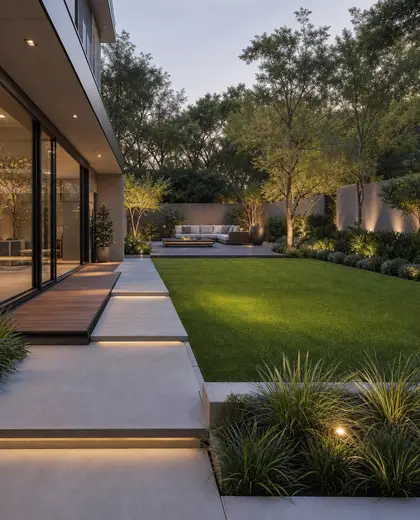
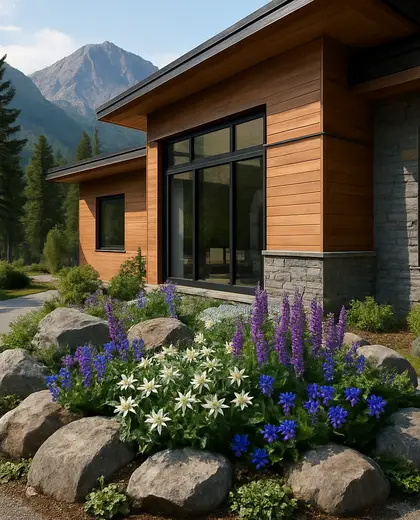
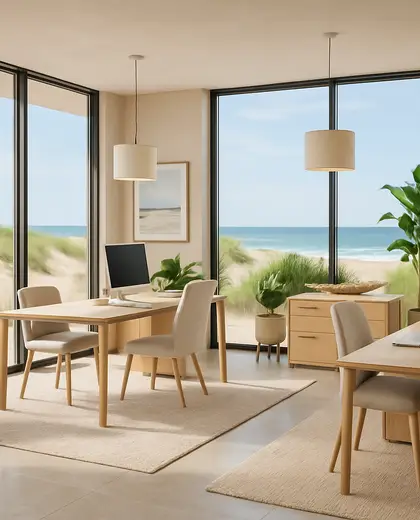
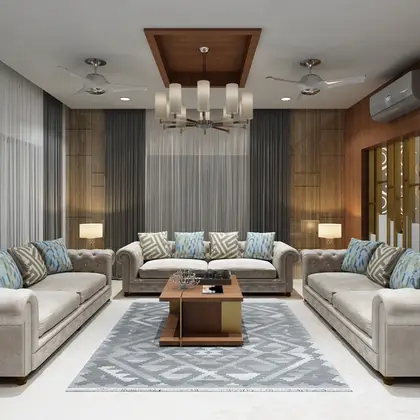
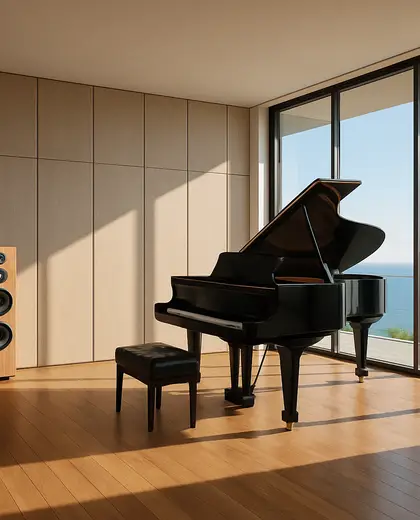
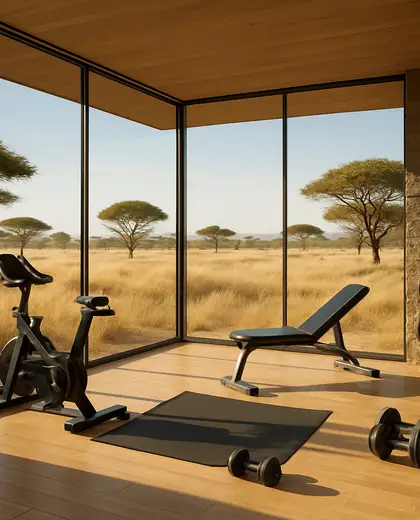
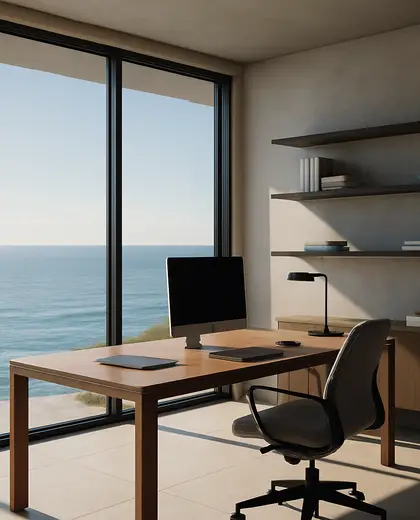
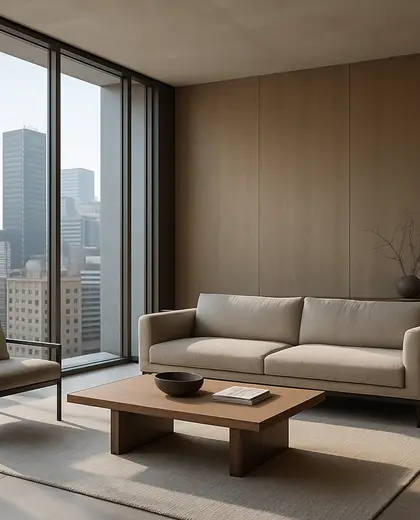
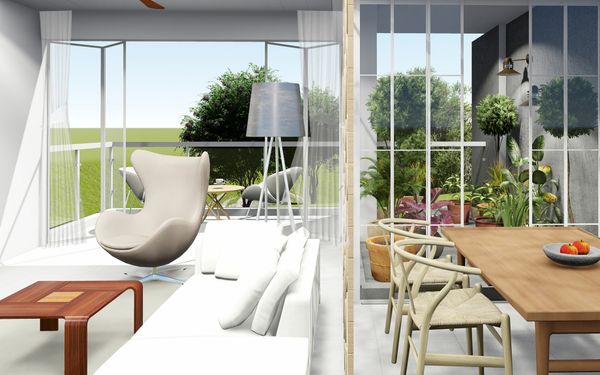
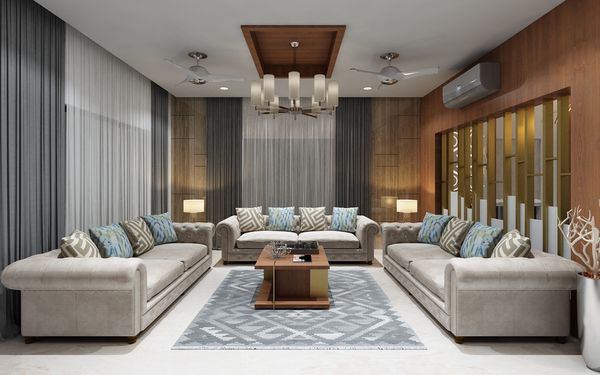
A contemporary home composition is defined by clean-lined forms, open planning, and a restrained mix of glass, steel, wood, and smooth plaster. The palette usually stays neutral with whites, greys, black accents, and warm natural timber. Large openings, flat or low-slope rooflines, and minimal ornament give the space its current, streamlined character.
- home
- contemporary
— References
References to explore
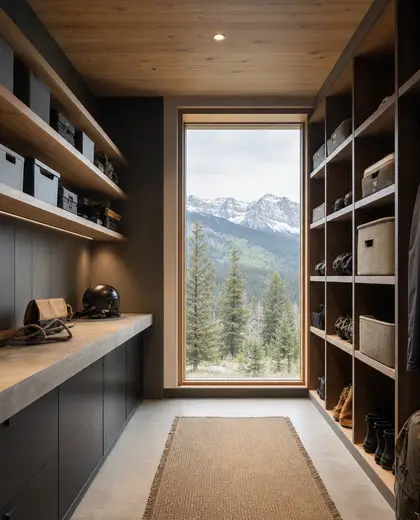
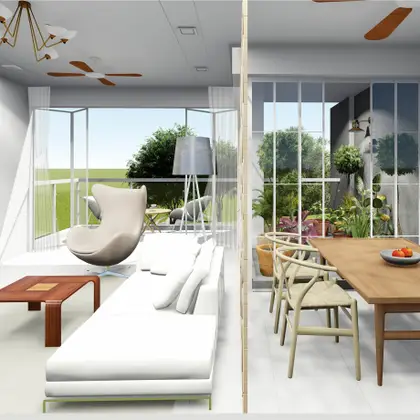
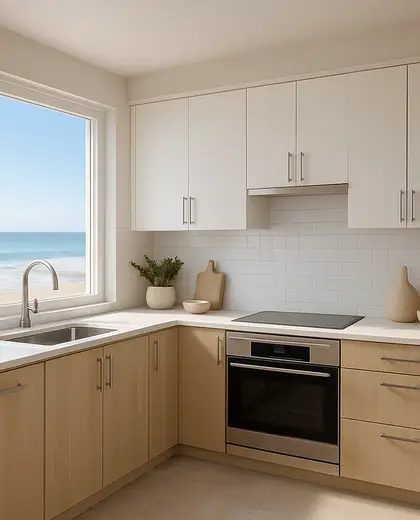
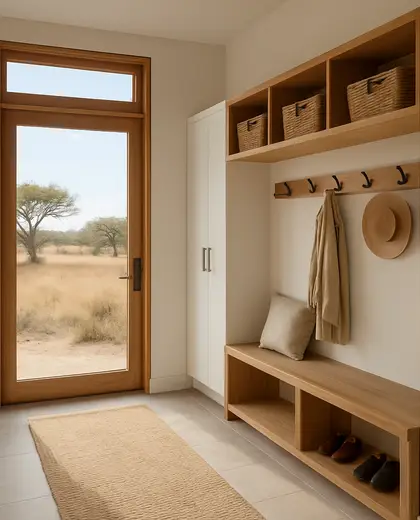

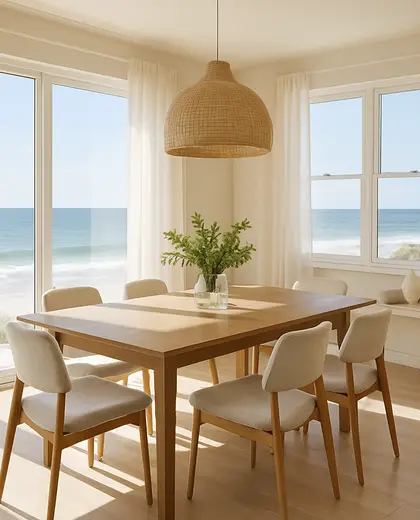
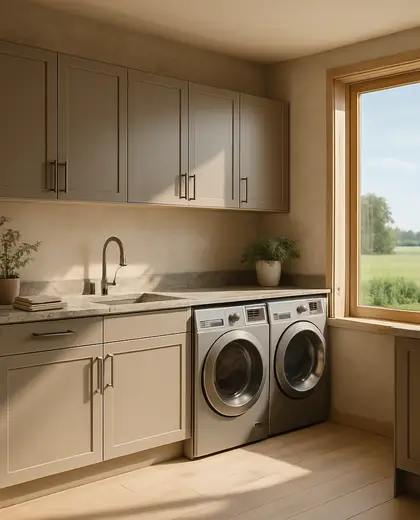
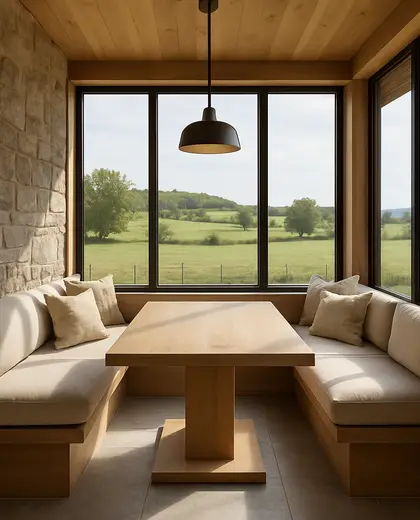
What makes a home feel contemporary rather than modern?
Contemporary homes focus on what feels current now, while modern refers more specifically to early- to mid-20th-century design. In practice, contemporary homes often use cleaner lines, mixed materials, and softer contrasts.
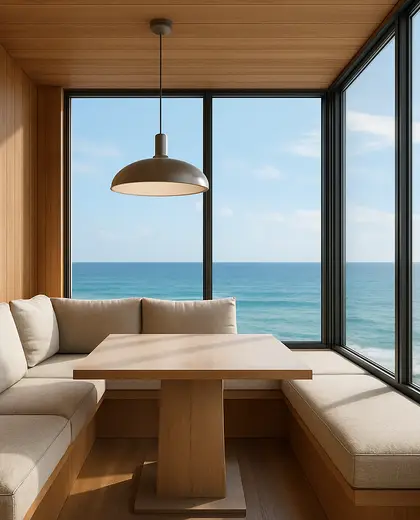
— The style
What defines it
Glass, steel, timber, concrete, and smooth plaster are common, often combined in simple, honest surfaces.
Mostly neutral: white, grey, charcoal, black, and warm wood tones, with occasional muted earth colors.
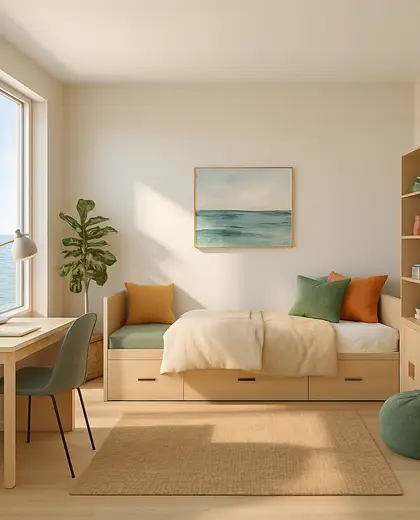
Works well with open-plan layouts, natural light, built-in storage, and sparse detailing.
— Professionals
Who has already built it




- the achievers archsmart home professionals · Delhi · 1 projectsView profile →
- ar prerna modiarchitects · 3 projectsView profile →
- home interior decoratorscarpenters · Rampur · 3 projectsView profile →
- pavit ceramics pvt ltdceramic manufacturers · Ahmedabad · 2 projectsView profile →
— ARTICLES
Related reading
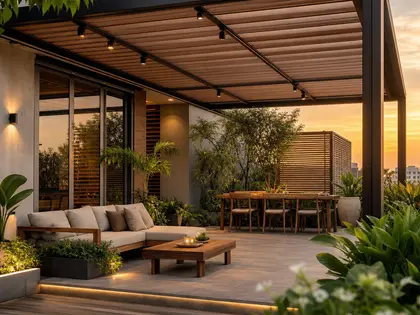
pergola planning: the smart place to begin your outdoor upgrade
A practical start-from-zero guide for planning a contemporary pergola in India, from defining use and budget to locking materials, dimensions, and approvals before work begins.
Read article →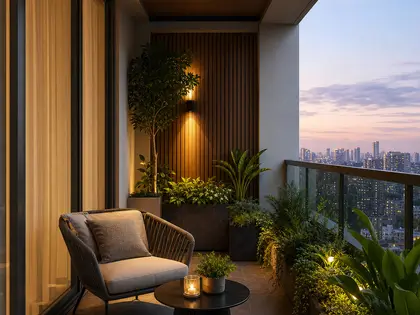
balcony planning in India: where to begin before the first tile is fixed
A practical starting guide for a balcony project in India, from listing needs and setting priorities to locking the key decisions before work begins.
Read article →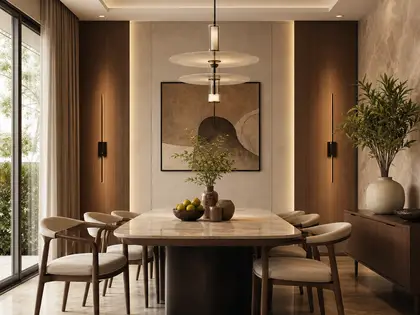
Budgeting a dining room makeover: what it really costs in India
A practical Indian budget guide for renovating a dining room, covering typical costs, smart splurges, sensible savings, and hidden expenses to watch for.
Read article →— Questions
Frequently asked questions
What makes a home feel contemporary rather than modern?
Contemporary homes focus on what feels current now, while modern refers more specifically to early- to mid-20th-century design. In practice, contemporary homes often use cleaner lines, mixed materials, and softer contrasts.
Can a contemporary home still feel warm and livable?
Yes. Timber finishes, textured fabrics, and daylight help soften the crisp lines and minimal surfaces. The look stays simple, but it does not need to feel cold.
Does this style work for small homes?
Yes, because the layout usually favors openness and efficient use of space. Large windows, built-in storage, and fewer visual divisions can make a compact home feel larger.