— Ideas & inspiration
Condo composition
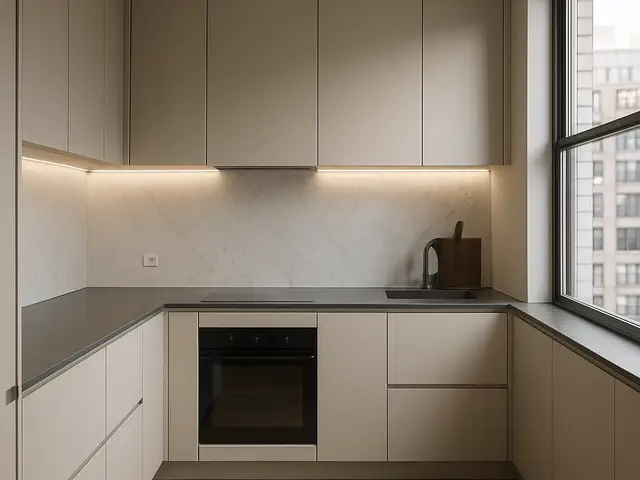
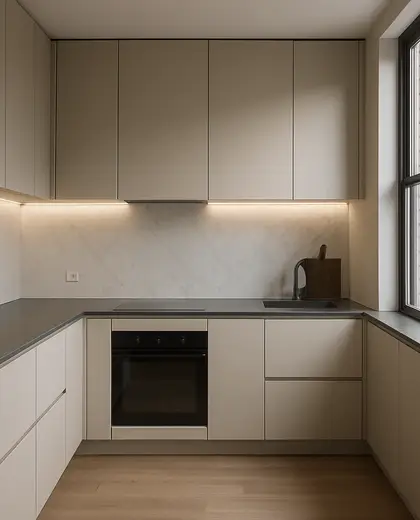
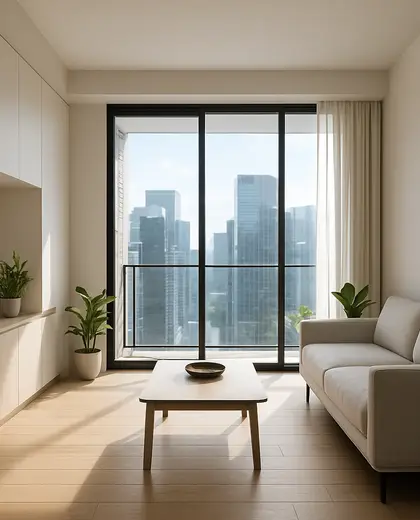
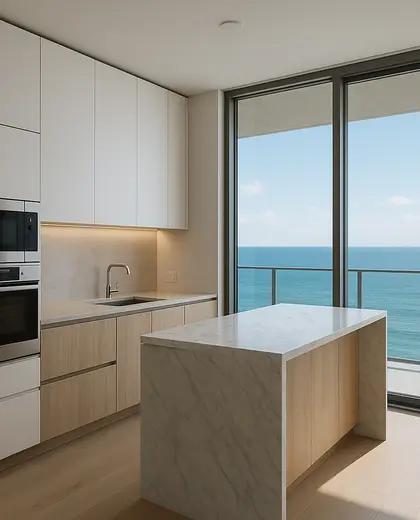
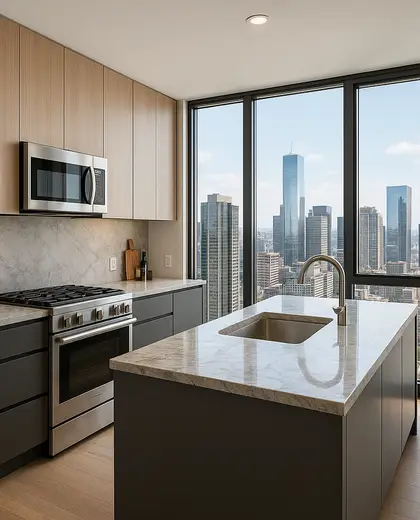
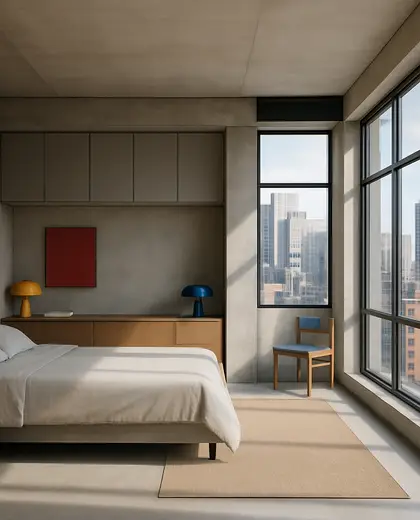
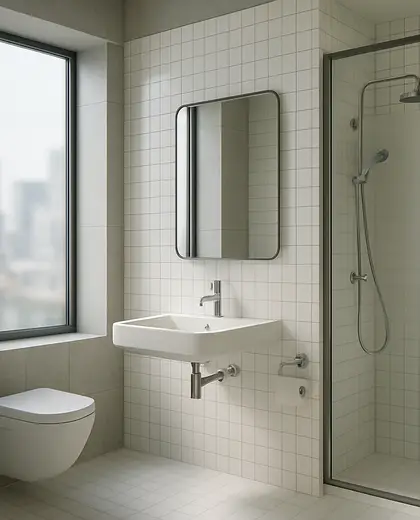
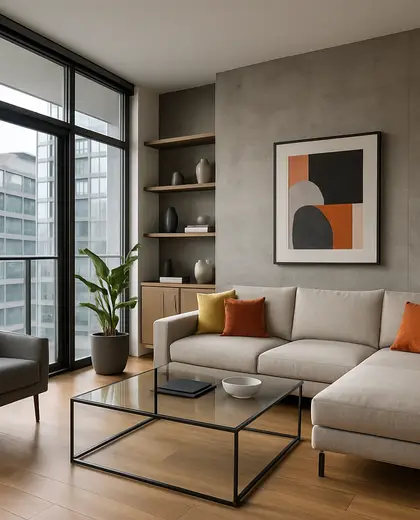
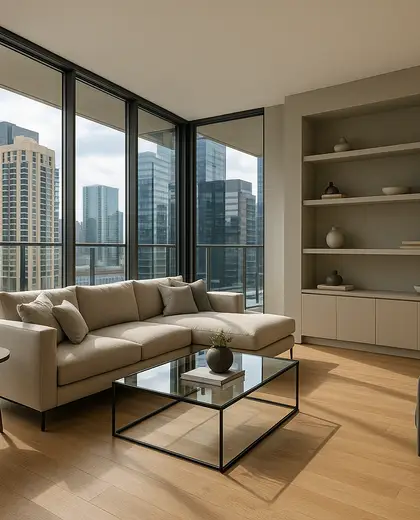
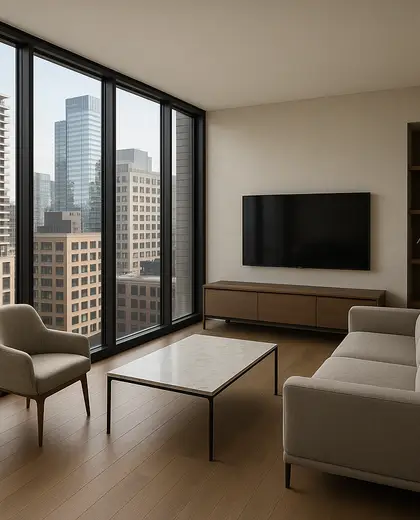
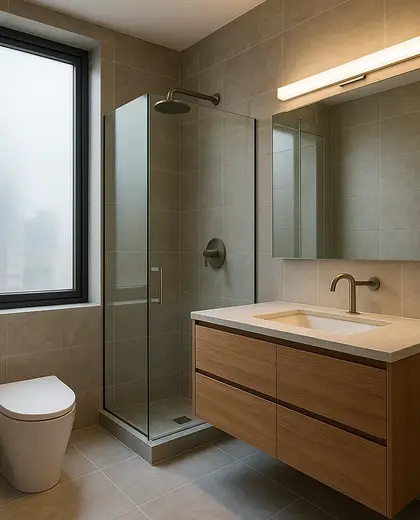
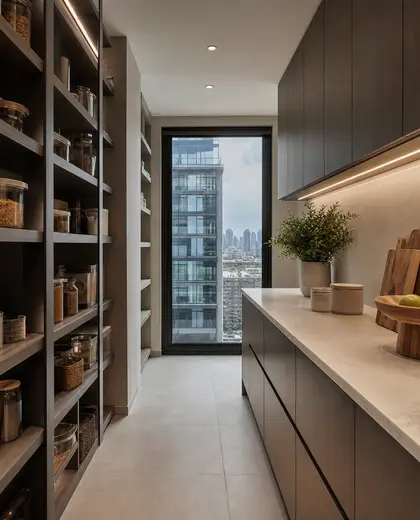
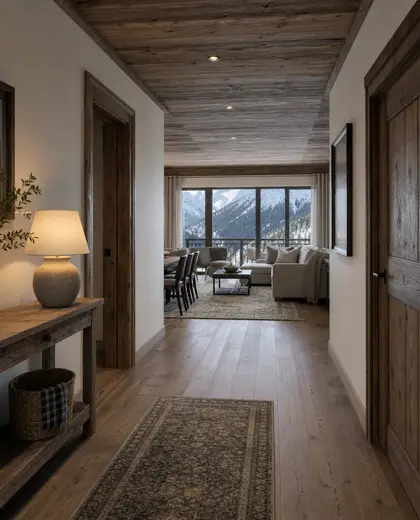
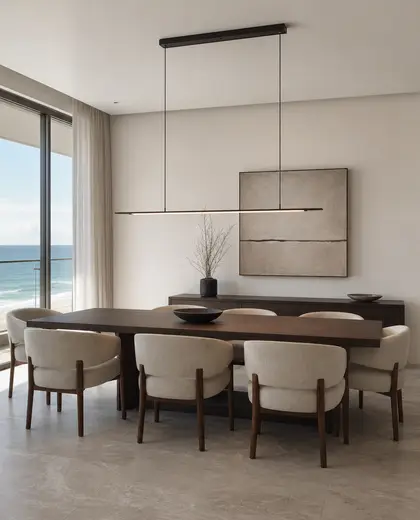
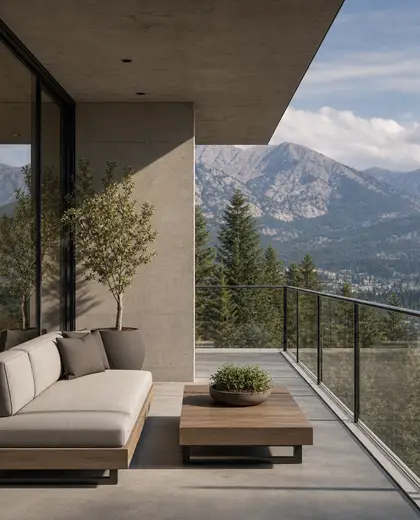
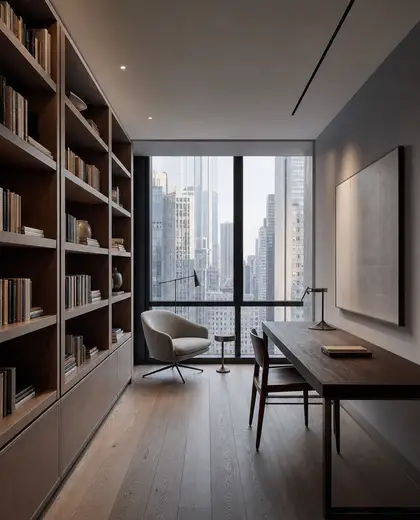
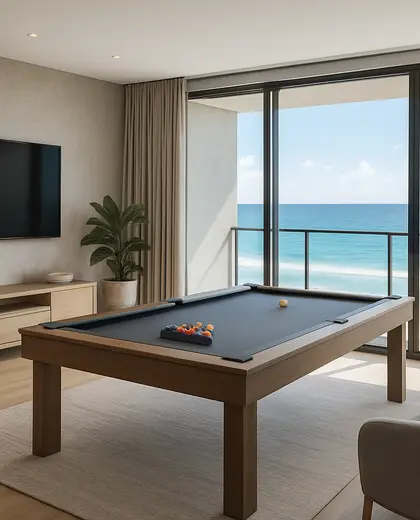
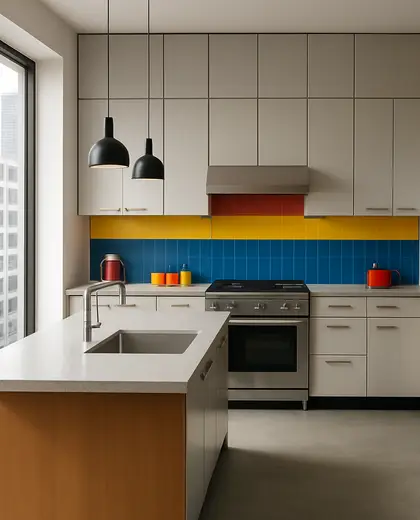
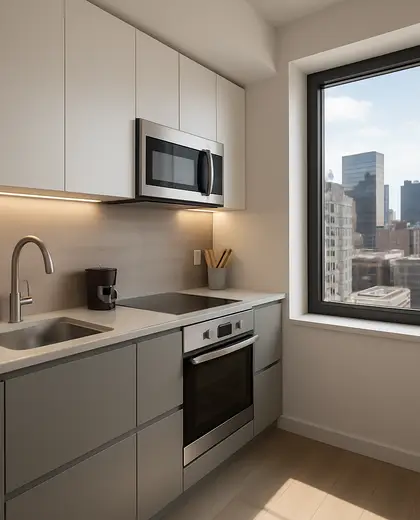
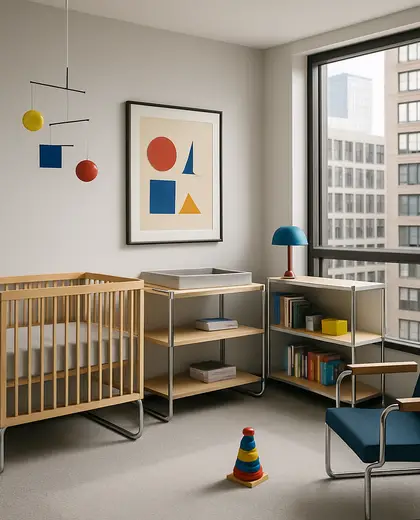
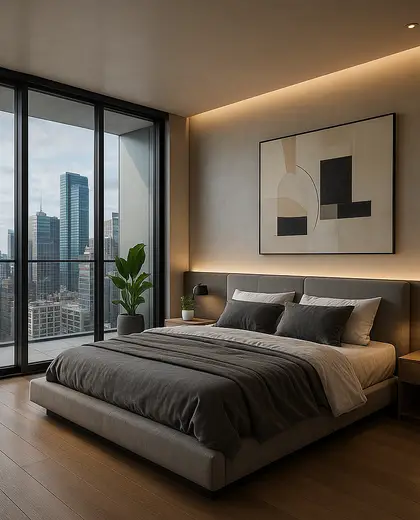
A condo composition is typically defined by compact, efficient planning with clean-lined finishes and built-in storage. It often uses durable materials such as engineered wood, porcelain, glass, lacquered cabinetry, and metal details. The palette is usually light and restrained, with whites, warm neutrals, soft grays, and occasional dark accents to keep the space open and cohesive.
- condo
— References
References to explore
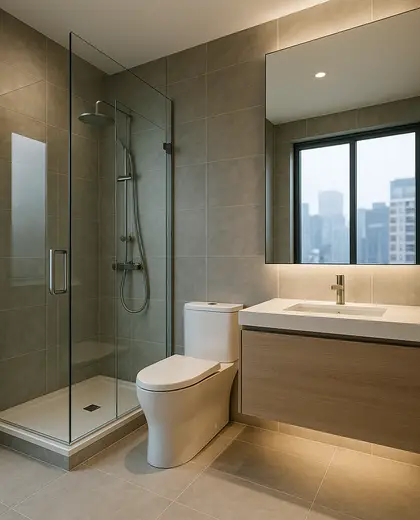
What makes a condo composition different from a house interior?
A condo composition usually has less floor area and more built-in constraints, so the layout, storage, and finishes are chosen to make the space feel open and efficient.
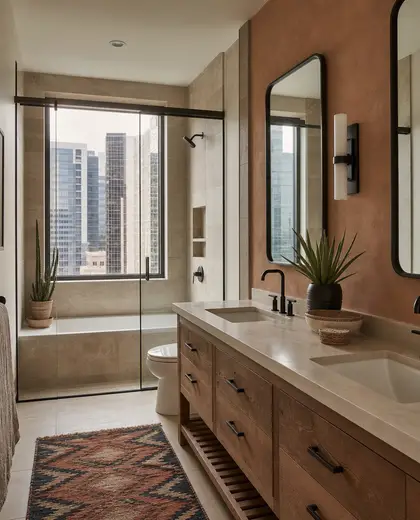
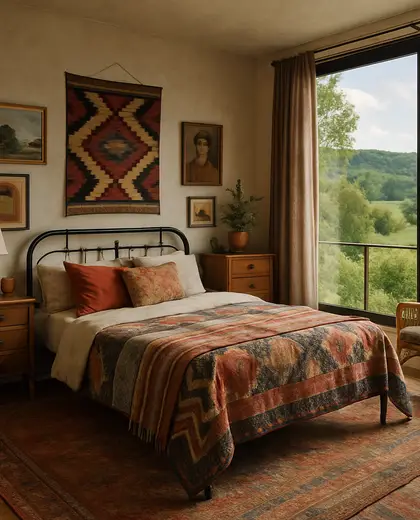
Can a condo composition still include warm materials?
Yes. Wood veneer, textured fabrics, and warm neutral paint can soften the harder surfaces often used in condos, as long as the palette stays controlled.
Does this style work in small condos?
Yes. It is especially suited to small units because it favors simple forms, reflective surfaces, and storage that reduces visual clutter.
— The style
What defines it
Engineered wood, porcelain tile, glass, matte lacquer, quartz, and slim metal trims are common because they wear well in smaller, high-use spaces.
White, beige, taupe, pale gray, and black accents are typical, often paired with natural wood tones to add warmth without visual clutter.
Condo interiors pair well with integrated storage, space-saving furniture, open-plan kitchen and living areas, and simple lighting layers.
— Professionals
Who has already built it
- pavit ceramics pvt ltdceramic manufacturers · Ahmedabad · 2 projectsView profile →
- nikitha kumananinterior designers · 6 projectsView profile →
- urban arch studioarchitects · 19 projectsView profile →
- Bristolfurniture sellers · Bangalore · 6 projectsView profile →
— Questions
Frequently asked questions
What makes a condo composition different from a house interior?
A condo composition usually has less floor area and more built-in constraints, so the layout, storage, and finishes are chosen to make the space feel open and efficient.
Can a condo composition still include warm materials?
Yes. Wood veneer, textured fabrics, and warm neutral paint can soften the harder surfaces often used in condos, as long as the palette stays controlled.
Does this style work in small condos?
Yes. It is especially suited to small units because it favors simple forms, reflective surfaces, and storage that reduces visual clutter.