— Ideas & inspiration
Colonial
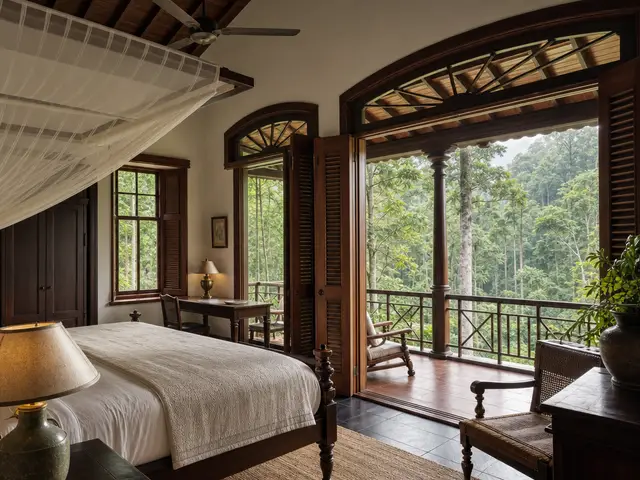
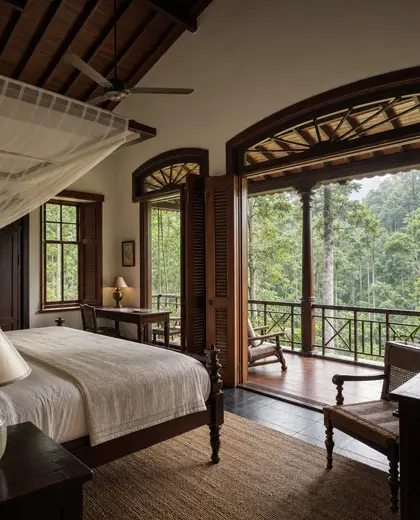
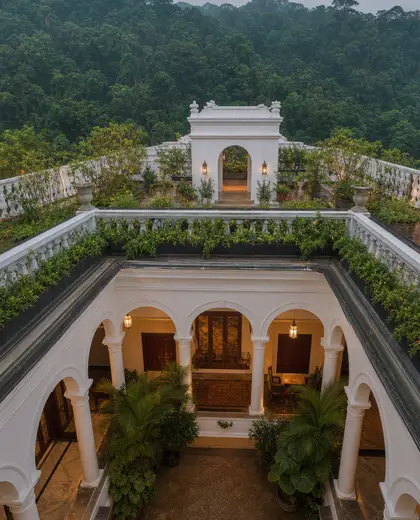
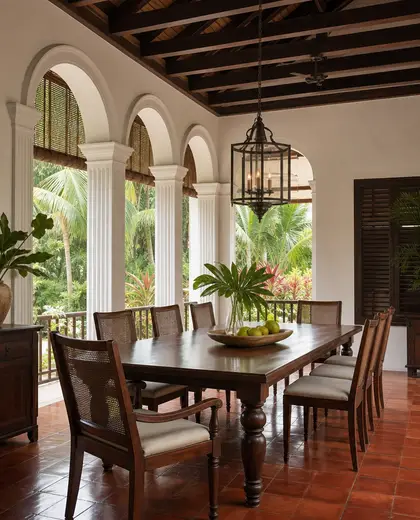
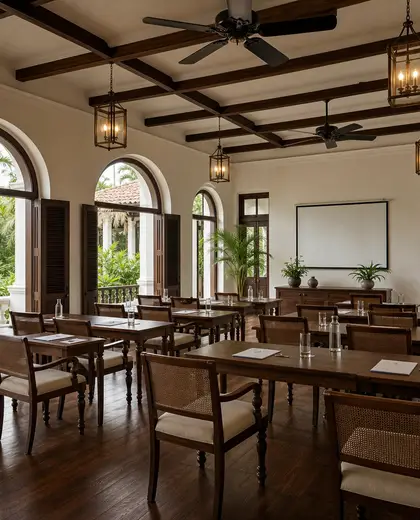
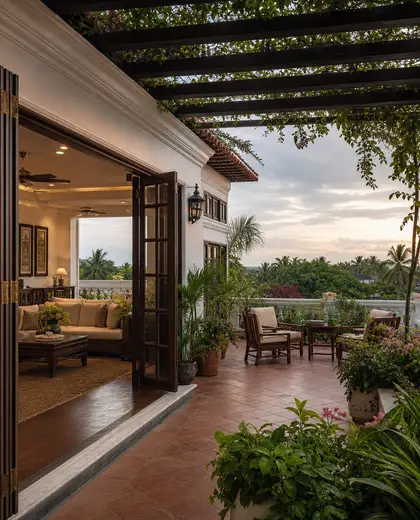
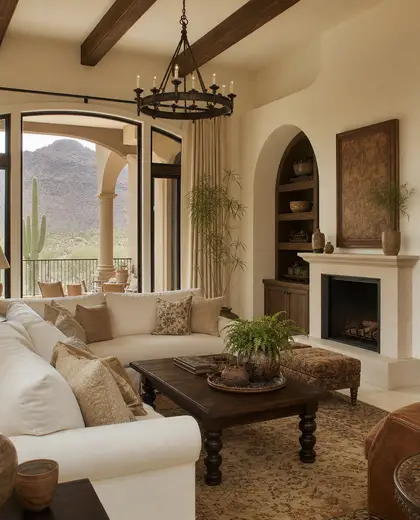
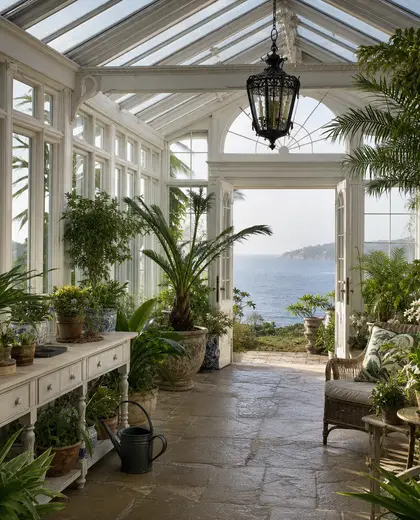
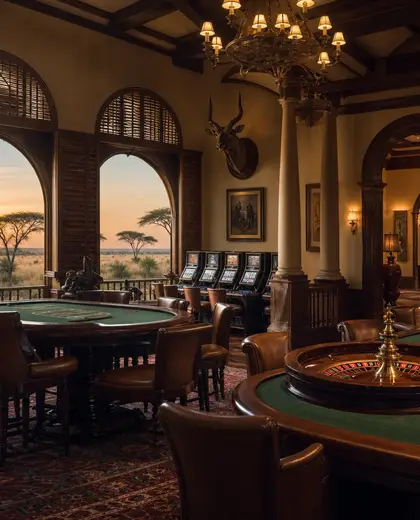
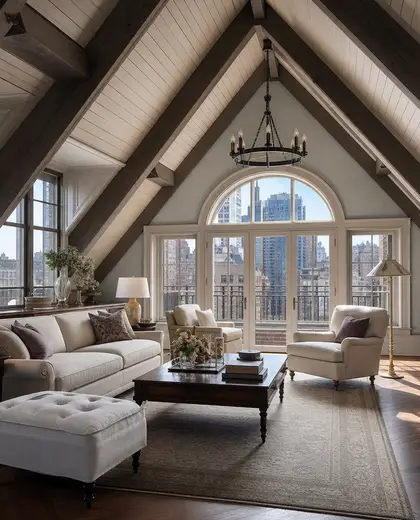
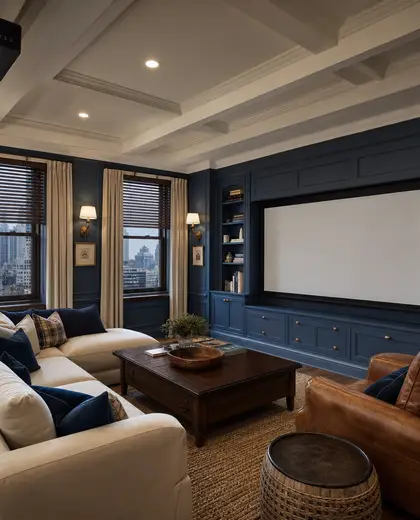
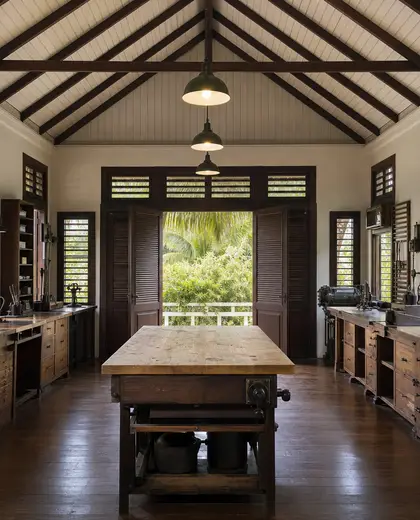
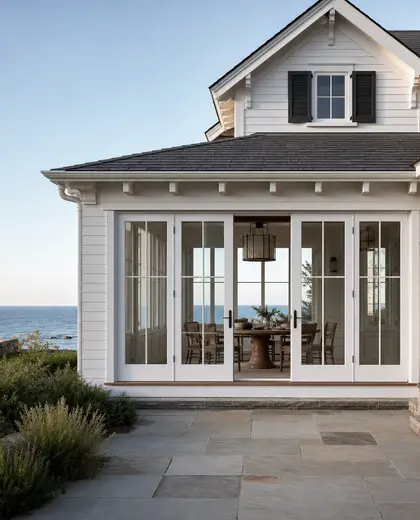
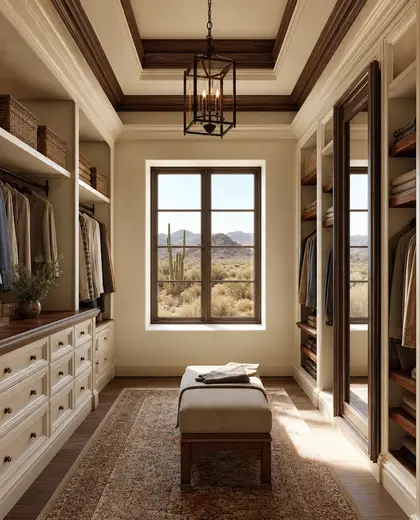
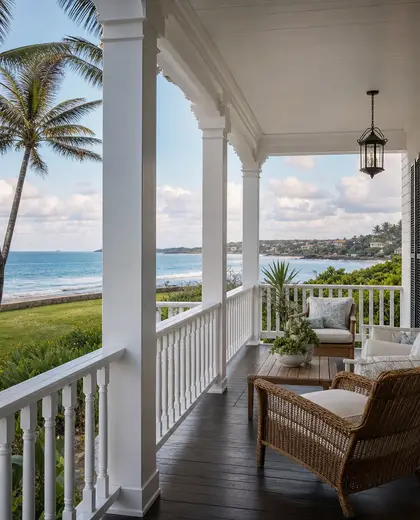
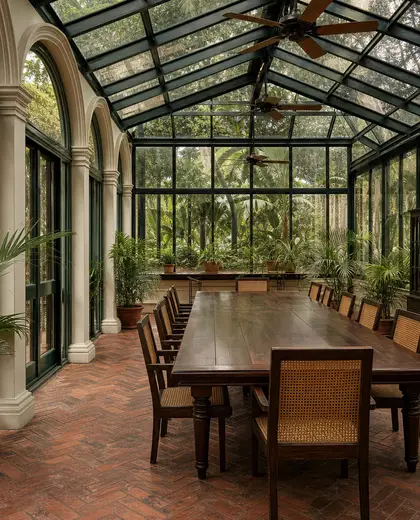
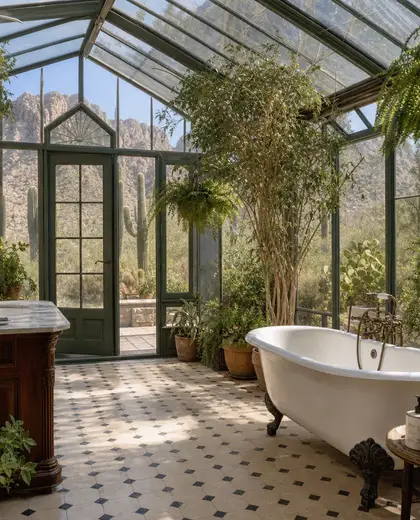
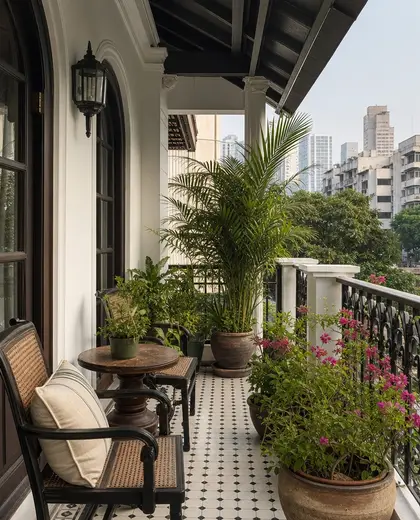
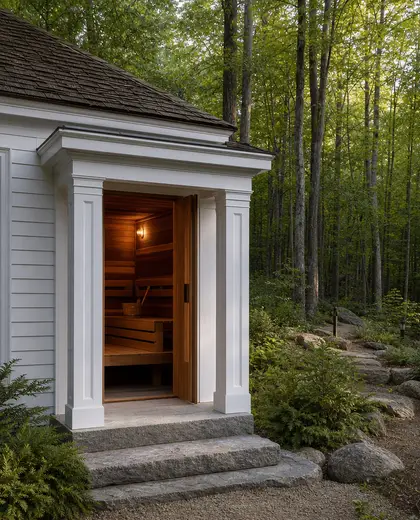
Colonial composition is defined by symmetrical layouts, paneled woodwork, shuttered windows, and trim details drawn from historic European-influenced homes. It typically uses natural wood, painted millwork, brick, stone, and plaster, with a restrained, formal finish. The palette is usually warm and classic: whites, creams, deep greens, navy, muted reds, and natural wood tones.
- colonial
— References
References to explore
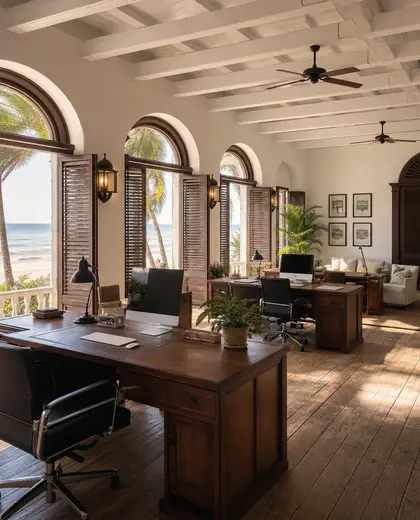
What makes a room feel colonial rather than simply traditional?
Colonial design usually has stronger symmetry, more formal trim, paneled details, and a clear reference to historic architectural patterns.
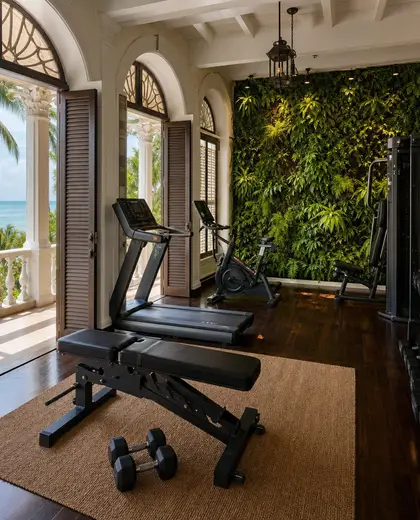
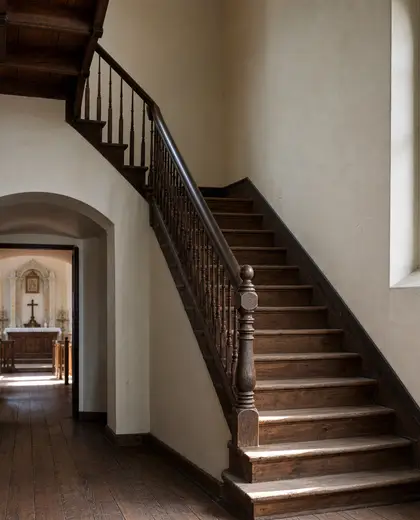
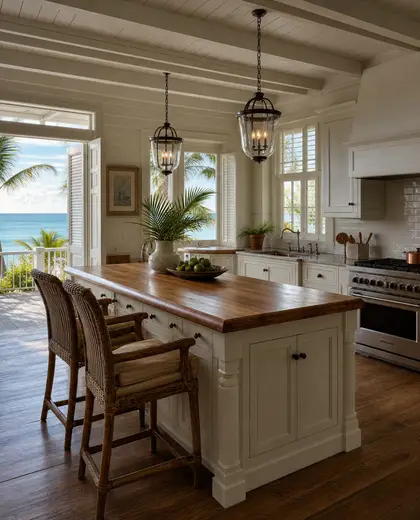
Can colonial interiors work in a modern home?
Yes. They can be adapted with simplified millwork, lighter colors, and fewer decorative layers while keeping the balanced, classic structure.
What finishes should I choose for a colonial look?
Choose painted wood trim, matte or satin wall finishes, natural wood furniture, and materials that look substantial rather than overly glossy.


— The style
What defines it
Painted wood, hardwood flooring, brick, stone, plaster, and traditional millwork are the most common materials.
Cream, white, beige, navy, forest green, muted red, and dark wood stains create the usual look.
Colonial pairs well with traditional, farmhouse, transitional, and heritage-inspired interiors.
— Professionals
Who has already built it
- fenixinterior designers · 6 projectsView profile →
- wanderlust architectsarchitects · Jaipur · 8 projectsView profile →
- Bristolfurniture sellers · Bangalore · 6 projectsView profile →
- FurnitureRootsfurniture makers · Jodhpur · 6 projectsView profile →
— Questions
Frequently asked questions
What makes a room feel colonial rather than simply traditional?
Colonial design usually has stronger symmetry, more formal trim, paneled details, and a clear reference to historic architectural patterns.
Can colonial interiors work in a modern home?
Yes. They can be adapted with simplified millwork, lighter colors, and fewer decorative layers while keeping the balanced, classic structure.
What finishes should I choose for a colonial look?
Choose painted wood trim, matte or satin wall finishes, natural wood furniture, and materials that look substantial rather than overly glossy.