— Ideas & inspiration
Beach
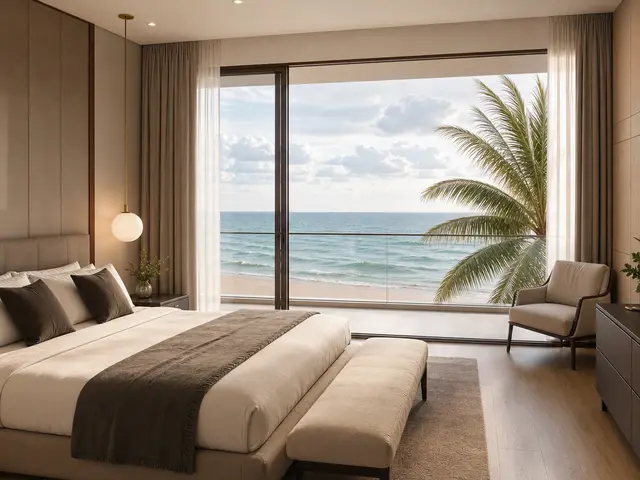
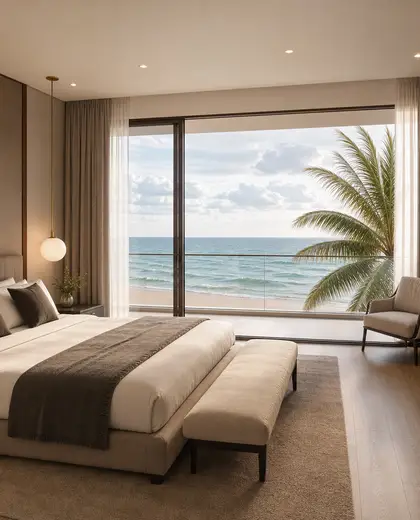
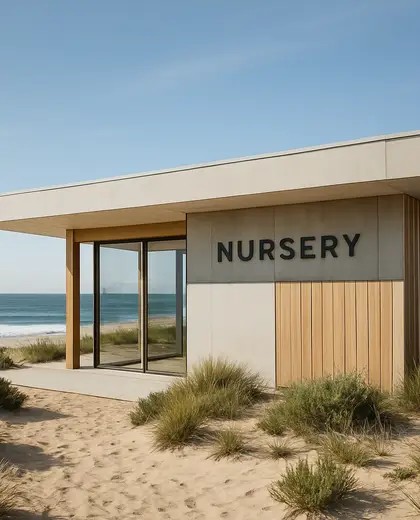
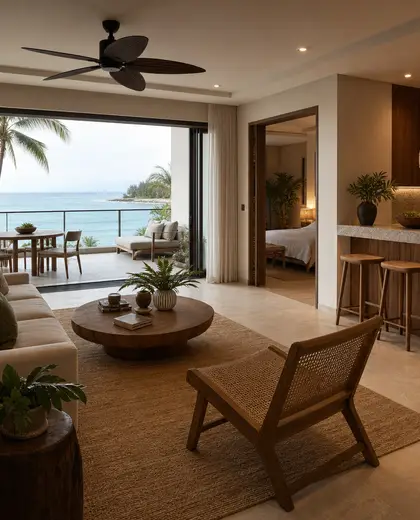
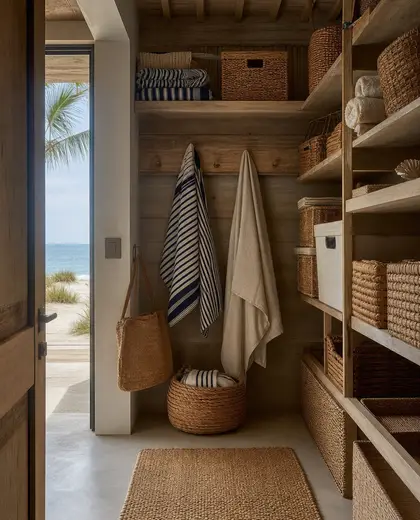
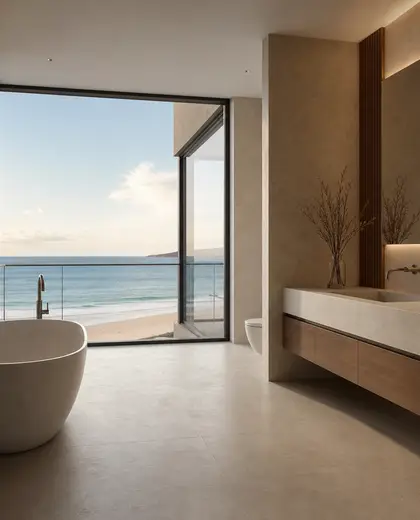
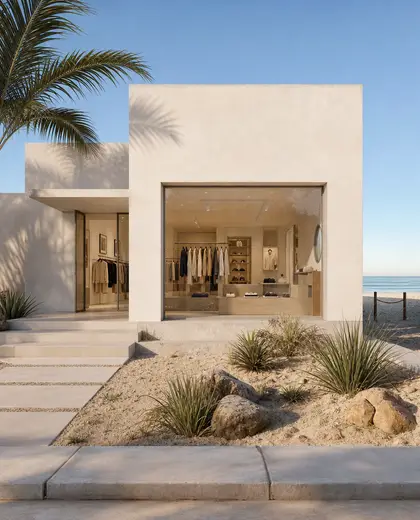
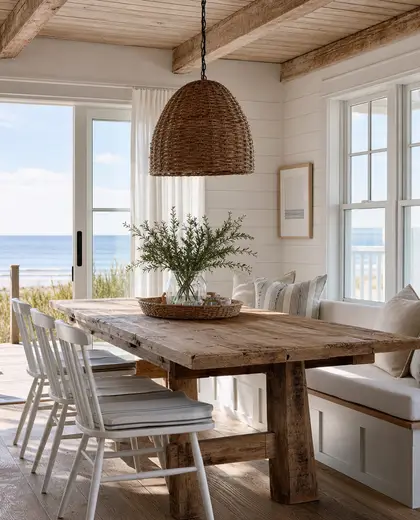
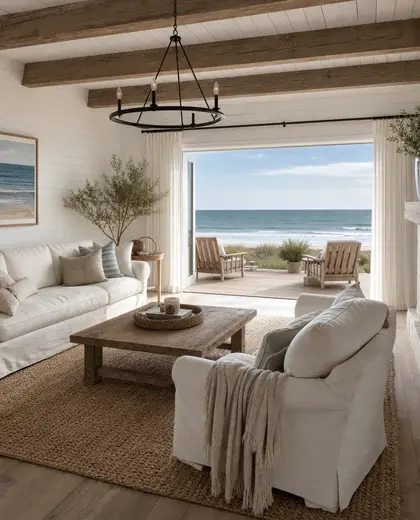
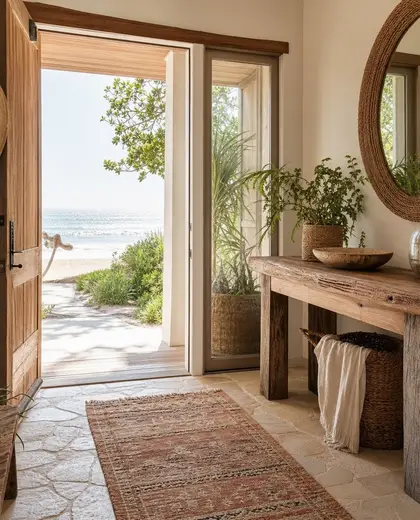
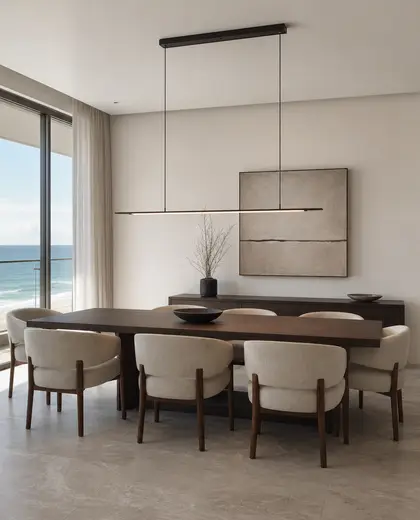
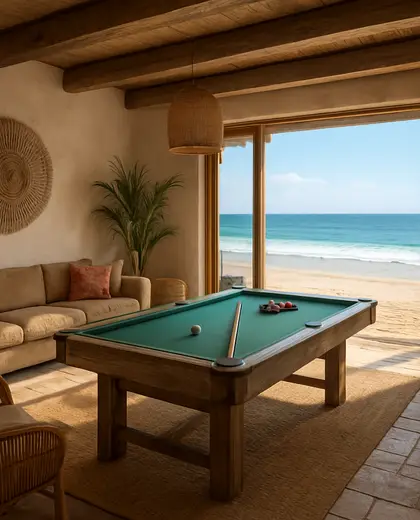
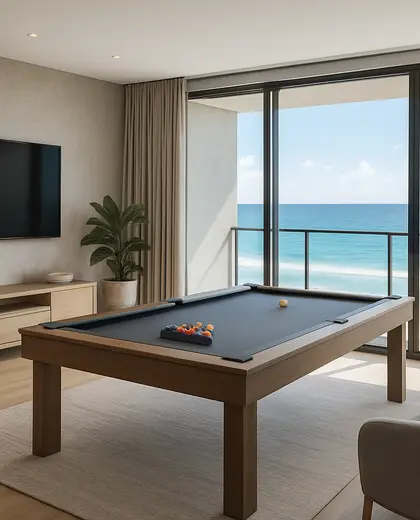
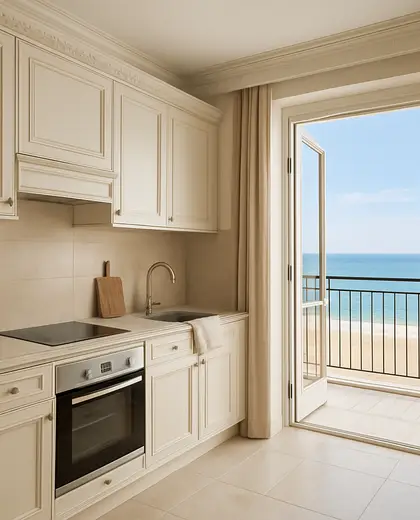
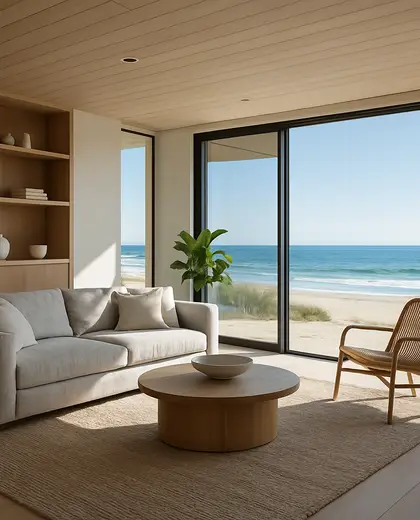
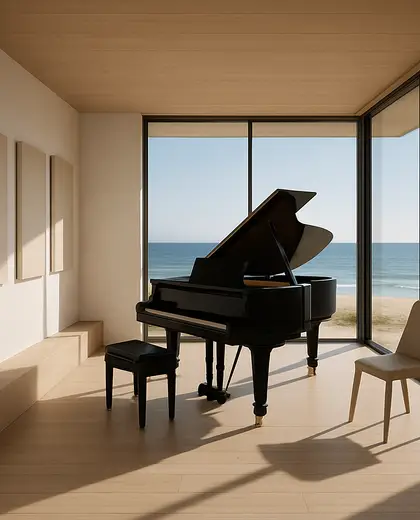
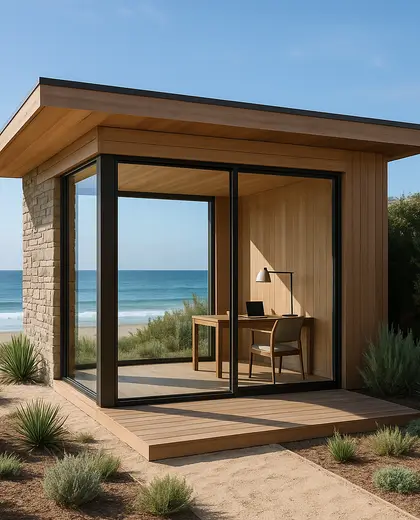
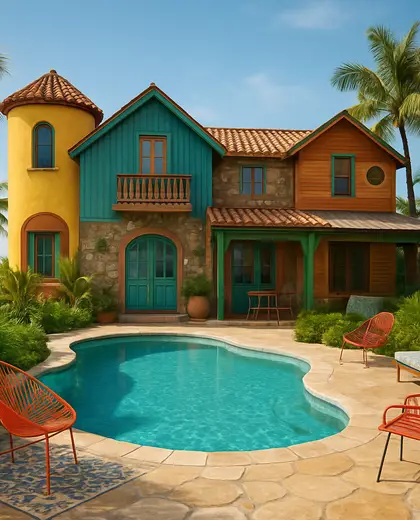
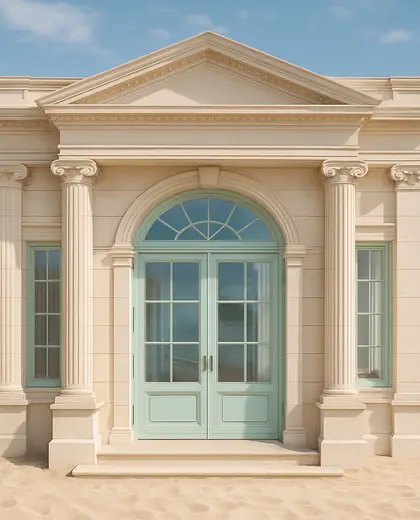
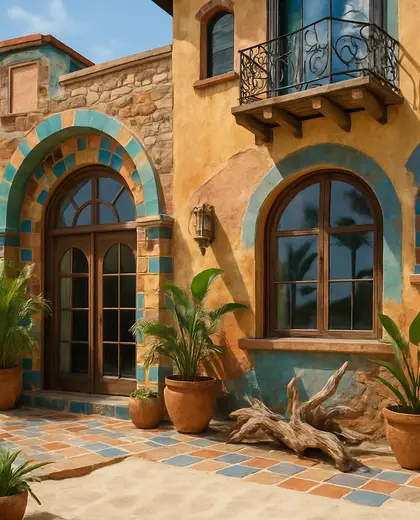
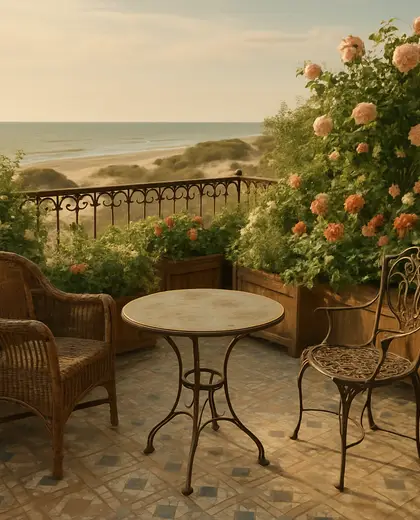
Beach composition is defined by light, weather-tolerant materials and a relaxed, open layout that responds to sun, wind, and views. Common elements include timber, white plaster, natural stone, linen, and glass, often paired with shaded terraces, wide openings, and indoor-outdoor transitions. The palette stays airy and coastal, with sand, white, pale blue, sea green, and driftwood tones.
- beach
— References
References to explore
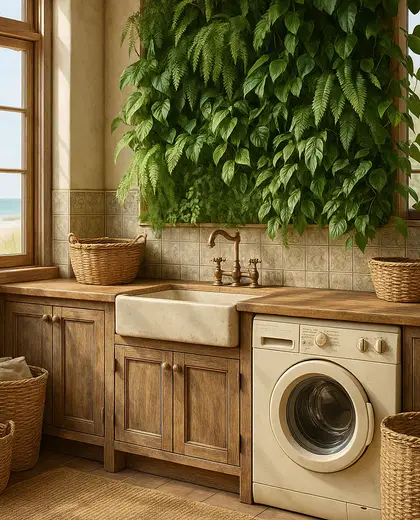
Is a beach interior always nautical?
No. A beach composition can be subtle and natural, using coastal lightness without obvious maritime motifs or themed decor.
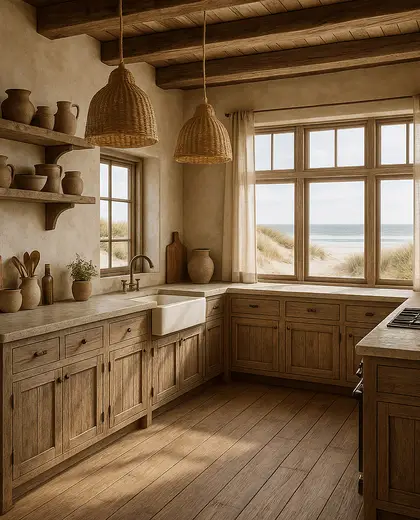
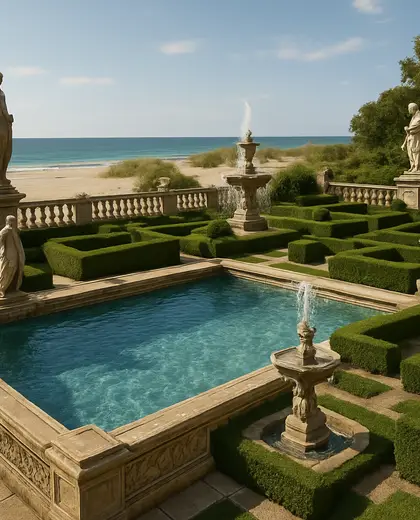
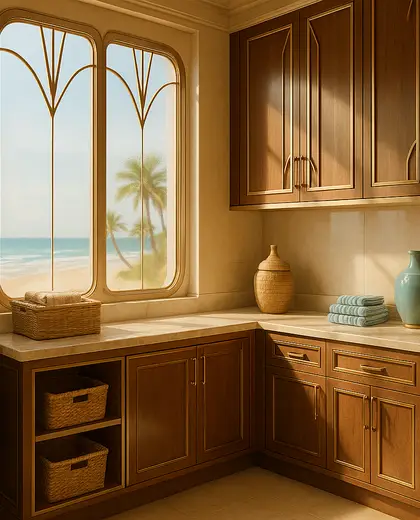
What flooring works best in a beach-style home?
Materials that handle sand and humidity well are common, such as stone, engineered wood, sealed concrete, or tile, depending on the setting.
Can beach style work away from the coast?
Yes. It can be adapted inland by focusing on light colors, natural textures, and open, breezy spaces rather than literal seaside references.
— The style
What defines it
Timber, white render or plaster, stone, rattan, linen, and glass are common, often chosen for a casual, durable finish.
Soft whites, sand, beige, pale blue, muted green, and weathered wood tones create the coastal feel.
It works well with open-plan living, covered terraces, large sliding doors, and simple detailing that keeps the interior bright and breezy.
— Professionals
Who has already built it
- fenixinterior designers · 6 projectsView profile →
- wanderlust architectsarchitects · Jaipur · 8 projectsView profile →
- Bristolfurniture sellers · Bangalore · 6 projectsView profile →
- FurnitureRootsfurniture makers · Jodhpur · 6 projectsView profile →
— Questions
Frequently asked questions
Is a beach interior always nautical?
No. A beach composition can be subtle and natural, using coastal lightness without obvious maritime motifs or themed decor.
What flooring works best in a beach-style home?
Materials that handle sand and humidity well are common, such as stone, engineered wood, sealed concrete, or tile, depending on the setting.
Can beach style work away from the coast?
Yes. It can be adapted inland by focusing on light colors, natural textures, and open, breezy spaces rather than literal seaside references.