— Ideas & inspiration
Neoclassical home interiors with timeless symmetry
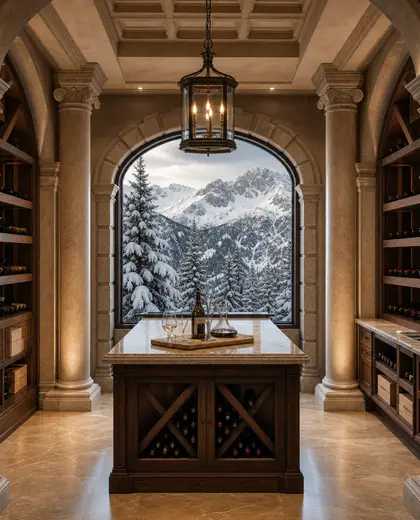
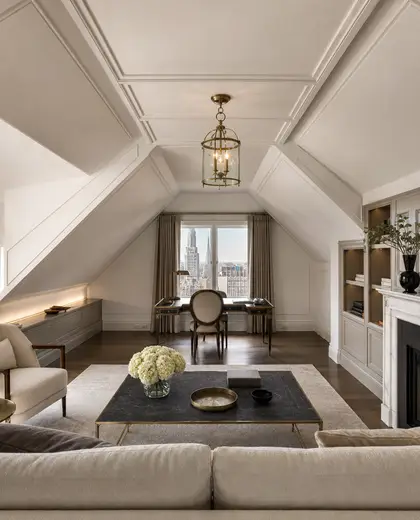
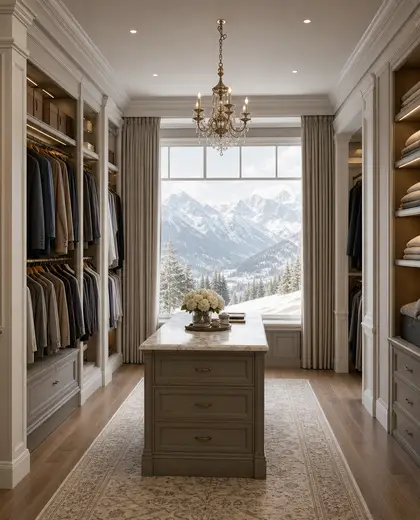
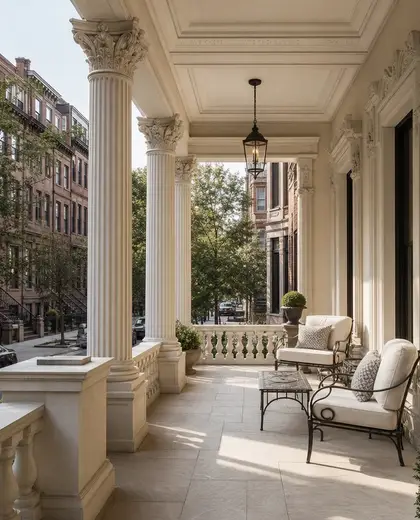
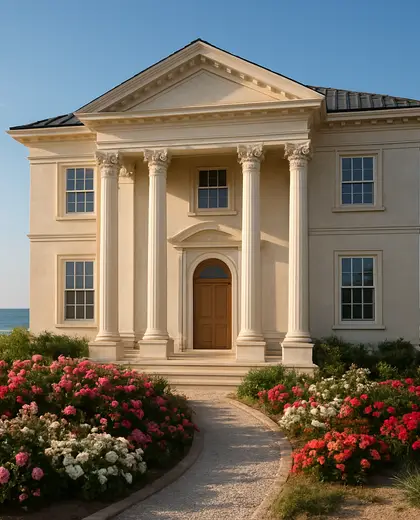
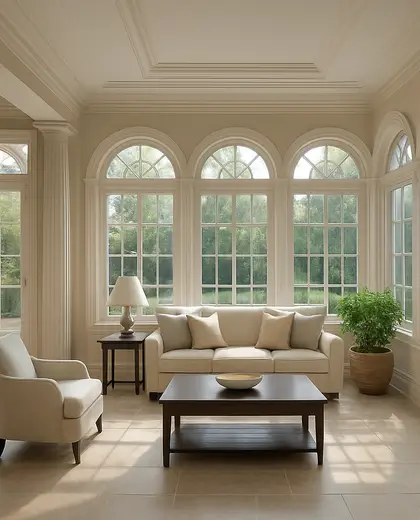
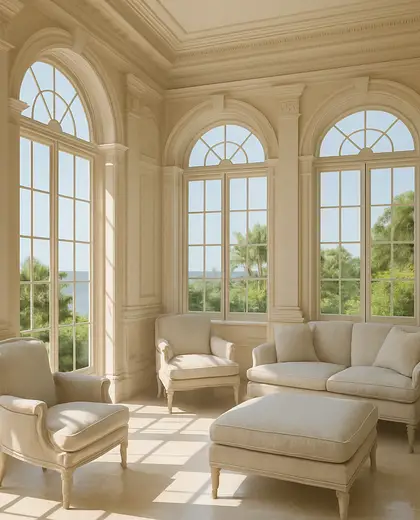
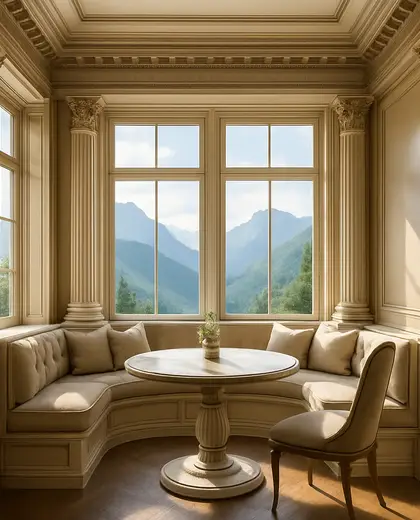
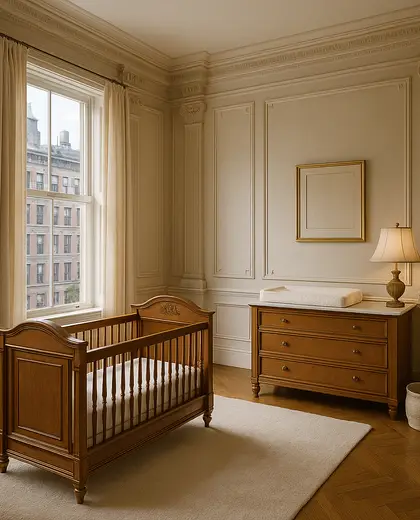
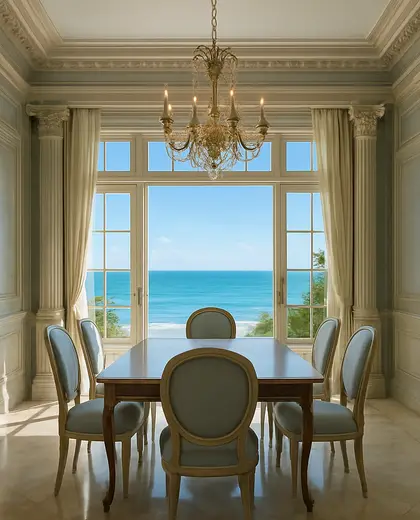
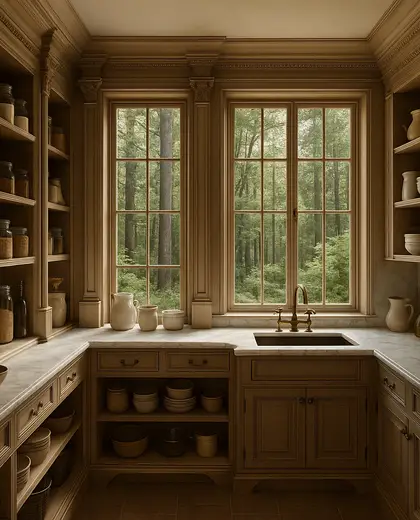
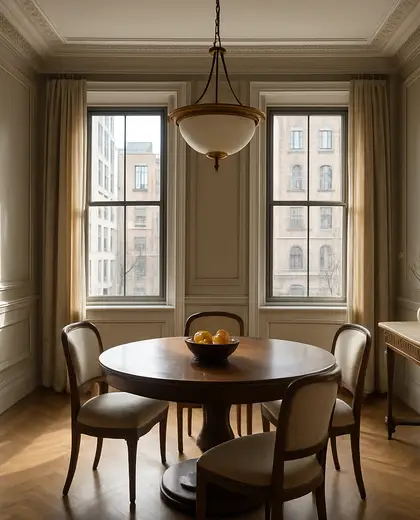
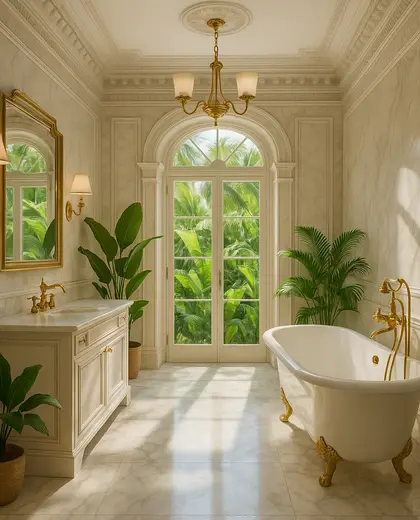
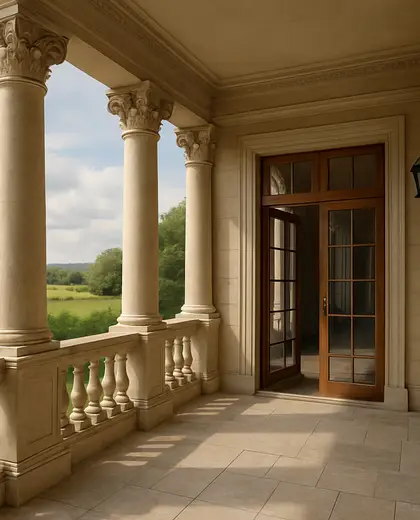
This composition pairs the proportions and symmetry of neoclassical design with the comfort of a home setting. It typically uses painted woodwork, plaster moldings, stone or marble details, and tailored upholstery to create a formal but livable interior. The look is defined by balanced layouts, paneled walls, pilasters, cornices, and classical trim rather than heavy ornament.
- home
- neoclassical

— References
References to explore
Does neoclassical style work in an everyday home, or is it too formal?
It works well in a home when the detailing is kept restrained and the furnishings stay comfortable. The symmetry and trim give it structure, while softer fabrics and practical layouts keep it livable.


What finishes are most typical for a neoclassical home interior?
Common finishes include painted walls, wall panels, polished stone, wood flooring, and plaster ceiling details. Metals are usually subtle, with brass, bronze, or darkened hardware used sparingly.



How do I keep a neoclassical room from feeling heavy?
Use a light palette, slimmer moldings, and fewer oversized decorative elements. Mix classical architecture with simpler furniture and plenty of open wall space so the room feels refined rather than crowded.

— The style
What defines it
Painted timber, plaster moldings, stone or marble surfaces, brass or bronze accents, and upholstered seating.
Soft whites, warm creams, pale gray, muted beige, and occasional deep navy or charcoal accents.
Residential layouts, everyday comfort, and restrained classical detailing such as arches, wall panels, and decorative cornices.
— Professionals
Who has already built it




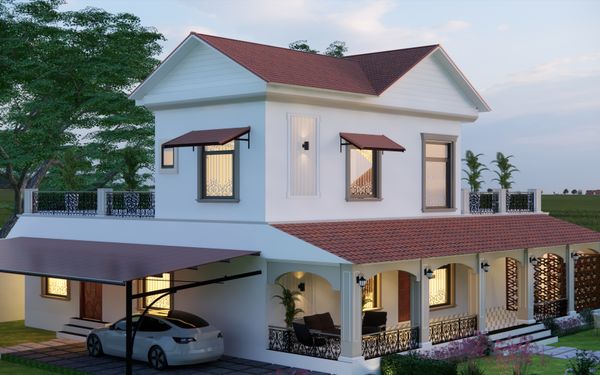

- origin architectsarchitects · 1 projectsView profile →
- mawar electrical serviceselectricians · Bengaluru · 1 projectsView profile →
- the achievers archsmart home professionals · Delhi · 1 projectsView profile →
- home interior decoratorscarpenters · Rampur · 3 projectsView profile →
— Questions
Frequently asked questions
Does neoclassical style work in an everyday home, or is it too formal?
It works well in a home when the detailing is kept restrained and the furnishings stay comfortable. The symmetry and trim give it structure, while softer fabrics and practical layouts keep it livable.
What finishes are most typical for a neoclassical home interior?
Common finishes include painted walls, wall panels, polished stone, wood flooring, and plaster ceiling details. Metals are usually subtle, with brass, bronze, or darkened hardware used sparingly.
How do I keep a neoclassical room from feeling heavy?
Use a light palette, slimmer moldings, and fewer oversized decorative elements. Mix classical architecture with simpler furniture and plenty of open wall space so the room feels refined rather than crowded.