15 September 2026
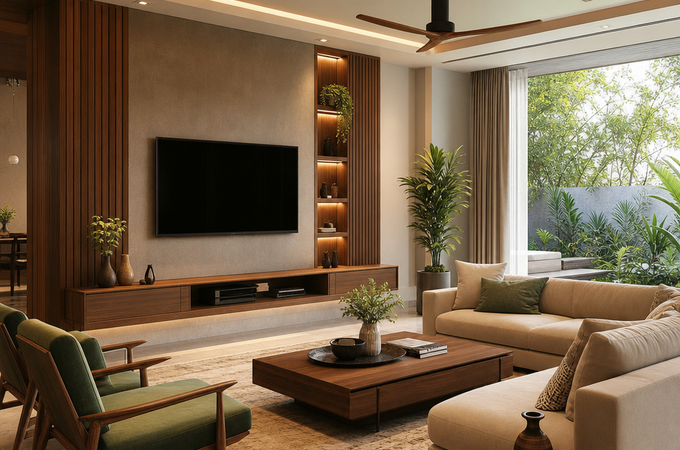
7 room mistakes that make a stylish home feel off
A practical mistakes-to-avoid guide for planning a room in a contemporary Indian home, with simple fixes that improve comfort, flow and finish.
— Blog
Everything we publish on the topic.
15 September 2026
A practical mistakes-to-avoid guide for planning a room in a contemporary Indian home, with simple fixes that improve comfort, flow and finish.

8 September 2026
A practical look at the latest open office trends in materials, colour, layout and tech, plus easy ways to update a workspace without a full renovation.
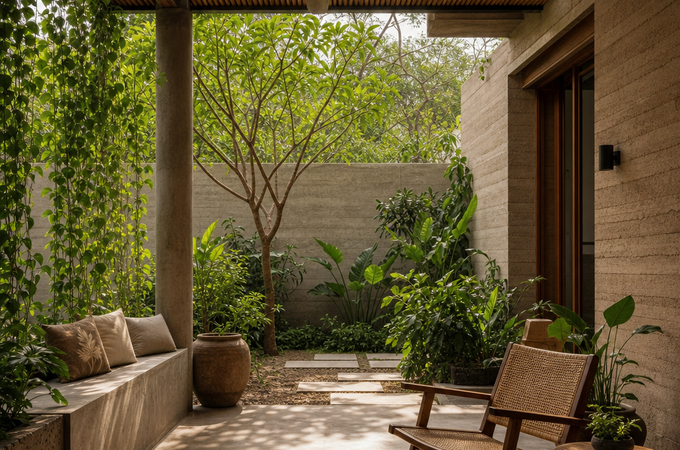
1 September 2026
Simple, India-friendly patio ideas to make your outdoor area cooler, cleaner and more usable through the year.
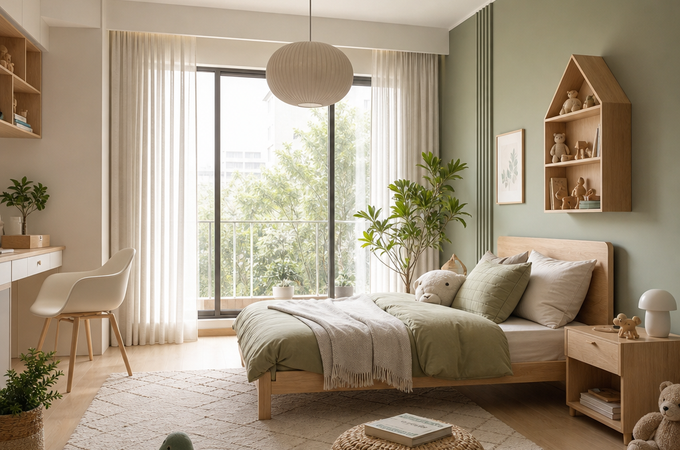
25 August 2026
Practical, child-friendly ideas to create a bright, flexible children’s bedroom that stays neat, safe and usable as your child grows.

18 August 2026
A practical guide to styling a contemporary atrium with clean lines, daylight-first planning, durable materials, and polished details that suit Indian homes.
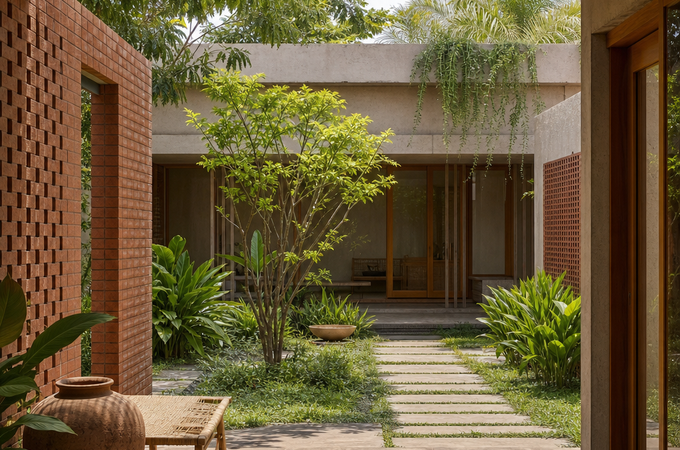
11 August 2026
Avoid the most common courtyard planning errors with practical, India-friendly tips for shade, drainage, paving, planting and low-maintenance comfort.
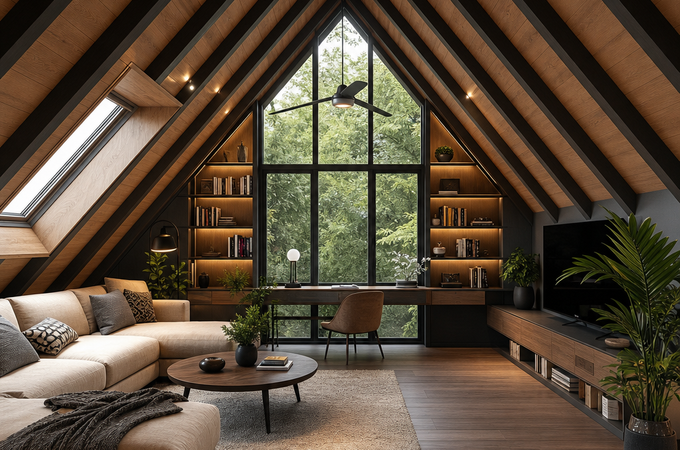
4 August 2026
A practical style guide to turning an attic into a clean, comfortable modern space with the right finishes, lighting and storage.

28 July 2026
Learn how to create a Japandi bathroom with warm natural materials, a soft neutral palette, uncluttered storage and thoughtful detailing suited to Indian homes.

22 July 2026
Practical bedroom styling tips for an uncluttered, restful space with Japandi balance, warm materials and everyday comfort.
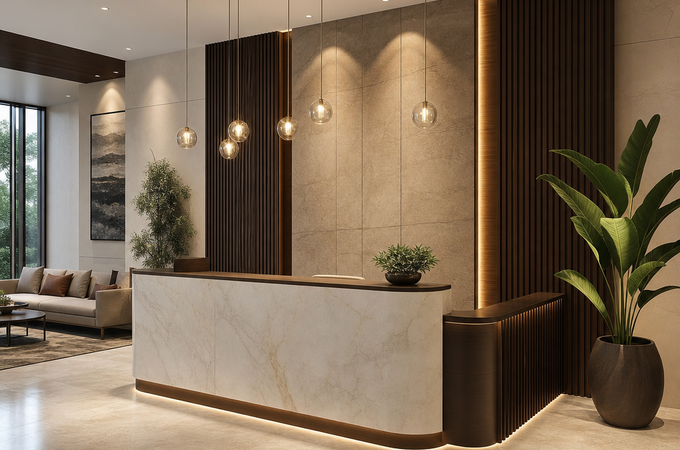
21 July 2026
A practical reception planning guide for Indian homes and commercial spaces, covering priorities, timelines, professional help, and the key decisions to lock before work begins.
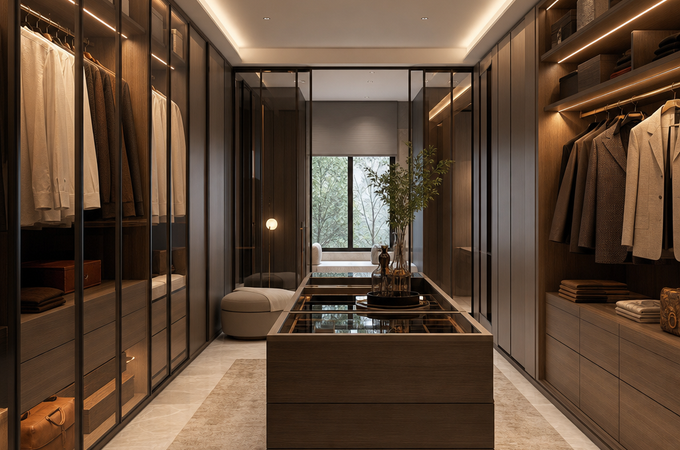
14 July 2026
A practical Indian budget guide for renovating a dressing room, with realistic cost ranges, smart places to spend, and the hidden expenses many homeowners miss.
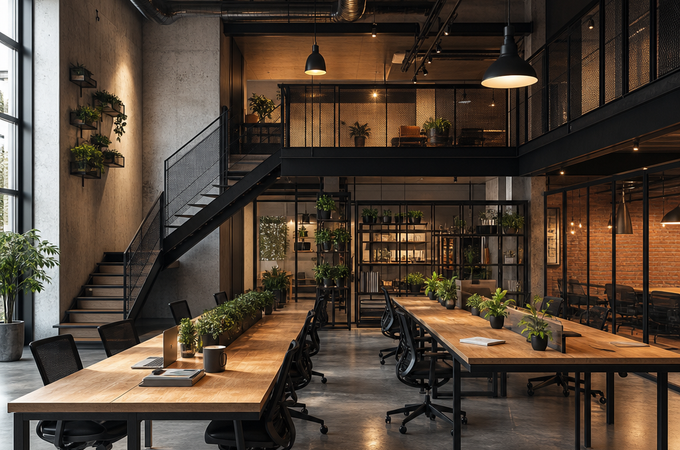
14 July 2026
A practical style guide to create an industrial coworking space with exposed finishes, durable materials, smart lighting and functional work zones that feel productive, urban and professional.