— Ideas & inspiration
Public spaces shaped by the beach
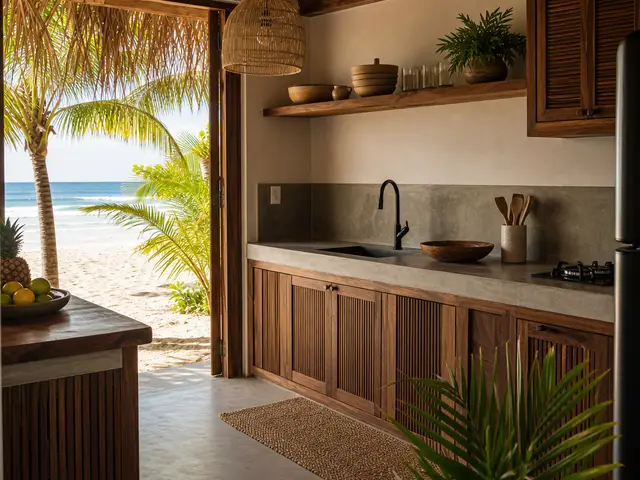
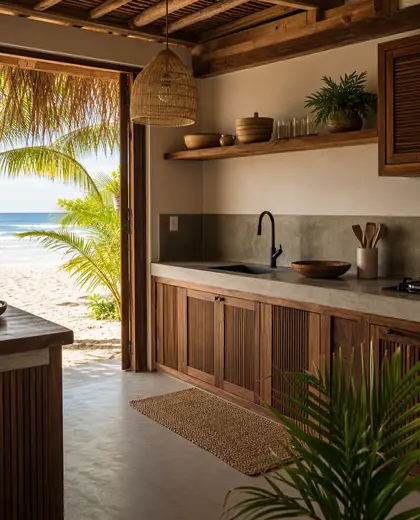
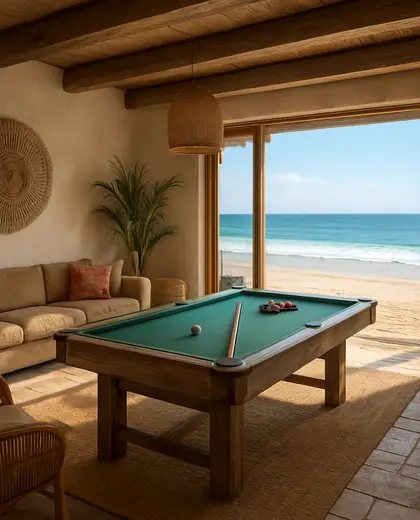
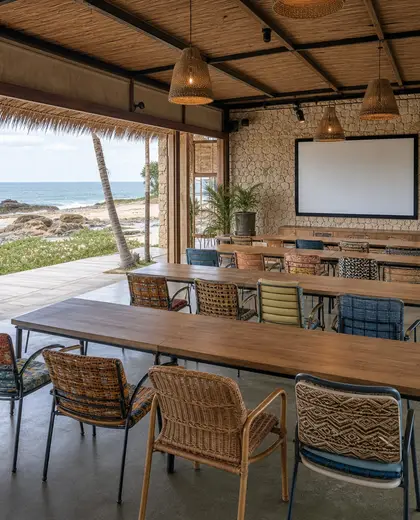
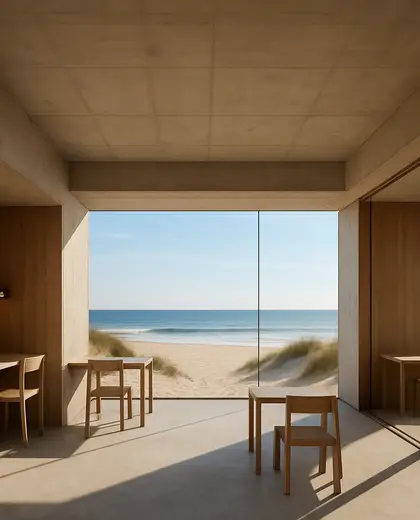
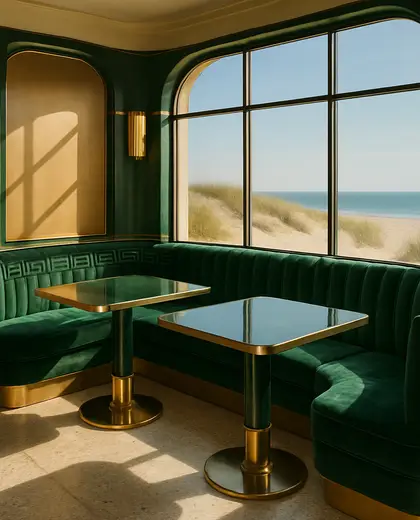
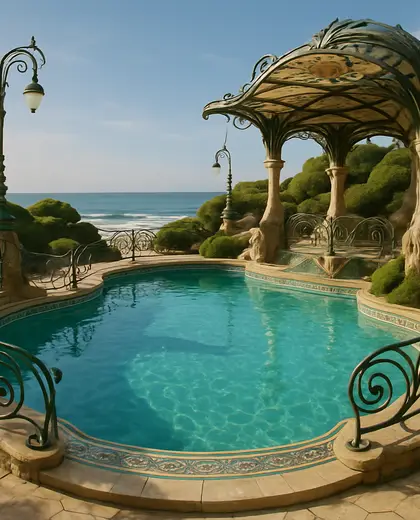
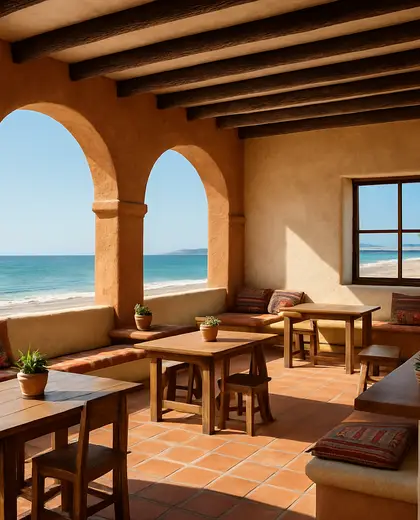
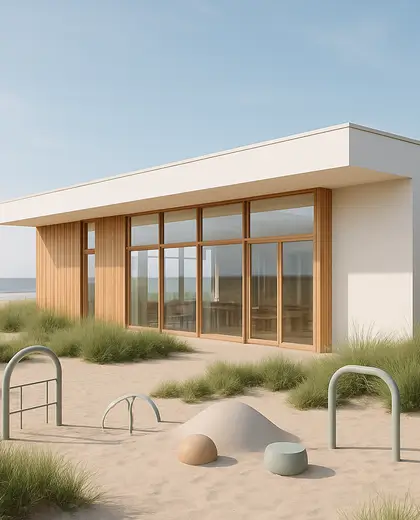
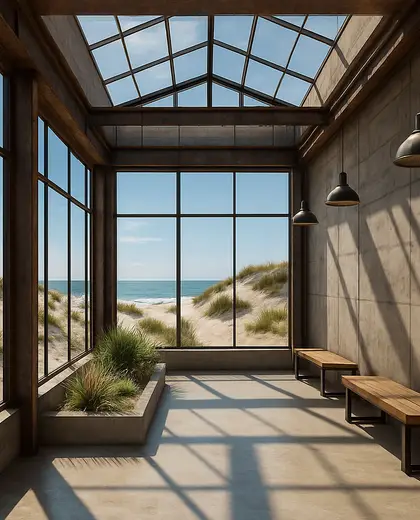
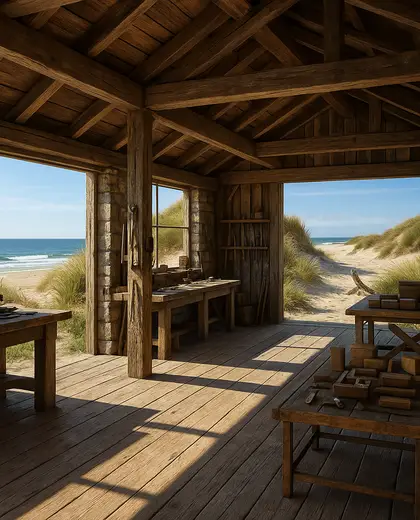
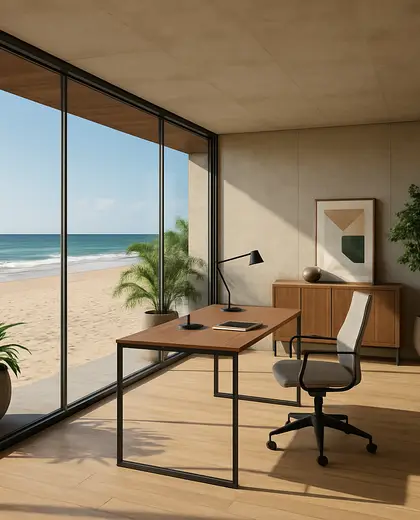
This composition is defined by durable, weather-resistant surfaces, open sightlines, and details that can handle sand, salt, and heavy use. Typical materials include concrete, timber, stone, galvanized or powder-coated metal, and slip-resistant paving. The palette usually stays light and natural, with sand, off-white, weathered grey, driftwood brown, and muted blue-green accents.
- public space
- beach
— References
References to explore
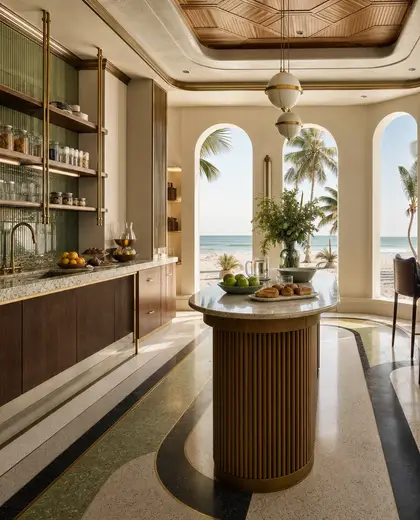
What makes a public space feel beach-inspired without looking themed?
Use simple forms, light colors, and durable materials that echo the coast rather than copying it literally. Subtle references like boardwalk timber, pale stone, and wide open circulation usually feel more authentic.
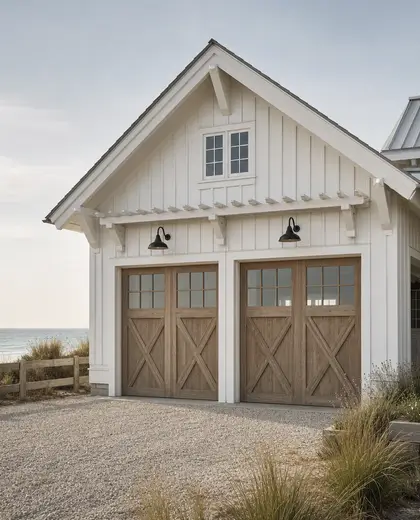
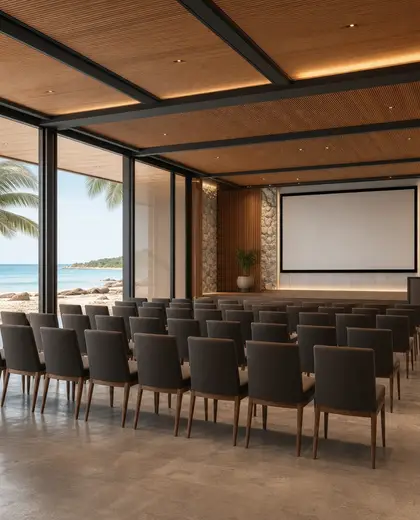
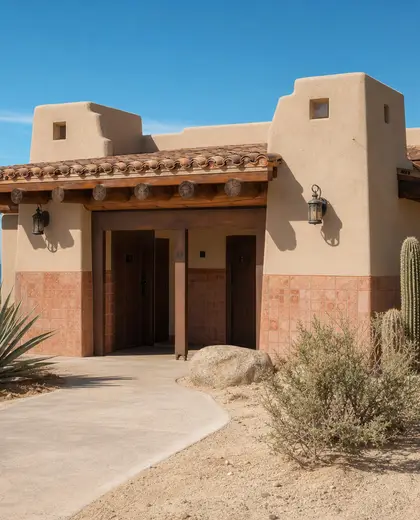
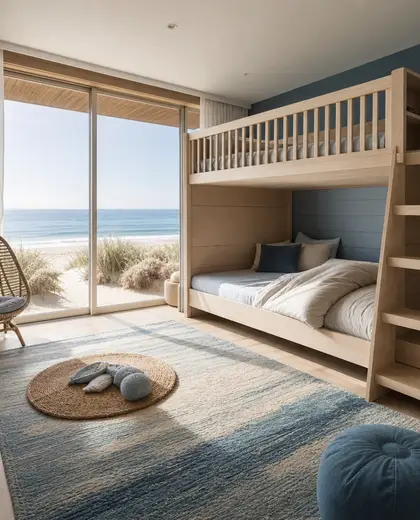
Which materials hold up best near the beach?
Materials that resist moisture, salt, and sun exposure work best, such as reinforced concrete, treated timber, stainless or coated metal, and textured stone or pavers with good slip resistance.
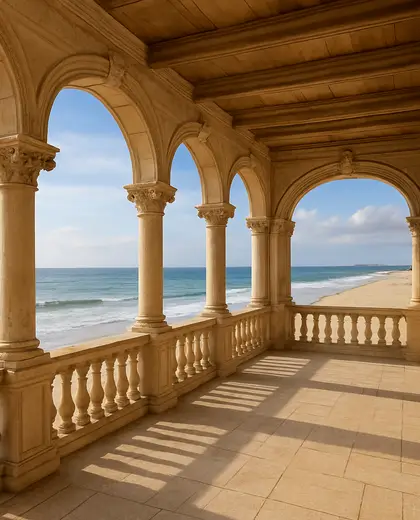
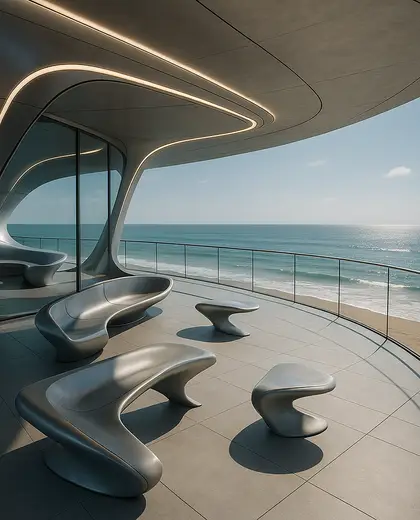
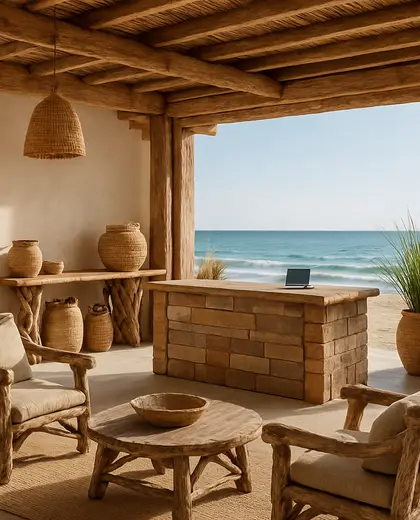
How do I keep a beachside public space practical for daily use?
Plan for shade, seating, drainage, easy-clean surfaces, and clear routes for walking and gathering. It also helps to choose finishes that age evenly and can be maintained without frequent replacement.
— The style
What defines it
Concrete, timber, stone, metal railings, and non-slip paving built for exposure and wear.
Sand, white, grey, driftwood brown, and soft coastal blues or greens.
Open plazas, promenades, seating edges, shading structures, and walkways close to the shoreline.
— Professionals
Who has already built it
- pavitar guptaarchitects · Ambala · 6 projectsView profile →
- swayam eppakayalainterior designers · Mumbai · 6 projectsView profile →
- pavit ceramics pvt ltdceramic manufacturers · Ahmedabad · 2 projectsView profile →
- Bristolfurniture sellers · Bangalore · 6 projectsView profile →
— Questions
Frequently asked questions
What makes a public space feel beach-inspired without looking themed?
Use simple forms, light colors, and durable materials that echo the coast rather than copying it literally. Subtle references like boardwalk timber, pale stone, and wide open circulation usually feel more authentic.
Which materials hold up best near the beach?
Materials that resist moisture, salt, and sun exposure work best, such as reinforced concrete, treated timber, stainless or coated metal, and textured stone or pavers with good slip resistance.
How do I keep a beachside public space practical for daily use?
Plan for shade, seating, drainage, easy-clean surfaces, and clear routes for walking and gathering. It also helps to choose finishes that age evenly and can be maintained without frequent replacement.