— Ideas & inspiration
Coastal public spaces shaped by wind, light and salt
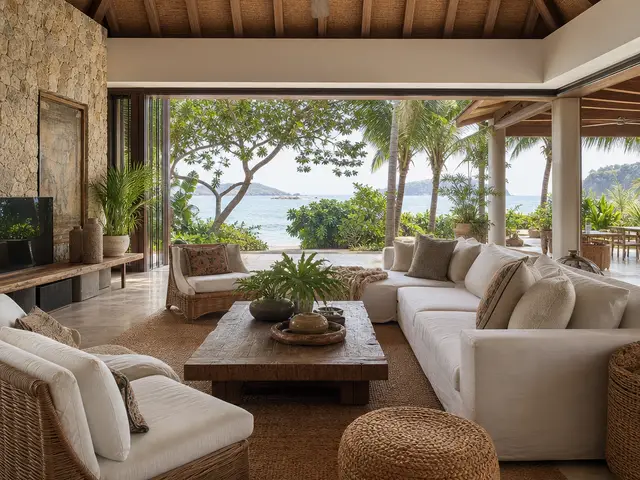
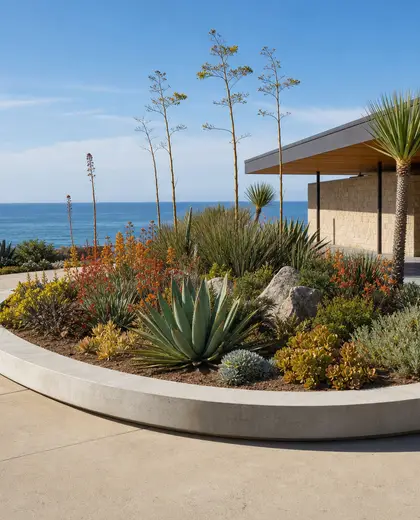
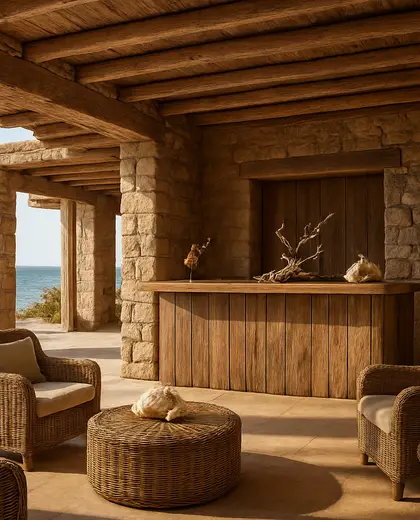
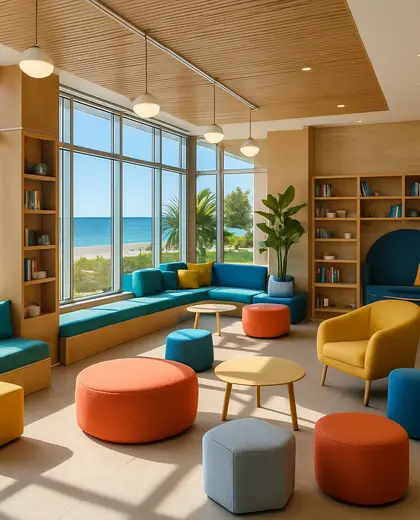
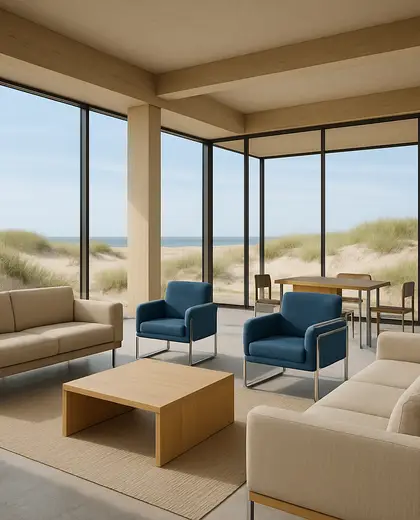
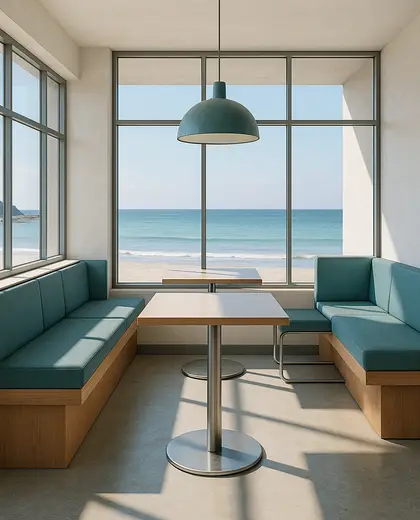
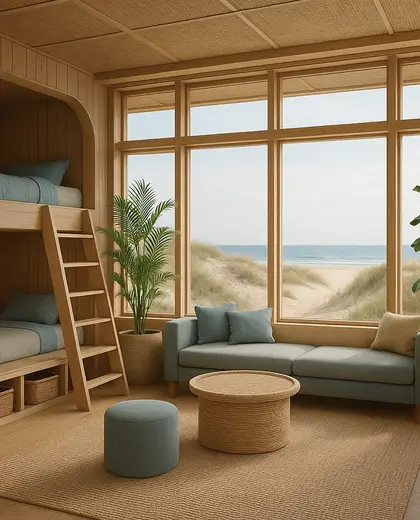
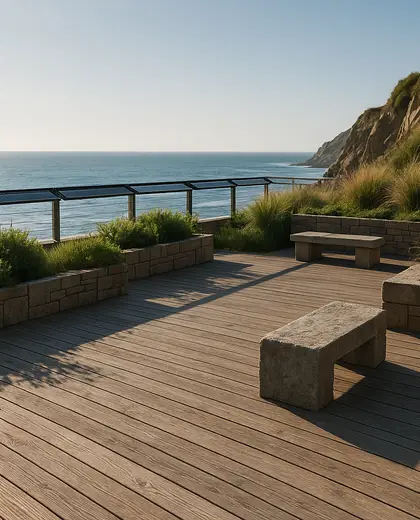
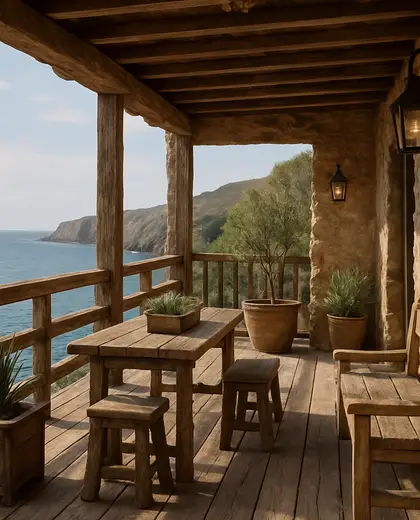
This composition is defined by durable, weather-resistant materials such as concrete, stone, timber, and galvanized or marine-grade metal. The palette usually stays light and natural, with sand, white, weathered gray, and soft blue tones that reflect the shoreline. Key elements include open circulation, shaded seating, low-maintenance planting, and edges designed to handle moisture, wind, and public use.
- public space
- coastal
— References
References to explore
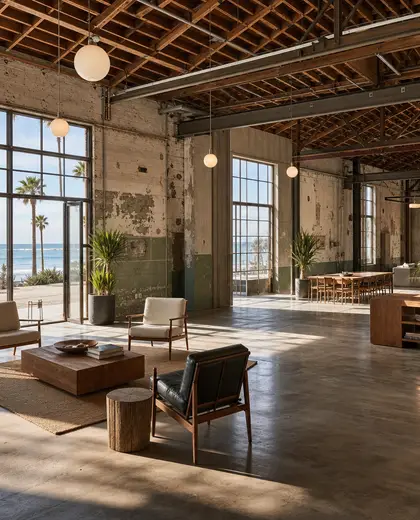
What makes a public coastal space different from a regular public plaza?
It has to perform in tougher conditions, so the design usually prioritizes drainage, wind protection, corrosion-resistant details, and surfaces that stay safe and easy to maintain near water.
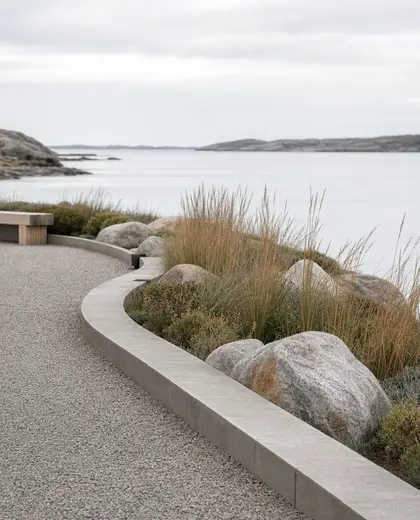
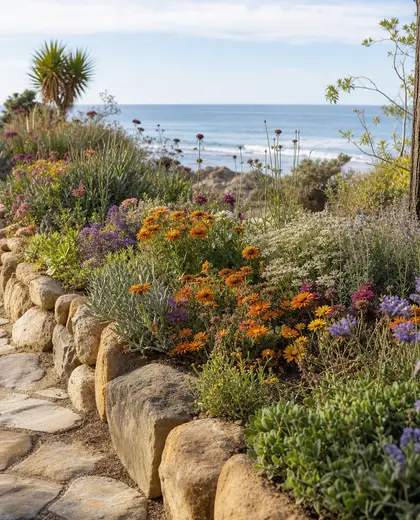
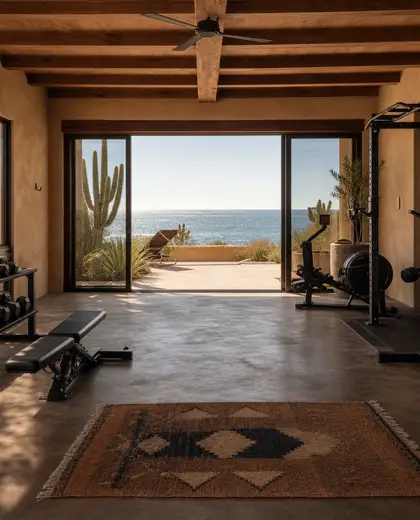
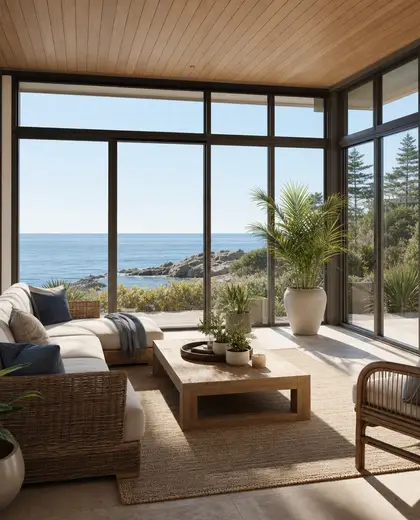
What materials work best in this setting?
Materials that handle moisture and salt well are the safest choice: reinforced concrete, natural stone, hardwoods or composite timber, and coated or marine-grade metal.
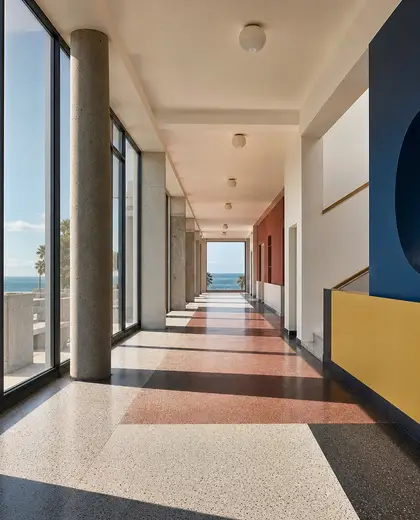
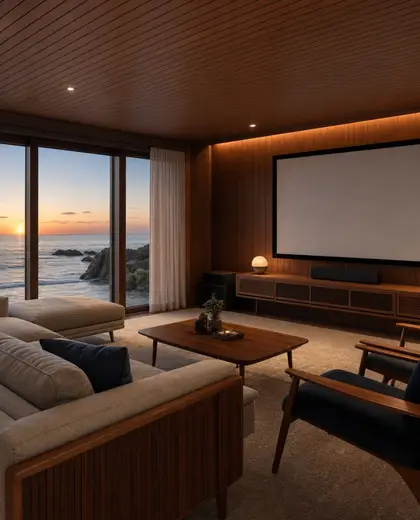
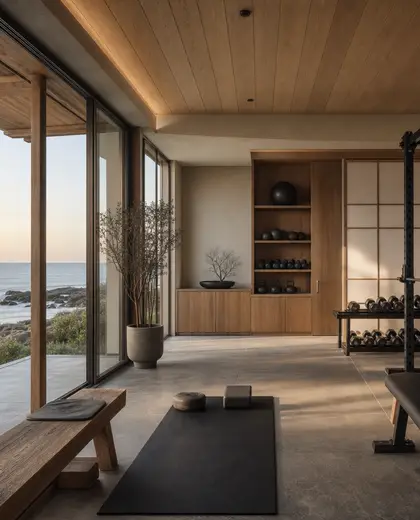
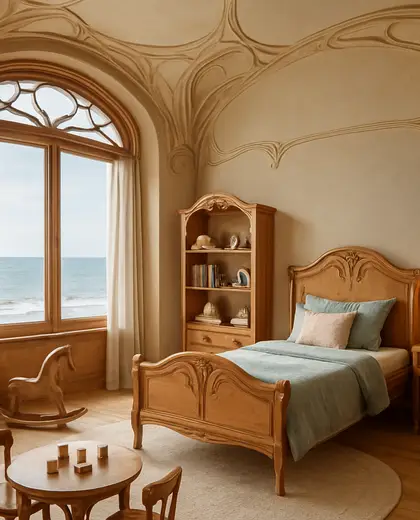
Can a coastal public space still feel warm and inviting?
Yes. Using timber, textured stone, soft planting, and sheltered seating helps balance the exposed setting and make the space feel comfortable for daily use.
— The style
What defines it
Concrete, stone paving, timber decking, treated metal, and finishes that tolerate salt air and heavy foot traffic.
Sand, driftwood gray, off-white, muted blue, and other sun-faded coastal tones.
Public seating, promenades, lookout decks, ramps, shelters, and planting that can withstand exposed conditions.
— Professionals
Who has already built it
- sandeep parchitects · 10 projectsView profile →
- home interior decoratorscarpenters · Rampur · 3 projectsView profile →
- swayam eppakayalainterior designers · Mumbai · 6 projectsView profile →
- pavit ceramics pvt ltdceramic manufacturers · Ahmedabad · 2 projectsView profile →
— Questions
Frequently asked questions
What makes a public coastal space different from a regular public plaza?
It has to perform in tougher conditions, so the design usually prioritizes drainage, wind protection, corrosion-resistant details, and surfaces that stay safe and easy to maintain near water.
What materials work best in this setting?
Materials that handle moisture and salt well are the safest choice: reinforced concrete, natural stone, hardwoods or composite timber, and coated or marine-grade metal.
Can a coastal public space still feel warm and inviting?
Yes. Using timber, textured stone, soft planting, and sheltered seating helps balance the exposed setting and make the space feel comfortable for daily use.