— Ideas & inspiration
Alpine public spaces shaped by stone, timber, and open air
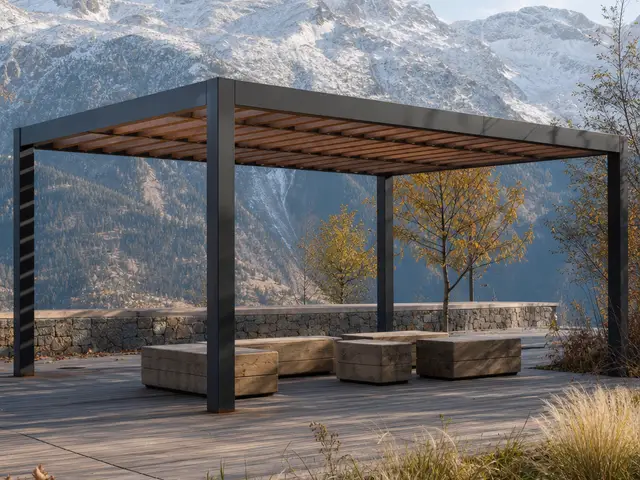
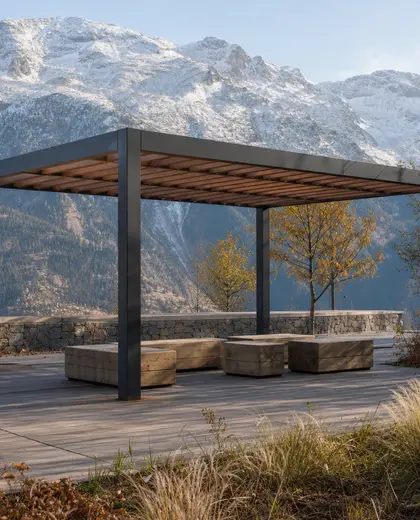
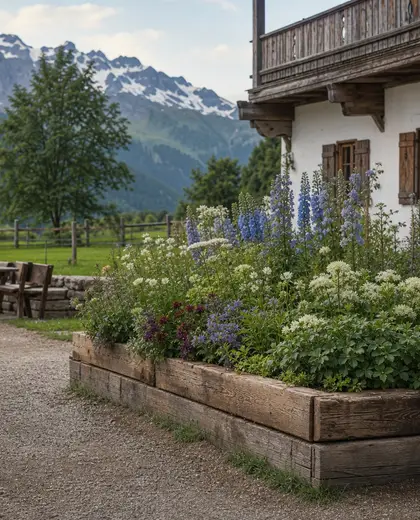
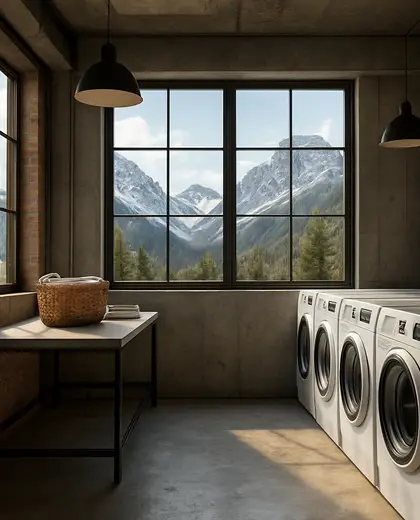
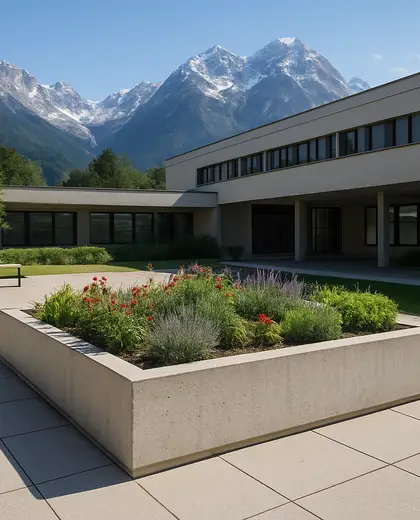
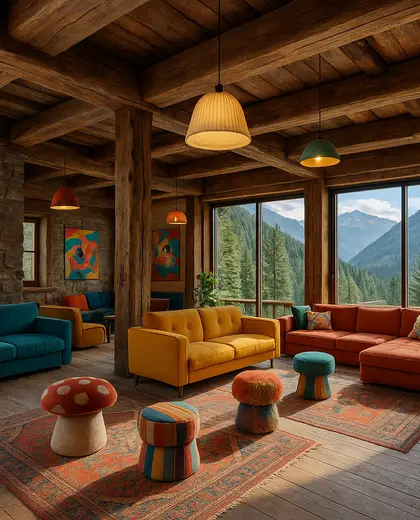
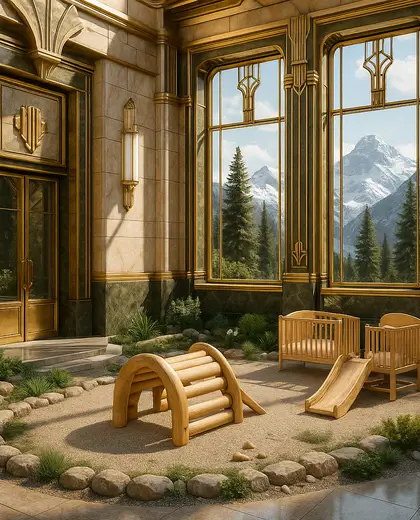
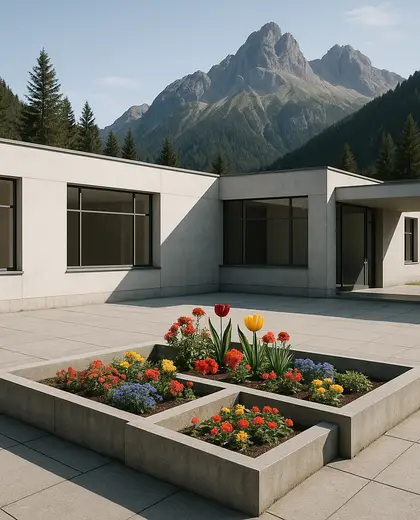
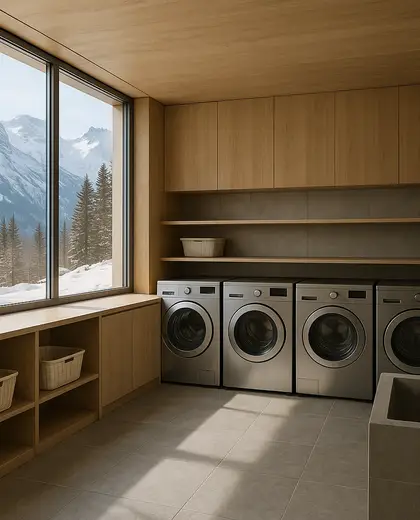
This composition is defined by weathered stone, timber, and durable metal details set in a landscape-oriented layout. The palette is typically cool and natural, with greys, browns, muted greens, and off-white surfaces that echo mountain surroundings. Large clearances, stepped levels, covered edges, and robust seating or paving elements make it feel both civic and alpine.
- public space
- alpine
— References
References to explore
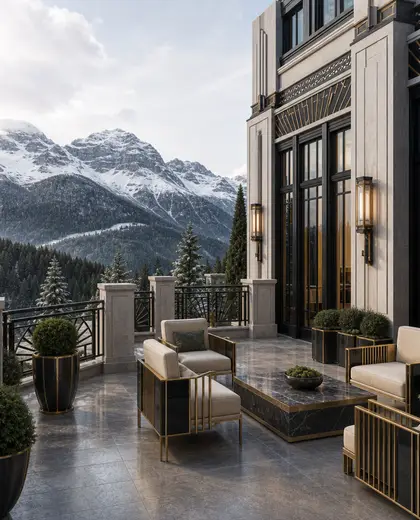
What makes a public space feel alpine instead of just modern?
It usually uses rugged, natural materials, clearer weather protection, and forms that respond to slope, snow, and strong seasonal changes. The result feels grounded in the landscape rather than purely urban.
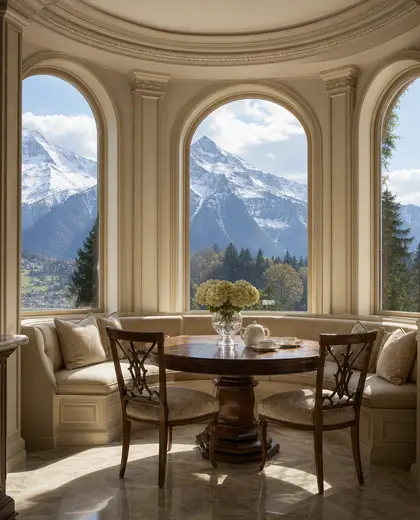
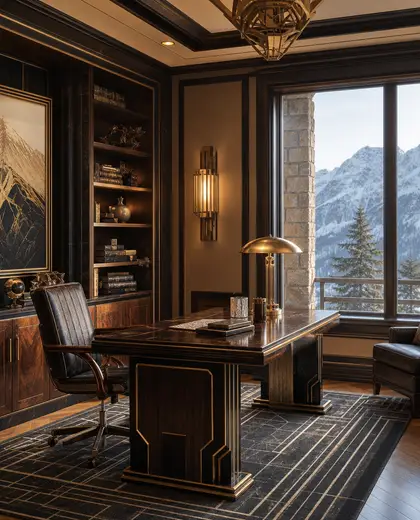
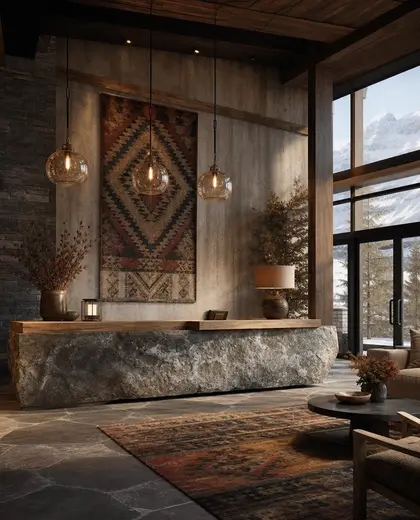
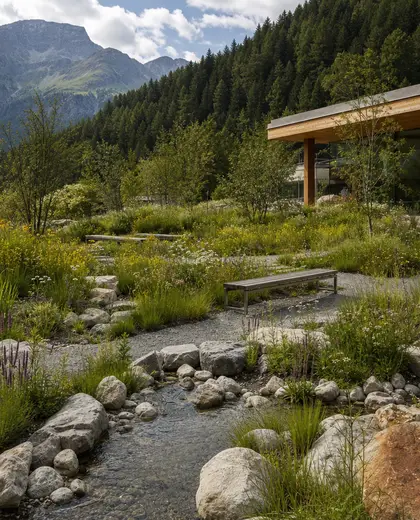
Can this style work in warmer climates?
Yes, but it works best when the design keeps the mountain-inspired material palette while adjusting shading, planting, and drainage to the local climate. The alpine reference becomes more about texture and simplicity than cold-weather performance.
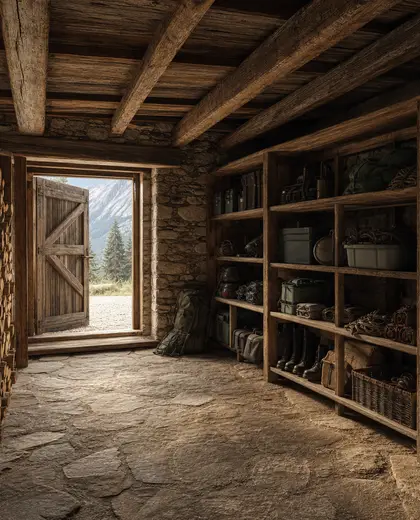
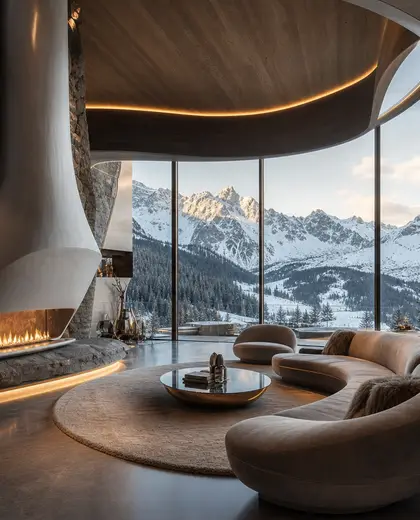
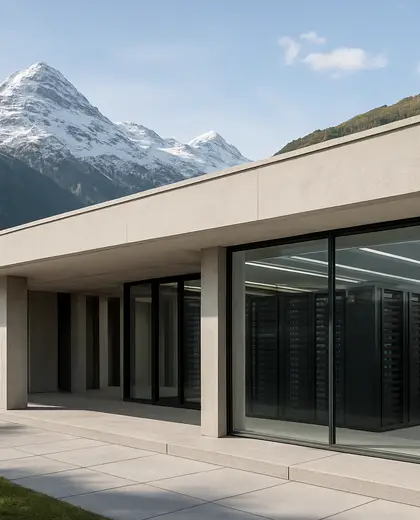
Is maintenance difficult for this type of space?
It can be moderate, especially if you use exposed timber or natural stone, because those materials weather visibly. Good detailing, drainage, and durable finishes help keep upkeep manageable.
— The style
What defines it
Stone, larch or other durable timber, galvanized or blackened metal, and slip-resistant paving.
Cool greys, warm wood tones, muted greens, and soft white or foggy neutrals.
Open plazas, terraces, retaining walls, benches, shelters, and circulation paths designed for cold-weather use.
— Professionals
Who has already built it
- wanderlust architectsarchitects · Jaipur · 8 projectsView profile →
- Bristolfurniture sellers · Bangalore · 6 projectsView profile →
- FurnitureRootsfurniture makers · Jodhpur · 6 projectsView profile →
- Bakajoiners · Chennai · 5 projectsView profile →
— Explore
Keep exploring
— Questions
Frequently asked questions
What makes a public space feel alpine instead of just modern?
It usually uses rugged, natural materials, clearer weather protection, and forms that respond to slope, snow, and strong seasonal changes. The result feels grounded in the landscape rather than purely urban.
Can this style work in warmer climates?
Yes, but it works best when the design keeps the mountain-inspired material palette while adjusting shading, planting, and drainage to the local climate. The alpine reference becomes more about texture and simplicity than cold-weather performance.
Is maintenance difficult for this type of space?
It can be moderate, especially if you use exposed timber or natural stone, because those materials weather visibly. Good detailing, drainage, and durable finishes help keep upkeep manageable.